Ultimate Guide to Birdcage Evening Primrose 🐦
Oenothera deltoides
By the Greg Editorial Team
Jan 24, 2025•11 min read
This article was created with the help of AI so we can cover more plants for you. May contain errors. See one? Report it here.
Discover the beauty and resilience of Birdcage Evening Primrose, perfect for a low-maintenance, vibrant garden! 🌼
- 🌞 Birdcage Evening Primrose needs 6-8 hours of sunlight for optimal growth.
- 🌱 Well-draining soil is crucial; sandy or rocky types prevent waterlogging.
- 🌼 Regular deadheading promotes continuous blooms and keeps plants looking tidy.
How to Grow
Choosing a Location 🌞
To thrive, Birdcage Evening Primrose needs full sun exposure, ideally basking in 6 to 8 hours of sunlight daily. The soil should be well-draining, preferably sandy or rocky, to prevent waterlogging.
Soil Preparation 🧑🌾
Aim for a soil pH between 6.0 and 7.5 for optimal growth. Amending the soil with organic matter can significantly enhance drainage and nutrient availability.
Planting Techniques 🌱
When planting seeds, ensure they are sown at a depth of 1/4 inch. Space the seeds 12 to 18 inches apart to allow for healthy growth and airflow.
Watering Requirements 🚰
Water the plants regularly until they are established. Once mature, they become drought-tolerant, requiring less frequent watering.
Fertilizing Schedule 🍽️
In early spring, provide a light feeding with a balanced fertilizer to kickstart growth. This simple step can make a noticeable difference in plant vigor.
Pruning and Ongoing Care ✂️
Regularly deadhead spent blooms to encourage more flowering throughout the season. This not only keeps your plants looking tidy but also promotes continuous growth.
Outdoor vs. Container Growing 🏡
If you opt for container growing, choose a well-draining potting mix and ensure your pots have adequate drainage holes. This will help prevent root rot and keep your plants healthy.
With these tips, you're well on your way to cultivating a thriving Birdcage Evening Primrose garden. Next, let's explore how to propagate these beautiful plants for even more blooms!
Propagation
🌱 Seed Propagation
To propagate Birdcage Evening Primrose from seeds, sow them at a depth of 1/4 inch. Under optimal conditions, expect germination within 10 to 14 days.
✂️ Division of Established Plants
Dividing established plants is best done in early spring or fall. To do this, carefully separate the root clumps and replant them in new locations for continued growth.
This simple propagation method can help you expand your garden and share this beautiful plant with friends. Now that you know how to propagate, let’s explore the lifecycle of the Birdcage Evening Primrose.
Lifecycle
🌱 Lifecycle Stages
Birdcage Evening Primrose is typically a perennial plant, boasting a lifespan of several years. This resilience allows it to thrive in various environments, making it a favorite among gardeners.
🌡️ Germination Process
For optimal seed germination, maintain a temperature of around 70°F (21°C). This warmth encourages the seeds to sprout, setting the stage for healthy growth.
🌿 Seedling Stage
Once germinated, seedlings take about 4-6 weeks to become ready for transplanting. During this time, they develop the strength needed to thrive in their new environment.
🌳 Vegetative Growth
The vegetative growth phase occurs from late spring to early summer. This is when the plant focuses on developing foliage and establishing a robust structure.
🌼 Flowering and Seed Production
Expect blooming to occur from late spring to summer, attracting nocturnal pollinators. This period not only showcases the plant's beauty but also contributes to local biodiversity.
⏳ Lifespan and Growth Rate
Birdcage Evening Primrose takes approximately 2 years to reach its full size. Its growth rate is moderate, influenced by factors like soil quality and sunlight availability.
This lifecycle overview highlights the resilience and adaptability of Birdcage Evening Primrose, making it a rewarding addition to any garden. As we move forward, let’s explore how to effectively propagate this remarkable plant.
Size
Mature Height and Spread 🌱
Birdcage Evening Primrose typically reaches a height of 12 to 24 inches. Its spread ranges from 12 to 18 inches, making it a lovely addition to any garden.
Growth Rate and Size Variability 📏
The size of your Birdcage Evening Primrose can vary significantly based on several factors. Key influences include soil quality, sunlight exposure, and water availability.
Impact of Growing Conditions on Size 🌤️
Drought conditions can stunt the growth of these plants, resulting in smaller specimens. However, with optimal care, you can encourage them to reach their full size and potential.
As you cultivate your Birdcage Evening Primrose, remember that the right conditions can lead to vibrant, flourishing plants. Next, let’s explore the fascinating root system that supports this resilient beauty.
Roots
Type of Root System 🌱
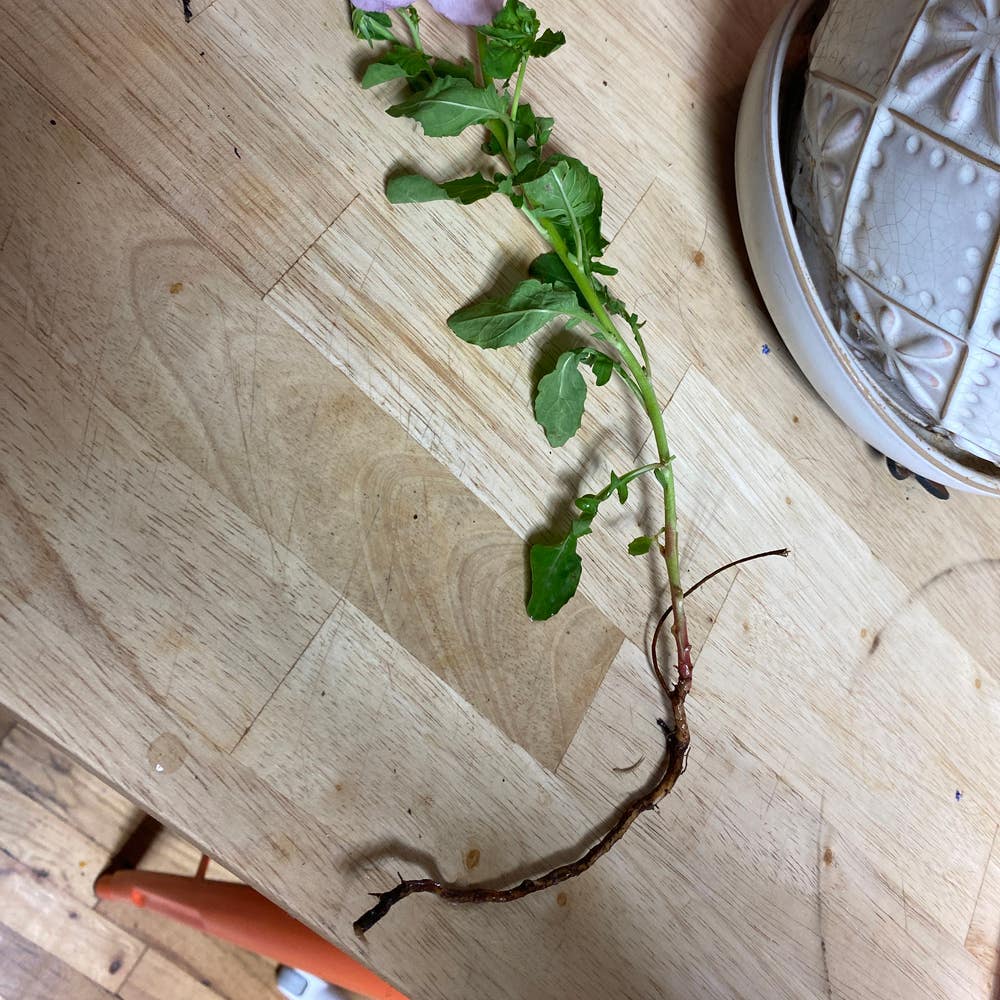
Birdcage Evening Primrose features a taproot system, which allows it to penetrate deep into the soil. This characteristic helps the plant access moisture and nutrients from lower soil layers.
Root Depth and Spread 📏
The roots can reach depths of up to 12 inches, providing stability and support. They also spread laterally, which is essential for anchoring the plant and maximizing nutrient uptake.
Common Root-Related Issues ⚠️
One of the most common problems is root rot, often caused by overwatering. Signs of this issue include wilting and yellowing leaves, indicating that the roots are struggling.
Identifying Healthy vs. Unhealthy Roots 🔍
Healthy roots are typically firm and white, spreading evenly throughout the soil. In contrast, unhealthy roots appear dark, mushy, or foul-smelling, signaling potential problems.
Recognizing Rootbound Plants 🪴
If you notice roots growing out of the drainage holes or stunted growth, your plant may be rootbound. The solution is simple: repot the plant into a larger container or divide it to promote healthier growth.
Understanding the root system of Birdcage Evening Primrose is crucial for its overall health. By ensuring proper care and monitoring, you can prevent common issues and enjoy a thriving plant.
Next, let’s explore the benefits of cultivating this unique flower in your garden.
Benefits
🌍 Ecological Benefits
Birdcage Evening Primrose is a magnet for nocturnal pollinators like moths and bats. By attracting these creatures, it plays a vital role in enhancing local biodiversity.
🌸 Aesthetic Appeal
With its unique seed pods and stunning evening blooms, this plant adds a touch of visual interest to any garden. Its beauty is not just in the flowers but also in the intriguing shapes of its seed pods.
💧 Drought Resistance
This plant thrives on minimal water, making it an excellent choice for xeriscaping. Its low water requirements mean you can enjoy a vibrant garden without the constant worry of watering.
🌱 Cultural Significance
Birdcage Evening Primrose symbolizes resilience and adaptability across various cultures. Its ability to flourish in challenging conditions resonates with many, making it a meaningful addition to gardens.
🌿 Medicinal Uses
Historically, this plant has been valued for its anti-inflammatory properties. While it’s not a substitute for professional medical advice, its traditional uses highlight its significance beyond mere aesthetics.
Incorporating Birdcage Evening Primrose into your garden not only enhances its beauty but also supports the environment and carries cultural weight. As we move forward, let’s explore how to propagate this remarkable plant for even more benefits.
Companion Plants
🌱 Concept of Companion Planting
Companion planting is a gardening strategy that enhances biodiversity and improves pest management. By pairing compatible plants, you can create a thriving ecosystem that supports healthy growth and deters pests.
🌼 Best Companion Plants
When growing Birdcage Evening Primrose, consider companions like lavender and Salvia. These drought-tolerant plants not only complement the primrose but also attract beneficial insects, enhancing your garden's overall health.
🚫 Plants to Avoid
It's best to steer clear of heavy feeders near your Birdcage Evening Primrose. These plants can compete for nutrients, potentially stunting the growth of your primrose and diminishing its vibrant blooms.
By choosing the right companions, you can create a flourishing garden that showcases the beauty of Birdcage Evening Primrose while promoting a balanced ecosystem. Next, let’s explore the potential toxicity of this plant to humans and pets.
Toxicity to Humans
Birdcage Evening Primrose is generally safe for humans and is not listed as toxic by major poison control centers. However, it's wise to be cautious, as consuming large quantities may lead to mild skin irritation or digestive discomfort.
If you experience any unusual symptoms after contact or consumption, it's best to seek medical advice. Staying informed and cautious ensures a safe and enjoyable gardening experience.
Toxicity to Dogs
Birdcage Evening Primrose is not considered toxic by major pet poison control centers. This means your furry friends can enjoy the garden without the risk of serious harm.
However, it's important to note that if dogs consume large quantities of this plant, they may experience mild gastrointestinal upset. Symptoms can include nausea or an upset stomach, so moderation is key.
🌱 Tips for Safe Gardening
To ensure a safe environment for your pets, consider these tips:
Proper Placement: Position the plant in areas that are less accessible to your dog. This can help minimize any potential snacking.
Monitoring Behavior: Keep an eye on your dog's behavior around the plant. If they show excessive interest, it might be worth redirecting their attention.
By following these simple guidelines, you can enjoy the beauty of Birdcage Evening Primrose while keeping your canine companions safe and sound.
Next, let's explore the potential toxicity of this plant to cats.
Toxicity to Cats
Birdcage Evening Primrose is not considered toxic to cats by major pet poison control centers. This means you can enjoy the beauty of this plant without worrying too much about your feline friends.
However, if a cat consumes large quantities, it may experience mild gastrointestinal upset. Keep an eye out for any unusual behavior or symptoms, just to be safe.
🐱 Tips for Cat Owners
To ensure a harmonious relationship between your plants and pets, consider these tips:
Proper Placement: Position the Birdcage Evening Primrose in areas that are less accessible to your cats. This can help minimize any potential nibbling.
Monitoring Behavior: Regularly observe your cats around the plant. If they show excessive interest, it might be worth relocating the plant.
By taking these simple precautions, you can enjoy your Birdcage Evening Primrose while keeping your cats safe and healthy.
Next, let's explore the potential toxicity of this plant to dogs.
Problems
Common Problems 🌧️
Birdcage Evening Primrose can face a few common issues, primarily related to watering. Overwatering is a frequent culprit, leading to signs like wilting and yellowing leaves.
Identifying Symptoms 🔍
Pay attention to your plant's leaves. Scorching or fuzzy growth can indicate environmental stress, signaling that something isn't quite right.
Solutions for Common Issues 💡
To combat overwatering, allow the soil to dry out between waterings. This simple adjustment can make a world of difference.
If your plant isn't getting enough light, consider moving it to a sunnier spot. Proper light conditions are crucial for healthy growth.
For fungal diseases, treat the affected areas with appropriate fungicides. This can help restore your plant's health and vitality.
Ensure proper drainage to prevent root rot, a common issue that can devastate your plant. Check that your pot has adequate drainage holes.
Lastly, if you notice growth problems, revisit your watering and light conditions. Adjusting these factors can lead to a thriving Birdcage Evening Primrose.
With these tips, you can keep your plant healthy and vibrant, ready to bloom beautifully. Next, let’s explore the fascinating world of pests that might be lurking around your Birdcage Evening Primrose.
Bugs
Potential Pest Issues 🐛
Birdcage Evening Primrose is moderately pest-resistant, but it can still attract a few unwelcome guests. Keeping an eye on your plants will help you catch any issues early.
Identification and Damage 🔍
Two common pests to watch for are spider mites and aphids. Spider mites leave fine webbing and cause stippled leaves, while aphids produce a sticky residue and can curl the leaves.
Treatment Options 💊
For aphids, neem oil and insecticidal soap are effective treatments. To deter spider mites, simply increase the humidity around your plants; they thrive in dry conditions.
By staying vigilant and addressing pest issues promptly, you can keep your Birdcage Evening Primrose thriving and beautiful. Next, let’s explore what animals might be tempted to munch on these lovely plants.
What Eats Birdcage Evening Primrose
🦌 Common Animals
Birdcage Evening Primrose can attract a variety of hungry critters. Deer, rabbits, and rodents are particularly fond of this plant, making it a target in gardens.
🕵️♂️ Signs of Damage
Keep an eye out for signs of nibbling. Chewed leaves, tracks, and droppings near your plants can indicate that these animals have paid a visit.
🚫 Deterrent Methods
To protect your Birdcage Evening Primrose, consider using a mix of deterrent methods.
- Chemical repellents: Commercial deer repellents can be effective in keeping larger animals at bay.
- Organic methods: Planting strong-smelling herbs nearby can naturally deter pests and add beauty to your garden.
By being proactive, you can enjoy the beauty of your Birdcage Evening Primrose without the worry of unwanted munchers. Now that you know how to protect your plants, let’s explore the common problems that can arise in their care.
⚠️ Safety First
This content is for general information and may contain errors, omissions, or outdated details. It is not medical, veterinary advice, or an endorsement of therapeutic claims.
Always consult a qualified healthcare professional before using any plant as food, medicine, or supplement.
Never eat any plant (or feed one to pets) without confirming its identity with at least two trusted sources.
If you suspect poisoning, call Poison Control (800) 222-1222, the Pet Poison Helpline (800) 213-6680, or your local emergency service immediately.
Spotted an error? Please report it here.
Unlock a thriving garden 🌼 with Birdcage Evening Primrose by using Greg's tailored care reminders to keep your plants happy and healthy all year round!