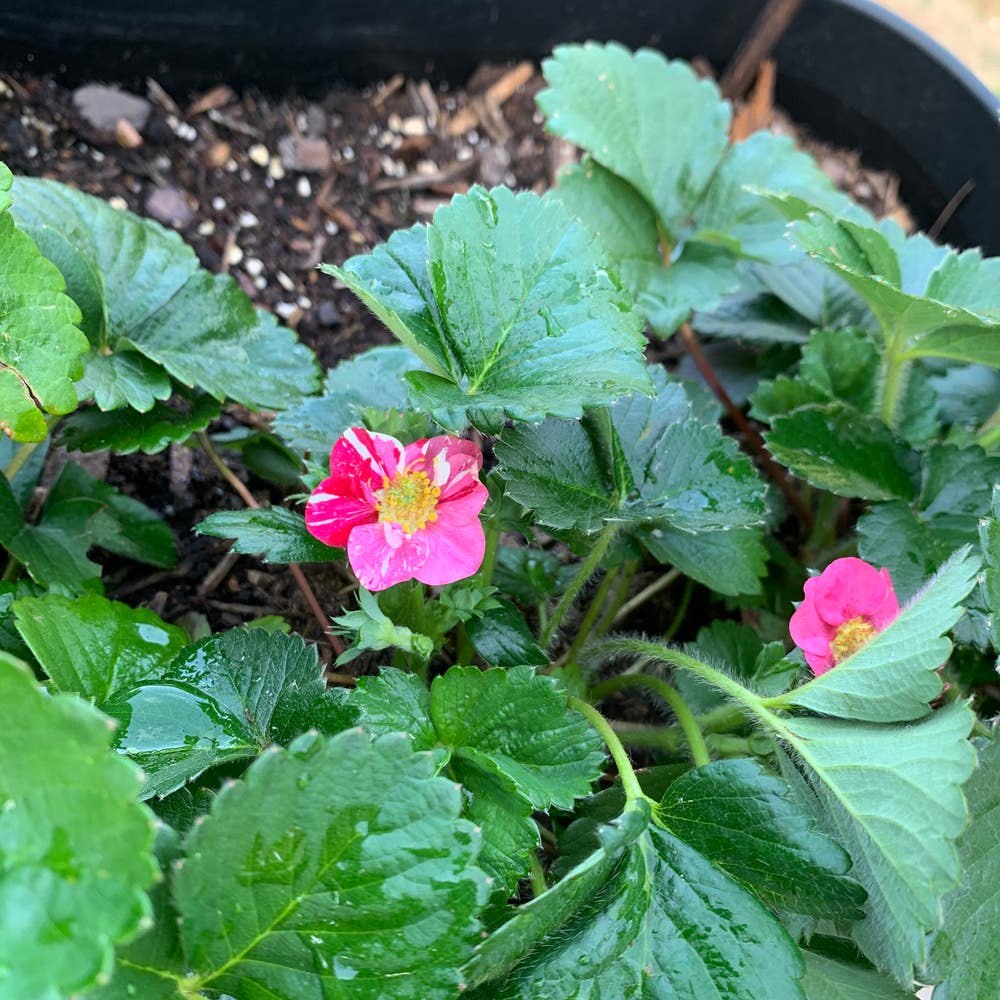
🌼 Biennial Cinquefoil Explained: Key Information
Potentilla biennis
By the Greg Editorial Team
Feb 27, 2025•11 min read
This article was created with the help of AI so we can cover more plants for you. May contain errors. See one? Report it here.
Elevate your garden with Biennial Cinquefoil 🌼, a low-maintenance gem that attracts pollinators and thrives in diverse conditions! 🌱
- 🌞 Biennial Cinquefoil thrives in full sun, needing at least 6 hours of sunlight daily.
- 🌱 Ideal soil is loamy or sandy with a pH of 6.0 to 7.0 for growth.
- 🌼 Regular maintenance, like deadheading, promotes blooms and prevents pests and diseases.
How to Grow
Choosing a Location 🌞
When selecting a spot for your Biennial Cinquefoil, aim for full sun to partial shade. Ideally, the plant needs a minimum of 6 hours of sunlight daily and thrives in well-drained soil, making it tolerant of poor soil conditions.
Soil Preparation 🏜️
For optimal growth, choose loamy or sandy soil. The pH should be slightly acidic to neutral, ideally between 6.0 and 7.0, and adding organic matter can significantly improve drainage and fertility.
Planting Techniques 🌱
Timing is crucial when planting Biennial Cinquefoil. Aim to plant in early spring or fall, spacing the seeds 12-18 inches apart, and cover them lightly with soil, about 1/4 inch deep.
Watering Requirements 🚰
Initially, keep the soil consistently moist until the plants are established. After that, water deeply but infrequently to encourage the development of deep roots.
Fertilizing Schedule 🍽️
A light application of balanced fertilizer in early spring will benefit your plants. Consider using organic options like compost or well-rotted manure for a natural boost.
Pruning and Ongoing Care ✂️
Regular maintenance is key to a thriving Biennial Cinquefoil. Deadhead spent flowers to promote more blooms and keep an eye out for pests and diseases to ensure your plants stay healthy.
Outdoor vs. Container Growing 🏡
If you're growing in containers, ensure they have adequate drainage and are large enough to allow for root expansion. For outdoor growing, adapt your care to local climate conditions for the best results.
With these guidelines, you're well on your way to cultivating a beautiful Biennial Cinquefoil. Next, let’s explore how to propagate this resilient plant!
Propagation
🌱 Seed Propagation
Sowing Biennial Cinquefoil seeds can be done in either spring or fall. For optimal germination, keep the soil consistently moist and maintain a warm temperature between 70°F to 75°F.
✂️ Division of Established Plants
If you have established plants, the best time to propagate is in early spring or fall. To do this, carefully dig up the plant, separate the roots, and replant them immediately to ensure they thrive in their new location.
This method not only helps in expanding your garden but also rejuvenates older plants, promoting healthier growth. With these propagation techniques, you can enjoy a flourishing display of Biennial Cinquefoil in no time!
Next, let’s explore the lifecycle of this fascinating plant.
Lifecycle
🌱 Growth Cycle
Biennial Cinquefoil has a fascinating growth cycle. In its first year, it focuses on developing lush foliage, while the flowering phase occurs in the second year.
🌱 Germination
Seeds germinate within 7-14 days under optimal conditions. This quick start sets the stage for healthy growth.
🌱 Seedling Stage
During the seedling stage, true leaves begin to develop within 4-6 weeks. This is a crucial period where the plant establishes itself.
🌼 Flowering
Flowering typically begins in the second year, showcasing vibrant blooms from late spring to summer. This is when the plant truly shines and attracts pollinators.
🌿 Maturity
It takes approximately 2 years for Biennial Cinquefoil to reach full maturity. This patience pays off with a stunning display of flowers and robust foliage.
As you nurture your Biennial Cinquefoil, understanding its lifecycle can enhance your gardening experience. Next, let’s explore the size of this beautiful plant and what to expect in your garden.
Size
Mature Dimensions 🌱
Biennial Cinquefoil typically reaches an average height of 1 to 3 feet, making it a versatile choice for various garden settings. Its spread ranges from 1 to 2 feet wide, allowing it to fill in spaces without overwhelming neighboring plants.
Growth Rate 📈
The growth rate of Biennial Cinquefoil is moderate, influenced by environmental conditions such as sunlight and soil quality. With the right care, you can expect this plant to thrive and contribute to your garden's beauty over time.
As you consider adding Biennial Cinquefoil to your garden, keep in mind its size and growth characteristics. This knowledge will help you plan your planting layout effectively, ensuring a harmonious garden space.
Roots
Characteristics 🌱
Biennial Cinquefoil features a fibrous root system complemented by a taproot. This combination allows the plant to anchor itself firmly while accessing nutrients and moisture from deeper soil layers.
Depth 📏
The roots can extend up to 12 inches deep, providing stability and resilience. This depth helps the plant thrive in various soil conditions, making it adaptable to different environments.
Common Issues ⚠️
One of the most common problems with Biennial Cinquefoil is root rot, often caused by overwatering. To prevent this issue, ensure proper drainage in the soil, allowing the roots to breathe and flourish without standing water.
Understanding the root system of Biennial Cinquefoil is crucial for successful growth. With the right care, these roots will support a healthy, vibrant plant that can enhance your garden's beauty.
As we explore the lifecycle of Biennial Cinquefoil next, you'll see how these roots play a vital role in its growth and flowering stages.
Benefits
Top 5 Benefits 🌟
Biennial Cinquefoil offers a variety of advantages that make it a fantastic addition to any garden. Here are the top five benefits you can enjoy:
1. Attracts Pollinators
This plant is a magnet for pollinators like bees and butterflies. By planting Biennial Cinquefoil, you’re not just beautifying your space; you’re also supporting local ecosystems.
2. Erosion Control
Its robust root system helps stabilize soil, making it an excellent choice for gardens and landscapes prone to erosion. This natural barrier protects your soil and promotes a healthier environment.
3. Medicinal Uses
Historically, Biennial Cinquefoil has been utilized in various herbal remedies. While it’s not a substitute for professional medical advice, its traditional uses add an intriguing layer to its appeal.
4. Aesthetic Appeal
With its bright yellow flowers, Biennial Cinquefoil enhances the beauty of any garden. Its vibrant blooms can create a cheerful atmosphere, making your outdoor space more inviting.
5. Low Maintenance
Once established, Biennial Cinquefoil requires minimal care. This makes it perfect for busy gardeners or those who prefer a more hands-off approach to gardening.
Incorporating Biennial Cinquefoil into your garden not only enriches your landscape but also contributes positively to the environment. Next, let’s explore how to propagate this resilient plant for even more gardening success.
Companion Plants
Best Companions 🌼
When growing Biennial Cinquefoil, choosing the right companion plants can enhance your garden's health and beauty. Here are three excellent options to consider:
Black-eyed Susan
Black-eyed Susan thrives in similar sunlight and soil conditions as Biennial Cinquefoil. This vibrant flower not only adds color but also attracts pollinators, making it a perfect partner in your garden.
Coneflower
Coneflowers are another fantastic companion. They draw beneficial insects and pollinators, boosting the overall ecosystem of your garden. Plus, their striking blooms complement the yellow flowers of Biennial Cinquefoil beautifully.
Catmint
Catmint is a great addition for those looking to repel pests while adding visual appeal. Its aromatic foliage can deter unwanted insects, allowing your Biennial Cinquefoil to flourish without competition.
By selecting these companion plants, you create a thriving environment that supports biodiversity and enhances the beauty of your garden. As you plan your planting, consider how these plants can work together harmoniously.
In the next section, we will explore the toxicity of Biennial Cinquefoil to humans, dogs, and cats, ensuring you have all the information you need for a safe gardening experience.
Toxicity to Humans
Safety 🛡️
Biennial Cinquefoil is not listed as toxic by major poison control centers, making it a safe choice for gardens. You can handle and even ingest it in small amounts without worry.
Skin and Digestive Reactions 🚨
While generally safe, excessive contact may cause mild skin irritation. If consumed in large quantities, it could lead to minor digestive discomfort, but this is rare.
Conclusion 🎉
Overall, Biennial Cinquefoil is a low-risk plant that can enhance your garden without the fear of toxicity. Its benefits far outweigh any potential concerns, making it a delightful addition to your landscape.
As we explore the next section, let’s dive into the safety of Biennial Cinquefoil for our furry friends!
Toxicity to Dogs
Safety 🐶
When it comes to Biennial Cinquefoil, dog owners can breathe a sigh of relief. This plant is not listed as toxic by major pet poison control centers, making it generally safe for your furry friends.
However, it's worth noting that while Biennial Cinquefoil poses no significant health risks, excessive consumption can lead to mild gastrointestinal upset. So, if your dog decides to munch on a few leaves, keep an eye on them, but there's no need to panic.
Conclusion 🐾
In summary, Biennial Cinquefoil is a dog-friendly plant that won't harm your pet. Just ensure your dog doesn't overindulge, and you can enjoy this beautiful addition to your garden without worry.
Next, let’s explore how Biennial Cinquefoil interacts with our feline companions.
Toxicity to Cats
🐱 Safety
When it comes to Biennial Cinquefoil, cat owners can breathe a sigh of relief. This plant is not listed as toxic by major pet poison control centers, making it generally safe for your feline friends.
While Biennial Cinquefoil poses no significant health risks to cats, it's worth noting that excessive consumption might lead to mild gastrointestinal upset. It's always a good idea to monitor your pets around any plants, just to be safe.
In summary, Biennial Cinquefoil is a great addition to your garden without the worry of harming your cats. Now that you know it's safe, let's explore the potential problems that can arise when growing this lovely plant.
Problems
Common Issues with Biennial Cinquefoil 🌱
Growing Biennial Cinquefoil can be rewarding, but it comes with its share of challenges. Understanding these common issues will help you maintain a healthy and vibrant plant.
Incorrect Watering 🚰
Watering is crucial for your Biennial Cinquefoil's health. Overwatering can lead to yellowing leaves, while underwatering causes wilting.
Incorrect Light Conditions ☀️
Light plays a significant role in plant growth. If your Cinquefoil is in too much shade, it may become leggy and produce sparse flowers.
Diseases 🦠
Diseases can threaten your plant's vitality. Powdery mildew and root rot are common issues that can arise, especially in damp conditions.
Leaf Issues 🍃
Leaf problems can manifest in various ways. Scorching and yellowing leaves often indicate stress from environmental facBiennial Cinquefoilroblems 📉 Sometimes, your Biennial Cinquefoil may struggle to grow. Signs include leaning or leggy growth, which can be a result of inadequate light or nutrients.
By keeping an eye on these potential problems, you can ensure your Biennial Cinquefoil thrives. Next, let’s explore the pests that might disrupt your plant's growth.
Bugs
🐞 Potential Pest Issues
Biennial Cinquefoil is known for its moderate resistance to pests, making it a resilient choice for your garden. However, it can still fall victim to a few common nuisances.
🐜 Common Pests
- Spider Mites: These tiny pests can cause significant damage by sucking the sap from leaves, leading to discoloration.
- Scale Insects: Often appearing as small bumps on stems and leaves, these insects can weaken your plants by draining their nutrients.
- Aphids: These small, soft-bodied insects love to cluster on new growth, potentially stunting the plant's development. Biennial Cinquefoilar to aphids, whiteflies can create a sticky residue on leaves, attracting sooty mold and further complicating care.
🛠️ Managing Pest Problems
To keep Biennial Cinquefoil thriving, regular monitoring is essential. Look for signs of pest activity, such as discolored leaves or unusual growth patterns.
🚫 Prevention Tips
- Encourage Beneficial Insects: Ladybugs and lacewings can help control aphid populations naturally.
- Maintain Plant Health: Healthy plants are less susceptible to pests, so ensure proper watering and fertilization.
- Use Insecticidal Soap: For severe infestations, a gentle insecticidal soap can effectively eliminate pests without harming the plant.
By staying vigilant and proactive, you can enjoy the beauty of Biennial Cinquefoil while minimizing pest-related issues. Next, let’s explore what animals might be interested in snacking on your plants.
What Eats Biennial Cinquefoil
🦌 Common Animals
Biennial Cinquefoil can attract a variety of hungry visitors. Deer, rabbits, squirrels, birds, rodents, and groundhogs are known to nibble on its foliage.
🚨 Signs of Damage
Keep an eye out for signs that these critters have paid a visit. Look for browsing on leaves, broken stems, and droppings near your plants, which indicate that your Biennial Cinquefoil has become a snack.
🛡️ Deterrent Methods
To protect your plants, consider implementing a few deterrent strategies. Chemical repellents can be effective, but you might also try planting strong-smelling herbs nearby to confuse or repel these animals.
Additionally, physical barriers like fencing can provide a solid defense against larger herbivores. With these methods, you can enjoy your Biennial Cinquefoil without the worry of it becoming a buffet for local wildlife.
As you explore the best ways to safeguard your plants, remember that understanding the local fauna can help you create a thriving garden environment. Next, let’s dive into the common problems that may arise while growing Biennial Cinquefoil.
⚠️ Safety First
This content is for general information and may contain errors, omissions, or outdated details. It is not medical, veterinary advice, or an endorsement of therapeutic claims.
Always consult a qualified healthcare professional before using any plant as food, medicine, or supplement.
Never eat any plant (or feed one to pets) without confirming its identity with at least two trusted sources.
If you suspect poisoning, call Poison Control (800) 222-1222, the Pet Poison Helpline (800) 213-6680, or your local emergency service immediately.
Spotted an error? Please report it here.
Grow a vibrant Biennial Cinquefoil garden 🌼 with Greg's personalized watering reminders and tailored care tips to ensure your plants thrive and attract pollinators!