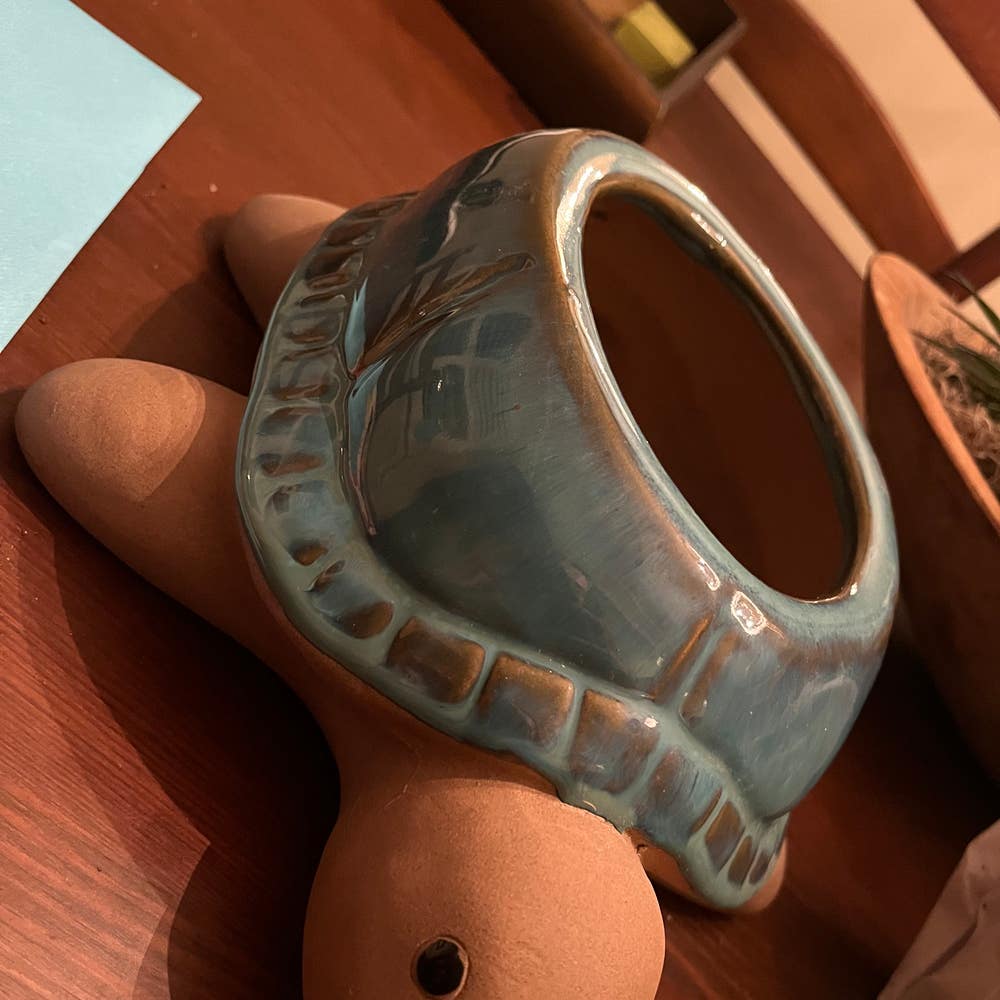
9 Key Factors in Choosing a Coral Cactus Pot 🪸
Rhipsalis cereuscula
By the Greg Editorial Team
Nov 22, 2024•6 min read
This article was created with the help of AI so we can cover more plants for you. May contain errors. See one? Report it here.
- 🌱 Choose pot size based on growth stage: 4-12 inches for coral cacti.
- 🏺 Clay and terracotta pots offer superior drainage and airflow for healthy growth.
- 🚫 Avoid root rot by ensuring proper drainage holes and monitoring soil moisture.
Pot Size for Coral Cactus Growth Stages
🌱 Growth Stages
Understanding the growth stages of coral cactus is crucial for selecting the right pot size.
- Juvenile Stage: At this stage, the plant has small, compact roots that require minimal space.
- Mature Stage: As the plant matures, its root system expands, necessitating a larger pot.
- Flowering Stage: During flowering, the cactus demands increased nutrients and more space to thrive.
📏 Recommended Pot Sizes
Choosing the appropriate pot size for each growth stage can significantly impact your coral cactus's health.
- Juvenile: A pot with a diameter of 4-6 inches is ideal.
- Mature: For mature plants, opt for a pot that measures 6-10 inches in diameter.
- Flowering: When your cactus is flowering, a pot size of 10-12 inches will accommodate its needs.
🪴 Container Size Considerations
When selecting a pot, consider the importance of allowing room for root expansion.
Too much space can lead to water retention issues, which can harm your plant.
Aim for a snug fit that supports growth without overwhelming the roots.
By choosing the right pot size, you set your coral cactus up for success, ensuring it has the space it needs to flourish.
Next, let's explore the various pot materials that can further enhance your coral cactus's growth.
Pot Materials
🏺 Comparison of Clay vs. Plastic
When choosing a pot for your coral cactus, the material plays a crucial role. Clay pots are breathable, allowing for excellent airflow to the roots, which is essential for moisture control.
On the other hand, plastic pots are lightweight and retain moisture longer. However, they require careful monitoring to prevent overwatering, as they can trap excess moisture.
🌱 Benefits of Terracotta
Terracotta pots are a fantastic option for coral cacti. They offer excellent drainage properties, ensuring that excess water can escape easily.
Additionally, their natural porosity helps reduce the risk of overwatering, making them a reliable choice for maintaining healthy roots.
🌡️ Impact on Moisture Retention and Temperature
The choice of pot material significantly impacts soil moisture levels. Clay pots tend to dry out faster, which can be beneficial for plants that prefer drier conditions.
In contrast, plastic pots maintain a more stable temperature, which can be advantageous in fluctuating environments. Understanding these differences helps you make informed decisions for your coral cactus's health.
As you consider pot materials, remember that the right choice can enhance your plant's growth and vitality. Next, let’s explore drainage considerations to ensure your coral cactus thrives.
Drainage Considerations
🌊 Importance of Drainage Holes
Proper drainage is crucial for the health of your coral cactus. Drainage holes prevent root rot by allowing excess water to escape, ensuring that the roots don't sit in soggy soil.
These holes also facilitate airflow, which is essential for maintaining the right moisture levels. Without adequate drainage, your plant may struggle to thrive.
🔍 Assessing Drainage
When selecting a pot, consider the number of drainage holes. For small pots, a minimum of 2-3 holes is essential, while larger pots should have even more to promote effective drainage.
Additionally, evaluate the pot's depth and width. A well-designed pot will support drainage while providing enough space for root growth.
🪨 Solutions for Pots Without Drainage Holes
If you find yourself with a pot that lacks drainage holes, don't fret. One effective solution is to add a layer of gravel or stones at the bottom to create a barrier that helps excess water escape.
Alternatively, consider using a pot liner with drainage capabilities. This can provide the necessary moisture control while still allowing you to enjoy the aesthetics of your chosen pot.
By ensuring proper drainage, you set your coral cactus up for success, promoting healthy growth and vibrant blooms. Next, let’s explore the best practices for repotting your coral cactus to keep it flourishing.
Repotting Coral Cactus
🌱 Signs That Repotting is Needed
Repotting your coral cactus is essential for its health and growth. Look for signs like roots growing out of drainage holes, stunted growth, or yellowing leaves, which indicate that your plant is outgrowing its current pot.
If you notice the soil drying out too quickly, it may also signal that the roots are cramped and need more space. Addressing these issues promptly can help your coral cactus thrive.
🛠️ Best Practices for Repotting
To ensure a successful repotting experience, follow these best practices:
- Choose the right time: Early spring or late winter is ideal for repotting.
- Prepare the new pot: Use an appropriate potting mix that suits coral cacti.
- Gently remove the plant: Take care not to damage the roots while removing it from the old pot.
- Place in the new pot: Ensure proper depth and orientation for optimal growth.
- Water lightly: After repotting, water the plant lightly to help settle the soil.
These steps will help minimize stress on your coral cactus and promote healthy growth.
🪴 Choosing the Right Pot When Repotting
Selecting the right pot is crucial when repotting your coral cactus. Choose a pot that accommodates the current root size while allowing room for future growth.
Consider the pot shape as well: wider pots are better for mature plants, while deeper pots support extensive root systems. This thoughtful selection will contribute to the long-term health of your coral cactus.
With these insights, you’re well-equipped to repot your coral cactus effectively. Next, let’s explore how pot choice impacts the overall health of your plant.
Impact of Pot Choice on Health
🌱 How Pot Choice Affects Root Development
Choosing the right pot is crucial for your coral cactus's root development. Adequate root space allows for better nutrient uptake, which is essential for healthy growth.
When roots are restricted, the plant struggles to absorb water and nutrients effectively. This can lead to a decline in overall health, making your cactus more susceptible to diseases.
📏 Relationship Between Pot Size and Growth Rate
The size of the pot directly influences the growth rate of your coral cactus. A larger pot provides more room for roots to expand, which can accelerate growth.
Conversely, if the pot is too small, your cactus may experience stunted growth. This can be frustrating, especially when you’re eager to see your plant thrive.
⚠️ Common Issues from Improper Selection
Improper pot selection can lead to several problems. One major issue is root rot, which often occurs from poor drainage in pots that are too small or made from unsuitable materials.
Additionally, inadequate soil volume can result in nutrient deficiencies. Your cactus may also suffer from overwatering if the pot material retains too much moisture, leading to further complications.
By understanding the impact of pot choice, you can ensure your coral cactus remains healthy and vibrant. Next, let’s explore the importance of drainage considerations in pot selection.
⚠️ Safety First
This content is for general information and may contain errors, omissions, or outdated details. It is not medical, veterinary advice, or an endorsement of therapeutic claims.
Always consult a qualified healthcare professional before using any plant as food, medicine, or supplement.
Never eat any plant (or feed one to pets) without confirming its identity with at least two trusted sources.
If you suspect poisoning, call Poison Control (800) 222-1222, the Pet Poison Helpline (800) 213-6680, or your local emergency service immediately.
Spotted an error? Please report it here.
Select the perfect pot for your coral cactus 🌵 with Greg's tailored reminders and expert tips, ensuring your plant flourishes in its ideal environment!