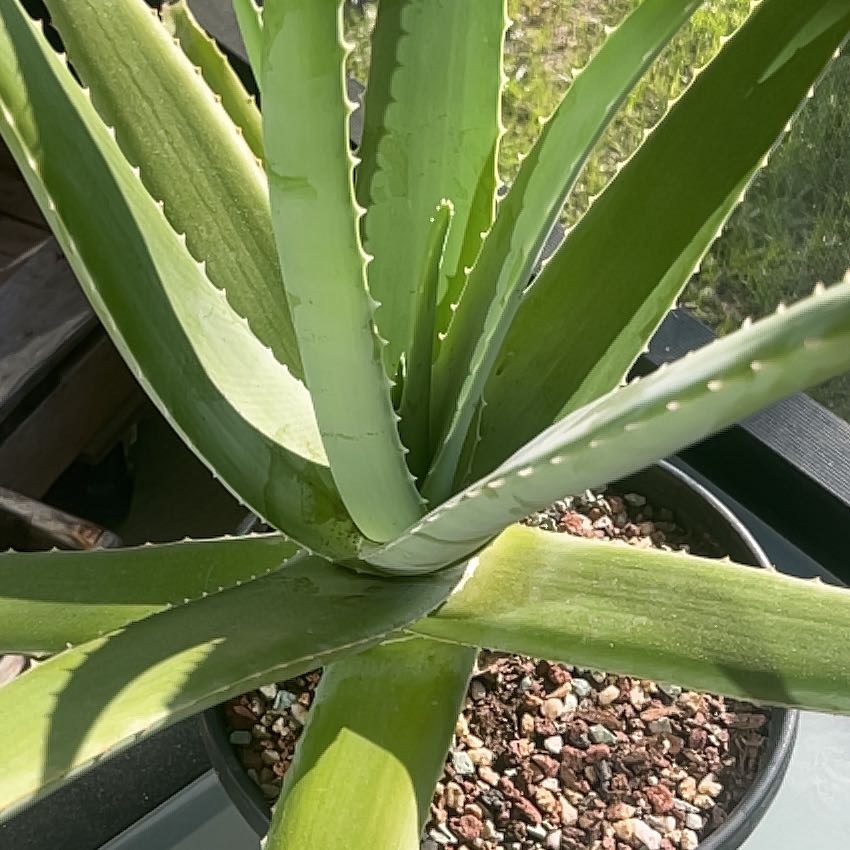
Best Pot for Aloe vera
What Size Pot Does an Aloe vera Need?
Aloe vera grows in a rosette with a shallow, spreading root system, so a wide, shallow container suits it far better than a tall one. Keep the pot snug. Excess soil that roots haven't reached stays wet between waterings, and wet soil is the number one cause of aloe root rot.
For a small aloe fresh from a nursery cell pack, a 4-inch pot is usually right. Move up by just one size at a time (1–2 inches wider) when roots start circling or the plant looks clearly top-heavy.
Aloe vera grows slowly. Most plants won't need a pot larger than 10–12 inches even at full size, which indoors tops out around 18–24 inches tall and wide. If your aloe is producing offsets (pups), you can separate and pot them individually rather than upsizing the parent pot.
What Material Pot Is Best for Aloe vera?
Aloe vera stores its water reserves in thick, fleshy leaves rather than in its roots, which means the root system is shallow and sparse by design. Those roots need to dry out completely between waterings -- any prolonged moisture around them leads to rot faster than almost any other houseplant.
A pot that drains quickly and allows the growing medium to dry from the outside in suits aloe's desert origins perfectly. Roots don't need depth, but they do need a container that won't trap humidity or hold residual moisture against them for days at a time.
Aloe vera stores water in its thick leaves, so it needs a pot that dries out between waterings. Fast-draining materials like fabric and unglazed ceramic are the best fit, with terracotta being the all-around favorite for this desert native from Oman.
Wood and glazed ceramic sit in the middle of the spectrum and still work well, though you'll want to water less frequently with glazed pots. The key is making sure the soil dries thoroughly between drinks.
Steer clear of plastic and metal. Plastic holds moisture too long and puts aloe's rot-prone roots at risk. Metal heats up fast in sunny spots, and since aloe loves bright light, that's a recipe for cooked roots.

Does My Aloe vera Need Drainage Holes?
Yes, and more urgently than almost any other common houseplant. Aloe vera is one of the most rot-prone succulents you can grow, with roots that evolved to absorb a quick burst of rainfall and then sit in dry, fast-draining soil for weeks. When water pools at the bottom of a pot, aloe roots break down fast, sometimes in under two weeks.
Always use a pot with at least one drainage hole, and make sure it actually drains freely. If you want to use a decorative pot without holes, place a smaller draining pot inside it and empty any water from the outer pot within an hour of watering. Never let aloe sit in a saucer with standing water.
When Should I Repot My Aloe vera?
Aloe vera is a slow grower, so most plants only need repotting every 2–3 years. The signs to watch for are roots circling the bottom of the pot, the plant becoming noticeably top-heavy and tipping over, or a dense cluster of offsets crowding the pot.
Spring is the best time to repot. Aloe coming out of its slower winter period is ready to push new root growth, which means it will reestablish quickly in fresh soil. Avoid repotting in summer heat or winter dormancy if you can.
When you repot, let the plant sit out of soil for a day or two so damaged roots can dry and callous over, which reduces the chance of rot. Use a cactus and succulent mix (or add perlite or coarse sand to standard potting mix) and move up only one pot size.
When Can I Plant My Aloe vera in the Ground?
Aloe vera is hardy in zones 9a–12b. In frost-free climates like southern Florida, coastal Southern California, and Hawaii, it can grow in the ground year-round and will reach its full outdoor size of around 2 feet tall and 2 feet wide. It thrives in well-draining sandy or rocky soil and needs virtually no supplemental watering once established.
Outside those warm zones, aloe must be grown in a pot. You can move it outdoors in summer once nights stay above 50°F, but bring it back in before any chance of frost, since even a light freeze will turn the leaves to mush. In zones 9a and 9b, a hard freeze every few years may kill in-ground plants, so pot culture is still safer.
Got More Questions?
About This Article
