Ultimate Guide to What's Eating Your Aloe vera
Aloe vera
By the Greg Editorial Team
Jul 20, 2024•6 min read
This article was created with the help of AI so we can cover more plants for you. May contain errors. See one? Report it here.
Learn to protect your Aloe vera's beauty and benefits from hungry wildlife π¦π.
- π¦π Wildlife loves Aloe vera for its moisture-rich leaves and seasonal blooms.
- π‘οΈ Protect with barriers, repellents, and companion planting.
- ππ¦ Pollinators and lizards are beneficial, aiding Aloe vera health and balance.
Aloe vera Appeal
Attractive Plant Features
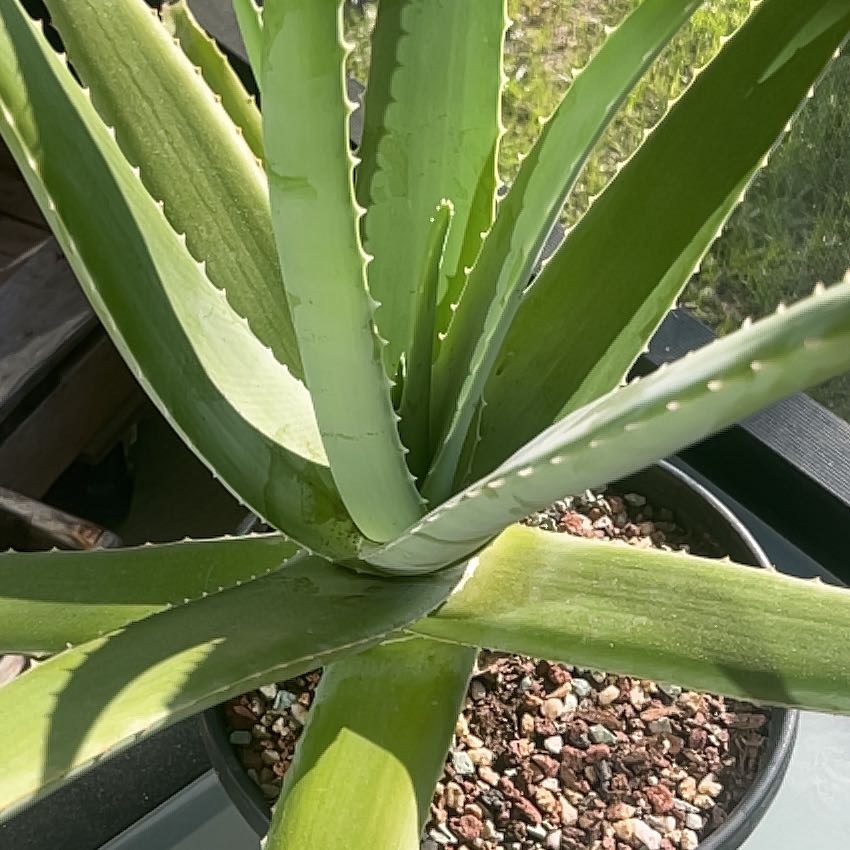
Aloe vera's striking silhouette and vibrant flowers are a magnet for wildlife. Its leaves, ranging from green to shades of red and pink, often feature unique patterns that catch the eye of various herbivores. The plant's succulent nature, with its moisture-rich leaves, offers a tempting bite for animals, especially during dry spells.
- Leaves: Green to red-pink, patterned with stripes or spots.
- Flowers: Tubular, bloom in summer, colors include orange, yellow, and red.
- Shoots: Young and tender, particularly appealing to herbivores.
πΊ Seasonal Attraction
The allure of Aloe vera to animals isn't static; it ebbs and flows with the seasons. During the summer, its flowers bloom predominantly at night, casting a siren call to nocturnal visitors like moths and bats. In contrast, the colder months may see a reduction in animal interest, as the plant's growth slows and fewer flowers are present.
- Summer: Night-blooming flowers attract nocturnal pollinators.
- Winter: Reduced flowering may lead to decreased animal activity.
- Year-round: Succulent leaves offer sustenance, especially in arid conditions.
Herbivore Interactions
Herbivores can both marvel at and munch on your Aloe vera, but recognizing who's been at the feast is key to plant protection.
π¦ Deer Damage
- Signs of deer presence include hoof prints, trampled vegetation, and Aloe vera leaves nibbled from the top.
- Deer can cause significant plant damage, stripping Aloe vera of its leaves and compromising its growth.
- Deterrence strategies:
- Install physical barriers such as fencing.
- Apply deer repellents with strong odors to dissuade them from approaching.
π Rabbit Intrusion
- Rabbit damage is evident from clean-cut damage on young shoots and leaves close to the ground.
- These furry herbivores can severely damage Aloe vera by eating new growth, which can stunt the plant's development.
- Control measures:
- Use chicken wire or garden netting to protect plants.
- Plant companion species that rabbits find unappealing to deter their interest.
πΏοΈ Squirrel Challenges
- Squirrel damage includes gnawed leaves and dug-up soil as they search for food or bury nuts.
- Squirrels can disturb the root system of Aloe vera, affecting its stability and nutrient uptake.
- Mitigation techniques:
- Offer alternative food sources to divert their attention.
- Secure the planting area with wire mesh or netting.
π¦ Bird Visitation
- Indicators of bird activity are pecked flowers or the presence of nests in larger Aloe vera plants.
- Birds generally have a neutral or beneficial interaction with Aloe vera, aiding in pollination.
- Protection methods:
- Encourage birds with bird feeders placed away from your Aloe vera.
- Use bird netting if necessary to protect the most attractive parts of the plant.
π Rodent Issues
- Signs of rodent presence include gnaw marks and burrows near the plant base.
- Rodents can chew through Aloe vera leaves and stems, causing significant plant damage.
- Rodent management:
- Keep the garden tidy to reduce hiding spots.
- Set up humane traps to capture and relocate rodents.
𦑠Groundhog/Woodchuck Habits
- Groundhog/woodchuck damage is visible as large, ragged bites taken out of leaves and stems.
- These animals can decimate an Aloe vera plant, eating both above and below ground parts.
- Exclusion tactics:
- Construct a fence that extends underground to prevent digging.
- Use natural repellents like garlic and pepper sprays to keep them at bay.
Ecological Role of Aloe vera
πΏ Aloe vera in the Ecosystem
Aloe vera, a succulent with remarkable resilience, plays a multifaceted role in its ecosystem. Its thick, water-storing leaves and shallow roots make it a champion of arid environments, contributing to soil stability and preventing erosion.
- The plant's nectar-rich flowers are a beacon for pollinators like bees and butterflies, vital for plant reproduction and biodiversity.
- Aloe vera's spiky foliage serves as a natural deterrent to many herbivores, balancing its attractiveness with a measure of protection.
This succulent's ability to close its stomata to conserve water during droughts exemplifies its adaptations to survive and thrive. Yet, it's not just about survival; Aloe vera's ecological contributions extend to nurturing wildlife, from providing nectar to modulating harsh environmental conditions for other flora.
Beneficial Fauna
π Pollinators' Contribution
Aloe vera's nectar-rich flowers are a beacon for bees and other pollinators, vital for the plant's reproduction and overall health. These insects perform the essential task of transferring pollen, ensuring the continued growth and genetic diversity of Aloe vera populations.
- Bees, with their varied characteristics, are particularly well-suited to pollinating Aloe vera.
- The presence of pollinators can indicate a thriving ecosystem, as they support not only Aloe vera but a multitude of other plant species.
π¦ Lizards and Pest Control
Lizards play a less visible but equally important role in the garden's balance, acting as natural pest controllers.
- By preying on insects that may harm Aloe vera, lizards help to maintain plant health.
- Their predatory activities contribute to the ecological equilibrium, preventing any one species from dominating the garden's delicate web of life.
Protection Strategies
π‘οΈ Deterrence and Management
Protecting your Aloe vera from herbivores requires a blend of vigilance and ingenuity. Here's how to keep common garden visitors at bay:
- Deer: Install fencing that's high enough to deter jumping or use deer repellents that emit scents they dislike.
- Rabbits: Create physical barriers with chicken wire around your Aloe vera or apply organic repellents.
- Squirrels: Sprinkle chili pepper flakes around the plants or set up motion-activated sprinklers.
- Birds: Use reflective tape or decoys to scare them away, and netting to prevent access.
- Rodents: Set up live traps and seal entry points to your garden.
- Groundhogs/Woodchucks: Bury a wire mesh fence at least a foot deep around your garden to prevent digging.
π Toxicity Considerations
While Aloe vera is a treasure trove of benefits for humans, it can be harmful to animals if ingested. Here are some toxicity considerations:
- Cats and Dogs: Aloe contains compounds like saponins and anthraquinones, which can cause gastrointestinal upset in pets.
- Livestock: If farm animals consume large quantities, they might experience similar symptoms, so keep Aloe vera out of their reach.
- Wildlife: While not a common food source for wildlife, it's important to monitor for any unusual behavior in animals that might have ingested the plant.
Always consult with a veterinarian if you suspect an animal has ingested Aloe vera, and consider using safe, non-toxic deterrents to prevent access to the plants.
β οΈ Safety First
This content is for general information and may contain errors, omissions, or outdated details. It is not medical, veterinary advice, or an endorsement of therapeutic claims.
Always consult a qualified healthcare professional before using any plant as food, medicine, or supplement.
Never eat any plant (or feed one to pets) without confirming its identity with at least two trusted sources.
If you suspect poisoning, call Poison Control (800) 222-1222, the Pet Poison Helpline (800) 213-6680, or your local emergency service immediately.
Spotted an error? Please report it here.