Erica baccans: A Comprehensive Overview 🌸
Erica baccans
By the Greg Editorial Team
Jan 23, 2025•9 min read
This article was created with the help of AI so we can cover more plants for you. May contain errors. See one? Report it here.
Elevate your garden with Erica baccans, a vibrant, low-maintenance plant that attracts pollinators and thrives effortlessly! 🌼
- 🌞 Erica baccans thrives in full sun to partial shade; choose its location wisely.
- 🌱 Acidic, well-drained soil with pH 5.5-6.5 is essential for optimal growth.
- 🐦🌼 Attracts pollinators and enhances landscapes with vibrant flowers; great for biodiversity!
How to Grow
🌞 Choosing a Location
When selecting a spot for Erica baccans, consider its sunlight needs. This plant thrives in full sun to partial shade, so find a location that offers a balance of light.
Space is also crucial. Ensure you allow enough room for the plant's mature spread and air circulation to promote healthy growth.
🌱 Soil Preparation
Next, focus on soil quality. Erica baccans prefers acidic, well-drained soils, which are essential for its health.
Aim for a pH level between 5.5 and 6.5 for optimal growth. Testing your soil beforehand can save you time and effort later.
🌿 Planting Techniques
Proper planting techniques set the foundation for success. Space your plants 2-3 feet apart to give them room to flourish.
When planting, ensure you place them at the same depth as they were in their nursery pot. This helps them acclimate quickly.
💧 Watering Requirements
Watering is vital, especially during the establishment phase. Regular watering is necessary until the plant is well-rooted, after which it becomes drought-tolerant.
Use deep watering methods to encourage robust root growth. This practice helps the plant thrive even in drier conditions.
🌼 Fertilizing
Fertilizing your Erica baccans is straightforward. Use a balanced, slow-release fertilizer to provide essential nutrients.
Schedule fertilization for early spring and mid-summer to keep your plant healthy and vibrant throughout the growing season.
✂️ Pruning
Pruning is an important part of ongoing care. The best time to prune is after flowering, as this encourages bushiness and new growth.
When pruning, focus on removing dead or damaged branches. This not only improves appearance but also promotes overall plant health.
🔍 Ongoing Care
Regular monitoring is key to maintaining a healthy plant. Check for pests and diseases frequently to catch any issues early.
Seasonal adjustments, like mulching in winter, can protect your Erica baccans from harsh conditions. This simple step can make a significant difference in its survival and vigor.
With these guidelines, you're well on your way to successfully growing Erica baccans in your garden. Next, let’s explore how to propagate this resilient plant for even more gardening joy.
Propagation
🌱 Seed Propagation
Growing Erica baccans from seeds is a rewarding process. Start by sowing seeds in spring and ensure they remain moist for optimal germination.
Germination typically takes about 2-4 weeks under the right conditions. Keeping the soil consistently damp will help your seeds sprout successfully.
✂️ Cutting Propagation
Another effective method is cutting propagation. For this technique, take 4-6 inch cuttings from healthy Erica baccans plants.
The best time for this is late spring to early summer when the plant is actively growing. This method allows you to create new plants quickly and efficiently.
With these propagation techniques, you can expand your Erica baccans collection and enjoy their beauty in various spots around your garden. Next, let’s explore the size of these charming plants and what influences their growth.
Size
Mature Height and Spread 🌱
Erica baccans typically reaches a height of 1 to 3 feet, making it a manageable addition to any garden. Its spread ranges from 2 to 3 feet wide, allowing for ample air circulation and space for growth.
Growth Rate and Factors Affecting Size 📈
This plant exhibits a moderate growth rate, which can be influenced by various factors such as soil quality and light exposure. Ensuring optimal conditions will help it thrive and reach its full potential.
Size Variability Based on Growing Conditions 🌍
The size of Erica baccans can vary significantly depending on its growing environment. For instance, plants in containers may not reach the same dimensions as those planted directly in garden beds, highlighting the importance of choosing the right setting for your plants.
Understanding these size dynamics can help you plan your garden layout effectively, ensuring that Erica baccans fits beautifully into your landscape. As we explore the benefits of this plant next, you'll see how its size complements its many advantages.
Benefits
🌼 Top 5 Benefits
1. Attracts Pollinators
Erica baccans is a magnet for pollinators like bees and birds. Their presence not only enhances the beauty of your garden but also boosts biodiversity.
2. Drought-Tolerant
Once established, this plant requires minimal water. Its drought-tolerant nature makes it an excellent choice for low-maintenance gardens.
3. Aesthetic Appeal
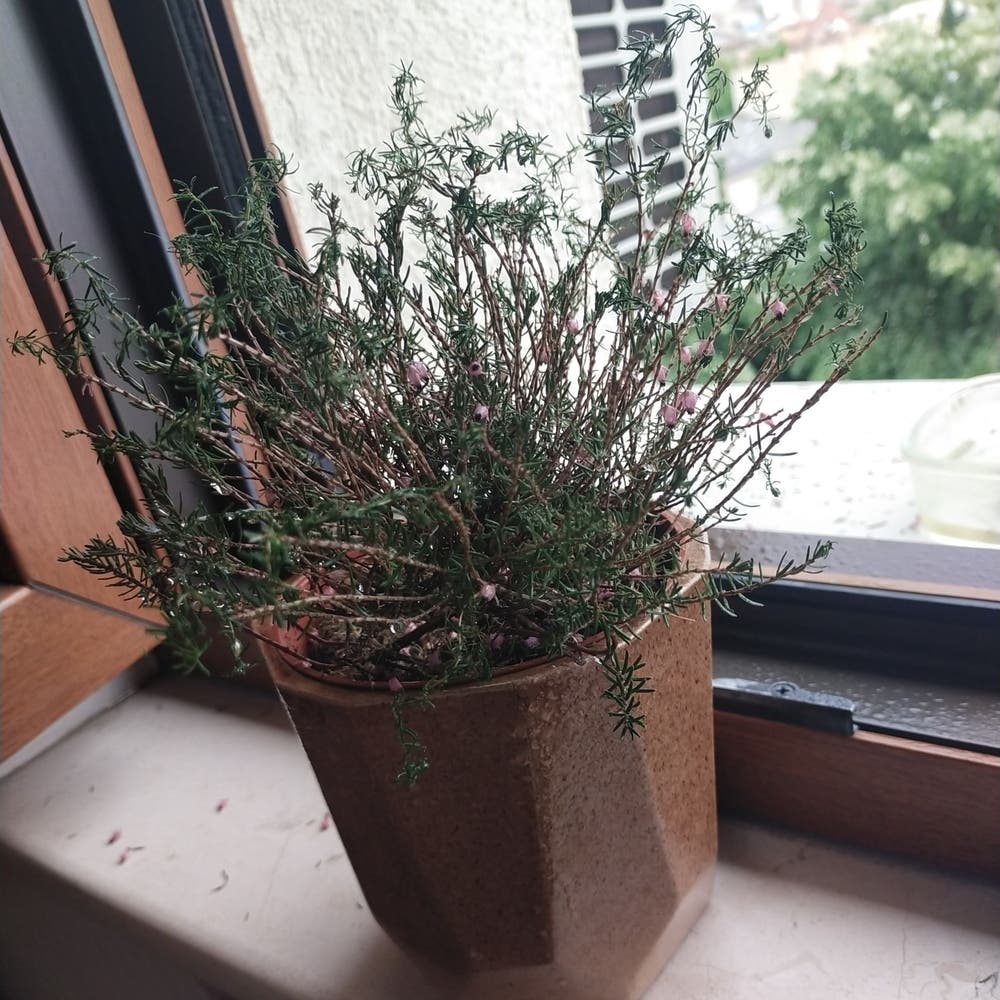
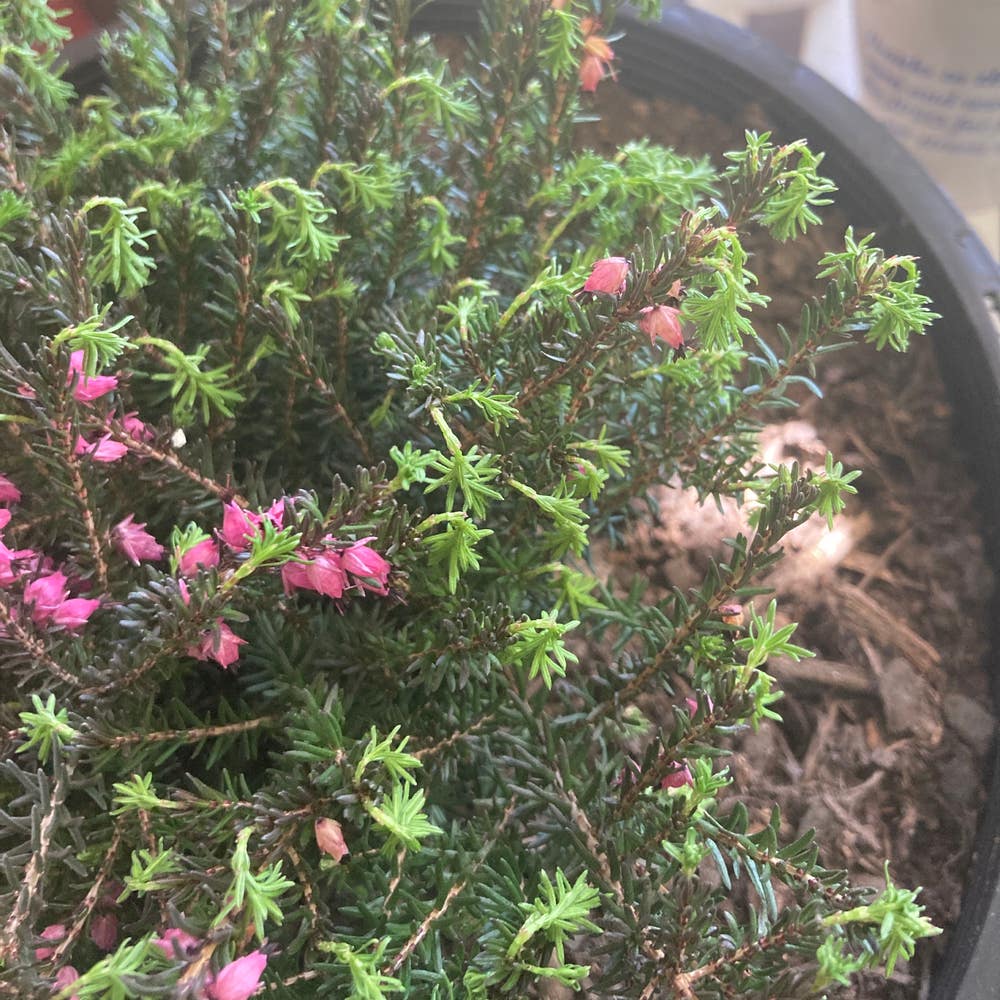
With its bright tubular flowers, Erica baccans adds vibrant color to any landscape. This visual appeal can transform your garden into a stunning focal point.
4. Erosion Control
This hardy plant helps stabilize soil, making it a great option for areas prone to erosion. Its root system holds the soil in place, protecting your garden from runoff.
5. Cultural Significance
In South Africa, Erica baccans symbolizes resilience. Incorporating it into your garden not only beautifies your space but also connects you to a rich cultural heritage.
These benefits make Erica baccans a fantastic addition to any garden. Whether you're looking to attract wildlife or enhance your landscape, this plant delivers on multiple fronts.
Next, let's explore the common problems you might encounter while growing Erica baccans.
Problems
Common Problems 🌱
Growing Erica baccans can be rewarding, but it’s essential to be aware of potential issues that may arise. Here are some common problems to watch for:
Incorrect Watering 🚰
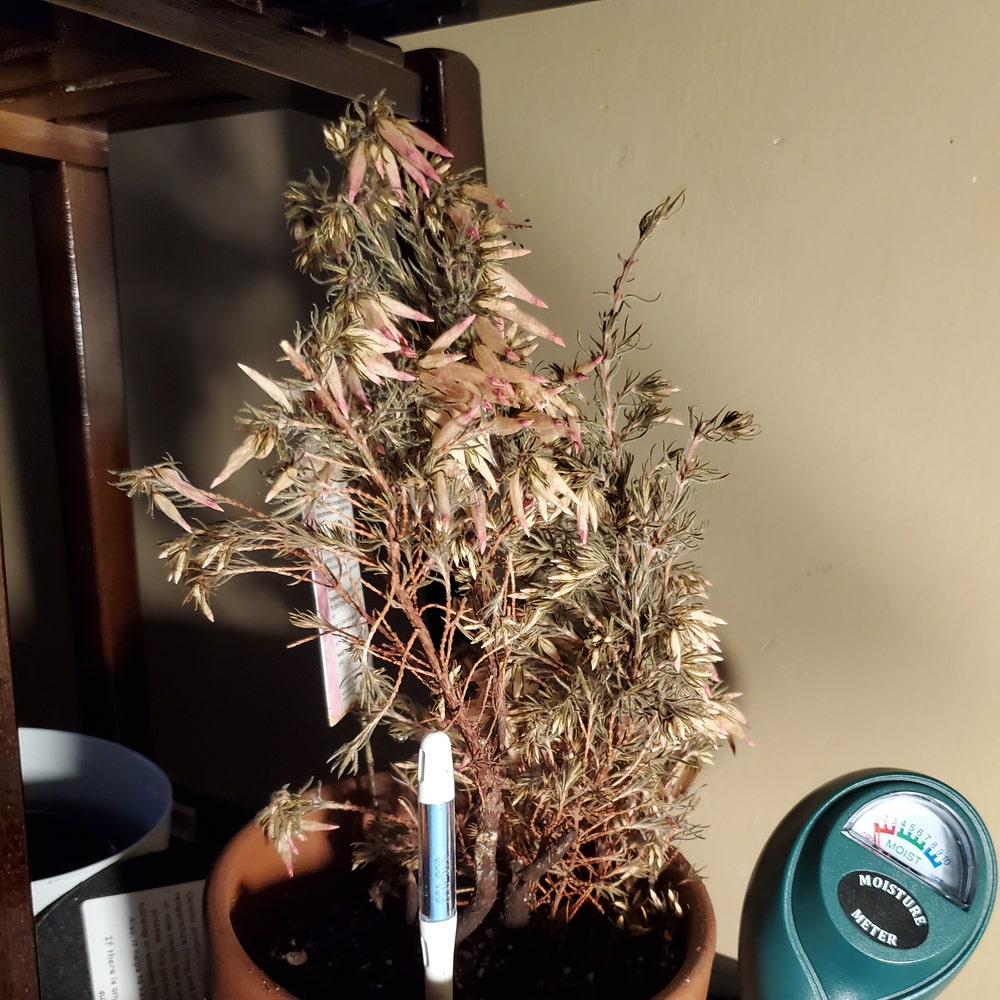
Watering is crucial for plant health. Overwatering often manifests as yellowing leaves, while underwatering leads to wilting and drooping.
Incorrect Light Conditions 💡
Light conditions play a significant role in growth. Insufficient light can cause leggy growth, whereas too much direct sunlight may scorch the leaves.
Incorrect Temperature 🌡️
Temperature fluctuations can stunt growth. Ideally, Erica baccans thrives in temperatures ranging from 60°F to 75°F.
Diseases 🦠
Fungal diseases, such as powdery mildew, can affect your plants. To prevent these issues, ensure good air circulation around your Erica baccans.
Leaf Issues 🍃
Leaf problems can signal underlying issues. Direct sun exposure may cause scorching, while yellowing leaves often indicate nutrient deficiencies.
By staying vigilant and addressing these common problems, you can ensure your Erica baccans remains healthy and vibrant. Next, let’s explore the potential pest issues that could affect your plants.
Bugs
Potential Pest Issues 🐜
While Erica baccans is generally pest-resistant, it can still fall victim to certain pests. Regular monitoring is key to catching any issues early.
Identification and Treatment of Specific Pests 🔍
Spider Mites
Look for fine webbing on leaves, a telltale sign of spider mites. Treat infestations promptly with insecticidal soap to protect your plants.
Scale Insects
If you notice a sticky residue on leaves, scale insects might be the culprit. You can remove them by hand or apply horticultural oil for effective control.
Mealybugs
These pests appear as cotton-like masses on stems. A simple treatment involves using alcohol-soaked cotton swabs to wipe them away.
By staying vigilant and addressing these common pests, you can keep your Erica baccans thriving and healthy. Next, let’s explore the plant's toxicity to humans, dogs, and cats to ensure a safe gardening experience.
Toxicity to Humans
When it comes to Erica baccans, safety is a key concern for many gardeners. Fortunately, this plant is not listed as toxic, and no significant health issues have been reported from handling or consuming it.
However, it's wise to be cautious. Some individuals may experience mild skin irritation or digestive discomfort if they consume large quantities.
If you notice any unusual symptoms after contact or consumption, it's best to seek medical advice. Staying informed helps ensure a safe and enjoyable gardening experience.
Toxicity to Dogs
When it comes to Erica baccans, dog owners can breathe easy. This plant is not listed as toxic, making it a safe choice for your furry companions.
However, moderation is key. While it's generally safe, consuming large quantities may lead to mild gastrointestinal upset in dogs.
🐶 Tips for Dog Owners
To keep your curious pups safe, consider these simple strategies:
- Placement: Position the plant out of reach to prevent any nibbling.
- Monitoring: Keep an eye on your dog's behavior around new plants to catch any unusual reactions early.
With these precautions, you can enjoy the beauty of Erica baccans in your garden without worrying about your canine friends.
As we explore further, let’s delve into the plant's safety for our feline companions.
Toxicity to Cats
Safety Overview 🐱
Erica baccans is not listed as toxic, making it a safe choice for your feline friends. You can enjoy the beauty of this plant without worrying about your cat's health.
Minor Issues 🤢
While generally safe, excessive consumption may lead to mild gastrointestinal upset. It's always best to monitor your cat's behavior around new plants.
Practical Tips 🛡️
To keep your curious cats safe, position Erica baccans where they can't easily access it. Regularly observe your pets for any unusual behavior, just to be on the safe side.
With these simple precautions, you can enjoy the vibrant presence of Erica baccans in your home or garden without concern for your furry companions. Next, let’s explore what animals might be interested in nibbling on this lovely plant.
What Eats
🦌 Common Animals That May Damage
When cultivating Erica baccans, be aware of the common culprits that might munch on your plants.
- Deer: These graceful creatures can leave behind chewed leaves and broken branches, signaling their presence.
- Rabbits: Look for signs of nibbling on the lower foliage, as these little critters love to snack on tender shoots.
- Squirrels: They may cause damage to flowers and buds, often leaving a trail of destruction in their wake.
🕵️♂️ Signs of Animal Presence and Damage
Identifying animal activity in your garden is crucial for protecting your plants.
- Tracks: Look for footprints in the soil or mulch.
- Droppings: Animal droppings can indicate which species are visiting.
- Chewed Plant Parts: Damaged leaves or stems can reveal the presence of hungry herbivores.
🚫 Deterrent Methods
To safeguard your Erica baccans from these hungry visitors, consider implementing various deterrent methods.
- Chemical Methods: Commercial repellents can be effective in keeping animals at bay.
- Organic Methods: Planting deterrent species or using physical barriers, like fences, can provide a natural solution.
By being proactive and observant, you can enjoy the beauty of Erica baccans without the worry of unwanted nibblers. Next, let’s explore the potential toxicity of this plant to pets, ensuring a safe environment for your furry friends.
⚠️ Safety First
This content is for general information and may contain errors, omissions, or outdated details. It is not medical, veterinary advice, or an endorsement of therapeutic claims.
Always consult a qualified healthcare professional before using any plant as food, medicine, or supplement.
Never eat any plant (or feed one to pets) without confirming its identity with at least two trusted sources.
If you suspect poisoning, call Poison Control (800) 222-1222, the Pet Poison Helpline (800) 213-6680, or your local emergency service immediately.
Spotted an error? Please report it here.
Unlock the full potential of your Erica baccans 🌼 with Greg's tailored care reminders and expert tips, ensuring it thrives in your garden while you enjoy its vibrant beauty!