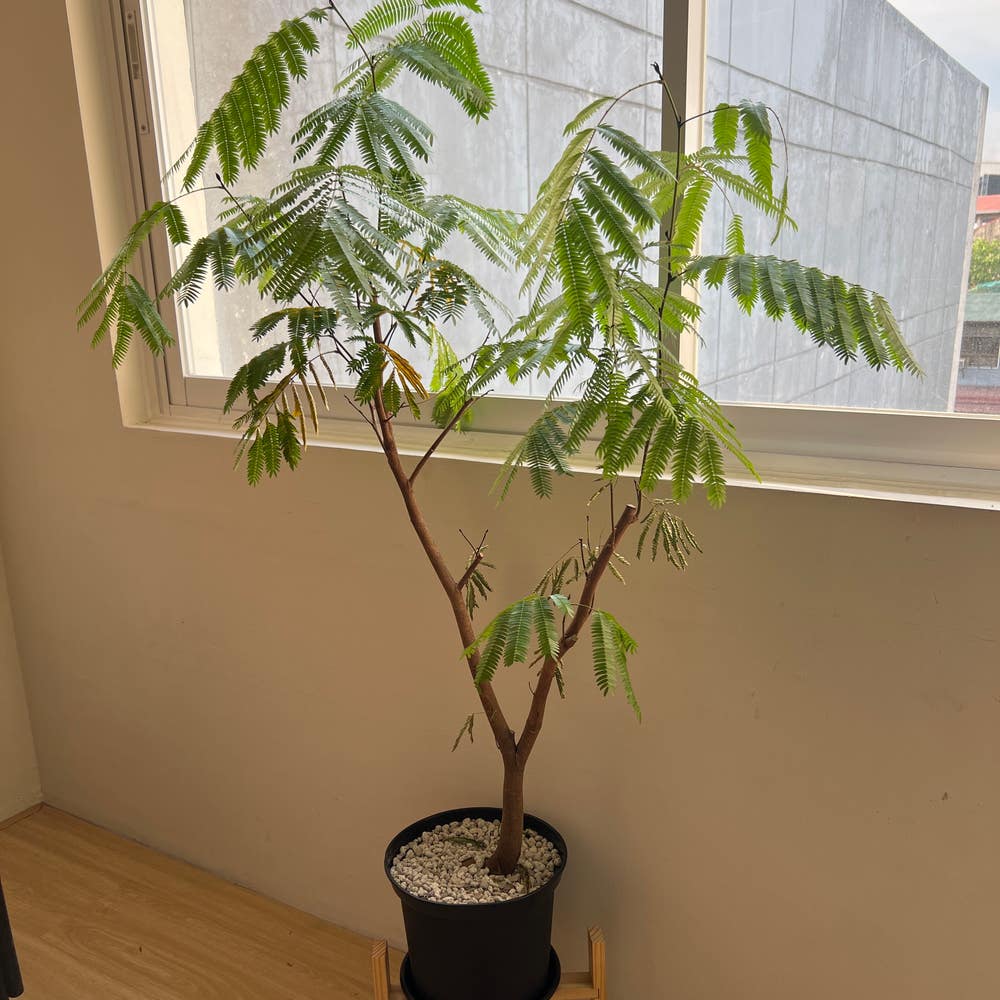
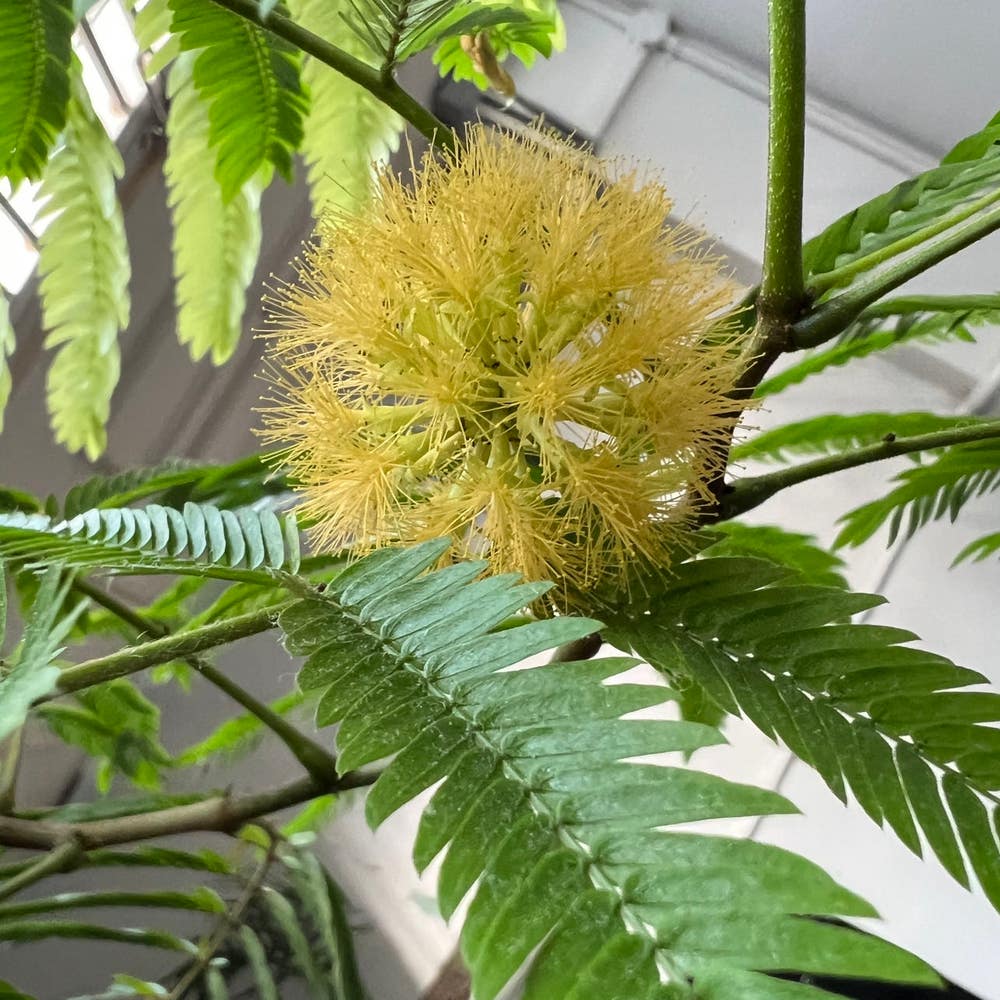
Bernier's Albizia: A Comprehensive Overview
Albizia bernieri
By the Greg Editorial Team
Feb 28, 2025•11 min read
This article was created with the help of AI so we can cover more plants for you. May contain errors. See one? Report it here.
Unlock the beauty of your garden with Bernier's Albizia—easy care tips for a stunning tree await! 🌳✨
- 🌞 Bernier's Albizia needs 6-8 hours of sunlight daily for optimal growth.
- 🌱 Well-drained, fertile soil with pH 6.0-7.0 is essential for healthy development.
- 🌳 Regular care and monitoring ensure the tree thrives and enhances your garden's beauty.
How to Grow
🌞 Choosing a Location
To thrive, Bernier's Albizia needs full sun, ideally receiving 6 to 8 hours of sunlight daily. Additionally, ensure there's ample space for its expansive canopy to spread without obstruction.
🌱 Soil Preparation
This tree flourishes in well-drained, fertile soil. Aim for a soil pH between slightly acidic and neutral, ideally around 6.0 to 7.0, to promote healthy growth.
🌳 Planting Techniques
When planting, ensure the tree is set at the same depth as it was in the nursery container. Space each tree 15 to 20 feet apart to allow for optimal growth and airflow.
💧 Watering Requirements
After planting, give your Albizia a deep watering to help establish its roots. Moving forward, water weekly during dry spells to keep the soil consistently moist.
🌿 Fertilizing Schedule
Use a balanced NPK fertilizer to nourish your tree. Apply it in early spring and again in mid-summer for the best results.
✂️ Pruning Methods
Light pruning helps maintain the tree's shape and structure. The best time for this is late winter or early spring, just before new growth begins.
🌼 Ongoing Care
For container-grown Albizia, ensure there are drainage holes and monitor moisture levels closely. If planted outdoors, consider mulching to retain soil moisture and suppress weeds, promoting a healthier environment for your tree.
With these guidelines, you'll set the stage for a thriving Bernier's Albizia. Next, let's explore how to propagate this beautiful tree effectively.
Propagation
🌱 Seed Propagation Steps
To start propagating Bernier's Albizia from seeds, begin with seed preparation. Soak the seeds in water for 24 hours to enhance germination.
Next, plant the seeds at a depth of 1/2 inch in well-draining soil. Under warm conditions, expect germination to take about 2-4 weeks.
✂️ Cutting Propagation Methods
If you prefer cutting propagation, select healthy stems that are 6-8 inches long. This method allows for quicker establishment compared to seeds.
Use a rooting medium that combines perlite and peat moss for optimal results. In a humid environment, the cuttings should root within 4-6 weeks.
With these propagation techniques, you can easily expand your collection of Bernier's Albizia. Now that you know how to propagate, let's explore the lifecycle of this fascinating plant.
Lifecycle
Lifecycle Stages 🌱
The lifecycle of Bernier's Albizia begins with germination, where seeds sprout within 2-4 weeks. Following this, the seedling stage features initial growth, showcasing developing leaves that signal the plant's vitality.
Vegetative Growth 🌿
Next comes the vegetative growth phase, characterized by rapid growth as the plant establishes its structure. This is an exciting time, as the Albizia can grow significantly, preparing for the next stage.
Flowering and Seed Production 🌸
Flowering typically occurs in late spring to summer, bringing beautiful blooms that attract pollinators. After flowering, seeds develop, completing the cycle and ensuring the continuation of this remarkable species.
Lifespan and Growth Timeline ⏳
Under optimal conditions, Bernier's Albizia boasts an impressive lifespan of 20-30 years. It takes approximately 3-5 years to reach full size, making it a relatively quick addition to your landscape.
Growth Rate 🚀
One of the standout features of this tree is its fast growth rate, which can reach up to 3 feet per year in ideal conditions. This rapid growth makes it an appealing choice for gardeners looking to establish a lush environment quickly.
With a solid understanding of the lifecycle, you're well-equipped to nurture Bernier's Albizia effectively. Next, let’s explore the size of this magnificent tree and what you can expect as it matures.
Size
Mature Height and Spread 🌳
Bernier's Albizia can reach impressive heights, typically growing between 20 to 40 feet tall. Its mature spread can extend from 30 to 50 feet, creating a stunning canopy that enhances any landscape.
Growth Rate and Size Variability 🚀
This tree is known for its rapid growth rate, often adding up to 3 feet per year under ideal conditions. However, the actual size can vary significantly based on environmental factors.
Factors Affecting Size ⚖️
Several key factors influence the overall size of Bernier's Albizia. Soil quality, sunlight exposure, and water availability all play crucial roles in determining how large and robust the tree will become.
Understanding these elements can help you create the perfect environment for your Albizia to thrive. With the right care, you can enjoy the full potential of this beautiful tree in your garden.
As we explore further, let’s dive into the fascinating lifecycle of Bernier's Albizia.
Roots
Characteristics of the Root System 🌱
Bernier's Albizia features a robust root system, characterized by a deep taproot complemented by fibrous lateral roots. This taproot can reach depths of up to 3 feet, allowing the tree to access moisture and nutrients effectively.
The spread of the roots often extends beyond the width of the canopy, providing stability and anchorage. This expansive root network is crucial for the tree's overall health and growth.
Common Root-Related Issues ⚠️
Root health is vital for the longevity of Bernier's Albizia. One common issue is root rot, which typically arises from overwatering. To prevent this, ensure proper drainage in the soil.
Another concern is squishy roots, which indicate poor health. Improving soil aeration can help mitigate this problem and promote a healthier root environment.
Identifying Healthy vs. Unhealthy Roots 🔍
Healthy roots are a sign of a thriving tree. They should be firm, white, and spread evenly throughout the soil.
In contrast, unhealthy roots may appear dark, mushy, or emit a foul smell. Recognizing these signs early can help you take corrective action before it's too late.
Recognizing Rootbound Conditions 🪴
Rootbound conditions can hinder the growth of your Bernier's Albizia. Signs include roots visibly growing out of the drainage holes of the pot.
If you notice this, it's time to repot the tree into a larger container or amend the soil to provide more space for the roots to thrive.
Understanding these root characteristics and issues is essential for maintaining a healthy Bernier's Albizia. Next, we will explore the numerous benefits this tree brings to your landscape.
Benefits
Ornamental Value 🌺
Bernier's Albizia is a showstopper in any garden. Its stunning flowers not only brighten up landscapes but also add a touch of elegance.
Shade Provider 🌳
With its broad canopy, this tree offers significant shade. It’s perfect for creating cool, comfortable outdoor spaces during hot summer days.
Nitrogen Fixation 🌱
One of the standout features of Bernier's Albizia is its ability to fix nitrogen. This natural process enriches the soil, promoting healthier plant growth.
Pollinator Attraction 🐝
This tree plays a vital role in supporting local ecosystems. By attracting bees and butterflies, it helps sustain biodiversity in your garden.
Fast Growth ⚡️
If you're looking for quick results, Bernier's Albizia is your go-to choice. It establishes rapidly, making it an excellent option for new gardens and landscapes.
These benefits make Bernier's Albizia not just a beautiful addition to your yard, but also a practical one. Next, let’s explore how to effectively propagate this remarkable tree.
Companion Plants
Explanation of Companion Planting 🌱
Companion planting is a gardening strategy that boosts diversity and improves pest management. By pairing plants that support each other, you can create a healthier garden ecosystem.
List of Beneficial Companion Plants 🌼
When growing Bernier's Albizia, consider these beneficial companions:
- Lavender: Attracts pollinators and repels pests with its strong scent.
- Marigold: Known for deterring nematodes and other harmful insects.
- Echinacea: Supports local wildlife and thrives in similar conditions.
These plants share care requirements and can enhance the overall health of your garden.
Plants to Avoid 🚫
It's wise to steer clear of heavy feeders like corn and potatoes. These plants compete for nutrients, potentially stunting the growth of your Albizia.
By choosing the right companions, you can create a thriving garden that benefits from natural pest control and improved soil health. This thoughtful approach not only enhances your landscape but also fosters a vibrant ecosystem.
Toxicity to Humans
Bernier's Albizia is generally safe for humans, as it is not listed as toxic by major poison control centers. However, it's wise to be cautious; consuming large quantities may lead to mild skin irritation or digestive discomfort.
If you experience any unusual symptoms after contact or consumption, seeking medical advice is recommended. Staying informed and cautious can help ensure a positive experience with this beautiful plant.
As you explore the wonders of Bernier's Albizia, remember that knowledge is your best ally in enjoying its beauty safely.
Toxicity to Dogs
Bernier's Albizia is not listed as toxic by major pet poison control centers, making it a relatively safe choice for dog owners. However, it's important to be aware that consuming large quantities may lead to mild gastrointestinal upset.
🏡 Introducing Bernier's Albizia to Your Home
When bringing this plant into your home, consider its placement carefully. Ensure it’s out of reach of curious pups, and monitor their behavior around it to prevent any potential issues.
By taking these simple precautions, you can enjoy the beauty of Bernier's Albizia while keeping your furry friends safe.
As we explore further, let’s look into how Bernier's Albizia affects our feline companions.
Toxicity to Cats
Bernier's Albizia is not considered toxic by major pet poison control centers. This means your feline friends can enjoy the garden without the risk of serious harm.
However, it's important to note that if cats consume large quantities, they may experience mild gastrointestinal upset. Keep an eye on your pet's behavior to ensure they’re feeling well.
🏡 Tips for Introducing to Homes
When bringing Bernier's Albizia into your home or garden, consider proper placement. Position the plant where your cat can admire it without being tempted to nibble.
Monitoring your cat's behavior around the plant is also crucial. This way, you can quickly address any minor issues that may arise.
With these precautions, you can enjoy the beauty of Bernier's Albizia while keeping your furry companions safe.
As we explore further, let’s look at the potential problems that can arise with this plant.
Problems
🌱 Common Problems Faced
Growing Bernier's Albizia can be rewarding, but it comes with its share of challenges. Understanding these common problems will help you maintain a healthy plant.
💧 Incorrect Watering
Watering is crucial for your Albizia's health. Overwatering can lead to root rot, while underwatering may cause wilting and stress.
☀️ Incorrect Light Conditions
Light is another vital factor. Insufficient sunlight can result in leggy growth, while too much direct sun may cause leaf scorch, leaving your plant looking frazzled.
🦠 Diseases
Fungal diseases can also pose a threat. Watch out for powdery mildew and blight, which can spread quickly if not addressed.
🌿 Root Problems
Root health is essential for overall plant vitality. Signs of root rot include dark, mushy roots, while squishy roots indicate poor aeration and drainage.
🍃 Leaf Issues
Lastly, keep an eye on your leaves. Yellowing can signal nutrient deficiencies or watering issues, while fuzzy growth may indicate a fungal infection.
By being proactive and observant, you can tackle these problems head-on and keep your Bernier's Albizia thriving. Next, let’s explore the pests that might disrupt your plant's growth.
Bugs
Potential Pest Issues 🐜
Bernier's Albizia is generally known for its moderate pest resistance, but it can still fall prey to a few common pests. Keeping an eye out for these nuisances is crucial to maintaining the health of your tree.
Identification and Treatment Options 🧪
Spider Mites
Look for fine webbing on leaves, which is a telltale sign of spider mites. Treat these pests with insecticidal soap to eliminate them effectively.
Scale Insects
If you notice a sticky residue on your leaves, scale insects might be the culprit. You can remove them manually or apply horticultural oil for control.
Mealybugs
These pests appear as cotton-like masses on your plant. A treatment of neem oil can help manage their population and protect your tree.
Aphids
Small green insects, aphids can cluster on new growth. Control them with insecticidal soap to keep your tree thriving.
Whiteflies
Tiny white insects that flutter around your plant can indicate a whitefly infestation. Use yellow sticky traps to monitor and manage their presence effectively.
By staying vigilant and addressing these pest issues promptly, you can ensure your Bernier's Albizia remains healthy and vibrant. Next, let's explore the common animals that may damage your tree and how to deter them effectively.
What Eats
Common Animals That May Damage 🦌
Bernier's Albizia can attract a variety of hungry critters. Deer, rabbits, squirrels, birds, rodents, and groundhogs are known to munch on its leaves and stems, potentially causing significant damage.
Signs of Animal Presence and Damage 🐾
Keep an eye out for signs of these visitors. Browsing on the leaves and stems, along with droppings or tracks nearby, can indicate that your Albizia is being targeted by local wildlife.
Deterrent Methods 🚫
To protect your plant, consider using deterrent methods.
- Chemical deterrents: Commercial repellents or homemade solutions can help keep animals at bay.
- Organic methods: Fencing around your plant or planting deterrent species nearby can also be effective strategies.
By implementing these measures, you can enjoy your Bernier's Albizia without the worry of unwanted nibblers.
Next, let’s explore the potential pest issues that can affect your plant.
⚠️ Safety First
This content is for general information and may contain errors, omissions, or outdated details. It is not medical, veterinary advice, or an endorsement of therapeutic claims.
Always consult a qualified healthcare professional before using any plant as food, medicine, or supplement.
Never eat any plant (or feed one to pets) without confirming its identity with at least two trusted sources.
If you suspect poisoning, call Poison Control (800) 222-1222, the Pet Poison Helpline (800) 213-6680, or your local emergency service immediately.
Spotted an error? Please report it here.
Nurture your Bernier's Albizia to stunning heights 🌳 with Greg's tailored care reminders and expert tips, ensuring it thrives beautifully in your garden for years to come!