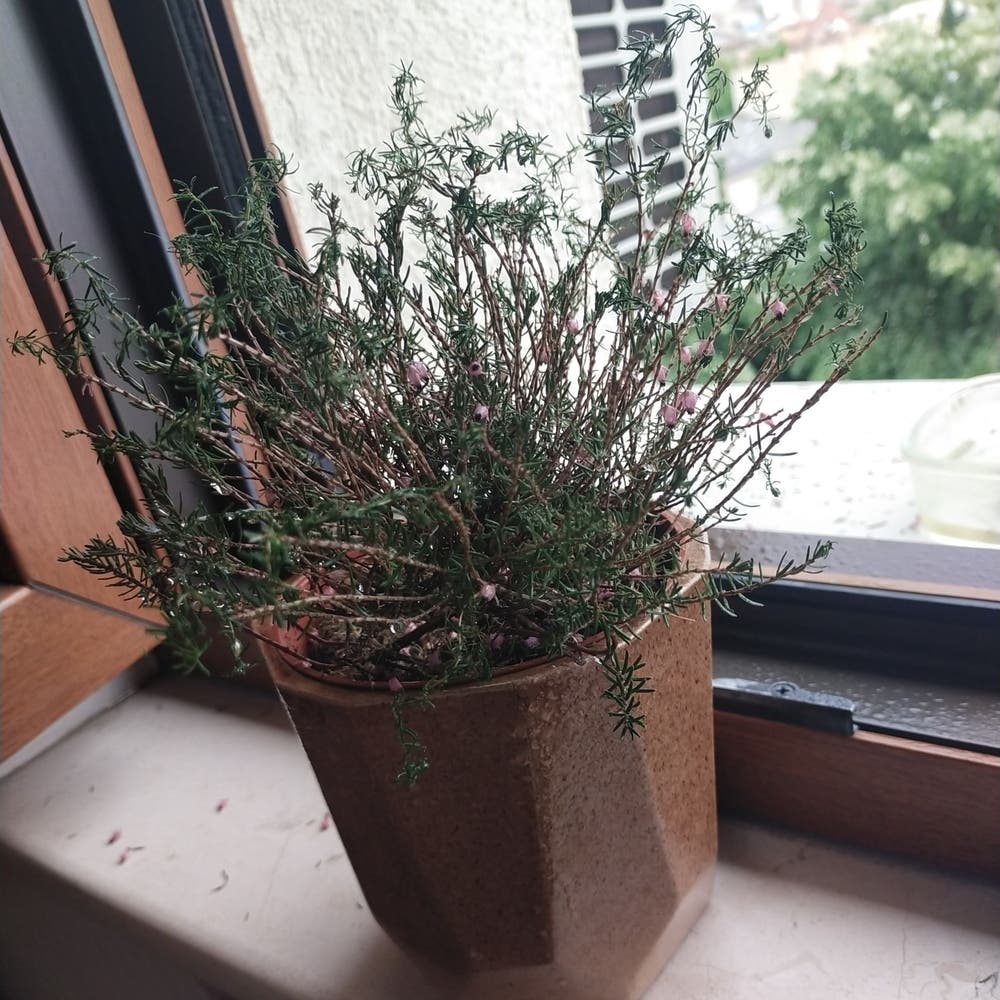
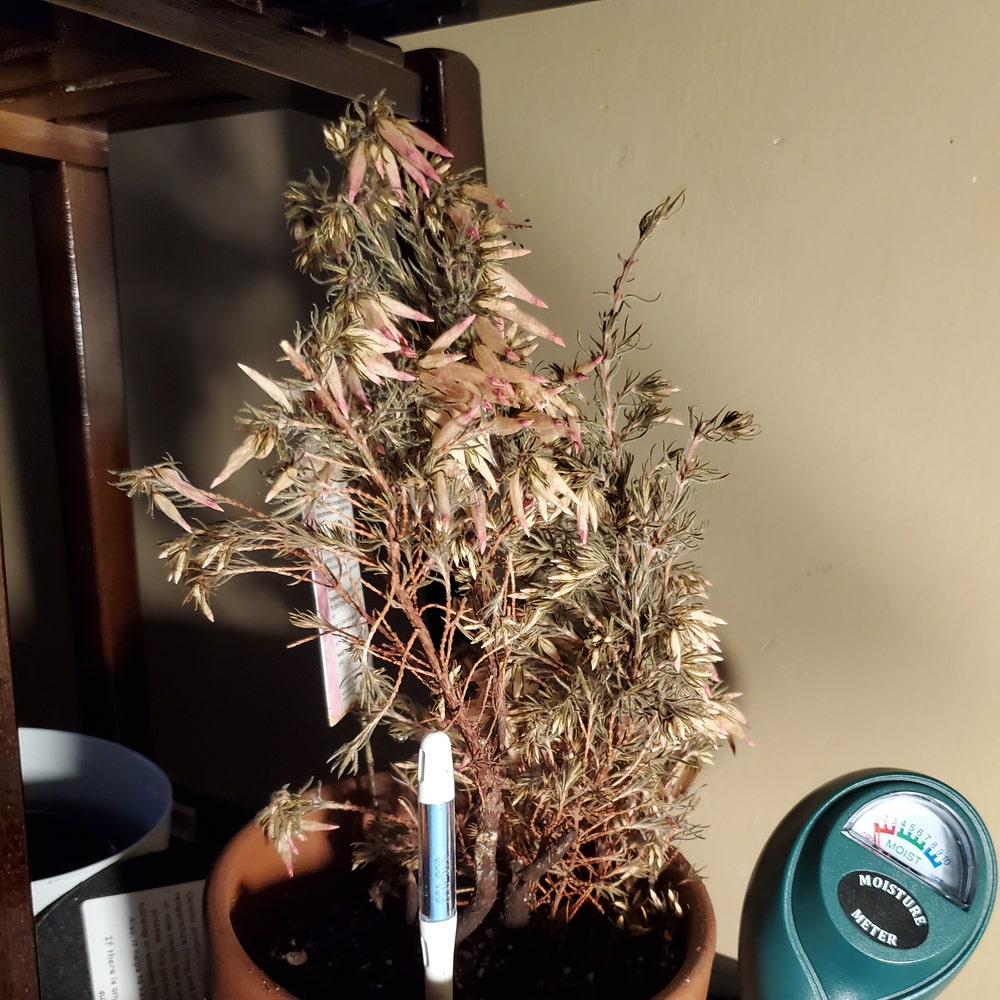
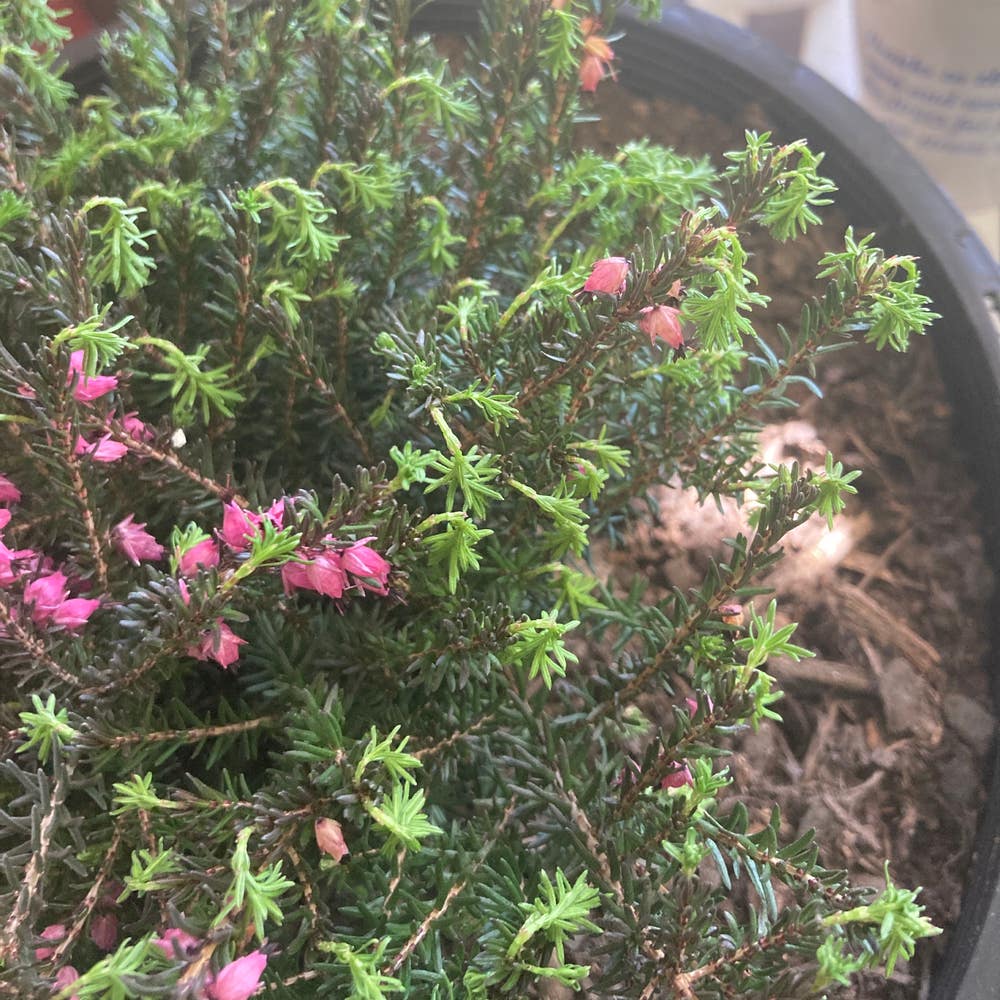
🌼 Ultimate Guide to Bell Heather 'Guernsey Lime'
Erica cinerea 'Guernsey Lime'
By the Greg Editorial Team
Feb 06, 2025•12 min read
This article was created with the help of AI so we can cover more plants for you. May contain errors. See one? Report it here.
Discover how to cultivate the stunning Bell Heather 'Guernsey Lime' for a vibrant garden! 🌼
- 🌞 Bell Heather 'Guernsey Lime' thrives in full sun, needing 6-8 hours daily.
- 🌱 Prefers acidic, well-draining soil; enhance with peat moss or pine needles.
- 🐾 Safe for pets and humans, with only mild gastrointestinal upset if ingested.
How to Grow
Choosing a Location 🌞
To thrive, Bell Heather 'Guernsey Lime' needs full sun exposure for at least 6-8 hours daily. Additionally, it's crucial to protect the plants from strong winds and frost, which can hinder their growth.
Soil Preparation 🌱
This plant prefers acidic, well-draining soil with a pH between 4.5 and 6.0. To enhance soil acidity, consider incorporating peat moss or pine needles into your planting area.
Planting Techniques 🌿
When planting, ensure the root ball is level with the soil surface to promote healthy growth. Space the plants 12-18 inches apart to allow for optimal air circulation, reducing the risk of disease.
Watering Requirements 💧
Regular watering is essential to maintain consistent moisture, especially during dry spells. Watch for signs of overwatering, such as yellowing leaves and root rot, which can be detrimental to your plant's health.
Fertilizing Schedule 🌼
In early spring, apply a slow-release, acid-loving plant fertilizer to give your Bell Heather a nutrient boost. Fertilize once a year during the growing season to support robust growth.
Pruning Methods ✂️
Prune your Bell Heather after flowering to encourage bushier growth and maintain its shape. Focus on removing dead or damaged branches and spent flowers to keep the plant healthy.
Ongoing Care Tips 🪴
For container care, ensure your pots have drainage holes and use a suitable potting mix to prevent waterlogging. If growing outdoors, monitor for pests and diseases, and apply mulch to help retain moisture and suppress weeds.
With these guidelines, your Bell Heather 'Guernsey Lime' will flourish, adding vibrant color and texture to your garden. Next, let’s explore how to propagate this beautiful plant effectively.
Propagation
🌱 Seed Propagation Steps
To propagate Bell Heather 'Guernsey Lime' from seeds, start by collecting seeds from mature flowers in late summer. Next, stratify the seeds by placing them in the refrigerator for 4-6 weeks to mimic winter conditions.
Once stratification is complete, sow the seeds in a seed tray filled with an acidic soil mix. Keep the soil moist to encourage germination.
✂️ Cutting Propagation Methods
Cutting propagation is another effective method. In late spring, take 4-6 inch cuttings from healthy stems, ensuring they are vigorous and disease-free.
Dip the cuttings in rooting hormone to promote root growth, then plant them in a well-draining medium. Cover the cuttings with a plastic cover to maintain humidity until roots develop.
🌿 Division Propagation Techniques
Dividing established plants is a straightforward way to propagate. Dig up the plants in early spring or fall when they are not actively growing.
Carefully separate the root ball into sections, ensuring each division has roots and shoots. Replant the divisions immediately in prepared soil to help them establish quickly.
This propagation knowledge allows you to expand your Bell Heather collection or share with friends. Next, let’s explore the lifecycle of this beautiful plant.
Lifecycle
🌱 Lifecycle Stages
Bell Heather 'Guernsey Lime' is a resilient perennial plant that can thrive for several years. Its lifecycle is marked by distinct stages that contribute to its growth and beauty.
🌼 Germination Process
The germination process typically takes about 2-3 weeks under optimal conditions, which include warmth and moisture. This is the crucial first step in bringing new life to your garden.
🌿 Seedling Stage Development
After germination, seedlings develop over a duration of 4-6 weeks. During this time, they prepare for their transition to the outdoors.
🌳 Vegetative Growth Phase
The vegetative growth phase occurs from late spring to early summer. This period is characterized by vigorous leaf development, setting the stage for future flowering.
🌸 Flowering and Seed Production
Flowering happens in late summer to early fall, showcasing beautiful bell-shaped flowers. This stage not only enhances the garden's aesthetic but also leads to seed production for future generations.
⏳ Lifespan and Growth Rate Specifics
Bell Heather 'Guernsey Lime' takes approximately 2-3 years to reach its full size. Its growth rate is moderate, averaging 6-12 inches annually, making it a steady addition to any landscape.
With a clear understanding of its lifecycle, you can better appreciate the journey of Bell Heather 'Guernsey Lime' from seed to stunning perennial. Next, let’s explore how to maximize its growth and health through proper care and maintenance.
Size
🌱 Mature Height and Spread
Bell Heather 'Guernsey Lime' typically reaches a mature height of 12 to 24 inches. Its spread can range from 18 to 24 inches, making it a compact yet vibrant addition to your garden.
📈 Growth Rate Analysis
Under ideal conditions, expect an average growth rate of 6 to 12 inches per year. This moderate growth allows for a gradual establishment, giving you time to appreciate its beauty as it matures.
📏 Size Variability Based on Conditions
Several factors influence the size of your Bell Heather. Soil quality, watering practices, and sunlight exposure all play crucial roles in determining how robust your plant will grow.
In well-draining, acidic soil with ample sunlight, you’ll likely see the best results. Conversely, neglecting these conditions can stunt growth and affect overall health.
Understanding these variables helps you create the perfect environment for your Bell Heather to thrive. As you cultivate this plant, keep an eye on its surroundings to ensure it reaches its full potential.
With the right care, your Bell Heather 'Guernsey Lime' will not only grow but flourish, adding a splash of color to your landscape.
Roots
Root System Characteristics 🌱
Bell Heather 'Guernsey Lime' features a fibrous root system. This structure is essential for efficient nutrient absorption, allowing the plant to thrive in various conditions.
Depth and Spread of Roots 📏
The roots typically extend 12-18 inches deep. Interestingly, they can spread wider than the plant's canopy, helping stabilize the plant and access more nutrients.
Common Root-Related Issues ⚠️
One of the most common problems is root rot, often caused by overwatering. Signs to watch for include wilting leaves and mushy roots, which indicate that the plant is struggling.
Identifying Healthy vs. Unhealthy Roots 🔍
Healthy roots are firm and exhibit a white or light tan color. In contrast, unhealthy roots appear dark, mushy, or may even emit a foul smell, signaling that something is wrong.
Recognizing Rootbound Plants and Solutions 🪴
If you notice roots growing out of the drainage holes, your plant may be rootbound. The best solutions are to repot the plant into a larger container or divide it to promote healthy growth.
Understanding the root system of Bell Heather 'Guernsey Lime' is crucial for its care and longevity. With proper attention to these aspects, you can ensure your plant remains vibrant and healthy.
Benefits
Top 5 Benefits 🌟
Ornamental Appeal
Bell Heather 'Guernsey Lime' is a stunning addition to any garden. Its vibrant color brings life and beauty, making it a favorite among garden enthusiasts.
Low Maintenance
Once established, this plant requires minimal care. It's perfect for busy gardeners who want a beautiful landscape without the hassle.
Attracts Pollinators
The lovely flowers of Bell Heather attract bees and butterflies. This not only enhances your garden's beauty but also supports local ecosystems.
Erosion Control
This hardy plant helps stabilize soil in gardens. Its root system prevents erosion, making it a practical choice for sloped areas.
Cultural Significance
In folklore, Bell Heather is associated with protection and good luck. Planting it can add a touch of tradition and charm to your outdoor space.
These benefits make Bell Heather 'Guernsey Lime' a fantastic choice for any gardener looking to enhance their landscape. With its beauty and practicality, it's hard to resist adding this perennial gem to your collection.
As you consider incorporating this plant into your garden, let's explore how to propagate it effectively.
Companion Plants
Concept of Companion Planting 🌱
Companion planting is a gardening strategy that enhances diversity, pest management, and overall plant health. By choosing the right companions, you can create a thriving ecosystem that benefits all plants involved.
Best Companion Plants 🌼
When it comes to Bell Heather 'Guernsey Lime', consider pairing it with other heathers, ferns, and low-growing perennials. These plants share similar soil and light requirements, making them ideal companions that can thrive together.
Plants to Avoid 🚫
On the flip side, steer clear of heavy feeders like tomatoes and corn. These plants compete for nutrients, which can hinder the growth of your Bell Heather and lead to poor overall health.
By carefully selecting companion plants, you can create a harmonious garden that not only looks great but also supports the health of your Bell Heather. Next, let’s explore the potential toxicity of this beautiful plant to humans and pets.
Toxicity to Humans
Bell Heather 'Guernsey Lime' is generally safe for humans and is not listed as toxic by major poison control centers.
However, if consumed in large quantities, it may cause mild skin irritation or digestive discomfort.
⚠️ Cautionary Measures
It's always wise to exercise caution with any plant. If you experience unusual symptoms after contact or consumption, seek medical advice promptly.
This plant can be a beautiful addition to your garden without the worry of toxicity, allowing you to enjoy its vibrant presence with peace of mind.
As you explore the wonders of Bell Heather, remember to appreciate its beauty while being mindful of your interactions with it.
Toxicity to Dogs
Bell Heather 'Guernsey Lime' is generally safe for dogs, as it is not listed as toxic by major pet poison control centers. However, if your furry friend decides to munch on it, there could be minor issues like mild gastrointestinal upset if they ingest large quantities.
🐶 Monitoring Your Dog
To keep your dog safe, it's wise to keep this plant out of their reach. Always monitor their behavior around the garden, especially if they show interest in nibbling on the foliage.
📋 Key Takeaways
- Non-toxic: No major toxicity concerns for dogs.
- Possible mild upset: Large amounts may cause gastrointestinal issues.
- Preventive measures: Keep plants out of reach and observe your pet's behavior.
This knowledge can help you enjoy your garden while ensuring your canine companion stays healthy and happy. Next, let’s explore how Bell Heather 'Guernsey Lime' interacts with our feline friends.
Toxicity to Cats
Bell Heather 'Guernsey Lime' is considered safe for cats, as it is not listed as toxic by major pet poison control centers. However, if ingested in large quantities, it may cause mild gastrointestinal upset.
👀 Monitoring Your Cat
It's always a good idea to keep an eye on your cat's behavior around plants. If you notice any unusual symptoms, consult your veterinarian for advice.
🛡️ Keeping Plants Safe
To prevent any potential issues, place your Bell Heather out of reach of curious paws. This simple step can help ensure your feline friend stays happy and healthy.
Problems
Common Problems 🌱
Bell Heather 'Guernsey Lime' can face several challenges that affect its health and growth.
- Incorrect watering: Underwatering leads to wilting, while overwatering causes yellowing leaves.
- Incorrect light conditions: Too much sun can scorch leaves, whereas insufficient light results in leggy growth.
- Diseases: Fungal issues like powdery mildew and rust can take hold if conditions are not ideal.
- Root problems: Poor drainage often results in root rot, which can be detrimental to the plant.
- Leaf issues: Yellowing or fuzzy growth may indicate stress from environmental factors.
Identifying Symptoms 🔍
Recognizing the signs of distress in your Bell Heather is crucial for timely intervention.
- Visual cues: Look for wilting, discoloration, and stunted growth as indicators of underlying problems.
Solutions for Common Issues 🛠️
Addressing these issues promptly can help restore your plant's health.
- Adjust watering practices: Ensure you are neither overwatering nor underwatering.
- Improve drainage: This can prevent root rot and promote healthier roots.
- Provide adequate light: Ensure your plant receives the right amount of sunlight to thrive.
By staying vigilant and proactive, you can keep your Bell Heather 'Guernsey Lime' flourishing. Next, let’s explore the potential pest issues that could threaten your plant's well-being.
Bugs
🐛 Potential Pest Issues
While Bell Heather 'Guernsey Lime' is generally pest-resistant, it can still fall prey to a few specific pests. Keeping an eye out for these invaders is crucial to maintaining the health of your plants.
🔍 Identification of Specific Pests
Spider Mites: Look for fine webbing and stippled leaves, which indicate these tiny pests are at work. They thrive in dry conditions and can quickly damage your plant if not addressed.
Mealybugs: These pests appear as white, cottony masses on stems and leaves. They suck sap from the plant, weakening it over time.
⚠️ Damage Caused by Pests
Pests can cause significant leaf damage, leading to stunted growth and overall decline of your Bell Heather. If left unchecked, they can severely impact the plant's vitality.
🧪 Effective Treatment Options
To combat these pests, consider using neem oil or insecticidal soap. Both options are effective and less harmful to beneficial insects.
Additionally, introducing beneficial insects, like ladybugs, can help keep pest populations in check. Regular monitoring and prompt action will ensure your Bell Heather remains healthy and vibrant.
What Eats
Common Animals 🦌
Bell Heather 'Guernsey Lime' can attract a few hungry visitors. Deer, rabbits, and groundhogs are known to munch on this vibrant plant, making it essential to keep an eye on your garden.
Signs of Animal Presence 🐾
Identifying these critters is easier than you might think. Look for browsing marks on leaves and droppings near the plant, which can indicate that your Bell Heather is a tasty treat for local wildlife.
Types of Damage ⚠️
The damage caused by these animals can be quite noticeable. You may find leaf stripping and stunted growth, which can hinder the plant's overall health and beauty.
Deterrent Methods 🚫
Fortunately, there are several effective ways to protect your Bell Heather. Consider using fencing, applying repellents, or planting deterrent species nearby to keep these hungry animals at bay.
By taking these precautions, you can enjoy the beauty of your Bell Heather without the worry of it becoming a snack for local wildlife.
⚠️ Safety First
This content is for general information and may contain errors, omissions, or outdated details. It is not medical, veterinary advice, or an endorsement of therapeutic claims.
Always consult a qualified healthcare professional before using any plant as food, medicine, or supplement.
Never eat any plant (or feed one to pets) without confirming its identity with at least two trusted sources.
If you suspect poisoning, call Poison Control (800) 222-1222, the Pet Poison Helpline (800) 213-6680, or your local emergency service immediately.
Spotted an error? Please report it here.
Grow your Bell Heather 'Guernsey Lime' like a pro 🌱 with Greg's tailored care reminders and expert tips to ensure your garden flourishes effortlessly!