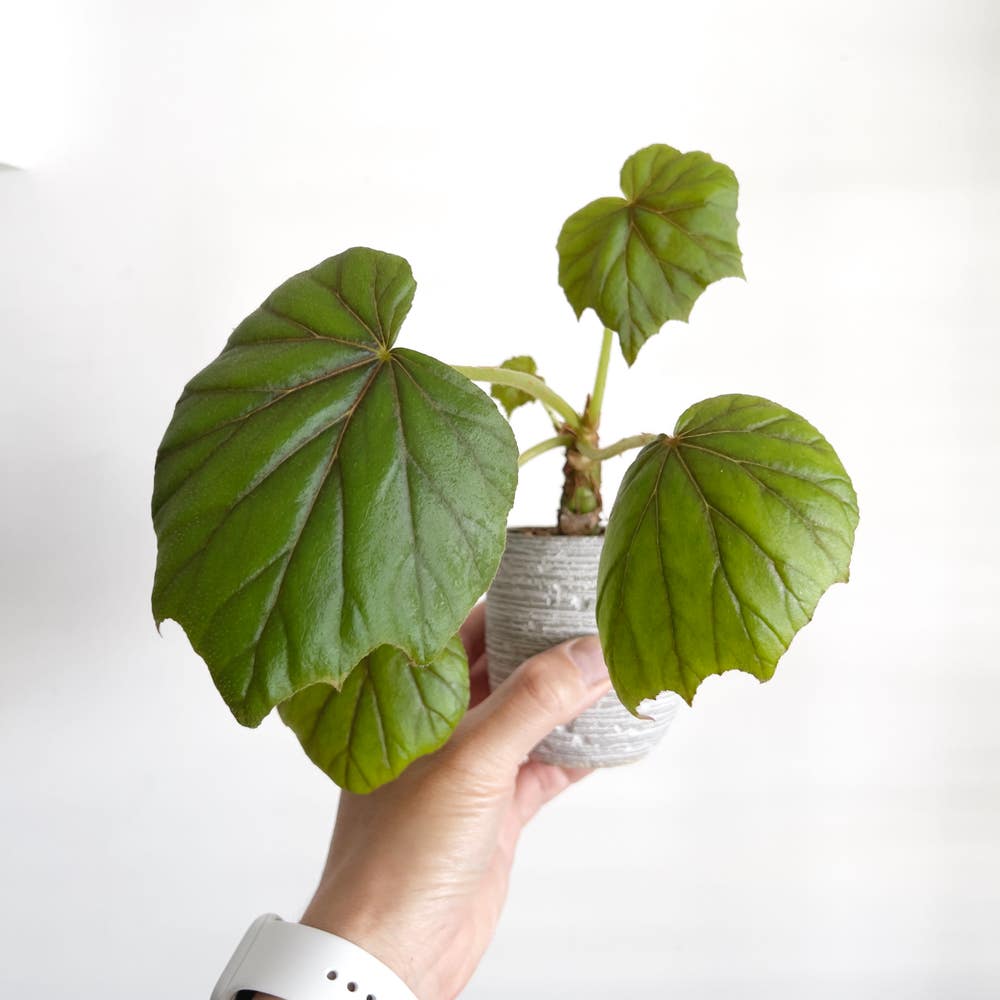
What You Should Know About Begonia popenoei
Begonia popenoei
By the Greg Editorial Team
Jan 10, 2025•11 min read
This article was created with the help of AI so we can cover more plants for you. May contain errors. See one? Report it here.
Discover how to effortlessly grow and propagate the stunning Begonia popenoei for a vibrant, air-purifying home! 🌱✨
- 🌞 Begonia popenoei thrives in bright, indirect sunlight and high humidity for optimal growth.
- 🌱 Use well-draining, slightly acidic soil for healthy Begonia popenoei roots and growth.
- ⚠️ All parts are toxic to pets and humans; seek help if ingested.
How to Grow
Choosing a Location 🌞
Begonia popenoei thrives in bright, indirect sunlight. Aim for a temperature range of 18°C to 24°C (65°F to 75°F) and ensure high humidity levels of 50% or higher for optimal growth.
Soil Preparation 🌱
Use a well-draining potting mix enriched with organic matter. The ideal soil pH should be slightly acidic to neutral, ranging from 5.5 to 7.0, and always include drainage holes in pots or raised beds to prevent waterlogging.
Planting Techniques 🌿
When planting outdoors, space your begonias 12-18 inches apart to allow for growth. Ensure you plant them at the same depth as they were in their nursery pots for best results.
Watering Requirements 💧
Water your begonia when the top inch of soil feels dry to the touch. Make sure to water thoroughly until it drains from the bottom, ensuring the roots receive adequate moisture.
Fertilizing Schedule 🌼
Opt for a balanced, water-soluble fertilizer with an NPK ratio of 10-10-10. Fertilize every 4-6 weeks during the growing season to keep your plant healthy and vibrant.
Pruning and Ongoing Care ✂️
Prune your begonia after flowering or to remove any dead leaves. Use clean, sharp scissors to cut back any leggy growth, promoting a fuller and healthier plant.
These steps will set you on the right path to cultivating a thriving Begonia popenoei. Next, let’s explore how to propagate this beautiful plant and expand your collection!
Propagation
🌱 Methods of Propagation
Propagation of Begonia popenoei can be achieved through several effective methods. The most common techniques include:
- Leaf cuttings: Choose healthy leaves and cut them into sections.
- Stem cuttings: Select 4-6 inch healthy stems that have leaves.
- Division: Separate clumps during repotting to create new plants.
📋 Step-by-Step Instructions
To successfully propagate your Begonia popenoei, follow these straightforward steps:
- Leaf cuttings: Place the cut sections in moist soil and cover them with plastic to maintain humidity.
- Stem cuttings: Dip the cut ends in rooting hormone, plant them in soil, and keep the soil moist.
- Division: Carefully separate the roots and replant them in fresh soil.
🌿 Ideal Conditions for Successful Propagation
For optimal propagation success, create an environment that mimics the plant's natural habitat.
- Temperature: Aim for warm temperatures around 21°C (70°F).
- Humidity: Maintain high humidity levels and provide indirect light to encourage healthy growth.
By following these guidelines, you can easily propagate Begonia popenoei and expand your collection. Next, let’s explore the size characteristics of this beautiful plant.
Size
Mature Height and Spread 🌱
Begonia popenoei typically reaches a mature height of 12 to 24 inches (30 to 60 cm). Its spread ranges from 12 to 18 inches (30 to 45 cm), making it a compact yet striking addition to any garden or indoor space.
Growth Rate and Factors Affecting Size 📈
The growth rate of Begonia popenoei is significantly influenced by its environment. Factors such as light, water, and nutrient availability play crucial roles in determining how quickly and robustly this plant grows.
Indoor conditions often lead to slower growth compared to outdoor settings, where natural light and moisture can be more abundant. Therefore, understanding these variables can help you optimize your plant's size and health.
In summary, providing the right conditions can enhance the growth and overall vitality of your Begonia popenoei. With proper care, you can enjoy a flourishing plant that adds beauty to your surroundings.
As we explore further, let’s dive into the root characteristics of this fascinating plant.
Roots
🌱 Characteristics of the Root System
Begonia popenoei features a fibrous root system that is essential for its growth. These roots are typically shallow, extending only 6-12 inches deep, but can spread laterally up to 12 inches.
⚠️ Common Root-Related Issues
Root health is crucial for the overall vitality of your Begonia. Common issues include root rot, which arises from overwatering and poor drainage, and rootbound conditions, where roots fill the pot and restrict growth.
👀 Visual Cues for Healthy vs. Unhealthy Roots
Identifying root health is straightforward. Healthy roots are firm, white, and spread evenly throughout the soil, while unhealthy roots appear dark, mushy, or emit a foul smell.
🛠️ Tips for Managing Root Problems
To manage root issues effectively, keep an eye out for signs of rootbound plants, such as roots growing out of drainage holes. If you notice this, it's time to repot your Begonia into a larger container with fresh soil to encourage healthy growth.
With proper attention to the roots, your Begonia popenoei will thrive, setting the stage for vibrant foliage and blooms. Next, let’s explore the benefits of this stunning plant!
Benefits
Top 5 Benefits 🌟
Aesthetic Appeal
Begonia popenoei is a visual delight. Its unique foliage brings a splash of beauty to any space, making it a favorite among plant enthusiasts.
Air Purification
This plant does more than just look good; it also helps improve indoor air quality. By filtering out toxins, it contributes to a healthier living environment.
Low Maintenance
Once established, Begonia popenoei requires minimal care. This makes it an excellent choice for both novice and busy gardeners.
Versatile Use
Whether indoors or outdoors, this plant fits right in. Its adaptability allows it to thrive in various settings, enhancing any garden or home decor.
Cultural Significance
In some cultures, Begonia popenoei symbolizes good luck and prosperity. Adding this plant to your collection can bring a touch of positive energy to your space.
These benefits make Begonia popenoei a fantastic addition to any plant lover's repertoire. Next, let’s explore the best companion plants to pair with this beauty for an even more vibrant garden.
Companion Plants
🌱 Explanation of Companion Planting
Companion planting is a gardening technique that enhances plant diversity, improves pest management, and boosts overall plant health. By strategically placing compatible plants together, you can create a thriving ecosystem that benefits all species involved.
🌿 List of Compatible Companion Plants
When growing Begonia popenoei, consider these companion plants:
Ferns
Ferns thrive in similar humidity and light conditions, making them excellent companions for Begonia popenoei. Their lush foliage creates a beautiful backdrop.
Caladium
Caladiums not only share similar care requirements but also add vibrant colors that complement the unique foliage of Begonia popenoei. Together, they create a stunning visual display.
Impatiens
Impatiens flourish in the same conditions as Begonia popenoei, providing additional color and texture to your garden. Their cheerful blooms can brighten up any space.
🚫 Plants to Avoid Planting Near
While some plants thrive alongside Begonia popenoei, others can hinder its growth. Avoid planting cacti nearby, as they compete for water and may struggle in the high humidity that Begonia prefers.
By choosing the right companions, you can enhance the beauty and health of your Begonia popenoei, creating a vibrant and harmonious garden environment.
Toxicity to Humans
Identification of Toxic Parts and Compounds 🧐
Begonia popenoei can be harmful if ingested. The leaves and tubers contain calcium oxalate crystals, which can lead to unpleasant symptoms.
Symptoms of Poisoning 🤢
If someone consumes these parts, they may experience nausea, vomiting, diarrhea, and abdominal pain. It's essential to be aware of these potential reactions.
How Poisoning Can Occur ⚠️
Poisoning typically occurs through the ingestion of the plant's parts or exposure to its sap. Even a small amount can trigger symptoms, so caution is key.
Guidance on When to Seek Medical Care 🚑
If ingestion occurs or severe symptoms develop, seek immediate medical attention. It's better to be safe and consult a healthcare professional if you suspect poisoning.
Understanding the toxicity of Begonia popenoei is crucial for safe handling. Next, let’s explore how this plant can affect our furry friends, particularly dogs.
Toxicity to Dogs
Toxic Parts and Symptoms of Poisoning 🐶
Begonia popenoei can be harmful to dogs, primarily due to its leaves and stems. If ingested, your furry friend may exhibit symptoms such as drooling, vomiting, diarrhea, and weakness.
How Poisoning Can Occur ⚠️
Poisoning typically occurs when dogs chew on or ingest parts of the plant. Additionally, exposure to the sap can also lead to adverse reactions.
Importance of Seeking Veterinary Care 🏥
If you suspect your dog has ingested any part of the Begonia popenoei, it's crucial to seek veterinary care immediately. Prompt attention can make a significant difference in your pet's recovery.
Understanding the potential risks associated with this plant can help you keep your canine companion safe while enjoying the beauty of your garden.
Toxicity to Cats
Toxic Parts and Symptoms of Poisoning 🐾
Begonia popenoei can be harmful to cats, primarily due to its leaves and stems. If ingested, your feline friend may experience drooling, vomiting, diarrhea, or weakness.
How Poisoning Can Occur ⚠️
Poisoning typically occurs when a cat ingests any part of the plant or comes into contact with its sap. It's essential to keep this plant out of reach to prevent any unfortunate incidents.
Importance of Seeking Veterinary Care 🏥
If you suspect your cat has ingested Begonia popenoei, seek immediate veterinary attention. Quick action can make a significant difference in ensuring your pet's safety and well-being.
Understanding the potential risks associated with this plant can help you create a safer environment for your furry companions. Always prioritize their health by being aware of what plants are in your home.
Problems
🌱 Common Problems Faced
Growing Begonia popenoei can come with its share of challenges.
Incorrect Watering
Overwatering can lead to yellowing leaves, while underwatering results in droopy foliage.
Incorrect Light Conditions
Too much sun can scorch the leaves, whereas insufficient light may cause leggy growth.
Diseases
Fungal issues, such as powdery mildew and root rot, can plague your plant if not monitored.
Leaf Issues
Watch for scorching, yellowing, or fuzzy growth, which can indicate stress.
Growth Problems
If your plant isn’t growing, leans, or appears etiolated, it’s time to investigate further.
🔍 Identification and Causes of Issues
Recognizing symptoms is crucial for effective care.
Watering Symptoms
Yellow leaves signal overwatering, while droopy leaves indicate underwatering.
Light Symptoms
Scorched leaves suggest too much direct sunlight, while leggy growth points to inadequate light.
Disease Symptoms
Fungal infections often manifest as spots or a powdery coating on leaves.
🛠️ Solutions for Resolving Common Problems
Addressing these issues promptly can save your Begonia popenoei.
Adjust Watering Practices
Ensure you’re watering only when the top inch of soil feels dry.
Optimize Light Exposure
Place your plant in bright, indirect sunlight to avoid stress.
Address Diseases Promptly
If you notice signs of disease, treat them immediately with appropriate fungicides or cultural practices.
By staying vigilant and responsive to your plant's needs, you can enjoy a thriving Begonia popenoei. Next, let’s explore potential pest issues that could affect your plant’s health.
Bugs
Potential Pest Issues 🐜
Begonia popenoei can attract several pests that may threaten its health.
- Spider mites: Look for fine webbing and stippled leaves, which indicate these tiny pests are at work.
- Scale insects: These pests leave a sticky residue and can cause yellowing leaves, making them easy to spot.
- Mealybugs: Identified by their cotton-like masses on stems and leaves, mealybugs can quickly become a nuisance.
Identification and Damage Caused by Pests 🔍
Recognizing the signs of pest infestations is crucial for maintaining your plant's health.
Spider mites often cause leaves to appear speckled, while scale insects can lead to a sticky mess on your plant. Mealybugs not only weaken the plant but can also attract other pests due to their sugary secretions.
Effective Treatment Options for Pest Control 🧪
Fortunately, there are several effective treatments to combat these pests.
- Insecticidal soap: This is a gentle yet effective option for eliminating pests without harming your plant.
- Neem oil: A natural pesticide that disrupts the life cycle of pests, neem oil is a go-to for many gardeners.
- Introducing beneficial insects: Ladybugs and lacewings can help keep pest populations in check, providing a natural solution to your bug problems.
By staying vigilant and employing these strategies, you can keep your Begonia popenoei thriving and pest-free. Next, let’s explore what animals might be interested in munching on your beautiful plant.
What Eats
🦌 Common Animals That May Damage the Plant
Begonia popenoei can attract a variety of hungry critters.
- Deer: Look for signs like chewed leaves and broken stems, which indicate their presence.
- Rabbits: These little nibblers often leave evidence of their appetite on the lower leaves.
- Squirrels: If you notice digging around the base of your plant, it’s likely a squirrel is investigating.
🕵️♂️ Signs of Animal Presence and Damage Caused
Identifying animal activity is crucial for protecting your begonias.
- Tracks: Look for footprints or trails leading to your plants.
- Droppings: Animal droppings can reveal which critters are visiting.
- Physical Damage: Chewed leaves or disturbed soil are clear indicators of animal interference.
🚫 Methods for Deterring or Managing These Animals
Keeping your begonias safe from these pests requires a proactive approach.
- Chemical Repellents: Use sprays designed to deter animals without harming your plants.
- Physical Barriers: Fencing or netting can effectively keep larger animals at bay.
- Companion Planting Strategies: Planting certain species alongside your begonias can naturally deter pests.
By staying vigilant and employing these strategies, you can protect your Begonia popenoei from unwanted visitors and ensure it thrives in your garden. Next, let’s explore the potential pest issues that can affect your plant's health.
⚠️ Safety First
This content is for general information and may contain errors, omissions, or outdated details. It is not medical, veterinary advice, or an endorsement of therapeutic claims.
Always consult a qualified healthcare professional before using any plant as food, medicine, or supplement.
Never eat any plant (or feed one to pets) without confirming its identity with at least two trusted sources.
If you suspect poisoning, call Poison Control (800) 222-1222, the Pet Poison Helpline (800) 213-6680, or your local emergency service immediately.
Spotted an error? Please report it here.
Keep your Begonia popenoei thriving 🌱 with Greg's tailored care reminders for watering and fertilization, ensuring it flourishes in the perfect conditions!