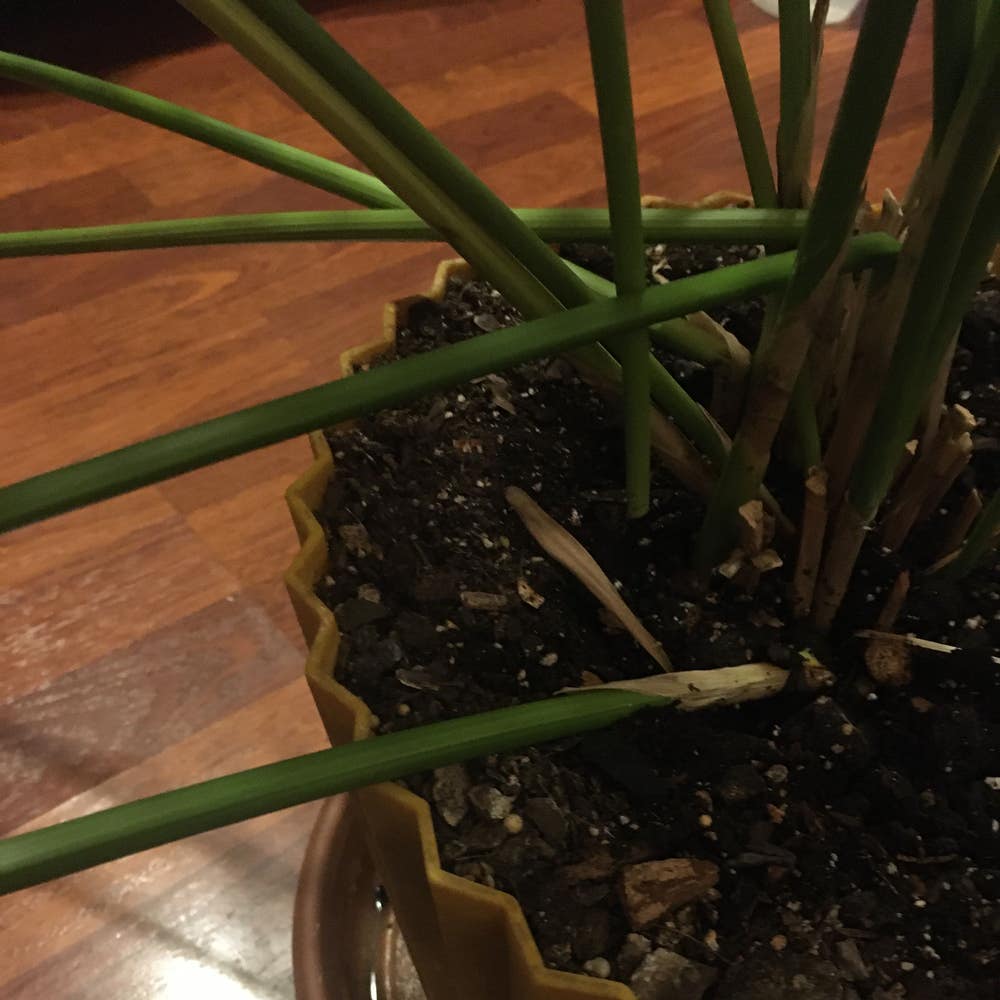
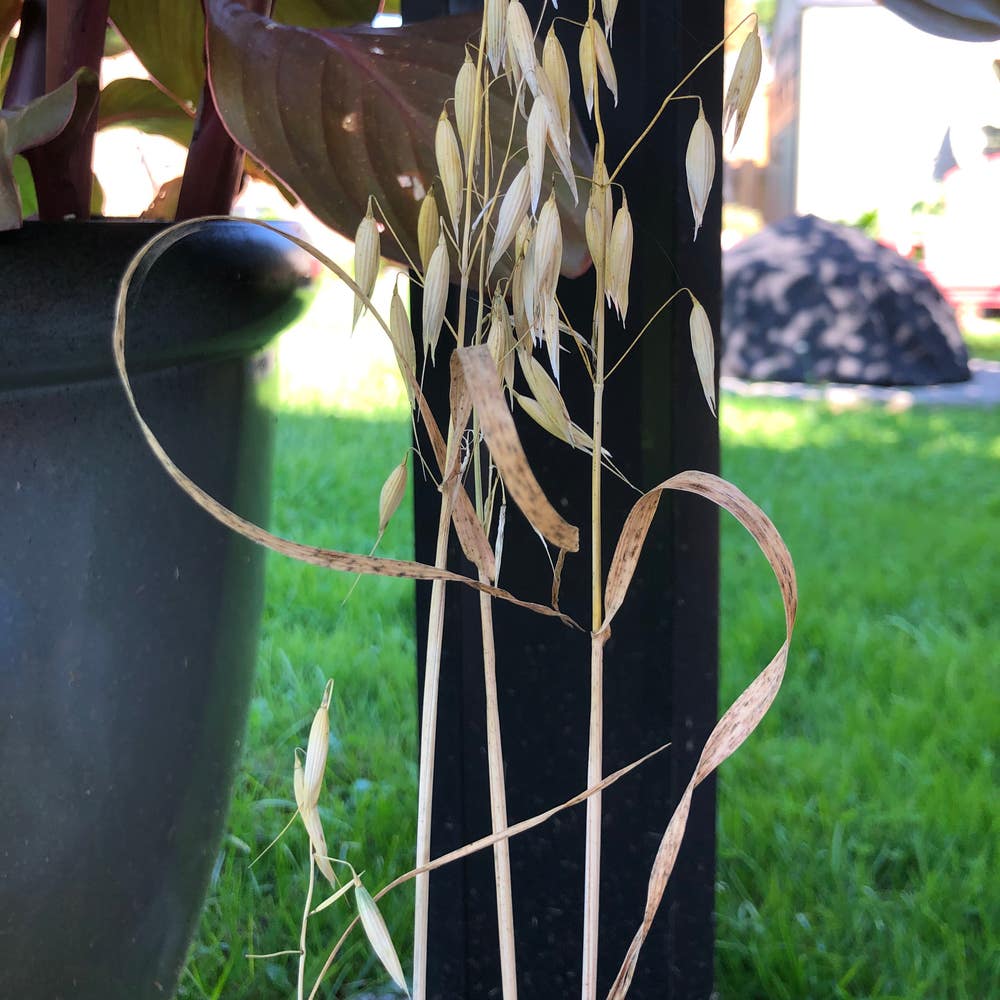
Overview of Baoule Flatsedge
Cyperus baoulensis
By the Greg Editorial Team
Feb 21, 2025•10 min read
This article was created with the help of AI so we can cover more plants for you. May contain errors. See one? Report it here.
- 🌱 Baoule Flatsedge thrives in wet areas; perfect for containers with proper moisture.
- ☀️ Full sun is ideal, but it tolerates partial shade for versatile gardening.
- 🌿 Well-draining, organic-rich soil is key for optimal growth and health.
How to Grow
Choosing a Location 🌍
Baoule Flatsedge thrives in wet, marshy areas or containers that maintain adequate moisture. It prefers full sun but can tolerate partial shade, making it versatile for various garden settings.
Soil Preparation 🏞️
For optimal growth, use well-draining soil rich in organic matter. Aim for a pH level between 6.0 and 7.0, which is slightly acidic to neutral.
Planting Techniques 🌱
When planting, dig a hole 1-2 inches deep to accommodate the roots. Space each plant 12-18 inches apart to ensure they have room to flourish.
Watering Requirements 💧
Keep the soil consistently moist, but avoid waterlogging. During hot, dry spells, you may need to increase your watering frequency to keep your plants happy.
Fertilizing Schedule 🌿
Use a balanced, slow-release fertilizer to nourish your Baoule Flatsedge. Apply it every 4-6 weeks throughout the growing season for best results.
Pruning and Ongoing Care ✂️
Regularly prune dead or damaged leaves to encourage healthy growth. Keep an eye on moisture levels and adjust your watering routine as needed.
Outdoor vs. Container Growing 🏡
Growing Baoule Flatsedge outdoors is perfect for wetland gardens or bog areas. Alternatively, container growing works well on patios or indoors, provided there’s proper drainage.
With these guidelines, you're well on your way to cultivating a thriving Baoule Flatsedge. Next, let’s explore how to propagate this resilient plant!
Propagation
🌱 Seed Propagation
To propagate Baoule Flatsedge from seeds, timing is key. Harvest the seeds when the seed heads turn brown, indicating they are ripe for collection.
Next, sow the seeds at a depth of 1/4 inch in moist soil. This depth ensures they have the right conditions to germinate and thrive.
✂️ Division of Clumps
Dividing clumps is another effective propagation method. The best time to do this is in early spring or fall when the plant is less stressed.
Carefully separate the clumps and replant them in prepared soil. This method not only helps in propagation but also rejuvenates the existing plants, promoting healthier growth.
With these propagation techniques, you can easily expand your Baoule Flatsedge collection and enjoy its benefits in various locations.
Lifecycle
Lifecycle Stages 🌱
Baoule Flatsedge is typically a perennial plant, meaning it can live for several years. Its lifecycle includes distinct stages: germination, seedling stage, vegetative growth, flowering, and seed production.
Growth Timeline ⏳
Under optimal conditions, germination occurs within 7-14 days. After germination, it takes approximately 3-4 months for the plant to reach full maturity, showcasing its robust growth potential.
This lifecycle not only highlights the resilience of Baoule Flatsedge but also its adaptability to various environments. Understanding these stages can help you better care for your plants and anticipate their needs as they grow.
As you delve deeper into the care of Baoule Flatsedge, the next section will explore its size and growth characteristics, providing further insights into what to expect from this fascinating plant.
Size
Mature Dimensions 🌱
Baoule Flatsedge typically reaches a mature height of 2 to 4 feet, making it a striking addition to any garden. Its spread ranges from 1 to 2 feet wide, allowing it to fill space without overwhelming nearby plants.
Growth Rate 🚀
This plant exhibits a moderate growth rate, which is largely influenced by its water availability and sunlight exposure. With the right conditions, you can expect it to flourish and contribute to your garden's ecosystem.
Roots
Root System Characteristics 🌱
Baoule Flatsedge features a fibrous root system that plays a crucial role in its growth and stability. These roots can extend 12-18 inches deep, allowing the plant to anchor itself securely in wet environments.
Common Issues ⚠️
One of the most common problems with Baoule Flatsedge is root rot, which occurs due to overwatering. Symptoms include mushy roots that can lead to plant decline if not addressed promptly.
Recognizing rootbound plants is essential for maintaining healthy growth. Look for signs such as roots growing out of drainage holes or circling the pot, indicating that the plant needs more space to thrive.
Understanding these root characteristics and potential issues will help you provide the best care for your Baoule Flatsedge. With proper attention, you can ensure its roots remain healthy and robust, supporting the plant's overall vitality.
Next, let’s explore the benefits of growing Baoule Flatsedge in your garden.
Benefits
Top 5 Benefits 🌟
1. Erosion Control
Baoule Flatsedge plays a vital role in stabilizing soil in wetland areas. Its robust root system helps prevent erosion, making it an excellent choice for gardens near water bodies.
2. Water Filtration
This plant is a natural water filter. It improves water quality by trapping pollutants, contributing to a healthier ecosystem.
3. Aesthetic Appeal
With its unique texture and height, Baoule Flatsedge adds visual interest to any garden. It can serve as a striking focal point or a lush backdrop for other plants.
4. Traditional Uses
Culturally, Baoule Flatsedge has been utilized in various practices and cuisines. Its versatility makes it a valuable addition to gardens that celebrate traditional uses.
5. Biodiversity Support
By attracting beneficial insects and wildlife, Baoule Flatsedge enhances biodiversity. It creates a thriving habitat for pollinators and other creatures, enriching the garden's ecosystem.
These benefits make Baoule Flatsedge not just a plant but a powerful ally in creating sustainable and beautiful outdoor spaces. As we explore further, let's delve into the best companion plants that can enhance its growth and beauty.
Companion Plants
Best Companions 🌿
When growing Baoule Flatsedge, consider pairing it with moisture-loving plants like water lilies and cattails. These companions not only share similar care requirements but also thrive in the same wet conditions, creating a harmonious garden ecosystem.
Plants to Avoid 🚫
On the flip side, steer clear of drought-tolerant plants that prefer dry soil. These plants can compete for resources and may hinder the growth of your Baoule Flatsedge, leading to an unbalanced garden environment.
By choosing the right companions, you can enhance the beauty and health of your garden while ensuring that your Baoule Flatsedge flourishes.
Toxicity to Humans
Baoule Flatsedge is not listed as toxic, making it a safe choice for gardens and landscapes. Major poison control centers confirm that this plant poses no significant risk to human health.
However, it's worth noting that excessive contact with the plant may lead to mild skin irritation. Additionally, if ingested in large quantities, it could cause minor digestive discomfort, though such cases are rare.
In summary, Baoule Flatsedge is a low-risk plant that can be enjoyed without major concerns. Its safety adds to its appeal for gardeners looking to enhance their outdoor spaces with unique flora.
As we explore further, let’s look at the plant's effects on our furry friends—dogs and cats.
Toxicity to Dogs
Baoule Flatsedge is considered nontoxic to dogs, according to major pet poison control centers. This means you can relax knowing that your furry friends can roam around your garden without the risk of serious harm.
However, it's important to note that excessive consumption of this plant may lead to mild gastrointestinal upset. If your dog happens to munch on a bit too much, keep an eye out for any signs of discomfort, but generally, there's no cause for alarm.
In summary, Baoule Flatsedge is a safe choice for pet owners who want to enhance their gardens. With its low toxicity, you can enjoy the beauty of this plant while ensuring your dog's safety.
Toxicity to Cats
Baoule Flatsedge is considered nontoxic to cats, according to major pet poison control centers. This means you can enjoy this plant in your home or garden without worrying about your feline friends getting sick.
However, it's worth noting that excessive consumption of the plant may lead to mild gastrointestinal upset in cats. If your cat shows signs of discomfort after nibbling on it, it's best to monitor them closely.
In general, Baoule Flatsedge is a safe choice for households with cats. You can cultivate this beautiful plant without the stress of toxicity concerns, allowing your pets to roam freely around your garden.
As always, if you notice any unusual behavior in your cat after they’ve interacted with the plant, consult your veterinarian for peace of mind.
With this knowledge, you can confidently incorporate Baoule Flatsedge into your green space, knowing it’s a safe option for your furry companions.
Next, let’s explore the common problems that can arise when growing this versatile plant.
Problems
Common Problems 🌱
Baoule Flatsedge can face several challenges that affect its health and growth. Understanding these common problems is key to maintaining a thriving plant.
Incorrect Watering
Overwatering can lead to yellowing leaves, while underwatering results in wilting. Monitoring moisture levels is crucial to avoid these symptoms.Incorrect Light Conditions
If your Flatsedge is not receiving the right amount of light, you might notice leggy growth or scorched leaves. Ensure it gets full sun to partial shade for optimal health.Diseases
Fungal issues, such as powdery mildew, can plague your plant. Look for white powdery spots on leaves as a telltale sign of this disease.Root Problems
Root rot is a serious concern, often indicated by mushy roots. Improving drainage can help prevent this issue and promote a healthier root system.Leaf Issues
Scorching, yellowing, or fuzzy growth on leaves can signal various problems. Regularly inspect your plant to catch these issues early and take corrective action.
By staying vigilant and addressing these common problems, you can ensure your Baoule Flatsedge remains healthy and vibrant. Next, let’s explore potential pest issues that could also affect your plant's well-being.
Bugs
Potential Pest Issues 🐜
When growing Baoule Flatsedge, it's essential to be aware of potential pest issues that can affect its health. Common pests include spider mites, aphids, and mealybugs.
Identifying Pests 🔍
Spider mites are sneaky little critters that create fine webbing on the leaves, often making them hard to spot until damage is done. On the other hand, aphids leave a sticky residue, which can be a clear sign that they’ve taken up residence on your plants.
Managing Pest Problems ⚔️
To manage these pests, regular monitoring is key. If you notice any signs of infestation, act quickly to prevent further damage.
Prevention Tips 🛡️
- Maintain Healthy Plants: Healthy plants are less susceptible to pests.
- Encourage Beneficial Insects: Ladybugs and lacewings can help keep pest populations in check.
By staying vigilant and taking proactive measures, you can keep your Baoule Flatsedge thriving and pest-free.
Transition to Next Section 🚀
Now that you’re equipped to handle bugs, let’s explore what animals might be munching on your beloved plants.
What Eats
🦌 Common Animals
Baoule Flatsedge attracts a variety of wildlife, including deer, rabbits, and rodents. If you notice tracks, chewed leaves, or burrows around your plants, these critters might be enjoying your garden feast.
🚫 Deterrent Methods
To protect your Baoule Flatsedge, consider using chemical deterrents like commercial repellents. Alternatively, you can opt for organic methods, such as planting deterrent species nearby or employing physical barriers to keep these hungry animals at bay.
With a little effort, you can safeguard your plants while still enjoying the beauty of nature around you.
⚠️ Safety First
This content is for general information and may contain errors, omissions, or outdated details. It is not medical, veterinary advice, or an endorsement of therapeutic claims.
Always consult a qualified healthcare professional before using any plant as food, medicine, or supplement.
Never eat any plant (or feed one to pets) without confirming its identity with at least two trusted sources.
If you suspect poisoning, call Poison Control (800) 222-1222, the Pet Poison Helpline (800) 213-6680, or your local emergency service immediately.
Spotted an error? Please report it here.
Unlock a thriving 🌿 garden with Baoule Flatsedge by using Greg's tailored care reminders to keep your plants perfectly hydrated and nourished!