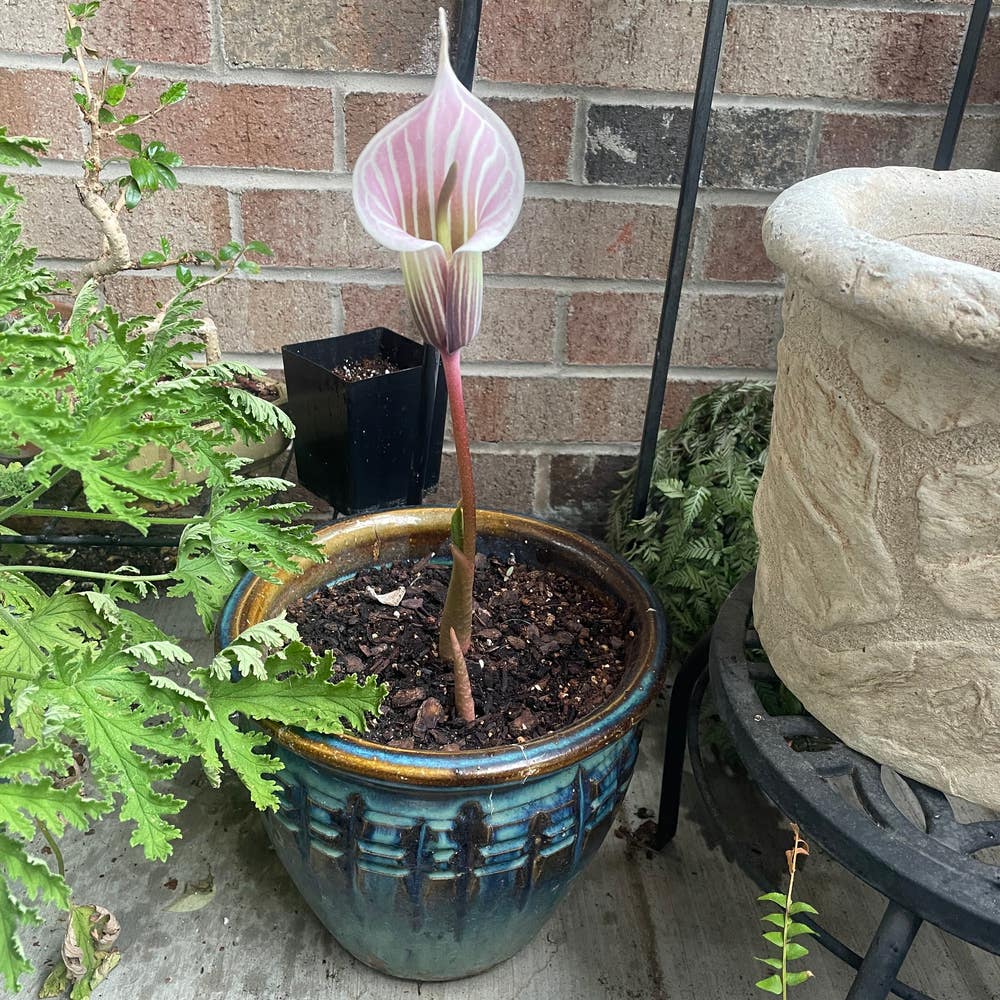
🌺 Understanding Arisaema wangmoense: The Basics
Arisaema wangmoense
By the Greg Editorial Team
Feb 26, 2025•11 min read
This article was created with the help of AI so we can cover more plants for you. May contain errors. See one? Report it here.
- 🌱 Arisaema wangmoense thrives in shade with moist, well-draining soil for optimal growth.
- ⚠️ All parts are toxic to pets and humans; caution is essential in gardens.
- 🌼 Regular care and monitoring ensure healthy growth and prevent common issues.
How to Grow
Choosing a Location 🌳
Arisaema wangmoense thrives best in partial to full shade, making it an excellent choice for woodland gardens. It requires consistently moist but well-draining soil, as it prefers the cooler temperatures typical of mountainous regions.
Soil Preparation 🏞️
For optimal growth, use rich, loamy soil that offers good drainage. Aim for a slightly acidic to neutral pH, ideally between 6.0 and 7.0, and enhance soil fertility by incorporating compost or well-rotted manure.
Planting Techniques 🌱
When planting, dig a hole 2-3 inches deep to accommodate the rhizomes. Space the plants 12-18 inches apart to allow for their natural growth and spread.
Watering Requirements 💧
Regular watering is essential to maintain soil moisture, especially during dry spells. Always water at the base of the plant to prevent wetting the foliage, which can lead to disease.
Fertilizing 🌼
Use a balanced, slow-release fertilizer to support healthy growth. Fertilize once in early spring and again mid-season to ensure your plants have the nutrients they need.
Pruning and Ongoing Care ✂️
In late fall, trim back any dead foliage to keep your garden tidy. Throughout the growing season, monitor for pests and diseases, adjusting your watering routine as necessary to keep your Arisaema healthy.
With these guidelines, you’re well on your way to cultivating a thriving Arisaema wangmoense. Next, let’s explore how to propagate this fascinating plant!
Propagation
🌱 Seed Propagation
To propagate Arisaema wangmoense from seeds, start by sowing them in spring. For optimal germination, seeds require cold stratification, which mimics winter conditions.
Germination typically occurs within 4-6 weeks, so patience is key. Keep the soil consistently moist during this period to encourage healthy growth.
✂️ Division of Rhizomes
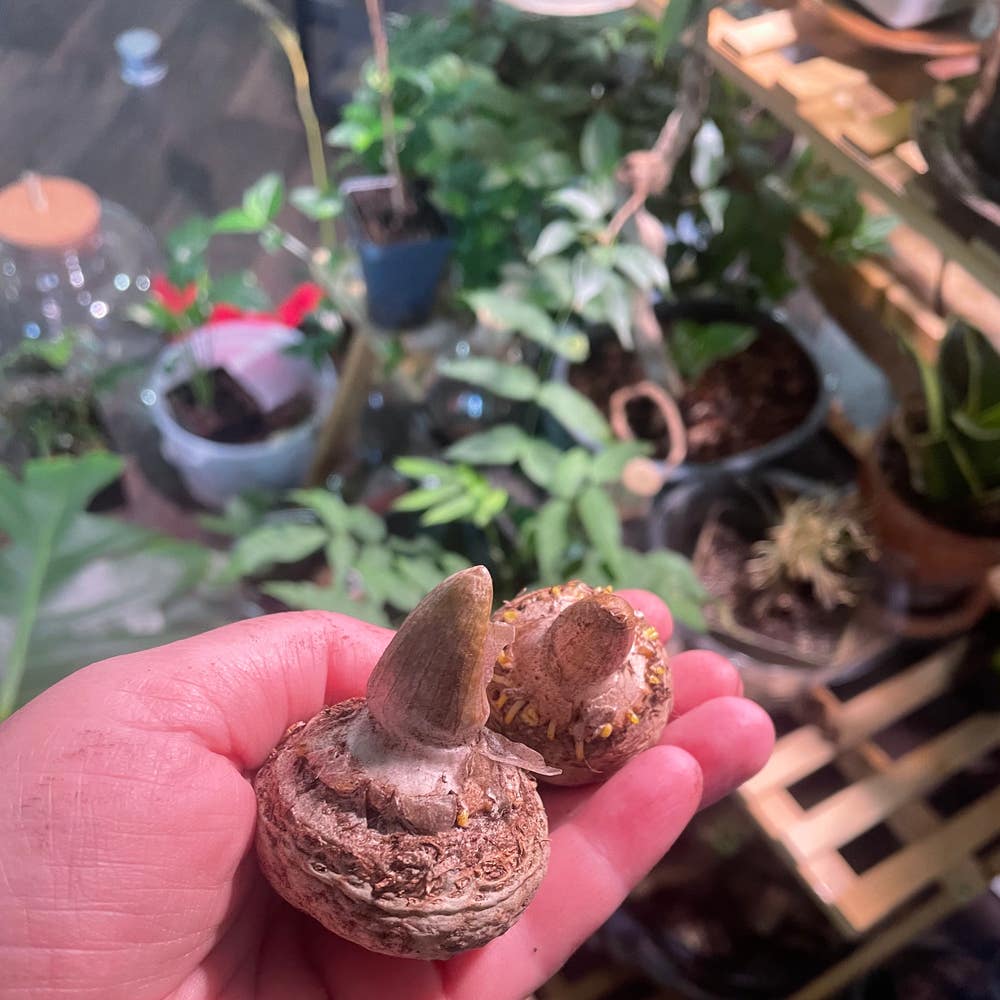
Another effective method for propagation is dividing the rhizomes. This is best done in early spring or fall when the plant is not actively growing.
Carefully separate the rhizomes and replant them immediately to minimize stress. This technique not only helps in propagation but also promotes a healthier plant by preventing overcrowding.
With these propagation methods, you can expand your collection of Arisaema wangmoense and enjoy its unique beauty in your garden. Next, let’s explore the lifecycle of this fascinating plant.
Lifecycle
Lifecycle Stages 🌱
Arisaema wangmoense goes through several distinct stages in its lifecycle. These include seed germination, the seedling stage, vegetative growth, flowering, and seed production.
Lifespan 🌼
This plant is typically a perennial, meaning it can live for several years. With proper care, you can enjoy its beauty for many seasons.
Timeframe to Maturity ⏳
It takes approximately 2-3 years for Arisaema wangmoense to reach full maturity. Patience is key, as this moderate growth rate allows the plant to establish itself.
Growth Rate 📈
Expect seasonal growth spurts that contribute to its moderate growth rate. Environmental conditions, such as light and moisture, play a significant role in how quickly it develops.
Understanding the lifecycle of Arisaema wangmoense not only enhances your gardening skills but also deepens your appreciation for this unique plant. Next, we’ll explore its size and growth habits to help you plan your garden layout effectively.
Size
Mature Height and Spread 🌱
Arisaema wangmoense typically reaches a mature height of 2 to 3 feet. Its spread ranges from 1 to 2 feet, making it a striking addition to any garden.
Growth Habits and Rate 📈
This plant exhibits a moderate growth rate, which can be influenced by various environmental conditions. Factors like soil quality, moisture levels, and light exposure can lead to variability in size, so keep an eye on these elements for optimal growth.
Understanding the size and growth habits of Arisaema wangmoense is essential for planning your garden layout. With the right conditions, this plant can thrive and become a focal point in your landscape.
Roots
Characteristics of the Root System 🌱
Arisaema wangmoense features a rhizomatous root system, which means it grows from underground stems called rhizomes. This type of root system is typically shallow and spreads horizontally, allowing the plant to establish itself effectively in its environment.
Common Root-Related Issues ⚠️
One of the most common issues faced by this plant is root rot, often caused by overwatering. Symptoms include mushy roots and wilting foliage, signaling that the plant is in distress.
Another potential problem is becoming rootbound, which occurs when the roots grow too tightly in their container. This condition is characterized by stunted growth and circling roots, and it can be remedied by repotting or dividing the rhizomes.
Visual Cues for Healthy vs. Unhealthy Roots 👀
Healthy roots are firm, white, and well-structured, indicating that the plant is thriving. In contrast, unhealthy roots may appear dark, mushy, or even emit a foul smell, suggesting that immediate action is needed to save the plant.
Understanding the root system and its common issues is crucial for the successful cultivation of Arisaema wangmoense. By keeping an eye on root health, you can ensure your plant remains vibrant and flourishing.
Next, let’s explore the benefits of this fascinating plant and why it deserves a spot in your garden.
Benefits
Top 5 Benefits 🌟
Arisaema wangmoense is not just a pretty face in the garden; it offers a range of benefits that make it a worthwhile addition to any landscape.
Aesthetic Appeal
This plant boasts striking foliage and unique flowers, adding a touch of elegance and intrigue to your garden. Its visual charm can elevate the overall aesthetic, making it a focal point for garden enthusiasts.
Attracts Pollinators
Arisaema wangmoense serves as a vital food source for bees and other beneficial insects. By planting it, you contribute to the health of local ecosystems and support pollinator populations.
Unique Foliage
The plant's distinctive leaves provide visual interest throughout the growing season. Their unique shape and texture can complement various garden styles, enhancing the overall diversity of your plant collection.
Cultural Significance
In some cultures, Arisaema wangmoense is valued for its traditional medicinal uses. This adds a layer of historical and cultural depth to your gardening experience, connecting you to practices that have been passed down through generations.
Contribution to Biodiversity
By incorporating this plant into your garden, you help enhance biodiversity. It supports various wildlife, creating a more balanced and thriving ecosystem right in your backyard.
In summary, Arisaema wangmoense is more than just a beautiful plant; it enriches your garden in multiple ways. Next, let’s explore how to propagate this fascinating species to share its benefits with others.
Companion Plants
🌱 Companion Planting Benefits
Companion planting is a fantastic way to enhance your garden's diversity. It improves pest management and promotes beneficial relationships between plants.
🌿 Recommended Companion Plants
When growing Arisaema wangmoense, consider pairing it with ferns. They thrive in similar shaded, moist conditions, creating a harmonious environment.
Hostas are another excellent choice. They not only complement the aesthetic but also share similar care needs, making them ideal companions.
⚠️ Plants to Avoid
Be cautious of aggressive weeds. They compete for nutrients and space, which can hinder the growth of your Arisaema.
By selecting the right companions, you can create a thriving garden ecosystem. This thoughtful approach not only beautifies your space but also supports the health of your plants.
Next, let’s explore the toxicity of Arisaema wangmoense to humans and pets, ensuring you’re well-informed about its potential risks.
Toxicity to Humans
Identification of Toxic Parts 🌿
Arisaema wangmoense is not just a pretty face; its roots and leaves contain harmful compounds that can pose serious health risks. Knowing which parts are toxic is crucial for safe handling and gardening.
Symptoms of Poisoning 🤢
If ingested, symptoms can range from nausea and vomiting to more severe issues like abdominal pain, dizziness, and confusion. In extreme cases, it can lead to neurological or cardiovascular symptoms, making awareness essential.
How Poisoning Can Occur ⚠️
Poisoning typically occurs through ingestion of the plant parts or exposure to its sap. The risk is particularly concerning for children, who may accidentally consume parts of the plant.
When to Seek Medical Care 🚑
If ingestion occurs or symptoms develop, it’s vital to seek immediate medical care. Quick action can make a significant difference in treatment outcomes, so don’t hesitate to get help if needed.
This knowledge about the toxicity of Arisaema wangmoense is essential for anyone considering adding this plant to their garden. Understanding the risks ensures that you can enjoy its beauty while keeping yourself and others safe.
Next, we’ll explore the toxicity of this plant to pets, particularly dogs and cats, to ensure a comprehensive understanding of its effects.
Toxicity to Dogs
Toxic Parts of the Plant 🐶
All parts of Arisaema wangmoense are considered toxic to dogs. This includes the roots, leaves, and flowers, which contain harmful compounds that can pose serious health risks.
Symptoms of Poisoning 🤢
If a dog ingests any part of this plant, symptoms may include drooling, vomiting, diarrhea, weakness, tremors, and respiratory distress. These signs can vary in severity, so it's crucial to monitor your pet closely.
Prevention Measures 🚫
To keep your furry friends safe, supervise their outdoor time and remove Arisaema wangmoense from accessible areas. Creating a pet-friendly garden ensures that your dog can enjoy the outdoors without the risk of poisoning.
By being aware of the toxicity of this plant, you can enjoy your garden while keeping your pets safe. Next, let’s explore the toxicity of Arisaema wangmoense to cats.
Toxicity to Cats
Toxic Parts of the Plant 🐱
All parts of Arisaema wangmoense are toxic to cats. This includes the roots, leaves, and flowers, making it crucial for cat owners to be aware of its presence in their gardens.
Symptoms of Poisoning 🤢
If a cat ingests any part of this plant, symptoms can manifest quickly. Look out for drooling, vomiting, diarrhea, weakness, tremors, and respiratory distress.
Prevention Measures 🚫
To keep your feline friends safe, consider keeping them indoors, especially in areas where this plant grows. Supervise their outdoor time and remove any Arisaema wangmoense from your garden to prevent accidental ingestion.
By taking these precautions, you can enjoy the beauty of this unique plant while ensuring your cats remain healthy and safe.
Problems
Common Issues 🌱
Growing Arisaema wangmoense can be rewarding, but it's not without its challenges. Here are some common issues you might encounter:
Incorrect watering: Overwatering can lead to root rot, while underwatering may cause wilting. Finding the right balance is crucial for healthy growth.
Incorrect light conditions: Insufficient light can result in leggy growth, making the plant weak and less vibrant. Ensure it receives the partial to full shade it prefers.
Diseases: Fungal issues like powdery mildew and blight can affect your plant's health. Regular monitoring can help catch these problems early.
Leaf issues: Scorching and yellowing leaves often indicate environmental stress. Pay attention to changes in your plant's appearance.
Growth problems: Stunted growth or failure to flower can be frustrating. These issues often stem from improper care or environmental factors.
Identification and Resolution 🔍
Recognizing the signs of distress in your Arisaema wangmoense is the first step toward resolution.
Symptoms: Look for wilting, discoloration, or unusual growth patterns. These can signal that your plant needs immediate attention.
Adjust care accordingly: Once you identify the problem, adjust your watering, light exposure, or treatment methods. Quick action can often restore your plant's health.
By staying vigilant and responsive to your plant's needs, you can enjoy the beauty of Arisaema wangmoense without too much hassle. Next, let’s explore the pests that might invade your garden and how to manage them effectively.
Bugs
Common Pests 🐞
Arisaema wangmoense can attract a few pesky bugs that may disrupt its growth.
- Spider Mites: Look for fine webbing and stippled leaves, which indicate these tiny pests are at work.
- Scale Insects: These critters leave a sticky residue and can cause yellowing leaves, signaling their presence.
- Mealybugs: Recognizable by their cotton-like masses on stems and leaves, mealybugs can be a nuisance.
Identification and Treatment Options 🧪
Identifying these pests early is crucial for effective management.
For treatment, consider using insecticidal soap or neem oil. Both options are effective and relatively safe for your plant. Regular monitoring and prompt action can help keep your Arisaema healthy and thriving.
By staying vigilant, you can protect your plant from these common pests and ensure it continues to flourish in your garden.
What Eats
Common Animals 🦌
Arisaema wangmoense can attract a variety of hungry critters.
- Deer: Look for chewed leaves and broken stems as telltale signs of their presence.
- Rabbits: These little nibblers often leave evidence of their feasting on the lower foliage.
- Squirrels: You might notice them digging around the base of the plant, searching for tasty roots.
Deterrent Methods 🚫
Protecting your Arisaema from these pests is crucial for its health.
- Chemical Control: Consider using commercial repellents designed to deter deer and rabbits.
- Organic Control: Physical barriers like fencing or netting can effectively keep these animals at bay.
By employing these methods, you can help ensure your Arisaema thrives without unwanted visitors. Next, let's explore the common problems that can affect this unique plant.
⚠️ Safety First
This content is for general information and may contain errors, omissions, or outdated details. It is not medical, veterinary advice, or an endorsement of therapeutic claims.
Always consult a qualified healthcare professional before using any plant as food, medicine, or supplement.
Never eat any plant (or feed one to pets) without confirming its identity with at least two trusted sources.
If you suspect poisoning, call Poison Control (800) 222-1222, the Pet Poison Helpline (800) 213-6680, or your local emergency service immediately.
Spotted an error? Please report it here.
Nurture your Arisaema wangmoense into a garden masterpiece 🌿 with Greg's custom watering plans and reminders that ensure it thrives beautifully in your space!