🐍 Introduction to Arisaema tortuosum subsp. sivadasanii
Arisaema tortuosum subsp. sivadasanii
By the Greg Editorial Team
Feb 26, 2025•10 min read
This article was created with the help of AI so we can cover more plants for you. May contain errors. See one? Report it here.
Elevate your garden's allure with the enchanting Arisaema tortuosum subsp. sivadasanii 🌱—a must-have for shade lovers!
- 🌱 Arisaema tortuosum thrives in shade with consistent moisture; avoid waterlogging.
- 🌿 Plant in rich, well-draining soil with a pH of 6.0-7.0 for best results.
- ⚠️ All parts are toxic to pets and humans; handle with care!
How to Grow
Choosing a Location 🌳
Arisaema tortuosum subsp. sivadasanii thrives in partial to full shade. Ensure the area maintains consistent moisture, but be cautious to avoid waterlogging.
Soil Preparation 🌱
This plant prefers well-draining, rich organic soil. Aim for a pH level between 6.0 and 7.0, which is slightly acidic to neutral.
Planting Techniques 🌼
When planting, place the rhizomes 2-3 inches deep in the soil. Space them 12-18 inches apart to encourage clumping growth.
Watering Requirements 💧
Keep the soil consistently moist by checking it weekly. Water at the base of the plant to prevent wetting the leaves, which can lead to disease.
Fertilizing 🌾
Use a balanced, slow-release fertilizer to nourish your plants. Apply it in early spring, just before the growth season begins.
Pruning and Ongoing Care ✂️
In late fall, cut back any dead leaves to maintain plant health. Regularly monitor for signs of pests or disease to catch issues early.
Outdoor vs. Container Growing Considerations 🏡
For outdoor growth, select shaded garden beds that provide the right conditions. If using containers, opt for large pots with drainage holes to prevent water accumulation.
This guide sets you up for success in growing Arisaema tortuosum subsp. sivadasanii. Next, let’s explore how to propagate this fascinating plant!
Propagation
🌱 Seed Propagation
To propagate Arisaema tortuosum subsp. sivadasanii from seeds, start by soaking them in water for 24 hours. This simple step helps kickstart the germination process, after which you can plant them in spring for the best results.
✂️ Division of Rhizomes
Dividing rhizomes is another effective propagation method. The best time to do this is in early spring or fall, ensuring you carefully separate the rhizomes while keeping the roots intact to promote healthy growth.
🌿 Offsets and Bulb Propagation
Offsets can also be used for propagation. Gently pull offsets from the main rhizome and replant them immediately in prepared soil to establish new plants quickly.
This propagation process not only expands your garden but also deepens your connection with these fascinating plants. With a little patience and care, you can enjoy a thriving collection of Arisaema tortuosum subsp. sivadasanii in no time!
Size
Mature Height and Spread 🌱
Arisaema tortuosum subsp. sivadasanii typically reaches a height of 2 to 3 feet and spreads about 1 to 2 feet wide. This moderate size makes it an excellent choice for adding vertical interest to shaded garden spaces.
Growth Habits and Rate ⏳
This plant has a moderate growth rate, usually achieving its full size within 2 to 3 years. Patience is key, as the gradual development allows for a more robust and established plant.
Size Variability Based on Growing Conditions 🌦️
The size of Arisaema tortuosum can vary significantly based on its growing conditions. Factors such as light exposure, soil quality, and moisture levels play crucial roles in determining how tall and wide the plant will grow.
In optimal conditions, you can expect lush, full growth, while less ideal settings may result in smaller plants. Understanding these variables can help you create the best environment for your Arisaema to thrive.
As you plan your garden, consider these size factors to ensure your Arisaema fits harmoniously within your landscape. Next, we will explore the fascinating topic of the plant's roots and their importance.
Roots
🌱 Description of the Root System
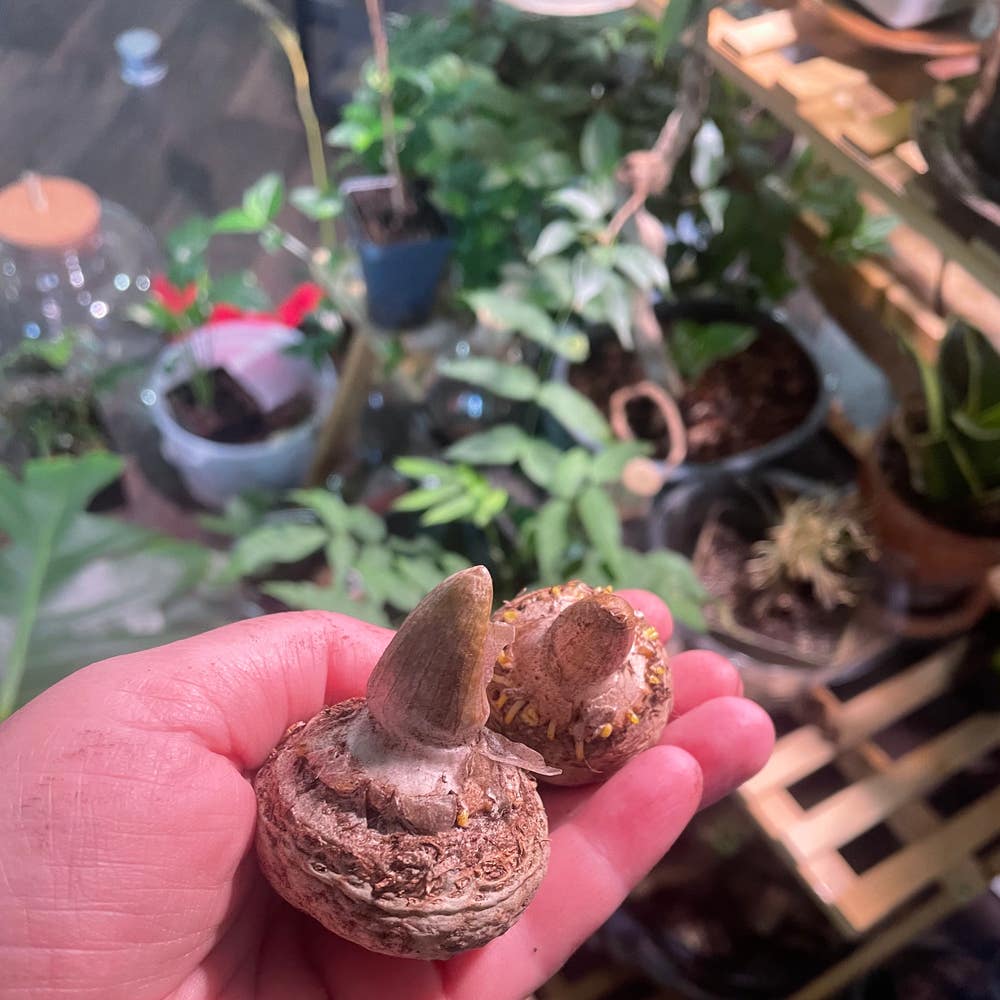
Arisaema tortuosum subsp. sivadasanii features a rhizomatous root system that forms clumps. This structure not only supports the plant's growth but also allows it to thrive in its preferred environments.
📏 Root Depth and Spread
Typically, the roots extend 6-12 inches deep into the soil. However, they can spread several feet horizontally, creating a robust network that helps the plant access nutrients and moisture.
⚠️ Common Root-Related Issues
One common issue is root rot, which occurs due to overwatering. Symptoms include mushy roots that can lead to plant decline if not addressed promptly.
Another problem is becoming rootbound, especially in container settings. This happens when roots circle the pot, restricting growth and nutrient uptake.
👀 Visual Cues for Healthy vs. Unhealthy Roots
Healthy roots are firm and exhibit a white or light tan color. In contrast, unhealthy roots appear dark, mushy, or may emit a foul smell, indicating potential problems that need immediate attention.
Understanding the root system of Arisaema tortuosum subsp. sivadasanii is crucial for its successful cultivation. By monitoring root health, you can ensure your plant remains vibrant and thriving.
Next, we will explore the benefits of this unique plant in your garden.
Benefits
Aesthetic Appeal in Gardens 🌺
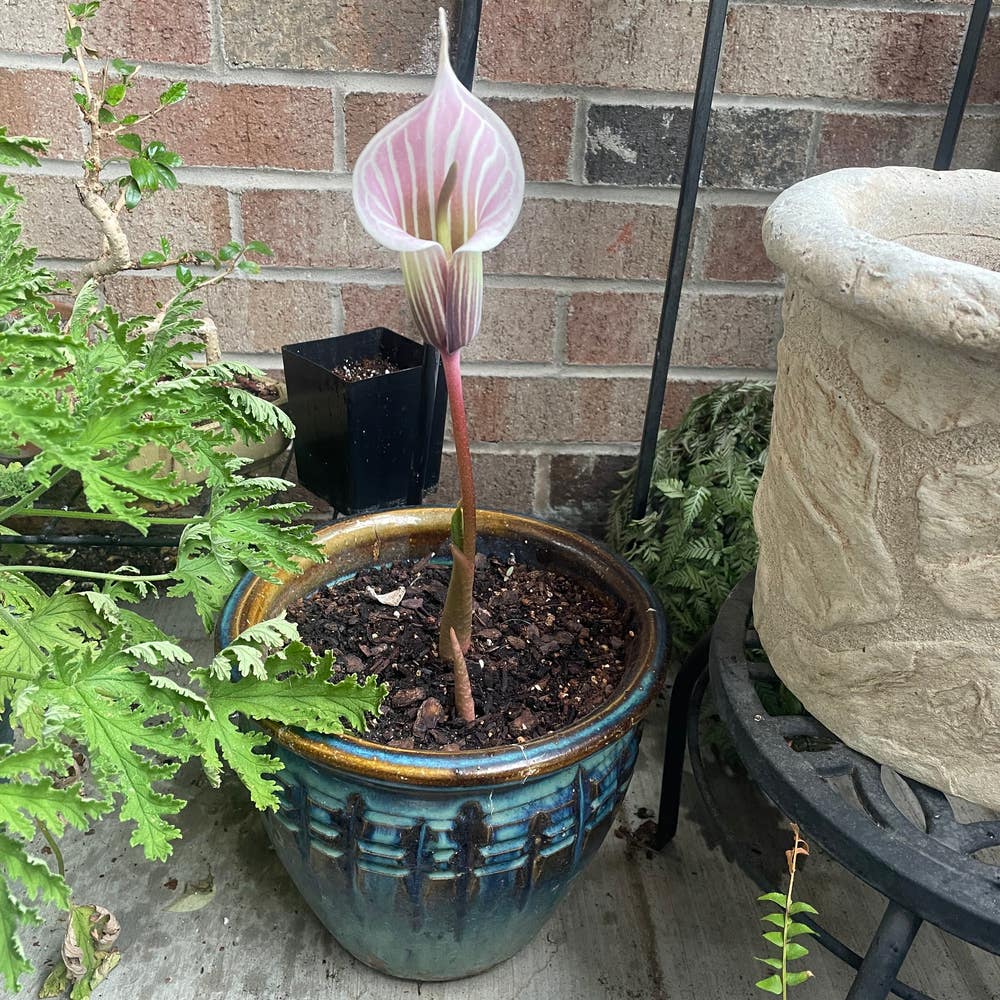
Arisaema tortuosum subsp. sivadasanii boasts unique flowers and striking foliage that can transform any garden into a visual masterpiece. Its exotic appearance adds a touch of intrigue, making it a favorite among garden enthusiasts.
Attracts Pollinators 🐝
This plant plays a vital role in local ecosystems by attracting essential pollinators like bees and butterflies. By incorporating it into your garden, you not only enhance its beauty but also support biodiversity.
Cultural Significance 📜
In the Himalayan regions, Arisaema tortuosum has deep cultural roots, often used in traditional medicine and folklore. This connection to history adds an enriching layer to its presence in your garden.
Soil Improvement 🌱
Beyond its aesthetic contributions, this plant improves soil health and biodiversity. Its growth helps create a more balanced ecosystem, benefiting other plants in the vicinity.
Unique Ornamental Value 🌿
Ideal for shade gardens, Arisaema tortuosum offers visual interest throughout the growing season. Its distinctive form and foliage make it a standout choice for gardeners looking to create a lush, shaded retreat.
Incorporating Arisaema tortuosum into your garden not only enhances its beauty but also supports local wildlife and enriches the soil. Next, let’s explore the best companion plants to pair with this stunning species for optimal growth and health.
Companion Plants
🌱 Explanation of Companion Planting Benefits
Companion planting is a fantastic way to boost your garden's health. It naturally deters harmful insects and enhances overall plant vigor.
🌿 Recommended Companion Plants
When growing Arisaema tortuosum subsp. sivadasanii, consider pairing it with Hostas. They thrive in similar moisture and shade conditions.
Another excellent choice is ferns. Their complementary foliage creates a lush habitat that benefits both plants.
⚠️ Plants to Avoid
Be cautious of strong competitors. Plants with aggressive root systems can outcompete your Arisaema, stunting its growth and health.
Incorporating the right companions can transform your garden into a thriving ecosystem. With thoughtful selections, you’ll enhance not only the beauty but also the resilience of your plants.
Toxicity to Humans
Identification of Toxic Parts 🌿
Arisaema tortuosum subsp. sivadasanii is not just a beautiful plant; it also contains toxic compounds. The roots, leaves, and flowers are all parts that can pose a risk if ingested.
Symptoms of Poisoning 🤢
If someone comes into contact with or consumes any part of this plant, they may experience unpleasant symptoms. Common reactions include nausea, vomiting, abdominal pain, and dizziness.
How Poisoning Can Occur ⚠️
Poisoning typically occurs through the ingestion of the plant's parts or exposure to its sap. It's essential to be cautious, especially in gardens where children or pets might explore.
Guidance on Seeking Medical Care 🚑
If ingestion occurs or severe symptoms manifest, immediate medical attention is crucial. Don’t hesitate to seek help; it’s better to be safe than sorry when it comes to potential poisoning.
This knowledge is vital for anyone considering adding Arisaema tortuosum subsp. sivadasanii to their garden. Understanding its toxicity helps ensure a safe and enjoyable gardening experience. Next, let’s explore how this plant can impact your furry friends.
Toxicity to Dogs
Toxic Parts of the Plant 🐶
All parts of Arisaema tortuosum subsp. sivadasanii are toxic to dogs. This includes the roots, leaves, and flowers, which contain harmful compounds that can lead to serious health issues.
Symptoms of Poisoning in Dogs 🤢
If a dog ingests any part of this plant, symptoms can manifest quickly. Common signs include drooling, vomiting, weakness, and tremors, which require immediate attention.
Prevention Measures 🛡️
To keep your furry friends safe, supervision is key. Monitor their outdoor time closely to prevent any accidental ingestion of this toxic plant.
Toxicity to Cats
Toxic Parts of the Plant 🐾
All parts of Arisaema tortuosum subsp. sivadasanii are toxic to cats. This includes the roots, leaves, and flowers, which contain harmful compounds that can cause serious health issues.
Symptoms of Poisoning in Cats 🤢
If a cat ingests any part of this plant, symptoms may include drooling, vomiting, and abdominal discomfort. These signs can be distressing, and it's crucial to monitor your feline friend closely if you suspect they've come into contact with the plant.
Prevention Measures 🚫
To keep your cat safe, it's best to keep them indoors, especially if you have this plant in your garden. Supervise their outdoor time to prevent any accidental ingestion, ensuring a safe environment for your curious companion.
By taking these precautions, you can enjoy your garden while keeping your pets healthy and happy. If you suspect poisoning, seek veterinary care immediately for the best outcome.
Problems
Common Issues 🌧️
Growing Arisaema tortuosum subsp. sivadasanii can be rewarding, but it’s not without its challenges. Two of the most common issues are overwatering and underwatering.
- Overwatering: This can lead to yellowing leaves and root rot, which can be detrimental to your plant's health.
- Underwatering: Conversely, signs of underwatering include wilting and dry soil, indicating that your plant is thirsty.
Identifying Symptoms 🔍
Recognizing the symptoms early can save your plant from serious damage.
- Yellowing leaves: This often indicates overwatering or potential nutrient deficiencies. If you notice this, it’s time to reassess your watering habits.
Solutions for Each Problem 🛠️
To keep your Arisaema thriving, adjusting your watering practices is crucial.
For Overwatering: Allow the soil to dry out slightly between waterings. Ensure that your pot has adequate drainage to prevent water from pooling.
For Underwatering: Increase the frequency of watering, ensuring the soil remains consistently moist but not soggy.
By monitoring your plant's needs and adjusting accordingly, you can maintain a healthy and vibrant Arisaema tortuosum subsp. sivadasanii.
Next, let’s explore the potential pests that may threaten your plant's well-being.
Bugs
Overview of Potential Pests 🐛
While Arisaema tortuosum subsp. sivadasanii is generally resilient, it can still attract a few pesky pests. Keeping an eye out for these invaders is essential to maintain the plant's health.
Identification of Pests 🔍
Two common culprits to watch for are spider mites and aphids.
- Spider Mites: Look for fine webbing on the leaves, which can lead to yellowing foliage.
- Aphids: These small green insects often cluster on new growth, sucking the sap and weakening the plant.
Treatment Options 🧪
If you spot these pests, don't worry—there are effective organic solutions available.
- Neem Oil: This natural pesticide disrupts the life cycle of pests without harming beneficial insects.
- Insecticidal Soap: A simple yet effective option, it suffocates pests on contact.
Regular monitoring and prompt action can keep your Arisaema thriving. By staying vigilant, you can enjoy the beauty of this unique plant without the worry of pest damage.
What Eats
🦌 Common Garden Animals
In your garden, Arisaema tortuosum subsp. sivadasanii may attract a few hungry visitors. Deer often leave behind nibbled leaves and unmistakable tracks, while rabbits can be spotted by their chewed stems and droppings.
🔍 Signs of Animal Presence
To identify if these critters are munching on your plants, look for signs of damage. Tracks and evidence of nibbling or trampling can indicate that your garden is a buffet for local wildlife.
🚫 Deterrent Methods
To protect your precious plants, consider implementing some effective deterrent methods. Fencing can create a physical barrier to keep animals at bay, while natural repellents can be applied to further safeguard your garden from unwanted visitors.
With these strategies in place, you can enjoy the beauty of your Arisaema tortuosum without the worry of it becoming a snack for local fauna.
⚠️ Safety First
This content is for general information and may contain errors, omissions, or outdated details. It is not medical, veterinary advice, or an endorsement of therapeutic claims.
Always consult a qualified healthcare professional before using any plant as food, medicine, or supplement.
Never eat any plant (or feed one to pets) without confirming its identity with at least two trusted sources.
If you suspect poisoning, call Poison Control (800) 222-1222, the Pet Poison Helpline (800) 213-6680, or your local emergency service immediately.
Spotted an error? Please report it here.
Cultivating Arisaema tortuosum successfully 🌱 is easy with Greg's tailored care reminders and expert tips, ensuring your plant flourishes in the perfect conditions!