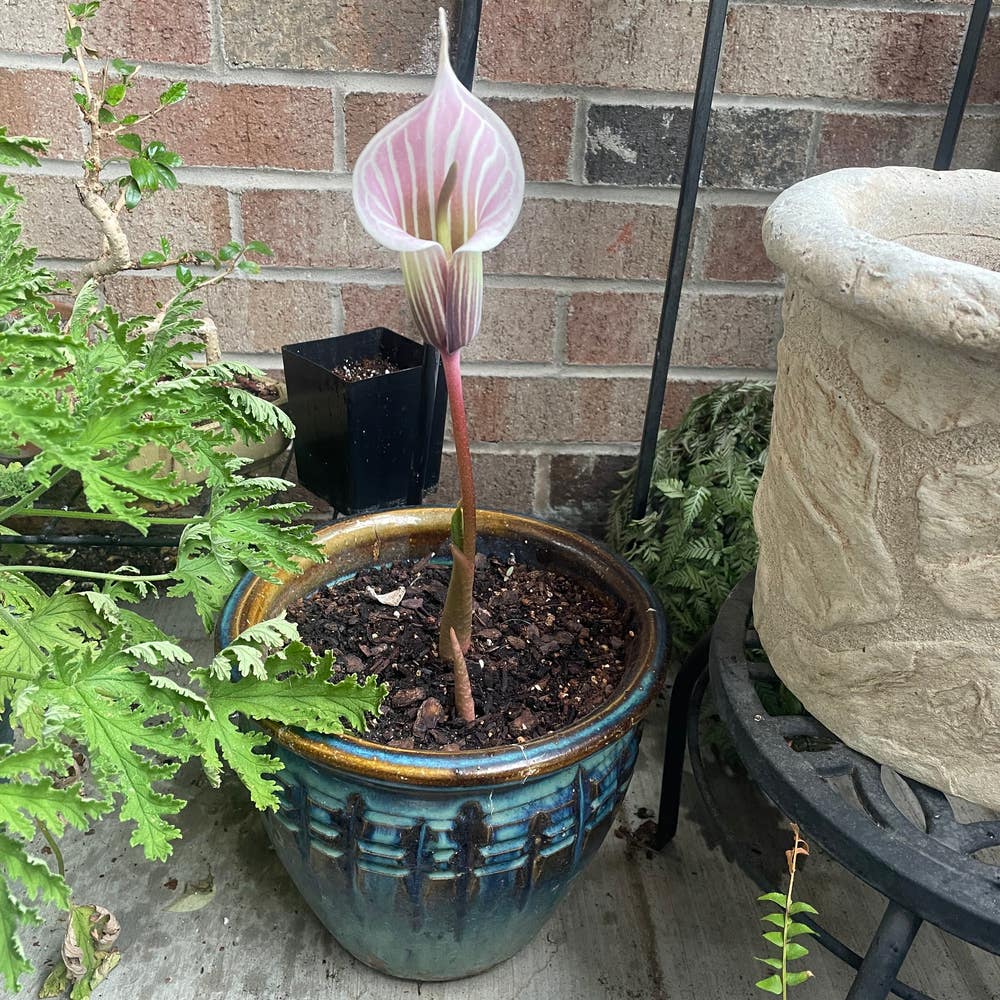
🌺 Introduction to Arisaema taiwanense var. taiwanense
Arisaema taiwanense var. taiwanense
By the Greg Editorial Team
Feb 26, 2025•11 min read
This article was created with the help of AI so we can cover more plants for you. May contain errors. See one? Report it here.
Elevate your garden's allure with the enchanting Arisaema taiwanense, a stunning addition for shaded spaces! 🌱✨
- 🌳 Arisaema taiwanense thrives in shaded, moist environments, ideal for woodland gardens.
- 🌱 Use well-draining, organic soil with a pH of 6.0-7.0 for optimal growth.
- ⚠️ All parts are toxic; handle carefully to ensure safety for pets and children.
How to Grow
Choosing the Right Location 🌳
Arisaema taiwanense var. taiwanense thrives in shaded areas, making it ideal for woodland gardens. Ensure the site maintains consistent moisture without becoming waterlogged.
Soil Preparation 🏞️
For optimal growth, use well-draining, rich organic soil. Aim for a soil pH between slightly acidic to neutral (6.0-7.0) to support healthy development.
Planting Techniques 🌱
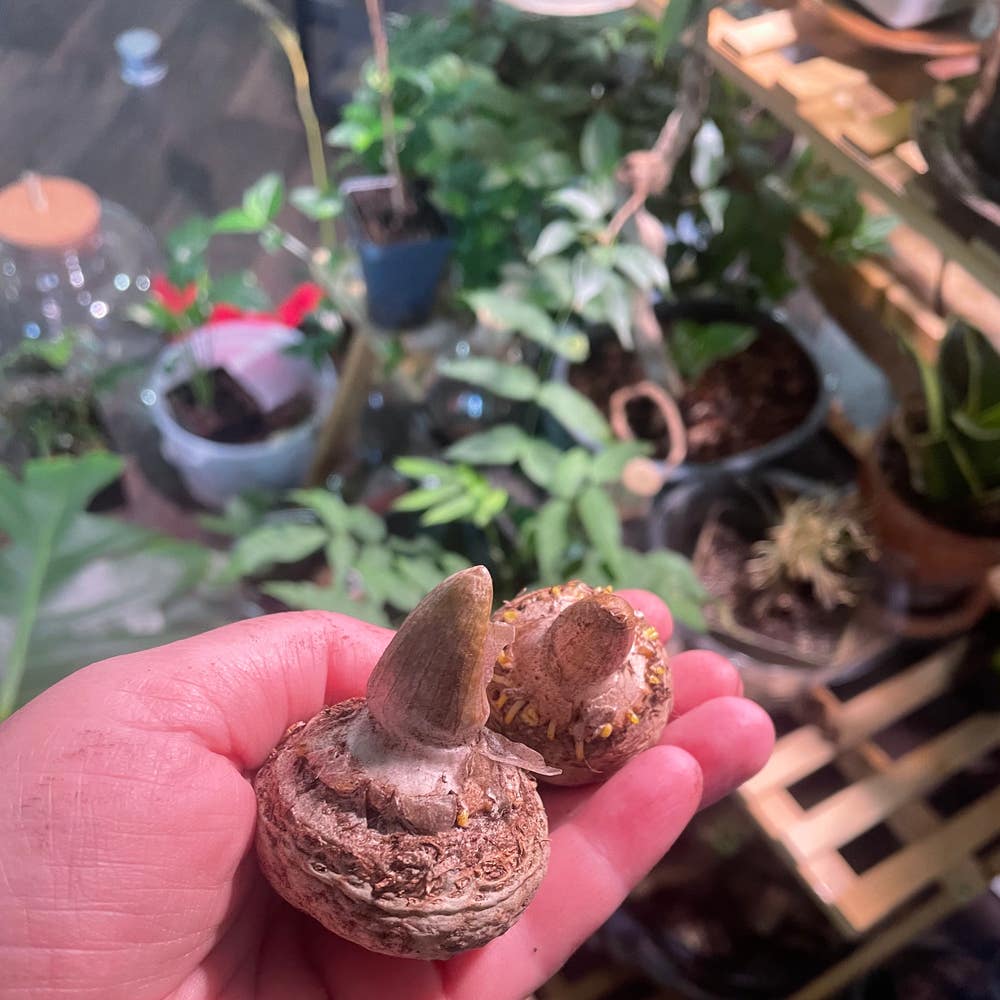
When planting, bury the rhizomes 3-4 inches deep to protect them from temperature fluctuations. Space them 12-18 inches apart to allow for adequate growth and airflow.
Watering Requirements 💧
Keep the soil consistently moist, watering as needed to prevent drying out. Utilize drip irrigation or gentle watering methods to avoid disturbing the soil structure.
Fertilizing Schedule 🌼
A balanced organic fertilizer is best for this plant. Fertilize in early spring and again in mid-summer to promote vigorous growth.
Pruning and Ongoing Care ✂️
In the fall, remove any dead foliage to maintain a tidy appearance. Regularly check for pests and diseases to ensure your plant remains healthy and vibrant.
This guide sets you up for success in growing Arisaema taiwanense var. taiwanense. Next, let’s explore how to propagate this fascinating plant!
Propagation
🌱 Seed Propagation
To propagate Arisaema taiwanense var. taiwanense from seeds, start with cold stratification. This process requires about 30 days in a cool environment to mimic winter conditions.
Once stratified, place the seeds in a warm, moist environment to encourage germination. This stage is crucial for successful growth, as the seeds thrive in warmth and consistent moisture.
✂️ Division of Rhizomes
Dividing rhizomes is another effective propagation method. The best time to do this is in early spring or fall when the plant is not actively growing.
When dividing, carefully separate the rhizomes, ensuring that each piece has roots attached. This technique helps maintain healthy plants and encourages new growth, allowing you to expand your garden effortlessly.
With these propagation methods, you can enjoy the beauty of Arisaema taiwanense var. taiwanense in your garden for years to come. Next, let's explore the lifecycle of this fascinating plant.
Lifecycle
Lifecycle Stages 🌱
The lifecycle of Arisaema taiwanense var. taiwanense unfolds through distinct stages. It begins with the seed stage, where germination takes about 2-4 weeks.
Next is the seedling stage, characterized by initial growth and the development of leaves. As the plant progresses into vegetative growth, it focuses on establishing robust roots and lush foliage. Finally, flowering occurs in late spring to early summer, showcasing the plant's stunning blooms.
Lifespan and Growth Rate ⏳
This fascinating plant takes approximately 3-4 years to reach its full size. During this time, it exhibits a moderate growth rate, typically growing around 6-12 inches per year.
Understanding these stages and growth patterns can help you nurture Arisaema taiwanense var. taiwanense effectively. With the right care, you can witness its beautiful transformation from seed to a mature plant, enriching your garden with its unique presence.
As we delve deeper into the specifics of this plant, let’s explore its size and growth characteristics next.
Size
Mature Height and Spread 🌱
Arisaema taiwanense var. taiwanense typically reaches a mature height of 24 to 36 inches. Its spread can range from 12 to 18 inches, making it a striking addition to shaded garden areas.
Growth Rate and Size Variability 📈
The growth rate of this plant is influenced by several factors, including light, moisture, and soil quality. Under optimal conditions, expect a moderate growth rate, but be aware that size can vary significantly based on the environment.
This variability means that your plant's final size may differ from others in different settings. Understanding these factors can help you create the best conditions for your Arisaema to thrive.
As you cultivate this unique species, keep in mind that patience is key. With the right care, your Arisaema will flourish, adding beauty and intrigue to your garden.
Next, we’ll explore the fascinating root system of this plant and its implications for growth and health.
Roots
Root System Characteristics 🌱
Arisaema taiwanense var. taiwanense features a rhizomatous root system, which allows it to store nutrients and water efficiently. These roots typically extend 12-18 inches deep, providing stability and access to moisture.
Common Root-Related Issues ⚠️
One common issue is root rot, often caused by overwatering. Symptoms include mushy roots that can lead to plant decline.
Another concern is being rootbound, which occurs when the roots grow too densely in the pot. Signs of this problem include stunted growth and circling roots that can hinder overall health.
Visual Cues for Healthy vs. Unhealthy Roots 👀
Healthy roots are firm and exhibit a white or light tan color, indicating vitality. In contrast, unhealthy roots appear dark, mushy, or foul-smelling, signaling potential problems that need immediate attention.
Understanding the root system and its health is crucial for the successful cultivation of Arisaema taiwanense. Proper care can prevent many issues and promote a thriving plant.
Benefits
Aesthetic Appeal 🌺
Arisaema taiwanense var. taiwanense boasts a unique appearance that can elevate any garden design. Its striking foliage and distinctive flowers create visual interest, making it a standout choice for plant enthusiasts.
Cultural Significance 🌍
This plant holds a special place in various cultures, symbolizing purity and healing. Incorporating it into your garden can connect you to these rich traditions and add a layer of meaning to your landscape.
Biodiversity Enhancement 🌱
By planting Arisaema taiwanense, you contribute to local ecosystems. This species attracts a variety of pollinators, supporting biodiversity and fostering a healthier garden environment.
Attracting Pollinators 🐝
The flowers of Arisaema taiwanense are particularly appealing to bees and other beneficial insects. Their presence not only aids in pollination but also enhances the overall vitality of your garden.
Medicinal Uses 💊
Historically, this plant has been utilized in herbal remedies for various ailments. While caution is advised due to its toxicity, understanding its medicinal properties can deepen your appreciation for this fascinating species.
Incorporating Arisaema taiwanense var. taiwanense into your garden not only beautifies your space but also enriches your connection to nature and its myriad benefits. Next, let's explore the concept of companion planting and how it can enhance your gardening experience.
Companion Plants
Concept of Companion Planting 🌱
Companion planting is all about creating a harmonious garden. It enhances diversity and can significantly improve pest management, making your garden not just beautiful but also healthier.
Recommended Companion Plants 🌼
When choosing companions for Arisaema taiwanense var. taiwanense, consider plants with similar care needs. Hostas, ferns, and astilbes thrive in similar shaded, moist environments.
Additionally, marigolds are excellent companions. They repel pests, providing a natural defense for your plants.
Plants to Avoid 🚫
While some plants work well together, others can create problems. Avoid planting near aggressive species like mint, which can outcompete your Arisaema for nutrients and space.
By carefully selecting companion plants, you can create a thriving ecosystem that supports your garden's health and beauty. This thoughtful approach not only enhances aesthetics but also contributes to a balanced garden environment.
Toxicity to Humans
Identification of Toxic Parts 🌿
Arisaema taiwanense var. taiwanense is not just a beautiful addition to your garden; it also contains toxic parts. The roots and leaves harbor harmful compounds that can pose risks if mishandled.
Symptoms of Poisoning 🤢
If ingested, symptoms of poisoning can manifest quickly. Common reactions include nausea, vomiting, and abdominal pain, which should not be taken lightly.
Exposure Risks ⚠️
Accidental consumption of any part of the plant can lead to serious health issues. Additionally, skin contact with the sap may cause irritation, so it's best to handle the plant with care.
When to Seek Medical Help 🚑
If ingestion occurs or if severe symptoms arise, seek immediate medical assistance. Prompt action can make a significant difference in outcomes, so don’t hesitate to reach out for help.
Understanding the toxicity of Arisaema taiwanense var. taiwanense is crucial for safe gardening. Next, let’s explore how this plant can affect our furry friends, particularly dogs.
Toxicity to Dogs
Toxic Parts of the Plant 🐶
All parts of Arisaema taiwanense var. taiwanense are toxic to dogs. This includes the roots, leaves, and flowers, which contain harmful compounds that can lead to serious health issues.
Symptoms of Poisoning 🤢
If a dog ingests any part of this plant, common symptoms include vomiting, drooling, and weakness. These signs can indicate a serious reaction, so it's essential to monitor your pet closely.
Prevention Measures 🚫
To keep your furry friends safe, supervise their outdoor activities to prevent them from nibbling on the plant. Additionally, consider removing Arisaema taiwanense from areas where your dog has access to minimize any risk of ingestion.
This awareness not only protects your pets but also enhances your gardening experience. By being proactive, you can enjoy the beauty of this unique plant while ensuring a safe environment for your beloved dogs.
Toxicity to Cats
Toxic Parts of the Plant 🐾
All parts of Arisaema taiwanense var. taiwanense are toxic to cats. This includes the roots, leaves, and flowers, making it crucial for pet owners to be aware of its presence in their gardens.
Symptoms of Poisoning 🤢
If a cat ingests any part of this plant, common symptoms include drooling, vomiting, and tremors. These signs can indicate a serious reaction, so it's essential to monitor your feline friend closely.
Prevention Measures 🛡️
To keep your cat safe, consider keeping them indoors, especially if you have this plant in your garden. Supervise their outdoor time to prevent any accidental interactions with the plant, ensuring a safer environment for your curious companion.
As you care for your garden, remember to prioritize the safety of your pets. Understanding the risks associated with certain plants can help you create a beautiful yet safe space for both your plants and your furry friends.
Problems
Common Issues 🌱
Growing Arisaema taiwanense var. taiwanense can come with its share of challenges. Two of the most common issues are overwatering and incorrect light conditions.
Overwatering often leads to yellowing leaves and root rot. This can be detrimental to the plant's health, so it's crucial to monitor moisture levels closely.
Incorrect light conditions can also cause problems. If the plant receives too much light, you might notice leggy growth or scorched leaves, indicating it's not thriving.
Identifying Symptoms 🔍
Identifying symptoms early can save your plant from serious damage. Yellowing leaves are a telltale sign of potential overwatering or nutrient deficiency.
Stunted growth can also signal trouble, often resulting from poor light conditions or root issues. Keeping an eye on these signs will help you maintain a healthy plant.
Solutions for Each Problem 🛠️
Fortunately, solutions are straightforward. For overwatering, adjust your watering schedule to allow the soil to dry out slightly between waterings.
If light conditions are the issue, consider relocating your plant to a shadier spot. Making these adjustments can significantly improve your plant's health and vitality.
By staying vigilant and responsive to these common problems, you can enjoy a thriving Arisaema taiwanense in your garden. Next, let's explore the pests that might threaten its well-being.
Bugs
🐜 Common Pests
When growing Arisaema taiwanense var. taiwanense, be on the lookout for common pests like spider mites and aphids. Spider mites often leave behind fine webbing and cause stippling on leaves, while aphids can lead to curled leaves and a sticky residue on the plant.
🔍 Identification and Damage Caused
These pests can significantly weaken your plants, reducing their vigor and overall health. Identifying these issues early is crucial to preventing further damage and ensuring your plant thrives.
🧴 Treatment Options
For effective pest control, consider using organic solutions like neem oil or insecticidal soap. These treatments are not only effective but also gentle on your plants, helping you maintain a healthy garden ecosystem.
By keeping an eye on your plants and addressing pest issues promptly, you can enjoy the beauty of Arisaema taiwanense without the worry of infestations. Next, let’s explore what garden animals might be munching on your plants.
What Eats
🦌 Common Garden Animals
In your garden, Arisaema taiwanense var. taiwanense may attract a few hungry visitors. Deer are notorious for browsing on leaves and stems, while rabbits leave behind clear signs of nibbling on foliage.
🕵️♂️ Signs of Animal Presence
To identify if these critters are visiting your garden, look for tracks and droppings. These telltale signs indicate animal activity and can help you determine which species might be causing trouble.
🚫 Deterrent Methods
Preventing these animals from munching on your plants is crucial for their health. Consider installing fencing as a barrier to keep them out.
Additionally, natural repellents like garlic or cayenne pepper can deter these pests. Sprinkling these around your plants may help keep them at bay, allowing your Arisaema taiwanense to thrive without interference.
As you protect your garden, remember that a little vigilance goes a long way. With the right strategies, you can enjoy the beauty of your plants without the worry of unwanted nibblers.
⚠️ Safety First
This content is for general information and may contain errors, omissions, or outdated details. It is not medical, veterinary advice, or an endorsement of therapeutic claims.
Always consult a qualified healthcare professional before using any plant as food, medicine, or supplement.
Never eat any plant (or feed one to pets) without confirming its identity with at least two trusted sources.
If you suspect poisoning, call Poison Control (800) 222-1222, the Pet Poison Helpline (800) 213-6680, or your local emergency service immediately.
Spotted an error? Please report it here.
Cultivate the stunning Arisaema taiwanense 🌿 in your garden with tailored care tips from Greg, ensuring it thrives beautifully while you enjoy its unique charm!