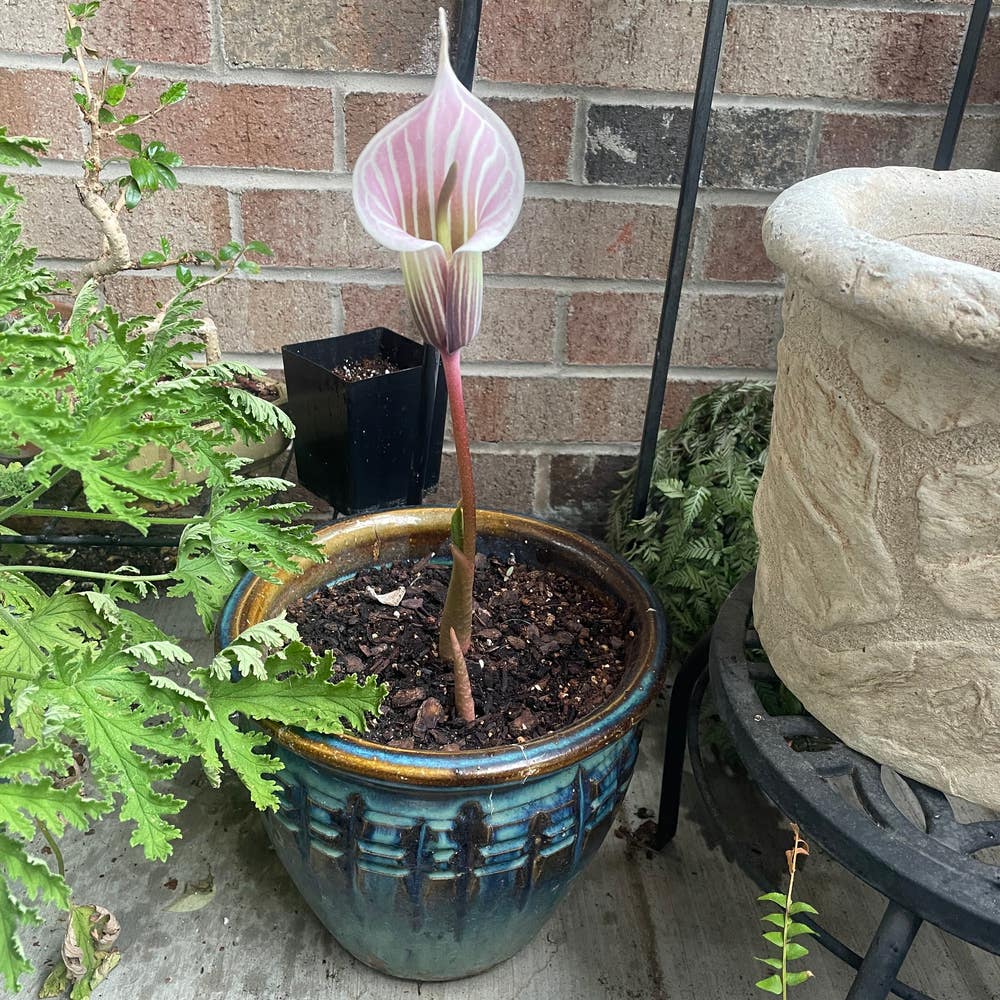
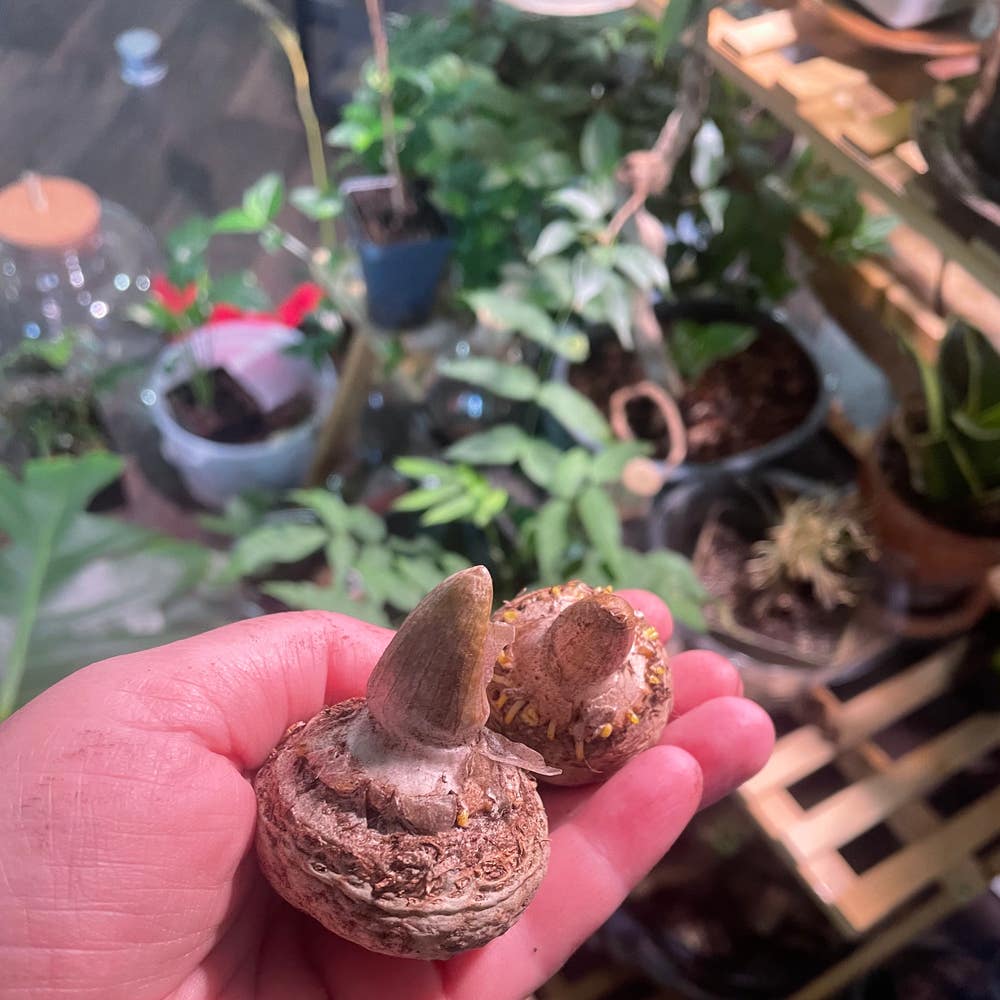
🌺 All About Arisaema rubrirhizomatum: Essential Facts
Arisaema rubrirhizomatum
By the Greg Editorial Team
Feb 26, 2025•11 min read
This article was created with the help of AI so we can cover more plants for you. May contain errors. See one? Report it here.
Unlock the secrets to thriving Arisaema rubrirhizomatum 🌱 and elevate your garden's beauty with expert care tips!
- 🌱 Arisaema rubrirhizomatum thrives in shade with high humidity and moderate temperatures.
- 🌿 Use well-draining, organic soil with a pH of 6.0 to 7.0 for optimal growth.
- 🐾 Parts can irritate humans and pets; handle with care to avoid symptoms.
How to Grow
Choosing a Location 🌳
Arisaema rubrirhizomatum thrives in partial to full shade, making it perfect for those dim corners of your garden. It prefers cool to moderate temperatures and requires high humidity levels to flourish.
Soil Preparation 🏞️
For optimal growth, use well-draining soil rich in organic matter. Aim for a slightly acidic to neutral pH (between 6.0 and 7.0) to create the best environment for your plant.
Planting Techniques 🌱
When planting, dig a hole 2-4 inches deep to accommodate the rhizomes. Space them 12-18 inches apart to ensure they have room to grow and spread.
Watering Requirements 💧
Keep the soil consistently moist but avoid waterlogging, which can harm the roots. Water at the base of the plant to prevent wetting the foliage, which can lead to fungal issues.
Fertilizing 🌼
Use a balanced, slow-release fertilizer to provide essential nutrients. Fertilize every 4-6 weeks during the growing season to support healthy growth.
Pruning and Ongoing Care ✂️
In late fall, cut back any spent leaves to tidy up your garden. Regularly monitor your plants for pests and diseases, adjusting your watering routine as needed to keep them healthy.
This comprehensive care routine will help ensure your Arisaema rubrirhizomatum thrives, setting the stage for a beautiful display in your garden. Next, let’s explore how to propagate this fascinating plant!
Propagation
🌱 Seed Propagation
To propagate Arisaema rubrirhizomatum from seeds, start by soaking them for 24 hours before planting. This simple step kickstarts the germination process, which thrives in a warm, moist environment for about 4-6 weeks.
✂️ Division of Rhizomes
Dividing rhizomes is another effective propagation method. The best time to do this is in early spring or fall, when the plant is less stressed.
When separating rhizomes, be careful to ensure each piece has roots and a growing point. This attention to detail will help your new plants establish themselves successfully.
With these propagation techniques, you can expand your collection of this unique plant and share its beauty with others. Now, let’s explore the lifecycle of Arisaema rubrirhizomatum and understand its growth stages.
Lifecycle
🌱 Overview of Lifecycle Stages
The lifecycle of Arisaema rubrirhizomatum is a fascinating journey that begins with seeds or cuttings. It progresses through several key stages: germination, seedling development, vegetative growth, flowering, and ultimately, seed production.
⏳ Lifespan and Maturity
As a perennial plant, Arisaema rubrirhizomatum can thrive for several years, bringing beauty to your garden season after season. It typically takes about three years to reach full maturity, allowing you to enjoy its striking features for many growing seasons.
This lifecycle not only showcases the resilience of this plant but also highlights the importance of patience in gardening. Understanding these stages can help you provide the best care and ensure a thriving plant.
With this knowledge, you can look forward to the vibrant display of flowers and the satisfaction of nurturing a living organism through its life stages. Next, let’s explore how to effectively propagate this unique plant.
Size
Mature Height and Spread 🌱
Arisaema rubrirhizomatum typically reaches a mature height of 24 to 36 inches. Its spread ranges from 12 to 18 inches, making it a striking addition to any garden.
Growth Rate and Size Variability 📈
This plant has a moderate growth rate, increasing in height and spread each year. Factors such as soil quality, moisture levels, and light conditions can significantly influence its overall size.
Understanding these aspects will help you create the ideal environment for your Arisaema rubrirhizomatum, ensuring it thrives beautifully in your garden. As we move forward, let’s explore the roots of this fascinating plant and their characteristics.
Roots
Characteristics of the Root System 🌱
Arisaema rubrirhizomatum features a rhizomatous root system, which means it grows from underground stems called rhizomes. These roots are typically shallow and spread horizontally, allowing the plant to establish itself effectively in its environment.
Common Root-Related Issues ⚠️
One of the most common problems with this plant is root rot, often caused by overwatering. Symptoms include mushy roots that can lead to the plant's decline if not addressed promptly.
Another issue is becoming rootbound, which occurs when the roots fill the container. Signs of this condition include stunted growth and a lack of vigor in the plant.
Visual Cues for Healthy vs. Unhealthy Roots 👀
Healthy roots are firm and exhibit a white or light tan color, indicating good health and vitality. In contrast, unhealthy roots may appear dark, mushy, or even emit a foul smell, signaling that immediate action is needed.
Understanding these root characteristics and issues is crucial for maintaining the health of your Arisaema rubrirhizomatum. By monitoring root health, you can ensure your plant thrives and flourishes in your garden.
As we move forward, let’s explore the benefits of this unique plant and how it can enhance your garden's appeal.
Benefits
Unique Ornamental Appeal 🌺
Arisaema rubrirhizomatum boasts striking hooded flowers that can transform any garden into a visual delight. Their unique shape and vibrant colors make them a standout choice for garden enthusiasts.
Cultural Significance 📜
This plant holds a special place in traditional medicine, particularly within Asian communities. Its historical use underscores its importance beyond mere aesthetics.
Biodiversity 🌼
By attracting pollinators and beneficial insects, Arisaema rubrirhizomatum plays a vital role in supporting local ecosystems. This biodiversity enhances the health and resilience of your garden.
Soil Improvement 🌱
The rhizomes of this plant help aerate and enrich the soil. This natural process contributes to a healthier growing environment for surrounding plants.
Shade Tolerance 🌳
Ideal for low-light garden areas, Arisaema rubrirhizomatum thrives in partial to full shade. This makes it a perfect choice for those tricky spots in your garden where other plants might struggle.
Incorporating Arisaema rubrirhizomatum into your garden not only beautifies the space but also promotes ecological health and cultural appreciation. Next, let’s explore the best companion plants to pair with this stunning species.
Companion Plants
Explanation of Companion Planting 🌱
Companion planting is a gardening strategy that enhances diversity and promotes healthier plants. By pairing compatible species, you can improve pest management and create a more vibrant ecosystem in your garden.
List of Compatible Companion Plants 🌼
When growing Arisaema rubrirhizomatum, consider these companions:
- Hostas: They share similar shade and moisture requirements, making them perfect partners.
- Ferns: Their lush foliage complements the unique appearance of Arisaema and thrives in similar habitats.
- Astilbe: This colorful addition not only beautifies your garden but also flourishes under the same conditions.
Plants to Avoid Planting Near 🚫
While some plants thrive alongside Arisaema, others can hinder its growth. Avoid planting near:
- Aggressive weeds: These can compete fiercely for nutrients and space, stunting your plant's growth.
- Plants with high water needs: They may lead to over-saturation, which can harm Arisaema's roots.
By choosing the right companions and avoiding detrimental neighbors, you can create a thriving garden that showcases the beauty of Arisaema rubrirhizomatum. This thoughtful approach not only enhances your garden's aesthetics but also fosters a healthier growing environment.
Next, let’s explore the potential toxicity of Arisaema rubrirhizomatum to humans and pets.
Toxicity to Humans
Parts of the Plant That May Cause Irritation 🌿
Arisaema rubrirhizomatum has specific parts that can cause irritation. The leaves, stems, and flowers are the primary culprits to be cautious of.
Symptoms of Discomfort 🤕
If contact occurs, you might experience skin rashes, itching, or mild gastrointestinal upset. These symptoms can be uncomfortable but are generally not severe.
How Irritation Can Occur ⚠️
Irritation typically happens through handling the plant material or exposure to its sap. It's essential to be mindful when working with this plant.
Guidance on When to Seek Medical Care 🚑
Most irritation cases resolve on their own, but seek medical care if symptoms persist or worsen. It's always better to err on the side of caution.
Tips for Safe Handling 🧤
To minimize risk, wear gloves when handling Arisaema rubrirhizomatum. Afterward, wash your hands thoroughly to remove any potential irritants.
This knowledge will help you enjoy the beauty of this plant while staying safe. Next, let’s explore its toxicity to pets, particularly dogs.
Toxicity to Dogs
Parts of the Plant That May Cause Irritation 🌿
Arisaema rubrirhizomatum can be harmful to dogs, particularly its leaves and stems. These parts contain compounds that may lead to irritation if ingested or handled.
Symptoms of Discomfort 🐶
If your dog comes into contact with this plant, watch for signs like drooling, pawing at the mouth, or mild vomiting. These symptoms indicate that your furry friend is experiencing some discomfort.
Guidance on When to Seek Veterinary Care 🚑
Most cases of irritation resolve on their own, but it's wise to seek veterinary care if symptoms persist or worsen. Your vet can provide the best advice and treatment options to ensure your dog's well-being.
By staying informed about the potential risks of Arisaema rubrirhizomatum, you can create a safer environment for your pets while enjoying the beauty of this unique plant.
Toxicity to Cats
Parts of the Plant That May Cause Irritation 🌿
The leaves and stems of Arisaema rubrirhizomatum can be problematic for cats. These parts contain compounds that may lead to irritation upon contact.
Symptoms of Discomfort 😿
If your cat comes into contact with this plant, you might notice symptoms like drooling, pawing at the mouth, or mild vomiting. These signs indicate that your feline friend is experiencing some discomfort.
Guidance on When to Seek Veterinary Care 🩺
Most cases of irritation resolve on their own, but it's wise to seek veterinary care if symptoms persist or worsen. Keeping an eye on your cat's condition can help ensure their well-being.
As a responsible pet owner, it's essential to be aware of the plants in your home and garden. By understanding the potential risks, you can create a safer environment for your furry companions.
Problems
Common Problems Faced 🌱
Growing Arisaema rubrirhizomatum can be rewarding, but it does come with its challenges.
- Incorrect watering: Overwatering can lead to root rot, while underwatering results in wilting.
- Incorrect light conditions: Too much sunlight can scorch the delicate leaves.
- Diseases: Fungal issues, such as powdery mildew and blight, can also pose threats.
Identification and Resolution of Issues 🔍
To keep your plant thriving, it's crucial to recognize potential problems early.
- Recognizing problems: Keep an eye out for wilting, discoloration, or stunted growth.
- Solutions: Adjust your watering routine, relocate the plant to a more suitable light condition, and treat any diseases promptly to ensure a healthy growth environment.
By staying vigilant and proactive, you can enjoy the beauty of Arisaema rubrirhizomatum without the hassle of common gardening issues.
Bugs
🐞 Potential Pest Issues
While Arisaema rubrirhizomatum boasts moderate pest resistance, it can still fall prey to a few unwelcome visitors. Keeping an eye out for these pests is essential to maintaining the health of your plant.
🕷️ Identification and Treatment of Relevant Pests
Spider Mites
These tiny pests leave fine webbing on leaves, indicating their presence. Treat spider mites promptly with insecticidal soap to keep them at bay.
Mealybugs
Look for cotton-like masses on your plant; these are mealybugs. You can easily remove them using cotton swabs dipped in alcohol.
Aphids
These small green insects can quickly multiply and damage your plant. Control aphid populations with neem oil or insecticidal soap for effective treatment.
By staying vigilant and addressing pest issues promptly, you can ensure your Arisaema rubrirhizomatum thrives. Next, let’s explore what animals might be interested in snacking on your plant.
What Eats
Common Animals That May Damage the Plant 🦌
Arisaema rubrirhizomatum can attract a variety of hungry critters.
- Deer: These graceful animals often leave signs of their presence with chewed leaves and broken stems.
- Rabbits: Look for evidence of nibbling on the lower leaves, which can indicate a rabbit's appetite.
- Squirrels: These energetic little creatures may dig around the base of the plant, causing disturbance.
Signs of Animal Presence and Damage 🐾
Identifying animal damage is crucial for protecting your plants.
Look for chewed foliage, which signals that something has taken a bite. Trampled soil or droppings nearby can also indicate animal activity in your garden.
Methods for Deterring or Managing These Animals 🚫
Preventing damage from these animals can be achieved through various methods.
- Chemical deterrents: Consider using commercial repellents or homemade solutions to keep them at bay.
- Organic control: Fencing can be an effective barrier, or you might plant deterrent species nearby to discourage their presence.
By being proactive, you can enjoy the beauty of Arisaema rubrirhizomatum without the worry of unwanted munchers. Next, let’s explore the potential pest issues that may affect this unique plant.
⚠️ Safety First
This content is for general information and may contain errors, omissions, or outdated details. It is not medical, veterinary advice, or an endorsement of therapeutic claims.
Always consult a qualified healthcare professional before using any plant as food, medicine, or supplement.
Never eat any plant (or feed one to pets) without confirming its identity with at least two trusted sources.
If you suspect poisoning, call Poison Control (800) 222-1222, the Pet Poison Helpline (800) 213-6680, or your local emergency service immediately.
Spotted an error? Please report it here.
Nurture your Arisaema rubrirhizomatum to thrive beautifully 🌿 with Greg's tailored care reminders and expert tips that ensure your garden flourishes while supporting local biodiversity!