🐍 What is a Arisaema murrayi var. sahyadricum? Complete Guide
Arisaema murrayi var. sahyadricum
By the Greg Editorial Team
Feb 26, 2025•12 min read
This article was created with the help of AI so we can cover more plants for you. May contain errors. See one? Report it here.
Unlock the secrets to thriving Arisaema murrayi var. sahyadricum 🌱 and elevate your garden's beauty and biodiversity!
- 🌳 Arisaema murrayi var. sahyadricum thrives in shaded, moist environments for optimal growth.
- 🌱 Use rich, well-draining soil and apply balanced fertilizer for healthy development.
- 🐾 This plant is toxic to pets and humans, so handle with care!
How to Grow
🌳 Choosing a location
Arisaema murrayi var. sahyadricum thrives in shaded areas, making light conditions crucial for its growth. A location that offers protection from harsh elements while retaining moisture creates an ideal microclimate for this plant.
🌱 Soil preparation
For optimal growth, this plant prefers well-draining, rich organic soil. Enhancing the soil with compost or leaf mold can significantly boost its nutrient content.
🌼 Planting techniques
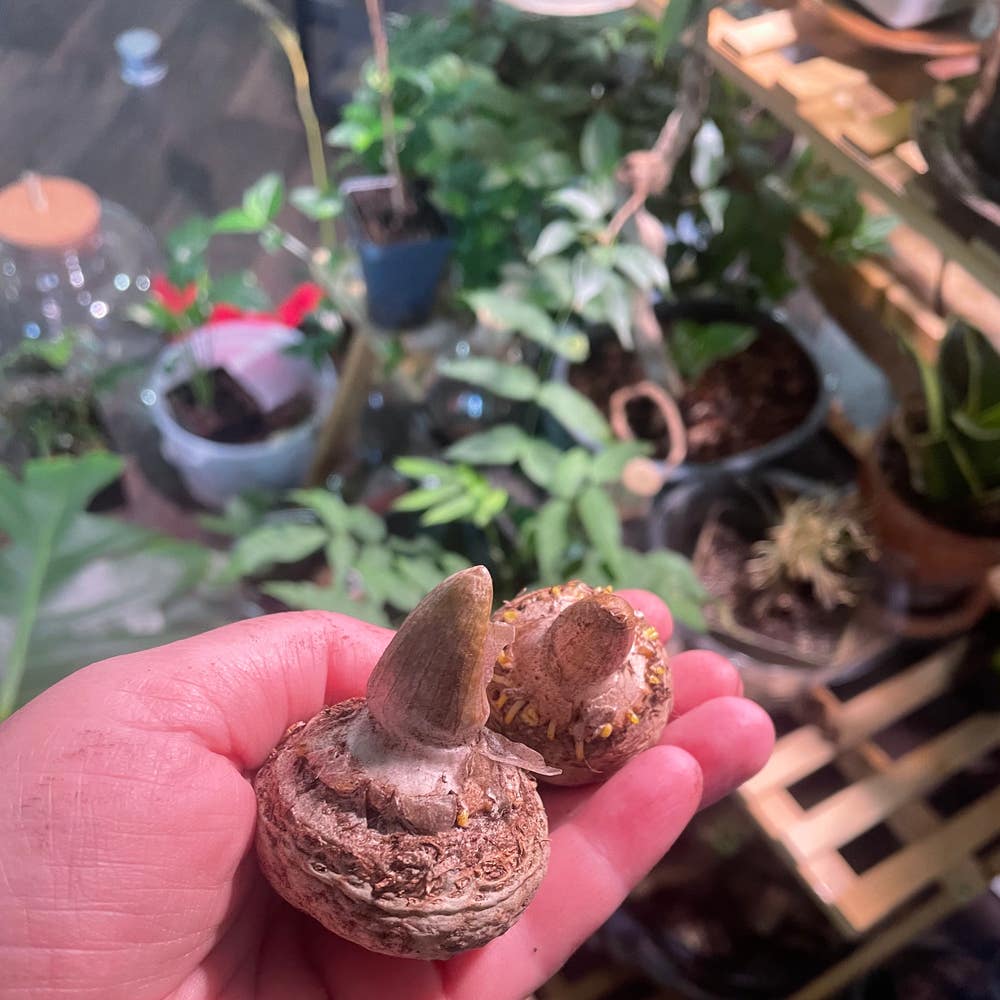
When planting, ensure the bulbs are placed 2-3 inches deep in the soil. Space them 12-18 inches apart to allow for healthy growth and air circulation.
💧 Watering requirements
Maintaining consistent moisture is vital, as waterlogging can harm the plant. During dry spells, aim for weekly watering to keep the soil adequately moist.
🌿 Fertilizing schedule
A balanced organic fertilizer is best for Arisaema murrayi var. sahyadricum. Apply it in early spring and again in mid-summer to support robust growth.
✂️ Pruning and ongoing care
Regularly remove dead or damaged leaves to encourage new growth. Additionally, monitor moisture levels and soil health throughout the seasons for optimal care.
🪴 Outdoor vs. container growing
If you choose container growing, ensure the pots are large enough with proper drainage. Outdoor planting mimics the plant's natural habitat, providing a more conducive environment for growth.
This guide sets you up for success in growing Arisaema murrayi var. sahyadricum. Next, let's explore how to propagate this fascinating plant!
Propagation
🌱 Seed Propagation
Spring is the ideal time for seed propagation of Arisaema murrayi var. sahyadricum. This season provides the warm, moist environment necessary for successful germination.
✂️ Division of Rhizomes
To maintain healthy growth, divide the rhizomes every 3-4 years. This involves carefully separating the rhizomes while ensuring the roots remain intact.
🌼 Offsets and Bulb Propagation
Offsets are new growths that appear around the main plant. When planting these offsets, ensure they have adequate spacing to thrive and develop properly.
By understanding these propagation methods, you can effectively expand your collection of Arisaema murrayi var. sahyadricum and enjoy its unique beauty in your garden. Next, let’s explore the lifecycle of this fascinating plant.
Lifecycle
🌱 Lifecycle stages
Arisaema murrayi var. sahyadricum is a perennial plant, meaning it lives for multiple years. This characteristic allows it to thrive and adapt to its environment over time.
🌱 Germination process
The germination of its seeds typically takes about 2-4 weeks. Providing a warm and moist environment is crucial for successful sprouting.
🌱 Seedling stage
During the seedling stage, the plant focuses on initial leaf growth and establishing its root system. This foundational development is vital for future health and vigor.
🌱 Vegetative growth
As the plant enters vegetative growth, you'll notice significant leaf expansion. This phase is essential for energy accumulation, setting the stage for flowering.
🌱 Flowering and seed production
Arisaema murrayi var. sahyadricum flowers from late spring to early summer. Successful seed production depends on optimal conditions during this period, ensuring the continuation of the species.
🌱 Lifespan and growth timeline
Under ideal conditions, this plant can live for 5-10 years. It has a moderate growth rate, typically reaching maturity in about 2-3 years, making it a rewarding addition to your garden.
With a solid understanding of its lifecycle, you can better appreciate the care and attention this unique plant requires. Next, let’s explore the size of Arisaema murrayi var. sahyadricum and how it fits into your garden space.
Size
Mature height and spread 🌱
Arisaema murrayi var. sahyadricum typically reaches a height of 2 to 3 feet, with a spread of 1 to 2 feet. This size makes it a striking addition to shaded garden areas, providing a lush, tropical feel.
Growth rate and size variability 📈
The growth rate of this plant can vary significantly based on several factors. Soil quality, moisture levels, and light conditions all play crucial roles in determining how quickly and robustly it grows.
Factors affecting size 🌡️
Environmental influences such as temperature and humidity also impact the overall size of Arisaema murrayi var. sahyadricum. Additionally, competition with other plants can affect its growth, as it may struggle to thrive in overcrowded conditions.
Understanding these size dynamics can help you create the ideal environment for your Arisaema, ensuring it flourishes beautifully in your garden. Now, let's explore the fascinating lifecycle of this unique plant.
Roots
Root system characteristics 🌱
Arisaema murrayi var. sahyadricum features a rhizomatous root system, which is essential for its growth and stability. This type of root system allows for shallow yet extensive lateral growth, helping the plant to absorb moisture and nutrients efficiently.
Common root-related issues ⚠️
One of the most common problems growers face is root rot, which can occur when the soil is too wet or poorly drained. Symptoms include yellowing leaves and a foul smell from the soil, so it's crucial to ensure proper drainage and avoid overwatering.
Identifying healthy roots is key to maintaining plant health. Healthy roots are firm and white, while unhealthy roots may appear brown and mushy. Regularly checking the roots can help catch issues before they escalate.
Recognizing rootbound plants 🔗
A rootbound plant occurs when its roots circle the pot, restricting growth and nutrient uptake. Signs of a rootbound plant include stunted growth and roots emerging from the drainage holes.
To remedy this, consider repotting the plant into a larger container. Gently loosen the roots and trim any that are excessively long to encourage healthy growth.
Benefits
🌼 Aesthetic appeal in gardens
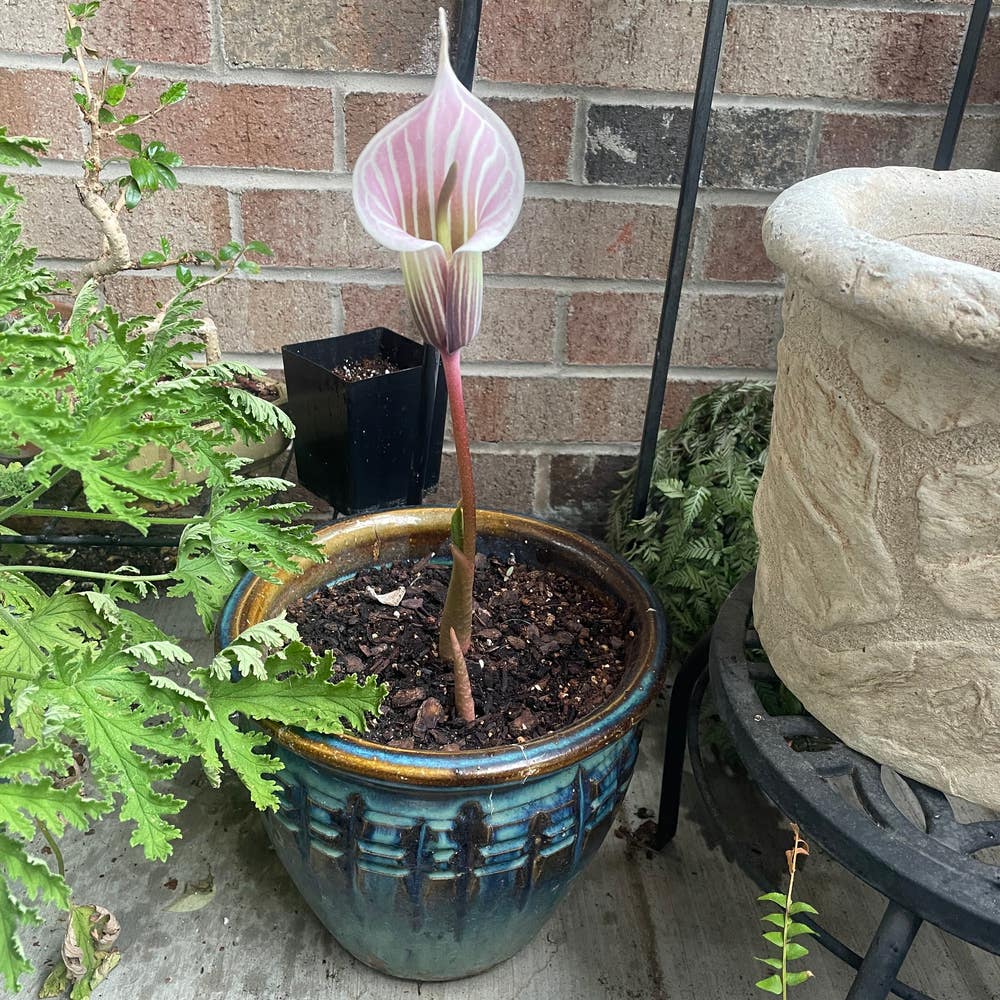
Arisaema murrayi var. sahyadricum brings a unique visual charm to any garden. Its striking inflorescence and lush foliage create an eye-catching focal point that can enhance the beauty of shaded areas.
🐝 Biodiversity contribution
This plant plays a vital role in local ecosystems. By supporting pollinators and wildlife, it helps maintain a balanced environment, making it a valuable addition to any garden.
🎭 Cultural significance
Historically, Arisaema murrayi var. sahyadricum has been woven into local traditions and folklore. Its presence often signifies cultural heritage and connection to the land.
🌿 Medicinal uses
In traditional herbal medicine, this plant is believed to offer potential health benefits. While not widely studied, its historical uses suggest it may have properties worth exploring.
🌍 Environmental benefits
Beyond aesthetics, Arisaema murrayi var. sahyadricum contributes to soil health. Its ability to improve soil moisture retention makes it an excellent choice for sustainable gardening practices.
These benefits highlight why incorporating Arisaema murrayi var. sahyadricum into your garden is a wise choice. Next, let’s explore the concept of companion planting and how it can further enhance your gardening experience.
Companion Plants
🌱 Concept of Companion Planting
Companion planting is all about creating a harmonious garden environment. By pairing plants that support each other's growth, you can enhance overall health, manage pests, and boost biodiversity.
🌿 Best Companion Plants
When growing Arisaema murrayi var. sahyadricum, consider adding ferns and hostas. These shade-loving species thrive in similar conditions, making them perfect companions.
🌼 Benefits of Companion Planting
Companion plants can create symbiotic relationships that benefit both species. For instance, they can improve nutrient uptake and provide natural pest resistance, leading to a healthier garden ecosystem.
🚫 Plants to Avoid
Not all plants play well together. Avoid species that compete for resources or attract pests, as they can hinder the growth of your Arisaema. Keeping an eye on plant compatibility is key to a thriving garden.
By thoughtfully selecting companion plants, you can create a vibrant and resilient garden space. This not only enhances the beauty of your Arisaema but also supports a diverse ecosystem. Next, let's explore the potential toxicity of Arisaema to humans, dogs, and cats.
Toxicity to Humans
Parts of the plant that may cause irritation 🌿
Arisaema murrayi var. sahyadricum has specific parts that can cause irritation. The leaves, stems, and sap are the main culprits, so it's essential to handle this plant with care.
Symptoms of irritation ⚠️
If contact occurs, you might experience skin rashes, itching, or mild gastrointestinal upset. These reactions can vary in severity, so it's crucial to be aware of your body's responses.
Handling precautions 🧤
To avoid irritation, always wear gloves when handling the plant. Additionally, steer clear of direct contact with the sap to minimize any adverse reactions.
When to seek medical care 🚑
If you notice persistent or worsening irritation, it's wise to seek medical attention. Don't hesitate to consult a healthcare professional if symptoms escalate or become concerning.
This knowledge about toxicity is vital for safe interactions with Arisaema murrayi var. sahyadricum. Understanding these precautions can help you enjoy the beauty of this plant without unnecessary risks. Next, let’s explore how this fascinating plant can impact our furry friends.
Toxicity to Dogs
Parts of the plant that may cause irritation 🌿
Arisaema murrayi var. sahyadricum can pose risks to dogs, particularly through its leaves and sap. These parts contain compounds that may lead to irritation if ingested or contacted.
Symptoms of discomfort in dogs 🐶
If a dog interacts with this plant, you might notice symptoms like drooling, pawing at the mouth, or mild vomiting. These reactions indicate that the plant is causing some discomfort.
Handling precautions ⚠️
To keep your furry friends safe, monitor their interactions with the plant closely. It's wise to create a barrier or choose a different planting area if your dog has a tendency to explore.
When to seek veterinary care 🏥
If your dog shows persistent or worsening symptoms, it’s crucial to consult a veterinarian. Early intervention can help prevent more serious health issues and ensure your pet's well-being.
By being aware of these factors, you can enjoy your garden while keeping your canine companions safe. Next, let’s explore how Arisaema affects our feline friends.
Toxicity to Cats
Parts of the plant that may cause irritation 🌿
Arisaema murrayi var. sahyadricum can pose risks to cats, particularly through its leaves and sap. These parts contain compounds that may lead to irritation upon contact.
Symptoms of discomfort in cats 😿
If a cat interacts with this plant, you might notice symptoms like drooling, pawing at the mouth, or mild vomiting. These reactions indicate that the plant is causing some discomfort.
Handling precautions 🛡️
To keep your feline friends safe, monitor their interactions with the plant closely. Consider placing the plant in an area that is less accessible to curious cats.
When to seek veterinary care 🚑
If your cat shows persistent or worsening symptoms, it’s essential to seek veterinary care. Quick action can help ensure your pet receives the appropriate treatment and care.
By being aware of these potential hazards, you can enjoy your garden while keeping your furry companions safe. Next, let’s explore how to manage common problems that may arise when growing Arisaema murrayi var. sahyadricum.
Problems
🌱 Common issues faced by growers
Growing Arisaema murrayi var. sahyadricum can be rewarding, but it comes with its share of challenges. Understanding these common issues can help you maintain a thriving plant.
💧 Incorrect watering
Watering is crucial for healthy growth. Overwatering can lead to root rot, while underwatering may cause wilting and stress. Look for signs like yellowing leaves for overwatering and drooping leaves for underwatering.
💡 Incorrect light conditions
Light plays a significant role in plant health. If your Arisaema isn’t getting enough light, you might notice leggy growth or pale foliage. Conversely, too much direct sunlight can scorch the leaves, leading to browning edges.
🌡️ Incorrect temperature
Temperature extremes can hinder growth. If it’s too hot, the plant may struggle to thrive, while cold temperatures can stunt its development. Aim for a stable environment to keep your Arisaema happy.
🦠 Diseases
Fungal diseases can be a real threat. Powdery mildew and root rot are common culprits. Keep an eye out for white, powdery spots on leaves or mushy roots, and act quickly to prevent spread.
🍃 Leaf issues
Leaf health is a good indicator of overall plant well-being. Scorching, yellowing, or fuzzy growth can signal problems. Regularly inspect your plant to catch any issues early and ensure it remains vibrant.
By being proactive about these common problems, you can enjoy the beauty of Arisaema murrayi var. sahyadricum in your garden. Next, let’s explore the pests that might disrupt your plant’s growth.
Bugs
Common pests affecting Arisaema 🐛
Arisaema murrayi var. sahyadricum can attract a variety of pests, but it generally shows good resistance to many common threats. However, vigilance is key to keeping your plant healthy and thriving.
Identification of pests 🔍
Keep an eye out for these common pests that might invade your Arisaema:
- Spider Mites: Tiny, often invisible to the naked eye, they can cause significant damage.
- Aphids: Small, soft-bodied insects that cluster on new growth.
- Mealybugs: White, cottony pests that can be found in leaf axils.
- Whiteflies: Small, white flying insects that can weaken your plant.
Damage caused by pests ⚠️
Pest infestations can lead to noticeable symptoms, including:
- Leaf Damage: Look for discoloration, curling, or holes in the leaves.
- Stunted Growth: Affected plants may struggle to grow or produce fewer leaves.
Treatment options for pest control 🛠️
To combat these pests, consider these effective treatment options:
- Organic Treatments: Neem oil or insecticidal soap can be effective and safe for your garden.
- Chemical Treatments: If infestations are severe, a targeted pesticide may be necessary.
- Preventive Measures: Regularly inspect your plants and maintain good air circulation to deter pests.
By staying proactive and informed, you can ensure your Arisaema remains healthy and vibrant. Next, let's explore what animals might be munching on your beloved plant.
What Eats Arisaema
🦌 Common animals that may damage Arisaema
Arisaema murrayi var. sahyadricum can attract a variety of herbivores. Common culprits include deer, rabbits, squirrels, and rodents, all of which may find the plant's foliage irresistible.
🔍 Signs of animal presence
Identifying damage from these animals is crucial for effective management. Look for browsing patterns on leaves and droppings around the base of the plant, which can indicate recent visits.
⚠️ Types of damage caused
The impact on plant health can be significant. Herbivores may strip leaves, leading to reduced photosynthesis, or disturb roots, which can hinder overall growth and vitality.
🚫 Deterrent methods for animals
To protect your Arisaema, consider several control strategies. Fencing can create a physical barrier, while repellents can deter animals with unpleasant scents. Additionally, companion planting with less palatable species can help keep herbivores at bay.
By understanding what eats Arisaema and implementing these deterrent methods, you can help ensure your plants thrive in their natural habitat. Next, let’s explore the common problems growers face with this unique species.
⚠️ Safety First
This content is for general information and may contain errors, omissions, or outdated details. It is not medical, veterinary advice, or an endorsement of therapeutic claims.
Always consult a qualified healthcare professional before using any plant as food, medicine, or supplement.
Never eat any plant (or feed one to pets) without confirming its identity with at least two trusted sources.
If you suspect poisoning, call Poison Control (800) 222-1222, the Pet Poison Helpline (800) 213-6680, or your local emergency service immediately.
Spotted an error? Please report it here.
Ensure your Arisaema murrayi var. sahyadricum thrives 🌱 by using Greg for tailored watering alerts and care tips that match its unique needs!