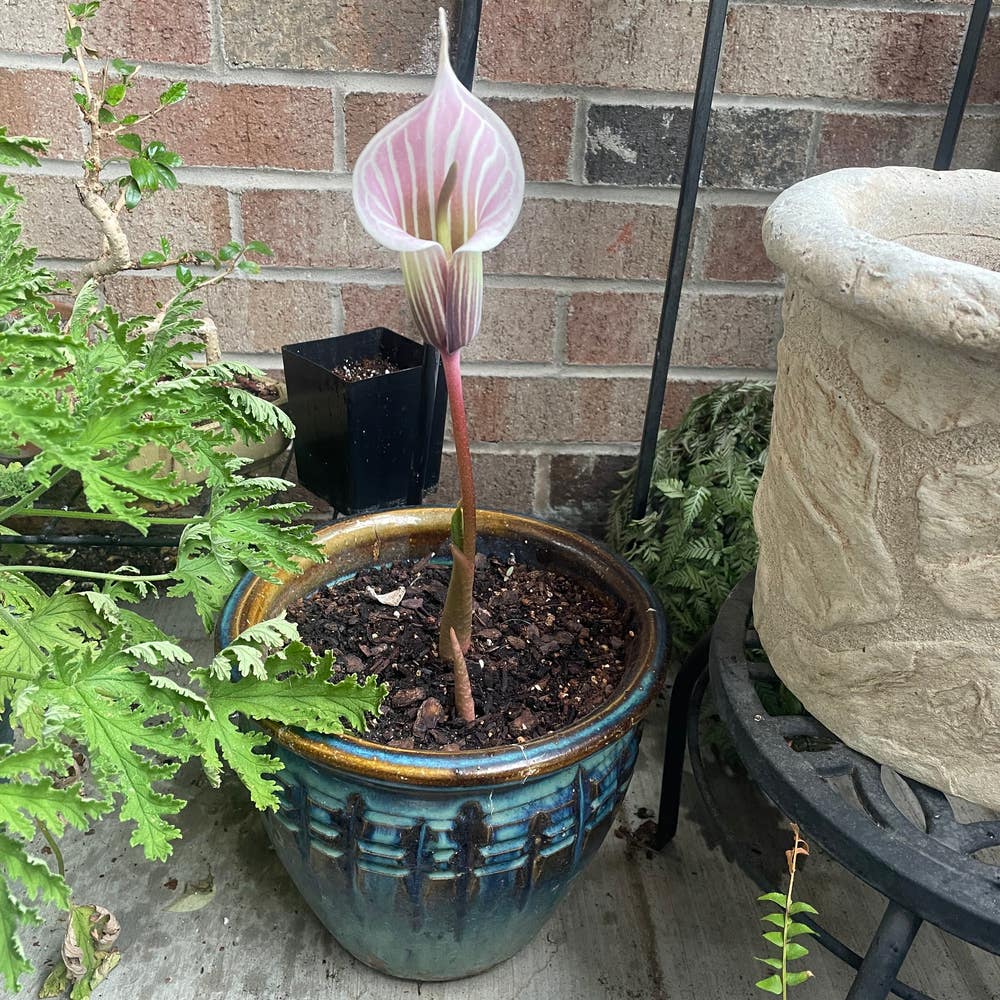
🌺 All About Arisaema ghaticum: Essential Facts
Arisaema ghaticum
By the Greg Editorial Team
Feb 26, 2025•11 min read
This article was created with the help of AI so we can cover more plants for you. May contain errors. See one? Report it here.
Elevate your garden's beauty and biodiversity with the unique Arisaema ghaticum! 🌿
- 🌱 Arisaema ghaticum thrives in moist, shaded areas for optimal growth.
- 🌿 Use well-draining, organic soil with a pH of 6.0-7.0 for best results.
- 🐾 Handle with care; it can irritate pets and humans if ingested.
How to Grow
Choosing a Location 🌳
To thrive, Arisaema ghaticum prefers moist, shaded areas that closely resemble its natural habitat. When deciding between outdoor and container growing, consider the light and moisture levels available in your chosen spot.
Soil Preparation 🌱
This plant flourishes in well-draining, rich, organic soil. Aim for a slightly acidic to neutral pH level, ideally between 6.0 and 7.0, and enhance your soil by incorporating compost or well-rotted leaf mold.
Planting Techniques 🌼
When planting, dig a hole that is 2-3 inches deep. Space your plants 12-18 inches apart to give them room to grow and spread.
Watering Requirements 💧
Maintaining consistent moisture is crucial; keep the soil evenly moist but avoid waterlogging. Adjust your watering frequency based on the weather conditions to ensure optimal growth.
Fertilizing Tips 🌿
During the growing season, use a balanced fertilizer every 4-6 weeks to support healthy development. Organic options like fish emulsion or seaweed extract can be excellent choices for nourishment.
Pruning and Ongoing Care ✂️
Regularly prune by removing dead or yellowing leaves to promote airflow and prevent disease. Keep an eye out for pests and diseases, monitoring your plants regularly for any signs of trouble.
Outdoor vs. Container Growing 🏡
For container growing, ensure your pots have adequate drainage and are large enough to allow for root expansion. If growing outdoors, protect your plants from extreme temperatures and direct sunlight to keep them healthy and thriving.
Transitioning to the next section, let's explore how to propagate this fascinating plant and ensure its continued growth in your garden.
Propagation
🌱 Seed Propagation
To propagate Arisaema ghaticum from seeds, collect them after flowering. Under optimal conditions, expect germination in about 4-6 weeks.
🌿 Division of Rhizomes
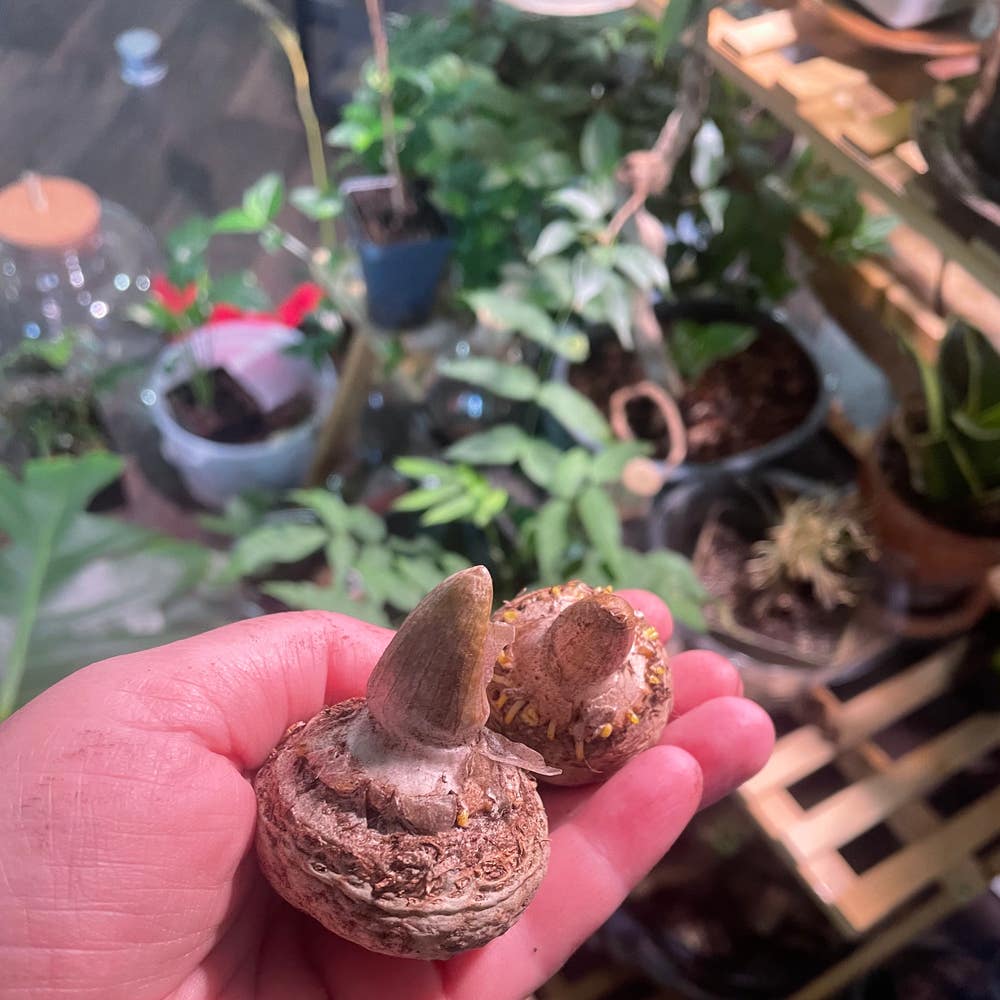
Dividing rhizomes is best done in early spring or fall. Carefully separate the rhizomes and replant them to encourage new growth.
🪴 Offsets and Bulb Propagation
Offsets are small bulbs that form around the main rhizome. When replanting, ensure these offsets have developed roots for successful transplantation.
This propagation knowledge not only enhances your gardening skills but also contributes to the sustainability of this unique plant. Next, let’s explore the lifecycle of Arisaema ghaticum and how it develops over time.
Lifecycle
Lifecycle Stages 🌱
Arisaema ghaticum is a perennial plant, boasting a multi-year lifecycle that showcases its resilience and beauty. Understanding its lifecycle stages is essential for successful cultivation.
Germination Process 🌧️
The germination process begins under optimal conditions, where seeds require warmth and moisture. This stage is crucial for establishing a strong foundation for growth.
Seedling Stage 🌿
Once germinated, the seedling stage lasts approximately 2-3 months. During this time, the young plant develops its initial leaves and roots, setting the stage for future growth.
Vegetative Growth 🌳
As the plant matures, it enters the vegetative growth phase. Here, leaves develop and expand, capturing sunlight and nutrients essential for the plant's health.
Flowering and Seed Production 🌸
Late spring to early summer marks the flowering and seed production stage. This is when Arisaema ghaticum showcases its stunning flowers, attracting pollinators and ensuring the continuation of its lifecycle.
Lifespan and Growth Rate ⏳
Typically, this plant reaches full maturity in 2-3 years, exhibiting a moderate growth rate. With proper care, it can thrive and contribute to the garden's beauty for many years to come.
Understanding these lifecycle stages not only enhances your gardening skills but also deepens your appreciation for this remarkable plant. Next, let’s explore the size of Arisaema ghaticum and what to expect as it grows.
Size
Mature Dimensions 🌱
Arisaema ghaticum reaches a mature height of 2 to 3 feet, making it a striking addition to any garden. Its spread typically ranges from 1 to 2 feet wide, allowing it to fill space without overwhelming neighboring plants.
Growth Rate and Size Variability 📈
This plant exhibits a moderate growth rate, which can be influenced by various environmental conditions. Factors such as soil quality and moisture levels play a significant role in determining its final size, leading to variability that can surprise even seasoned gardeners.
Understanding these dimensions and growth patterns can help you plan your garden layout effectively. Whether you're aiming for a lush, layered look or a more minimalist design, knowing how Arisaema ghaticum grows will guide your choices.
As you consider incorporating this unique plant into your landscape, keep in mind its adaptability and the potential for size variation based on care and environment. Next, let’s explore the fascinating lifecycle of Arisaema ghaticum and how it develops over time.
Roots
Root System Characteristics 🌱
Arisaema ghaticum features a rhizomatous root system, which is essential for its growth and stability. These roots typically reach a depth of 6-12 inches and can spread widely, allowing the plant to access nutrients and moisture efficiently.
Common Root-Related Issues ⚠️
One of the most common problems with Arisaema ghaticum is root rot, often caused by overwatering. Symptoms include mushy roots that can lead to plant decline if not addressed promptly.
To maintain healthy roots, it's crucial to distinguish between healthy and unhealthy ones. Healthy roots are firm and white, while unhealthy roots may appear dark and soft.
Additionally, be aware of rootbound plants, which can hinder growth. Signs of a rootbound plant include roots growing out of drainage holes or circling the pot, indicating it's time for a larger container or division.
Understanding these root characteristics and issues is vital for the successful cultivation of Arisaema ghaticum. With proper care, you can ensure your plant thrives and contributes to your garden's beauty.
As we delve deeper into the care of Arisaema ghaticum, let's explore the benefits this unique plant brings to your garden.
Benefits
Top 5 Benefits of Arisaema ghaticum 🌿
Arisaema ghaticum is not just another plant; its unique appearance can truly enhance the diversity of your garden. With its striking foliage and unusual flower structure, it stands out and adds a touch of intrigue.
Another fantastic benefit is that its flowers attract bees and other beneficial insects. This makes it a great addition to any garden aiming to support local pollinator populations.
Culturally, Arisaema ghaticum holds significance in local traditions and folklore. This connection to heritage can add a meaningful layer to your gardening experience.
Historically, this plant has been used in traditional medicine. Its various applications showcase its value beyond mere aesthetics.
Lastly, Arisaema ghaticum contributes to biodiversity and ecosystem health. By planting it, you’re supporting a balanced environment, which is essential for all garden ecosystems.
Incorporating Arisaema ghaticum into your garden not only beautifies your space but also fosters a thriving ecosystem. Next, let’s explore the best companion plants that thrive alongside this unique species.
Companion Plants
Best Companions 🌿
When growing Arisaema ghaticum, consider pairing it with ferns, hostas, and other shade-loving plants. These companions thrive in similar conditions, creating a harmonious garden environment that enhances both beauty and biodiversity.
Plants to Avoid 🚫
On the flip side, steer clear of aggressive weeds or plants that demand high nutrients. These can outcompete Arisaema ghaticum for resources, leading to stunted growth and diminished health.
By choosing the right companions, you can cultivate a thriving garden that showcases the unique charm of Arisaema ghaticum while ensuring it receives the care it needs. Next, let’s explore the potential toxicity of this intriguing plant to humans and pets.
Toxicity to Humans
Potential Irritation 🌿
Arisaema ghaticum can cause irritation, particularly from its leaves and sap. Symptoms may include skin rashes and mild gastrointestinal upset.
How Irritation Occurs ⚠️
Irritation typically happens through contact with the plant or ingestion of its material. It's essential to be cautious when handling this plant to avoid any adverse reactions.
When to Seek Medical Care 🚑
If symptoms persist or worsen, it's advisable to seek medical attention. Better safe than sorry!
Safe Handling Tips 🧤
To minimize risks, always wear gloves when handling Arisaema ghaticum. Afterward, wash your hands thoroughly to ensure no sap or residue remains.
Understanding the potential toxicity of this plant can help you enjoy its beauty while staying safe. Next, let’s explore how Arisaema ghaticum affects our furry friends, particularly dogs.
Toxicity to Dogs
⚠️ Potential Irritation
Arisaema ghaticum can pose some irritation risks to dogs. The leaves and sap may cause discomfort if ingested or if they come into contact with the skin.
👀 Symptoms to Watch For
If your dog has been exposed, watch for symptoms like drooling, mild vomiting, or skin irritation. These signs indicate that your furry friend may be reacting to the plant.
🐾 How Irritation Can Occur
Irritation typically occurs through ingestion or contact with the plant material. It's essential to monitor your pet's behavior around this plant to prevent any issues.
🏥 When to Seek Veterinary Care
If symptoms persist or worsen, it's best to consult your veterinarian. They can provide guidance and treatment options to ensure your dog's well-being.
🌱 Toxicity Level
Fortunately, Arisaema ghaticum is not considered severely toxic to dogs. While it can cause mild irritation, the risks are relatively low compared to other plants.
Understanding the potential effects of this plant can help you create a safe environment for your pets. If you're considering adding Arisaema ghaticum to your garden, just keep an eye on your dogs to ensure they stay safe and healthy.
Toxicity to Cats
Potential Irritation 🐾
Arisaema ghaticum can cause irritation in cats, particularly from its leaves and sap. Symptoms to watch for include drooling, mild vomiting, and skin irritation.
How Irritation Can Occur 🤔
Irritation may occur through ingestion or contact with the plant material. If your cat shows any signs of discomfort, it’s essential to monitor them closely.
When to Seek Veterinary Care 🚑
Seek veterinary care if symptoms persist or worsen. It's always better to err on the side of caution when it comes to your furry friends.
Statement on Toxicity Level ⚖️
While Arisaema ghaticum can irritate cats, it is not considered severely toxic. Understanding this can help you manage your garden while keeping your pets safe.
In summary, while this plant can cause some mild issues for cats, being aware of the symptoms and knowing when to seek help can ensure their well-being. Now, let's explore the potential irritation this plant may cause to dogs.
Problems
Common Issues 🌱
Growing Arisaema ghaticum can be rewarding, but it comes with its share of challenges. Understanding these common issues can help you maintain a healthy plant.
Incorrect Watering 🚰
Watering is crucial for the health of your Arisaema. Overwatering can lead to root rot, where roots become mushy and dark, while underwatering may cause wilting and leaf drop.
Incorrect Light Conditions 💡
Light is another vital factor. If your plant isn't getting enough light, you may notice stunted growth or leggy stems reaching for the sun.
Diseases 🦠
Fungal diseases can also pose a threat. Watch for signs of powdery mildew, rust, black rot, or blight, which can all compromise your plant's health.
Root Problems 🌿
Root-related issues are common as well. Root rot can occur from excessive moisture, leading to squishy roots that signal distress.
Leaf Issues 🍃
Lastly, keep an eye on the leaves. Scorching, yellowing, or fuzzy growth can indicate environmental stress or pest problems.
By being proactive and observant, you can tackle these issues head-on and enjoy a thriving Arisaema ghaticum in your garden. Next, let’s explore the potential pest issues that could affect your plant's health.
Bugs
Potential Pest Issues 🐜
When growing Arisaema ghaticum, be on the lookout for common pests like spider mites, aphids, and mealybugs. These little invaders can wreak havoc on your plant, leading to wilting, leaf damage, or even stunted growth.
Damage Caused by Pests ⚠️
Pests can cause significant harm, often manifesting as yellowing leaves or wilting stems. If you notice these symptoms, it’s crucial to act quickly to protect your plant's health.
Treatment Options 🧪
For pest control, you have a couple of effective options. Organic methods, such as neem oil or insecticidal soap, can be quite effective without harming beneficial insects.
Alternatively, chemical control methods are available if the infestation is severe. Always follow the instructions carefully to ensure the safety of your plant and the surrounding environment.
Prevention Tips 🛡️
To minimize pest issues, maintain healthy growing conditions. Regularly inspect your plants and keep the area clean to deter pests from settling in.
By staying vigilant and proactive, you can enjoy a thriving Arisaema ghaticum without the worry of pesky invaders. Next, let’s explore what animals might be eyeing your beautiful plant as a snack.
What Eats
Common Animals 🦌
Arisaema ghaticum faces threats from various animals, including deer, rabbits, and rodents. These creatures can be quite the nuisance in your garden.
Signs of Animal Presence 🐾
Keep an eye out for telltale signs of these hungry visitors. Chewed leaves, tracks, or droppings can indicate that your plants are being targeted.
Types of Damage Caused ⚠️
The damage can range from simple browsing on leaves to more severe issues like uprooting plants. This can stunt growth and affect the overall health of your Arisaema ghaticum.
Deterrent Methods 🚫
To protect your plants, consider using chemical repellents or physical barriers. Fencing or netting can be effective in keeping these pests at bay.
By being proactive, you can enjoy the beauty of Arisaema ghaticum without the worry of unwanted munchers. Next, let’s explore common pest issues that can also affect your plant's health.
⚠️ Safety First
This content is for general information and may contain errors, omissions, or outdated details. It is not medical, veterinary advice, or an endorsement of therapeutic claims.
Always consult a qualified healthcare professional before using any plant as food, medicine, or supplement.
Never eat any plant (or feed one to pets) without confirming its identity with at least two trusted sources.
If you suspect poisoning, call Poison Control (800) 222-1222, the Pet Poison Helpline (800) 213-6680, or your local emergency service immediately.
Spotted an error? Please report it here.
Cultivate thriving Arisaema ghaticum 🌱 effortlessly with Greg's tailored care reminders and expert tips to ensure your garden flourishes beautifully!