🐍 Everything You Need to Know About Arisaema brucei
Arisaema brucei
By the Greg Editorial Team
Feb 26, 2025•10 min read
This article was created with the help of AI so we can cover more plants for you. May contain errors. See one? Report it here.
- 🌳 Arisaema brucei thrives in shade, perfect for dim garden spots.
- 💧 Keep soil consistently moist but well-drained to prevent root rot.
- 🌼 Deadhead flowers for new growth and maintain a tidy appearance.
How to Grow
🌳 Choosing a Location
Arisaema brucei thrives in partial to full shade, making it an excellent choice for those shady spots in your garden. It loves consistently moist, well-drained soil and prefers cool to moderate temperatures, ideally between 15°C to 25°C (59°F to 77°F).
🏗️ Soil Preparation
For optimal growth, ensure the soil is well-draining and rich in organic matter. Aim for a slightly acidic to neutral pH, ideally between 6.0 and 7.0, to create a healthy environment for your plants.
🌱 Planting Techniques
When planting, dig a hole 2-3 inches deep and space your plants 12-18 inches apart to allow for their natural growth. The best times to plant Arisaema brucei are in early spring or fall, ensuring they establish well before extreme weather sets in.
💧 Watering Requirements
Keep the soil consistently moist but avoid sogginess, as this can lead to root rot. You can choose between drip irrigation for efficiency or hand watering for a more personal touch.
🌼 Fertilizing
Use a balanced, slow-release fertilizer to nourish your plants. Fertilize in early spring and again in mid-summer to support healthy growth throughout the growing season.
✂️ Pruning and Ongoing Care
Deadheading spent flowers encourages new growth and keeps your plants looking tidy. As winter approaches, prepare your Arisaema brucei for dormancy by reducing watering and protecting the base from harsh conditions.
With these tips, you'll create an ideal environment for your Arisaema brucei to flourish. Next, let’s explore how to propagate this fascinating plant!
Propagation
🌱 Seed Propagation
To propagate Arisaema brucei from seeds, you'll need to start with cold stratification. This process requires the seeds to be chilled for 30 to 60 days, mimicking winter conditions to encourage germination.
Once stratified, place the seeds in a warm, moist environment. This will help them sprout effectively, leading to healthy new plants.
✂️ Division of Corms
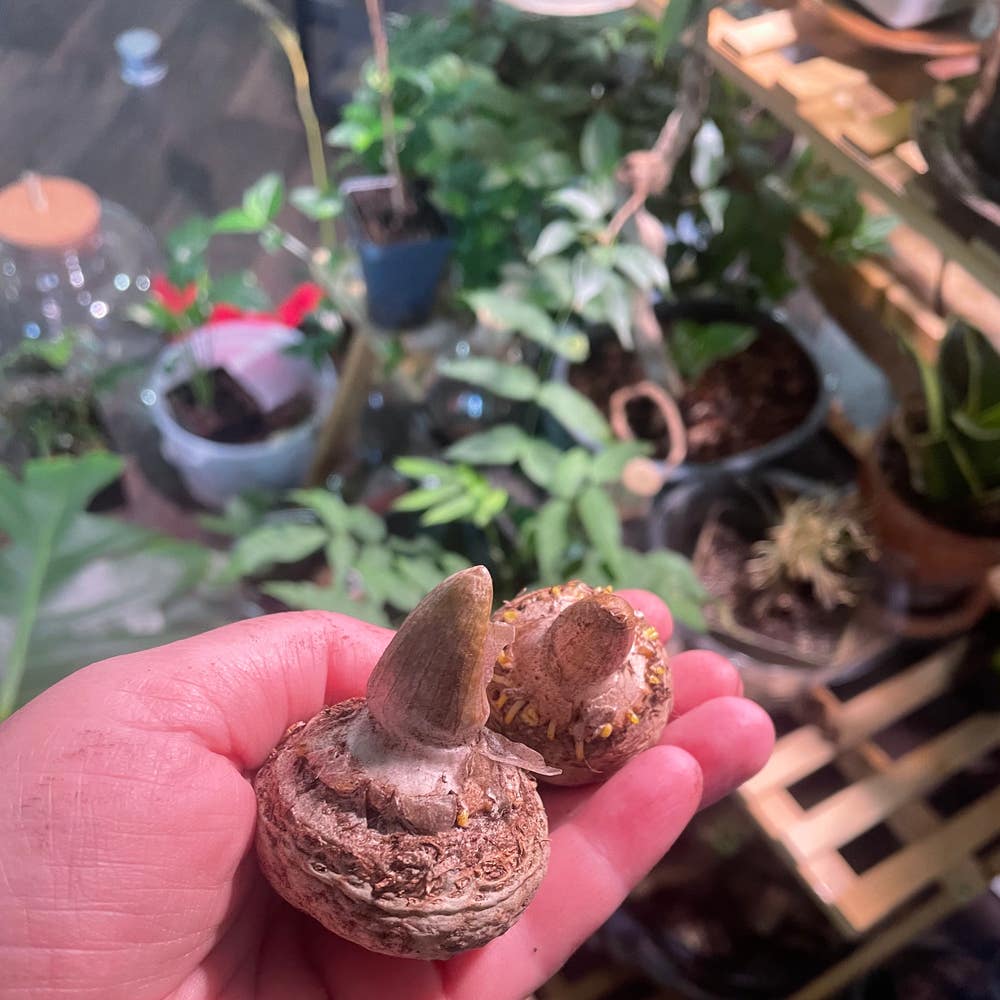
Another effective propagation method is dividing the corms. This is best done in early spring or fall when the plant is not actively growing.
When dividing, carefully separate the corms and replant them immediately. This technique not only helps in propagation but also rejuvenates the parent plant, promoting healthier growth.
With these methods, you can easily expand your collection of Arisaema brucei, ensuring a thriving garden filled with these unique plants.
Lifecycle
🌱 Germination and Growth
Germination of Arisaema brucei typically takes about 2-4 weeks under optimal conditions. This moderate growth rate means that you can expect your plant to reach maturity in approximately 2-3 years.
⏳ Lifespan
In the right environment, Arisaema brucei can thrive for 5-10 years. This longevity makes it a rewarding addition to your garden, providing beauty and interest for many seasons to come.
As you nurture your Arisaema brucei, keep in mind its growth cycle and lifespan. Understanding these aspects will help you provide the best care and enjoy its unique charm for years ahead.
Size
Mature Dimensions 🌱
Arisaema brucei typically reaches a mature height of 1 to 3 feet, making it a striking addition to any shaded garden. Its spread ranges from 1 to 2 feet wide, allowing it to fill out spaces without overwhelming neighboring plants.
Growth Rate and Size Variability 📈
The growth rate of Arisaema brucei is moderate, which means you won’t see instant results, but patience pays off. Factors like soil quality, moisture levels, and light exposure can influence its size, so providing optimal conditions will yield the best growth.
As you cultivate this unique plant, remember that its size can vary based on environmental factors. With the right care, you can enjoy a lush, vibrant display that enhances your garden's aesthetic appeal.
Next, let’s explore the fascinating lifecycle of Arisaema brucei, from germination to maturity.
Roots
Characteristics of the Root System 🌱
Arisaema brucei features a rhizomatous root system, which allows it to spread and thrive in its environment. These roots can extend 12-18 inches deep, providing stability and access to moisture.
Common Root-Related Issues ⚠️
Root health is crucial for the vitality of Arisaema brucei. One common issue is root rot, which manifests as mushy roots and wilting foliage. Another concern is being rootbound, indicated by stunted growth and circling roots.
Tips for Managing Root Health 🛠️
To prevent root rot, ensure the soil is well-draining, as soggy conditions can be detrimental. If you notice signs of a rootbound plant, it's time to repot or divide to promote healthy growth.
Understanding the root system of Arisaema brucei is essential for successful cultivation. By addressing common issues and maintaining root health, you can enjoy a thriving plant that adds beauty to your garden.
Next, let's explore the benefits of this unique plant and how it can enhance your landscape.
Benefits
Aesthetic Appeal 🌺
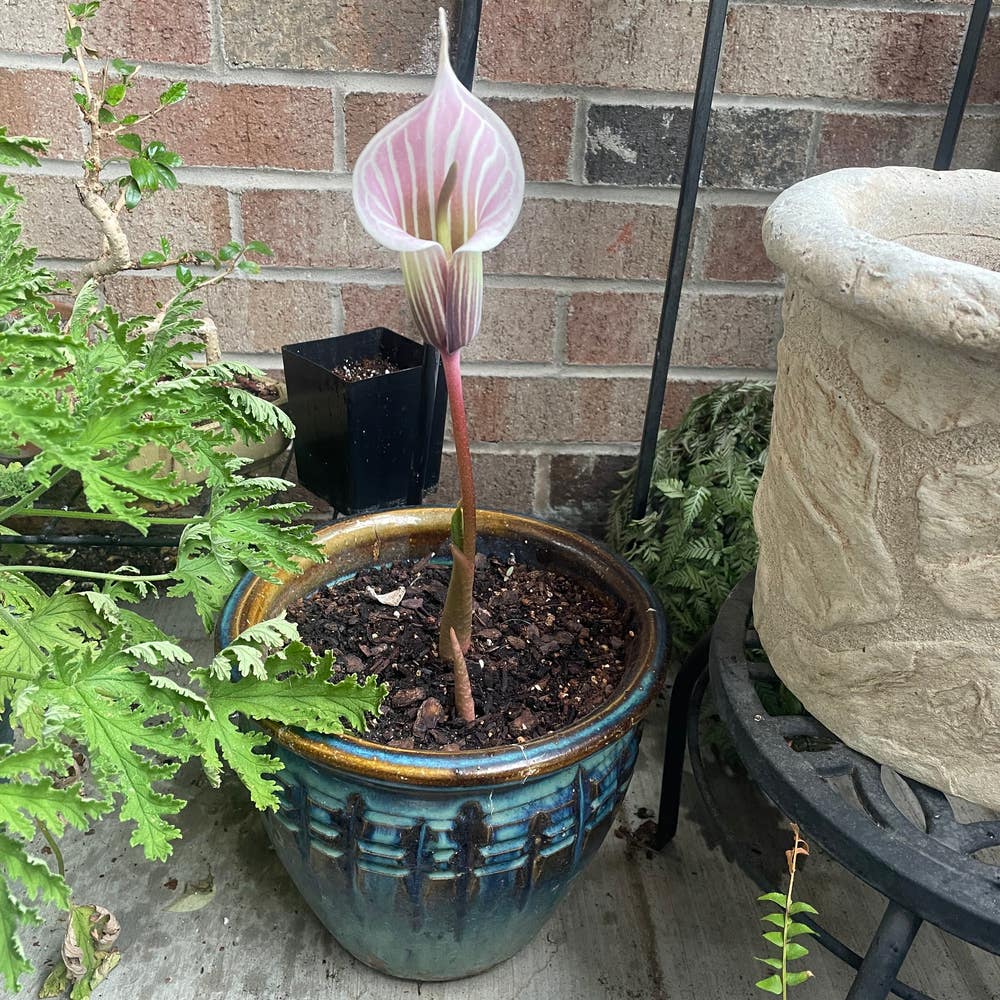
Arisaema brucei boasts a unique inflorescence structure that adds a striking visual element to any garden. Its unusual shape and vibrant colors can serve as a focal point, enhancing the overall beauty of your landscape.
Attracting Pollinators 🐝
The flowers of Arisaema brucei are not just pretty; they also attract bees and other beneficial insects. This makes them a valuable addition to your garden, supporting pollinator populations and contributing to a healthier ecosystem.
Cultural Significance 📜
Historically, Arisaema brucei has been used in traditional medicine and folklore. Its cultural roots add depth to its presence in gardens, connecting us to the practices and beliefs of those who came before us.
Contribution to Biodiversity 🌍
By planting Arisaema brucei, you support local ecosystems and wildlife. This plant provides habitat and food sources for various species, promoting biodiversity in your garden.
Ground Cover Potential 🌿
Arisaema brucei is effective for underplanting in shaded areas. Its ability to thrive in low-light conditions makes it an excellent choice for filling gaps and creating lush, green ground cover.
Transitioning to the next section, let's explore the fascinating world of companion plants that can enhance your gardening experience with Arisaema brucei.
Companion Plants
Benefits of Companion Planting 🌱
Companion planting is a fantastic way to enhance your garden's diversity while managing pests naturally. By pairing plants that support each other, you create a more resilient ecosystem.
Recommended Companion Plants 🌼
When growing Arisaema brucei, consider these excellent companions:
- Hostas: They thrive in similar shade and moisture conditions, making them perfect partners.
- Ferns: Their lush foliage complements Arisaema brucei beautifully, providing a rich habitat.
Plants to Avoid 🚫
Be cautious of aggressive weeds that can compete for nutrients and space. These invasive species can hinder the growth of your Arisaema brucei and disrupt the balance of your garden.
Companion planting not only boosts the health of your plants but also adds visual interest to your garden. As you plan your garden layout, think about how these combinations can work together harmoniously.
Next, let’s explore the potential toxicity of Arisaema brucei to humans and pets, ensuring you handle this plant safely.
Toxicity to Humans
Potential Irritation 🌿
Arisaema brucei can cause irritation, particularly in its leaves, stems, and sap. Symptoms may include skin rashes, itching, and mild gastrointestinal upset if ingested.
Exposure Methods 🚫
Exposure can occur through skin contact, ingestion, or contact with the sap. It's essential to be aware of these methods to prevent any adverse reactions.
When to Seek Medical Care 🚑
If symptoms persist or worsen, it's crucial to seek medical care. Don't hesitate to consult a healthcare professional for guidance.
Safe Handling Tips 🧤
To minimize irritation risk, always wear gloves when handling Arisaema brucei. This simple precaution can help you enjoy your gardening experience without discomfort.
Understanding the potential toxicity of this plant ensures a safe and enjoyable interaction with your garden. Next, let's explore how Arisaema brucei can affect our furry friends.
Toxicity to Dogs
Potential Irritation 🐶
Arisaema brucei can cause irritation in dogs, particularly through its leaves and sap. Symptoms may include drooling, pawing at the mouth, and mild vomiting.
When to Seek Veterinary Care 🩺
If your dog shows any of these symptoms, monitor their condition closely. While not considered severely toxic, it's wise to consult a veterinarian if symptoms persist or worsen.
Toxicity to Cats
⚠️ Potential Irritation
Arisaema brucei can cause irritation in cats, primarily affecting the leaves and sap. Symptoms to watch for include drooling, pawing at the mouth, and mild vomiting.
🏥 When to Seek Veterinary Care
If your cat shows persistent or worsening symptoms, it's wise to consult a veterinarian. While not considered severely toxic, the plant can cause mild to moderate irritation, so keeping an eye on your furry friend is essential.
Understanding the potential risks of Arisaema brucei helps ensure a safe environment for your pets. Next, let’s explore how to manage common problems that may arise when growing this unique plant.
Problems
🌱 Common Problems
Growing Arisaema brucei can be rewarding, but it's not without its challenges. Two of the most common issues are incorrect watering and improper light conditions.
🚰 Incorrect Watering
Overwatering and underwatering can both lead to significant problems. Overwatering often results in wilting and yellowing leaves, while underwatering causes crispy, dry foliage.
☀️ Incorrect Light Conditions
Light conditions are crucial for the health of your Arisaema brucei. Too much sunlight can scorch the leaves, while too little can stunt growth and lead to leggy plants.
🩺 Symptoms and Solutions
Identifying the symptoms early can save your plants. For overwatering, look for wilting and yellowing leaves; the solution is to adjust your watering schedule and ensure proper drainage.
On the other hand, if you notice crispy, dry leaves, it’s a sign of underwatering. Increase your watering frequency, ensuring the soil remains consistently moist but not soggy.
By keeping an eye on these common problems, you can help your Arisaema brucei thrive. Next, let's explore the pest issues that may affect your plants.
Bugs
Potential Pest Issues 🐜
When growing Arisaema brucei, be on the lookout for common pests that can disrupt its health. Spider mites are notorious for their webbing and stippled leaves, which can indicate a serious infestation.
Another pest to watch for is the mealybug, identifiable by its cotton-like masses on stems and leaves. These pests can quickly take over if not addressed promptly.
Identification and Treatment 🕵️♂️
Recognizing the symptoms of pest infestations is crucial for maintaining your plant's vitality. Look for yellowing leaves and stunted growth, which are telltale signs that your Arisaema brucei may be under attack.
To combat these pests, consider using organic treatments like neem oil. This natural solution is effective and safe for your plant, helping to restore its health without harsh chemicals.
Stay vigilant and proactive in your care routine to keep your Arisaema brucei thriving. Next, let’s explore how to manage common problems that may arise during its growth.
What Eats
Common Animals 🦌
Arisaema brucei can attract a few hungry visitors in your garden.
Deer are notorious for munching on these plants, leaving behind chewed leaves and broken stems.
Rabbits also find Arisaema brucei appealing, often nibbling on the foliage and stems, which can lead to noticeable damage.
Deterrent Methods 🚫
To protect your plants, consider using chemical deterrents like commercial repellents that can help keep these animals at bay.
Alternatively, you can opt for organic methods such as planting deterrent species nearby or using physical barriers like fencing to safeguard your Arisaema brucei from these hungry herbivores.
By taking these steps, you can enjoy the beauty of your plants without the worry of them becoming a snack!
⚠️ Safety First
This content is for general information and may contain errors, omissions, or outdated details. It is not medical, veterinary advice, or an endorsement of therapeutic claims.
Always consult a qualified healthcare professional before using any plant as food, medicine, or supplement.
Never eat any plant (or feed one to pets) without confirming its identity with at least two trusted sources.
If you suspect poisoning, call Poison Control (800) 222-1222, the Pet Poison Helpline (800) 213-6680, or your local emergency service immediately.
Spotted an error? Please report it here.
Grow thriving Arisaema brucei 🌱 in your garden with Greg's tailored care reminders and expert tips to keep your plants happy in those shady spots!