Best Soil for Areca Palm
What Soil Does an Areca Palm Need?
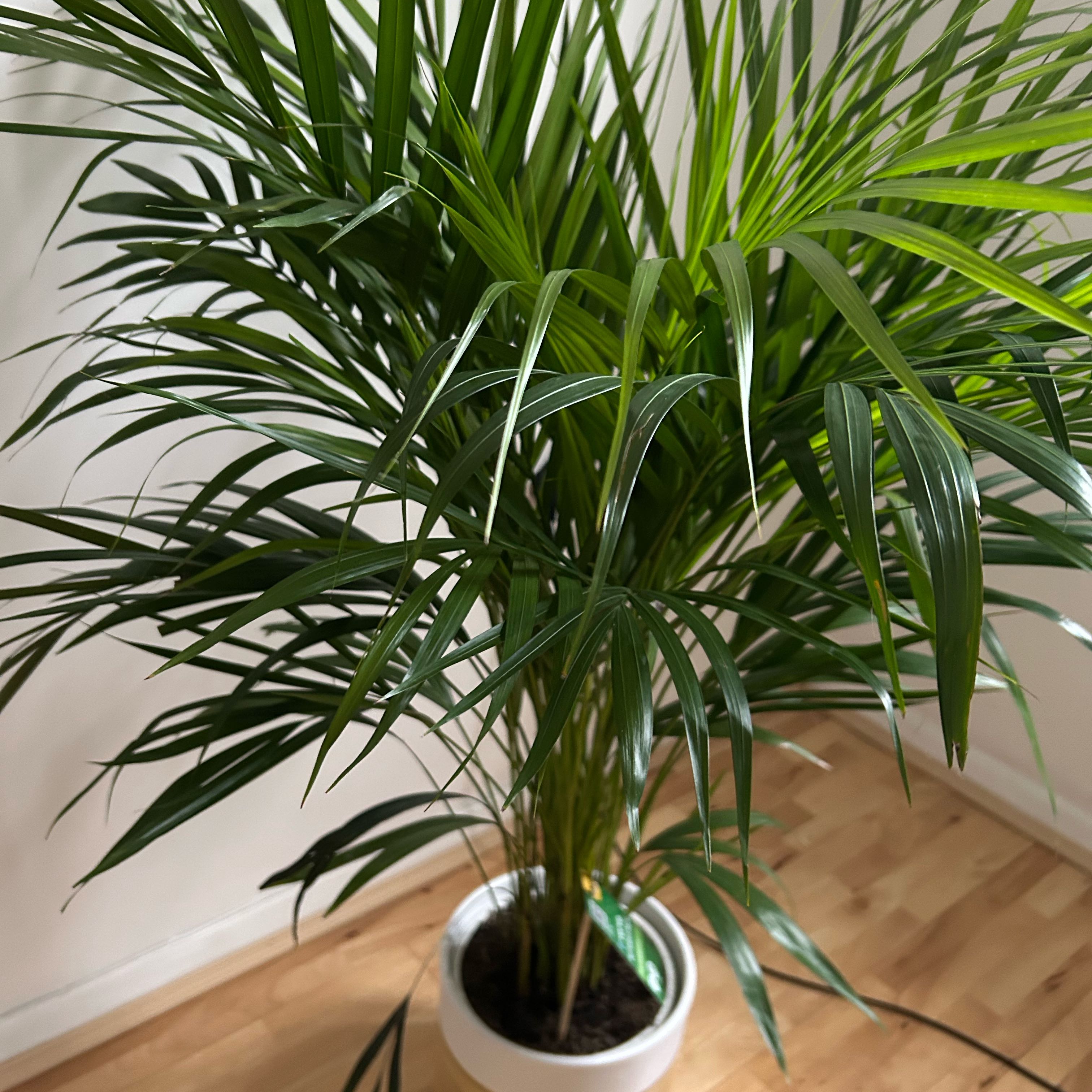
Native to Madagascar, Areca Palm grows in tropical environments with warm, humid air and soil that drains quickly after heavy rains. The clumping root system needs a mix that stays well-aerated, with good drainage to prevent the root rot that palms are particularly susceptible to.
Areca Palm roots need both moisture and oxygen to stay healthy. Standard potting soil holds too much water and compacts easily, cutting off the airflow the roots depend on. A mix that drains freely after watering but doesn't go bone dry in a day is the target.
Coarse sand helps water move through quickly, while perlite creates air pockets throughout the mix. Together they keep the texture open even as organic matter gradually breaks down. Avoid peat-heavy or moisture-retentive mixes, and skip any soil that markets itself for moisture-loving plants. Palm-specific potting mixes sold at garden centers are another good option since they're already blended for fast drainage.
The clumping growth habit of Areca Palm means multiple stems share the root zone, so a consistently well-draining mix also helps prevent fungal problems at the base of the plant where stems crowd together.
What Soil Mix Should I Use for My Areca Palm?

What pH Does My Areca Palm Need?
Areca Palm prefers a slightly acidic to neutral pH, roughly 6.0 to 7.0. Most commercial potting mixes fall in this range naturally. A pH meter or test strips from the garden center will confirm your starting point before you mix or repot.
When the pH drifts above 7.5, Areca Palms often show magnesium or potassium deficiency as yellowing fronds, particularly on older leaves. This is sometimes misread as a watering problem. If the pH drops below 5.5, nutrient availability suffers broadly and growth slows. Palms are particularly sensitive to magnesium deficiency when pH is off.
When Should I Replace My Areca Palm's Soil?
Areca Palm is a moderate grower when kept indoors, and the roots will gradually fill a pot and compress the surrounding soil. Plan to refresh or replace the mix every two years. The coarse components in the mix compact over time, reducing drainage and making root rot more likely.
Spring or early summer, when the plant is actively growing, is the best time to repot. When you repot, gently shake off old soil from the roots and inspect for any dark, mushy sections. Healthy Areca Palm roots should be light tan to white and firm. Repot into a container only slightly larger than the current one to avoid excess moist soil around the roots.
How Do I Prepare Garden Soil for an Areca Palm?
If you're planting an Areca Palm outdoors in a warm climate, its clumping root system needs soil that is rich, slightly acidic, and drains well. These palms are native to tropical forest margins and prefer consistently moist ground that never becomes waterlogged.
For clay soil, work in compost, aged bark, and coarse sand to improve drainage while keeping the soil fertile. Areca Palms feed steadily, so the organic matter does double duty as both a structural amendment and a slow nutrient source. Sandy soil needs compost and leaf mold to hold moisture between waterings and prevent nutrients from washing through too quickly. Plant in a spot with filtered sunlight or partial shade, since the fronds yellow in harsh direct sun.
Got More Questions?
About This Article
