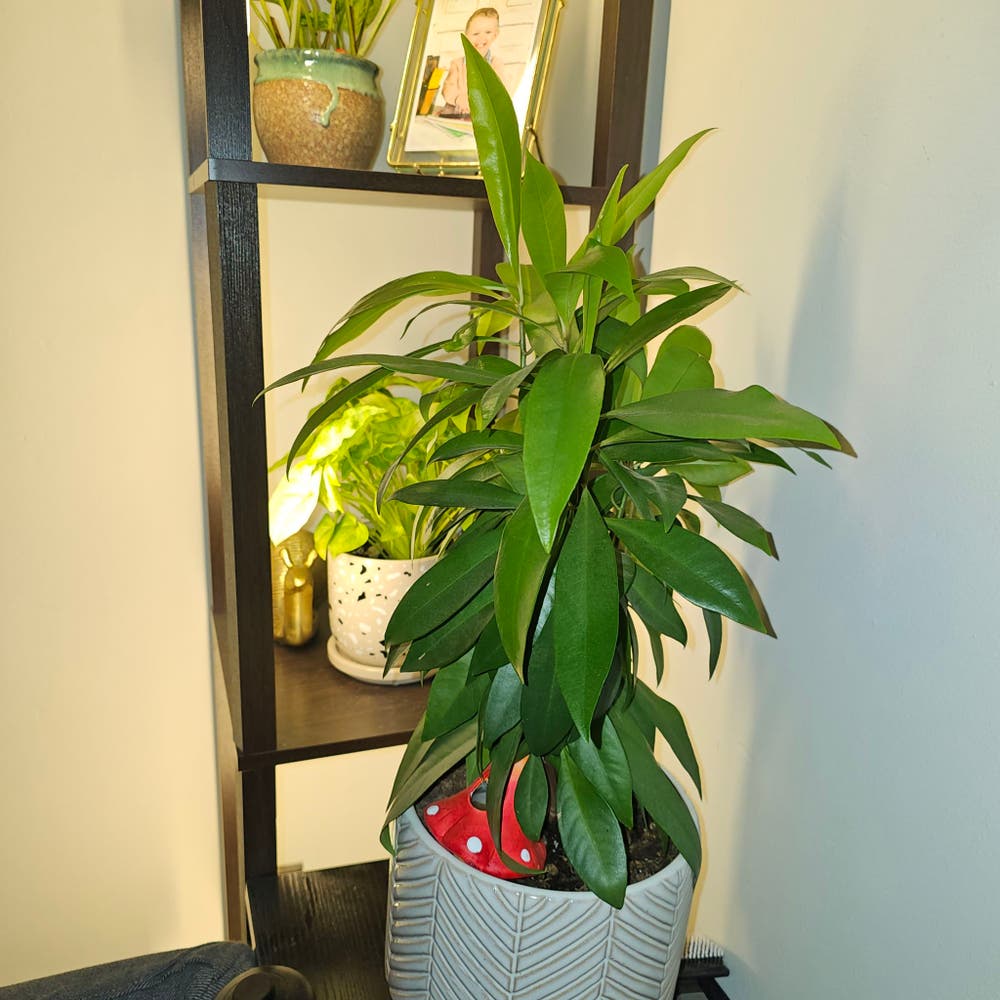
📚 Ardisia villosa subsp. villosa Explained: Key Information
Ardisia villosa subsp. villosa
By the Greg Editorial Team
Feb 28, 2025•12 min read
This article was created with the help of AI so we can cover more plants for you. May contain errors. See one? Report it here.
Elevate your garden's beauty with the resilient Ardisia villosa, perfect for low-light spaces! 🌿
- 🌱 Ardisia villosa thrives in low light and well-draining, acidic soil for optimal growth.
- 🚫💧 Avoid overwatering to prevent root rot; consistent moisture is key.
- ⚠️ Toxic to pets and humans; ingestion causes nausea and requires immediate medical attention.
How to Grow
Choosing a Location 🌳
Ardisia villosa subsp. villosa thrives in low light conditions, making shaded areas its preferred habitat. Whether you opt for outdoor planting or container growing, ensure the location provides some protection from direct sunlight.
Soil Preparation 🪴
This plant flourishes in well-draining, acidic soil. To enhance drainage and acidity, mix in organic matter like compost or peat moss.
Planting Techniques 🌱
When planting, ensure the root ball is level with the soil surface to promote healthy growth. Maintain a recommended spacing of about 2-3 feet between plants for optimal air circulation and growth.
Watering Requirements 💧
Keep the soil consistently moist but avoid waterlogging, which can lead to root rot. Watch for signs of overwatering, such as yellowing leaves, or underwatering, indicated by wilting.
Fertilizing Schedule 🌼
Use a balanced, slow-release fertilizer to nourish your Ardisia during the growing season. Fertilize primarily in spring and summer to support vigorous growth.
Pruning Methods ✂️
Prune your plant after flowering to maintain its shape and encourage new growth. Focus on removing dead or damaged leaves and thinning out crowded areas to improve air circulation.
Ongoing Care 🔍
Regularly monitor your plant for pests and diseases, adjusting care as needed based on seasonal changes. Staying proactive will help keep your Ardisia healthy and thriving.
With these foundational care tips, you’re well on your way to cultivating a beautiful Ardisia villosa subsp. villosa. Next, let’s explore how to propagate this resilient plant for even more greenery in your space.
Propagation
🌱 Seed Propagation
Seed propagation is a rewarding way to expand your Ardisia villosa subsp. villosa collection. Harvest seeds when they are fully ripe, typically in late summer to early fall, and ensure you store them in a cool, dry place until you're ready to plant.
For successful germination, maintain a temperature of 70-75°F (21-24°C) and keep the soil consistently moist. This will create the ideal conditions for your seeds to sprout within 2-4 weeks.
✂️ Cutting Propagation
Cutting propagation is another effective method to grow new plants. Select healthy stems that are 4-6 inches long, ensuring they have at least a few leaves attached for optimal growth.
Use a rooting medium that consists of a mix of peat and perlite. This combination provides excellent drainage while retaining enough moisture to encourage root development.
🌿 Division Propagation
Division propagation is best performed during the plant's dormant season, typically in late fall or early spring. This method allows you to rejuvenate older plants while creating new ones.
Carefully separate the root clumps, ensuring each division has a healthy portion of roots and foliage. Replant them in suitable soil, and watch them thrive in their new homes.
With these propagation techniques, you can easily multiply your Ardisia villosa subsp. villosa and enjoy its beauty in various locations. Next, let’s explore the lifecycle of this fascinating plant.
Lifecycle
Life Cycle Stages 🌱
Ardisia villosa subsp. villosa is classified as a perennial plant. This means it can live for several years, returning each growing season to showcase its vibrant foliage and berries.
Germination Process 🌱
The germination process for this plant typically takes about 2-4 weeks. During this time, seeds require consistent moisture and warmth to sprout effectively.
Seedling Stage 🌱
Once germinated, seedlings begin to develop true leaves and establish their root systems. This stage is crucial for the plant's future growth and overall health.
Vegetative Growth 🌱
During the vegetative growth phase, Ardisia villosa experiences significant leaf expansion and stem elongation. This growth pattern is vital as it prepares the plant for the next stages of its lifecycle.
Flowering and Seed Production 🌸
Flowering usually occurs in late spring to summer, marking a vibrant period in the plant's life. After flowering, the plant produces berries, which are essential for its reproduction.
Growth Timeline and Speed ⏳
It takes approximately 2-3 years for Ardisia villosa to reach its full size. The growth rate is moderate and can be influenced by care conditions, such as light and watering practices.
This lifecycle overview highlights the resilience and beauty of Ardisia villosa, making it a rewarding addition to any garden. As we delve deeper into its characteristics, understanding its growth stages will enhance your gardening experience.
Size
Mature Height and Spread 🌳
Ardisia villosa subsp. villosa typically reaches an impressive height of 3 to 6 feet and spreads about 2 to 4 feet wide. This makes it a striking addition to any garden or landscape.
Growth Rate 📈
The growth rate of this plant can vary significantly based on several factors. Key elements like light exposure, water availability, and soil quality all play crucial roles in determining how quickly it flourishes.
Size Variability 📏
Growing conditions can greatly influence the size of Ardisia villosa. For instance, plants in shaded areas may grow differently compared to those basking in full sunlight, leading to variations in their overall dimensions.
Understanding these aspects of size can help you plan your garden layout effectively. With the right care, you can ensure your Ardisia thrives and reaches its full potential.
Next, let’s explore the fascinating lifecycle of this resilient plant.
Roots
🌱 Root System Characteristics
Ardisia villosa subsp. villosa features a fibrous root system that is essential for its stability and nutrient uptake. This type of root structure is shallow but spreads extensively, allowing the plant to efficiently absorb moisture and nutrients from the top layers of soil.
🚫 Common Root-Related Issues
One of the most common problems faced by this plant is root rot, which occurs when the roots sit in waterlogged soil. Signs of root rot include a foul smell and blackened roots; prevention involves ensuring well-draining soil and avoiding overwatering.
To distinguish between healthy and unhealthy roots, look for firm, white roots. Healthy roots are typically light in color and resilient, while unhealthy roots may appear dark, mushy, or have a foul odor.
🌿 Recognizing Rootbound Plants
A rootbound plant is one where the roots have circled around the pot, restricting growth and nutrient absorption. This can lead to stunted growth and overall decline in plant health.
To remedy rootbound conditions, consider repotting the plant into a larger container. Root pruning can also be effective; simply trim away some of the circling roots to encourage new growth and expansion.
With proper care and attention to the root system, your Ardisia villosa can thrive and flourish, setting the stage for a healthy plant life. Next, let’s explore the benefits this beautiful plant brings to your garden.
Benefits
Top 5 Benefits 🌟
Ardisia villosa subsp. villosa offers a range of benefits that make it a valuable addition to any garden or indoor space.
Ornamental Appeal: With its lush foliage and vibrant berries, this plant enhances the aesthetic of any environment. Its unique appearance can serve as a focal point in your garden or home.
Air Purification: This species has the potential to improve indoor air quality. By filtering out toxins, it creates a healthier living space.
Erosion Control: Ardisia villosa helps stabilize soil in garden settings. Its root system can prevent soil erosion, making it a practical choice for landscaping.
Biodiversity: This plant supports local wildlife and pollinators. By attracting beneficial insects, it contributes to a thriving ecosystem.
Cultural Significance: Ardisia villosa holds a place in various traditional practices and symbolism. Its presence can connect you to cultural heritage and natural history.
These benefits highlight why Ardisia villosa subsp. villosa is not just a beautiful plant but also a functional one. Whether you're looking to enhance your garden's beauty or improve your indoor air quality, this plant is a fantastic choice.
Next, let’s explore how to propagate this versatile plant effectively.
Companion Plants
🌱 Companion Planting
Companion planting is a fantastic way to enhance your garden's diversity and improve pest management. By strategically placing plants together, you can create a thriving ecosystem that benefits all its members.
🌼 Best Companion Plants
When considering companions for Ardisia villosa subsp. villosa, think about ferns, hostas, and other shade-tolerant perennials. These plants share similar care needs and create a visually appealing arrangement that complements the lush foliage of Ardisia.
🚫 Plants to Avoid
While some plants thrive alongside Ardisia, others can be detrimental. Avoid aggressive growers that compete for resources, as they can overshadow your Ardisia and hinder its growth.
By choosing the right companions, you can create a harmonious garden that not only looks great but also supports the health of your plants. This thoughtful approach to planting will lead to a more vibrant and resilient garden overall.
Toxicity to Humans
Toxic Parts 🥴
Ardisia villosa subsp. villosa contains toxic components primarily in its leaves and berries. It's crucial to be aware of these parts, especially if you have children or pets around.
Symptoms of Poisoning 🤢
If ingested, the symptoms of poisoning can include nausea, vomiting, diarrhea, and abdominal pain. These reactions can vary in severity depending on the amount consumed.
Routes of Exposure 🚧
Exposure can occur through ingestion, skin contact, or even inhalation of smoke from burning the plant. It's essential to handle this plant with care to avoid any unintended contact.
When to Seek Medical Care 🚑
If you suspect poisoning, quick action is vital. Seek immediate medical care, especially if severe symptoms develop, as timely intervention can make a significant difference in recovery.
Understanding the toxicity of Ardisia villosa subsp. villosa is essential for safe gardening. Next, we’ll explore its toxicity to pets, particularly dogs.
Toxicity to Dogs
Toxic Parts 🐾
Ardisia villosa subsp. villosa can pose a risk to dogs, primarily due to its leaves and berries. These parts contain compounds that can lead to adverse reactions if ingested.
Symptoms of Poisoning 🤢
If a dog consumes any part of this plant, watch for symptoms like drooling, vomiting, diarrhea, and weakness. These signs indicate that your furry friend may need immediate attention.
Prevention Measures 🛡️
To keep your dog safe, supervise them while they’re in the garden and consider removing Ardisia villosa from areas they frequent. A little vigilance can go a long way in preventing accidental ingestion and ensuring your pet stays healthy.
Toxicity to Cats
Toxic Parts 🐾
Ardisia villosa subsp. villosa can pose a risk to our feline friends. The leaves and berries are the primary toxic components, so it's essential to be aware of their presence in your home or garden.
Symptoms of Poisoning 🤢
If a cat ingests these parts, watch for common symptoms of poisoning. These may include drooling, vomiting, diarrhea, and weakness, which can indicate that your pet needs immediate attention.
Prevention Measures 🛡️
Keeping your cats safe is a priority for any pet owner. Supervise your cats when they're outdoors and consider removing Ardisia plants from your garden to prevent any accidental ingestion.
By taking these precautions, you can enjoy your garden while ensuring your furry companions stay safe and healthy.
Problems
Common Problems 🌱
Growing Ardisia villosa subsp. villosa can be rewarding, but it comes with its share of challenges. Understanding these common problems will help you maintain a healthy plant.
Incorrect Watering 🚰
Watering is crucial for your plant's health. Signs of overwatering include yellowing leaves and a mushy root system, while underwatering manifests as wilting and dry soil.
Incorrect Light Conditions 💡
Light is another vital factor. If your Ardisia villosa is not thriving, it might be due to inadequate light, which can cause leggy growth and pale leaves.
Incorrect Temperature 🌡️
Temperature extremes can stress your plant. Too much heat can lead to leaf drop, while cold drafts may stunt growth or cause damage.
Diseases 🦠
Fungal diseases like powdery mildew can be a concern. Keep an eye out for white, powdery spots on leaves, which indicate a need for better air circulation and moisture management.
Leaf Issues 🍃
Leaf problems can signal underlying issues. Yellowing leaves often indicate nutrient deficiencies or overwatering, while scorching can result from too much direct sunlight.
By staying vigilant about these common problems, you can ensure your Ardisia villosa remains vibrant and healthy. Next, let’s explore the potential pest issues that may arise in your garden.
Bugs
Potential Pest Issues 🐜
Ardisia villosa subsp. villosa is generally resilient, but it can still fall prey to certain pests. Understanding its vulnerabilities helps you take proactive measures to protect your plant.
Identification of Pests 🔍
Common pests that may target your Ardisia include spider mites, mealybugs, and aphids. Each of these pests can cause significant damage if not addressed promptly.
Damage Caused by Pests ⚠️
Symptoms of pest infestation often manifest as leaf damage or stunted growth. If you notice your plant's leaves curling or yellowing, it might be time to investigate further.
Treatment Options 💊
Effective treatments range from organic solutions to chemical control methods. Regular monitoring and prompt action can help keep your plant healthy and thriving.
By staying vigilant and informed, you can ensure your Ardisia remains a vibrant part of your garden. Next, let’s explore what animals might be interested in munching on your plant.
What Eats
🦌 Common Animals
When it comes to Ardisia villosa subsp. villosa, several common animals may pose a threat. Deer, rabbits, and squirrels are the primary culprits that can munch on this plant.
🕵️♂️ Signs of Animal Presence
Identifying these furry intruders is often straightforward. Look for signs like chewed leaves and trampled plants, which indicate that your Ardisia is on their menu.
⚠️ Damage Description
The type of damage caused by these animals can vary. You might notice leaf stripping or even the uprooting of young plants, which can be quite disheartening.
🚫 Deterrent Methods
To protect your plants, consider implementing a few deterrent strategies. Fencing, using repellents, and modifying the habitat can effectively keep these animals at bay and ensure your Ardisia thrives.
With these tips, you can safeguard your plants and enjoy their beauty without the worry of unwanted nibblers. Next, let’s explore the potential pest issues that can also affect your Ardisia.
⚠️ Safety First
This content is for general information and may contain errors, omissions, or outdated details. It is not medical, veterinary advice, or an endorsement of therapeutic claims.
Always consult a qualified healthcare professional before using any plant as food, medicine, or supplement.
Never eat any plant (or feed one to pets) without confirming its identity with at least two trusted sources.
If you suspect poisoning, call Poison Control (800) 222-1222, the Pet Poison Helpline (800) 213-6680, or your local emergency service immediately.
Spotted an error? Please report it here.
Nurture your Ardisia villosa to thriving heights 🌱 with Greg's tailored care reminders and expert tips that ensure your plant flourishes in any environment!