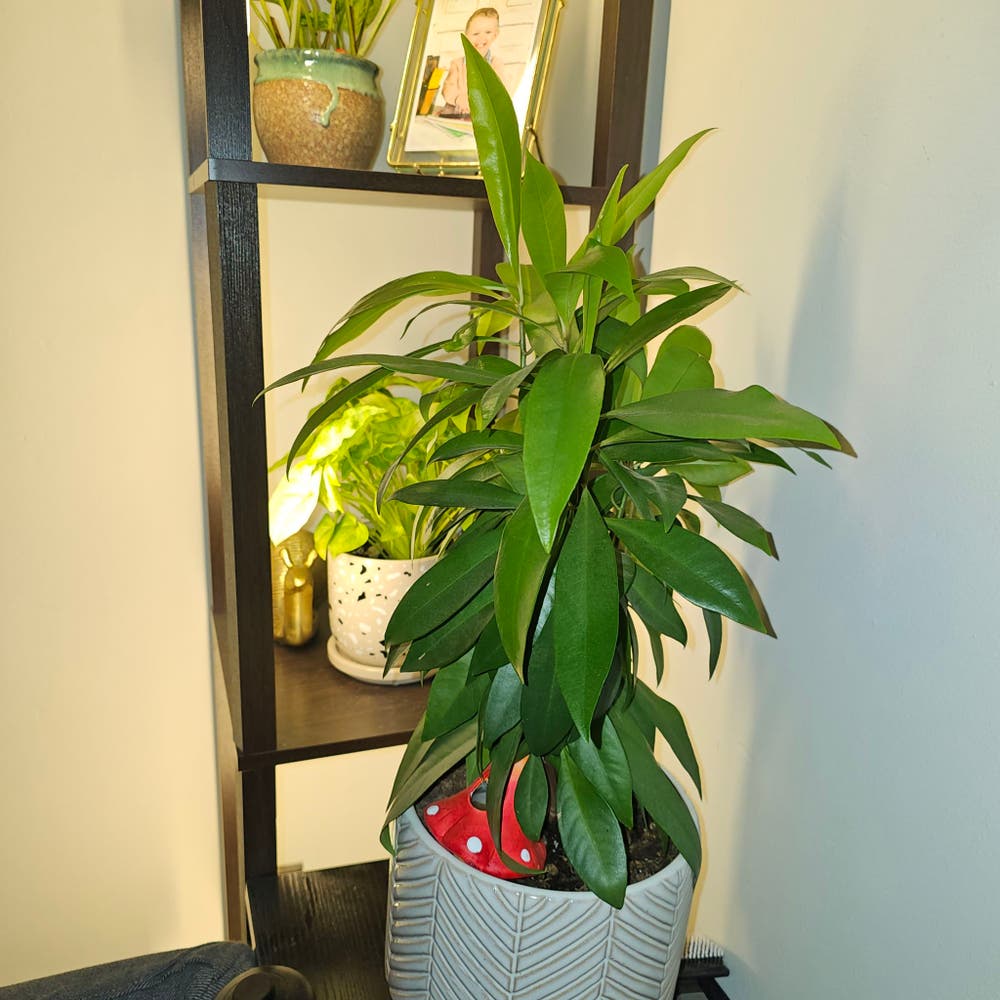
Introduction to Ardisia scortechinii var. scortechinii
Ardisia scortechinii var. scortechinii
By the Greg Editorial Team
Jan 31, 2025•12 min read
This article was created with the help of AI so we can cover more plants for you. May contain errors. See one? Report it here.
Elevate your garden's beauty effortlessly with Ardisia scortechinii, a stunning plant that thrives with minimal care! 🌱
- 🌱 Ardisia scortechinii thrives in partial shade, perfect for indoor and outdoor settings.
- 💧 Keep soil moist but not waterlogged to prevent root rot and ensure healthy growth.
- 🌿 Prune in late winter to encourage bushiness and maintain plant health.
How to Grow
🌍 Choosing a Location
When growing Ardisia scortechinii var. scortechinii, selecting the right location is crucial. Aim for partial shade to prevent leaf scorch, as this plant thrives best in filtered light.
Consider whether you want to grow it indoors or outdoors. This versatile plant adapts well to both environments, making it a great choice for various settings.
🌱 Soil Preparation
The soil type is vital for healthy growth. Opt for well-draining, acidic soil to provide the best foundation for your plant.
To enhance fertility, incorporate organic matter into the soil. This will not only improve nutrient availability but also promote better moisture retention.
🌿 Planting Techniques
Proper planting techniques set the stage for success. Ensure that the root ball is level with the soil surface when planting.
For outdoor planting, space your plants 2-3 feet apart. This allows for adequate airflow and room for growth.
💧 Watering Requirements
Watering is essential for maintaining plant health. Keep the soil consistently moist but avoid waterlogging, which can lead to root issues.
Watch for signs of overwatering, such as yellowing leaves or root rot. Adjust your watering schedule accordingly to keep your plant thriving.
🌼 Fertilizing Schedule
A balanced, slow-release fertilizer is ideal during the growing season. Apply it every 4-6 weeks from spring to early fall to support healthy growth.
Regular fertilization helps ensure your plant receives the nutrients it needs to flourish.
✂️ Pruning Methods
Pruning is key to encouraging bushiness and overall health. Aim to prune in late winter or early spring for the best results.
Focus on removing dead or damaged branches and shaping the plant to maintain its aesthetic appeal.
🌿 Ongoing Care
Ongoing care is essential for both container and outdoor plants. For containers, ensure pots have drainage holes and monitor moisture levels closely.
For outdoor care, consider mulching to retain moisture and suppress weeds. This simple step can make a significant difference in your plant's health.
With these guidelines, you'll be well on your way to successfully growing Ardisia scortechinii var. scortechinii. Next, let's explore how to propagate this resilient plant!
Propagation
Seed Propagation 🌱
To propagate Ardisia scortechinii var. scortechinii from seeds, start by harvesting seeds from ripe berries. Ensure you provide a warm, humid environment for germination, as these conditions are crucial for successful growth.
Cutting Propagation ✂️
For cutting propagation, select healthy, non-flowering stems to ensure vigor. Use a rooting medium that combines peat and perlite, which promotes healthy root development.
Division Propagation 🌿
Division propagation is best performed in spring when the plant is actively growing. Carefully separate root clumps and replant them to encourage new growth and maintain plant health.
This propagation section sets the stage for understanding how to expand your collection of Ardisia scortechinii var. scortechinii. Next, let’s explore the lifecycle of this fascinating plant.
Lifecycle
Lifecycle Stages 🌱
Ardisia scortechinii var. scortechinii is a perennial plant, meaning it lives for multiple years. This characteristic allows it to thrive and adapt to its environment over time.
Germination Process 🌱
Seeds of this plant typically germinate within 2-4 weeks under optimal conditions. Providing the right warmth and humidity is crucial for successful germination.
Seedling Stage 🌱
The seedling stage lasts approximately 4-6 weeks. During this time, the young plant establishes its roots and begins to develop its first true leaves.
Vegetative Growth 🌱
Vegetative growth continues until the plant reaches maturity, which usually takes about 1-2 years. This phase is marked by robust leaf development and increased height.
Flowering and Seed Production 🌱
Flowering occurs in late spring to early summer, showcasing the plant's delicate blooms. After flowering, berries develop, which are essential for seed production.
Lifespan 🌱
With proper care, Ardisia scortechinii var. scortechinii can live for several years. Its moderate growth rate means that full maturity is typically reached in 2-3 years, allowing gardeners to enjoy its beauty for a long time.
This lifecycle overview highlights the resilience and adaptability of Ardisia scortechinii var. scortechinii, making it a rewarding addition to any garden. Next, we will explore the plant's size and growth characteristics.
Size
Mature Height and Spread 🌱
Ardisia scortechinii var. scortechinii typically reaches an average height of 3 to 6 feet, depending on its growing conditions. Its spread can range from 2 to 4 feet wide, making it a versatile addition to various garden settings.
Growth Rate and Size Variability 📈
This plant exhibits a moderate growth rate, which can be influenced by factors such as light, water, and soil conditions. Size variability is notable, particularly when comparing plants grown in containers versus those planted directly in the ground.
Factors Affecting Size ☀️
Light exposure plays a crucial role in the growth of Ardisia scortechinii. More sunlight generally leads to increased growth, while nutrient-rich soil promotes larger plants.
In summary, understanding these factors can help you optimize the growth of your Ardisia scortechinii, ensuring it thrives beautifully in your garden. Next, we’ll explore the root system characteristics that support this plant’s growth and stability.
Roots
🌱 Root System Characteristics
Ardisia scortechinii var. scortechinii features a fibrous root system. This structure not only supports the plant's stability but also enhances its ability to uptake nutrients efficiently.
🌍 Root Depth and Spread
The roots of this plant are typically shallow, spreading horizontally. This growth pattern allows for better access to surface moisture and nutrients.
⚠️ Common Root-Related Issues
One of the most common problems is root rot, which occurs due to overwatering. To prevent this issue, ensure that the plant has good drainage.
👀 Identifying Healthy vs. Unhealthy Roots
Healthy roots are firm and exhibit a white or light tan color. In contrast, unhealthy roots appear dark, mushy, or may emit a foul smell.
🔒 Recognizing Rootbound Plants
If you notice roots growing out of the drainage holes, your plant may be rootbound. The solution is simple: repot into a larger container or divide the plant to promote healthy growth.
Understanding the root system of Ardisia scortechinii var. scortechinii is essential for its overall health. By monitoring root conditions, you can ensure your plant thrives and continues to beautify your space.
Benefits
Top 5 Benefits 🌟
Aesthetic Appeal
Ardisia scortechinii var. scortechinii boasts glossy leaves and vibrant berries that can truly enhance the beauty of any garden. Its striking appearance makes it a favorite among plant enthusiasts.Air Purification
This plant contributes to improved indoor air quality, making it a great choice for homes and offices. By filtering out toxins, it helps create a healthier living environment.Low Maintenance
Resilient and adaptable, Ardisia scortechinii requires minimal care. This makes it perfect for both novice and experienced gardeners looking for a hassle-free addition to their space.Wildlife Attraction
The berries of this plant are a magnet for birds and beneficial insects. By planting it, you can create a lively ecosystem right in your backyard.Cultural Significance
Often used in traditional medicine in its native regions, this plant carries a rich cultural heritage. Its uses in folk remedies add an intriguing layer to its appeal.
These benefits make Ardisia scortechinii var. scortechinii not just a pretty face in the garden but a valuable addition to any plant lover's collection. As we explore further, you'll discover how to propagate and care for this remarkable plant.
Companion Plants
🌱 Concept of Companion Planting
Companion planting is all about creating a harmonious garden. It enhances diversity, improves pest management, and boosts overall plant health.
🌼 Best Companion Plants
When it comes to Ardisia scortechinii var. scortechinii, certain plants thrive alongside it.
- Ferns: They share similar moisture needs and add a lush visual contrast to the garden.
- Shade-tolerant flowers: Flowers like impatiens flourish in similar light conditions, making them ideal companions.
🚫 Plants to Avoid
Not all plants play well together.
- Heavy feeders: Avoid planting nutrient-hungry plants like tomatoes nearby, as they may compete for essential resources.
By carefully selecting companion plants, you can create a thriving ecosystem that supports the health and beauty of your Ardisia scortechinii var. scortechinii. This thoughtful approach not only enhances your garden's aesthetics but also fosters a more resilient growing environment.
Next, let's explore the fascinating topic of toxicity and safety regarding this plant for both humans and pets.
Toxicity to Humans
Ardisia scortechinii var. scortechinii is not listed as toxic by major poison control centers. This means it’s generally safe for handling and even ingestion in small amounts.
However, it's wise to exercise caution with any plant. While mild skin irritation or digestive discomfort can occur if consumed excessively, these instances are rare.
If you experience any unusual symptoms after contact or consumption, it's best to seek medical advice. Staying informed about the plants around you can enhance your gardening experience and ensure safety for everyone involved.
With this knowledge, you can enjoy the beauty of Ardisia scortechinii var. scortechinii without worry. Now, let's explore its effects on our furry friends!
Toxicity to Dogs
Ardisia scortechinii var. scortechinii is not toxic according to pet poison control centers. This means it’s generally safe for your furry friends to be around, although minor issues could arise from excessive consumption.
🐶 Placement Considerations
To ensure your dog's safety, it's wise to keep this plant out of their reach. This simple precaution can discourage any curious chewing.
👀 Monitoring Behavior
Always keep an eye on your dog's behavior around the plant. If you notice any unusual actions, it’s best to consult a veterinarian for peace of mind.
In summary, while Ardisia scortechinii var. scortechinii poses no significant threat to dogs, a little vigilance goes a long way in ensuring a harmonious home. Next, let’s explore how this plant interacts with our feline friends.
Toxicity to Cats
Ardisia scortechinii var. scortechinii is not toxic according to major veterinary organizations. This means it’s generally safe for your feline friends to be around, although minor issues may arise from excessive consumption.
🐱 Placement Considerations
To keep your curious cat safe, position the plant out of reach. Cats love to nibble, and while this plant isn't harmful, it's best to prevent any potential stomach upset.
👀 Monitoring Behavior
Always keep an eye on your cat's behavior around the plant. If you notice any unusual actions, it’s wise to consult your veterinarian for peace of mind.
This plant can be a lovely addition to your home without posing a risk to your cats. With proper placement and monitoring, you can enjoy its beauty while ensuring your furry companions stay safe.
Next, let’s explore the potential problems that can arise when caring for Ardisia scortechinii var. scortechinii.
Problems
🌱 Common Problems
1. Incorrect Watering
Watering is crucial for the health of Ardisia scortechinii var. scortechinii. Yellowing leaves often signal overwatering, while wilting indicates the plant is thirsty.
To remedy these issues, adjust your watering frequency based on the soil's moisture levels. Always check the soil before watering to ensure it’s not too wet or too dry.
2. Incorrect Light Conditions
Light conditions can make or break your plant's health. Too much sun can cause leaf scorch, while insufficient light leads to leggy growth.
If you notice these symptoms, consider relocating your plant to a more suitable light environment. Finding the right balance is key to vibrant foliage.
3. Incorrect Temperature
Temperature plays a vital role in growth. Stunted growth can occur in cold conditions, while excessive heat may cause leaf drop.
To keep your plant thriving, maintain an optimal temperature range of 60°F to 75°F. Monitoring the environment can prevent these temperature-related issues.
4. Diseases
Diseases can be a significant threat to your plant's health. Common issues include powdery mildew, rust, and root rot.
To combat these problems, improve air circulation around the plant and avoid overwatering. Healthy practices can help prevent disease before it starts.
5. Leaf Issues
Leaf problems often arise from environmental stressors. Scorching from direct sunlight and yellowing from nutrient deficiencies are common signs.
Adjusting light exposure and refining your fertilization practices can help resolve these leaf issues. Keeping a close eye on your plant's leaves will guide you in maintaining its health.
🏁 Conclusion
By being aware of these common problems and their solutions, you can ensure your Ardisia scortechinii var. scortechinii thrives. Next, let’s explore potential pest issues that might affect your plant.
Bugs
🐜 Potential Pest Issues
While Ardisia scortechinii var. scortechinii is moderately resistant to pests, it can still attract a few unwelcome visitors. Keeping an eye out for these pests is crucial to maintaining the health of your plant.
🔍 Identification and Damage
- Spider Mites: Look for fine webbing and stippled leaves, which indicate their presence. These tiny pests can cause significant damage if left unchecked.
- Scale Insects: They leave a sticky residue and cause yellowing leaves. Their presence can weaken your plant over time.
- Mealybugs: Identified by their cotton-like masses on stems and leaves, mealybugs can sap the vitality of your plant.
🛠️ Effective Treatment Options
To combat these pests, consider using Neem Oil, a natural pesticide that works wonders against various insects. It's effective and safe for your plant, making it a go-to option for many gardeners.
Another great choice is Insecticidal Soap, which is particularly effective against soft-bodied insects like mealybugs and spider mites. Regular application can help keep your plant pest-free.
By staying vigilant and employing these treatment options, you can ensure that your Ardisia scortechinii remains healthy and thriving. Next, let’s explore what animals might be interested in munching on your plant.
What Eats
Common Animals 🦌
Ardisia scortechinii var. scortechinii can attract a variety of hungry critters.
- Deer: Look for signs like chewed leaves and broken branches.
- Rabbits: Evidence includes clipped stems and missing foliage.
- Squirrels: These little bandits often damage berries and leaves.
Signs of Animal Presence 🐾
Identifying animal visitors is crucial for protecting your plant.
Keep an eye out for tracks, droppings, and visible damage to the plant. These signs can help you determine which animals are causing trouble.
Deterrent Methods 🚫
Preventing animal damage is key to maintaining a healthy plant.
- Chemical repellents: Consider using commercial products or homemade solutions to deter pests.
- Physical barriers: Fencing or netting can effectively protect your plants from hungry animals.
By implementing these strategies, you can enjoy your Ardisia scortechinii var. scortechinii without the worry of unwanted nibblers. Now, let’s explore how to propagate this resilient plant for even more greenery!
⚠️ Safety First
This content is for general information and may contain errors, omissions, or outdated details. It is not medical, veterinary advice, or an endorsement of therapeutic claims.
Always consult a qualified healthcare professional before using any plant as food, medicine, or supplement.
Never eat any plant (or feed one to pets) without confirming its identity with at least two trusted sources.
If you suspect poisoning, call Poison Control (800) 222-1222, the Pet Poison Helpline (800) 213-6680, or your local emergency service immediately.
Spotted an error? Please report it here.
Nurture your Ardisia scortechinii to thrive beautifully 🌿 with Greg's tailored watering alerts and expert care tips that keep your plant healthy and vibrant!