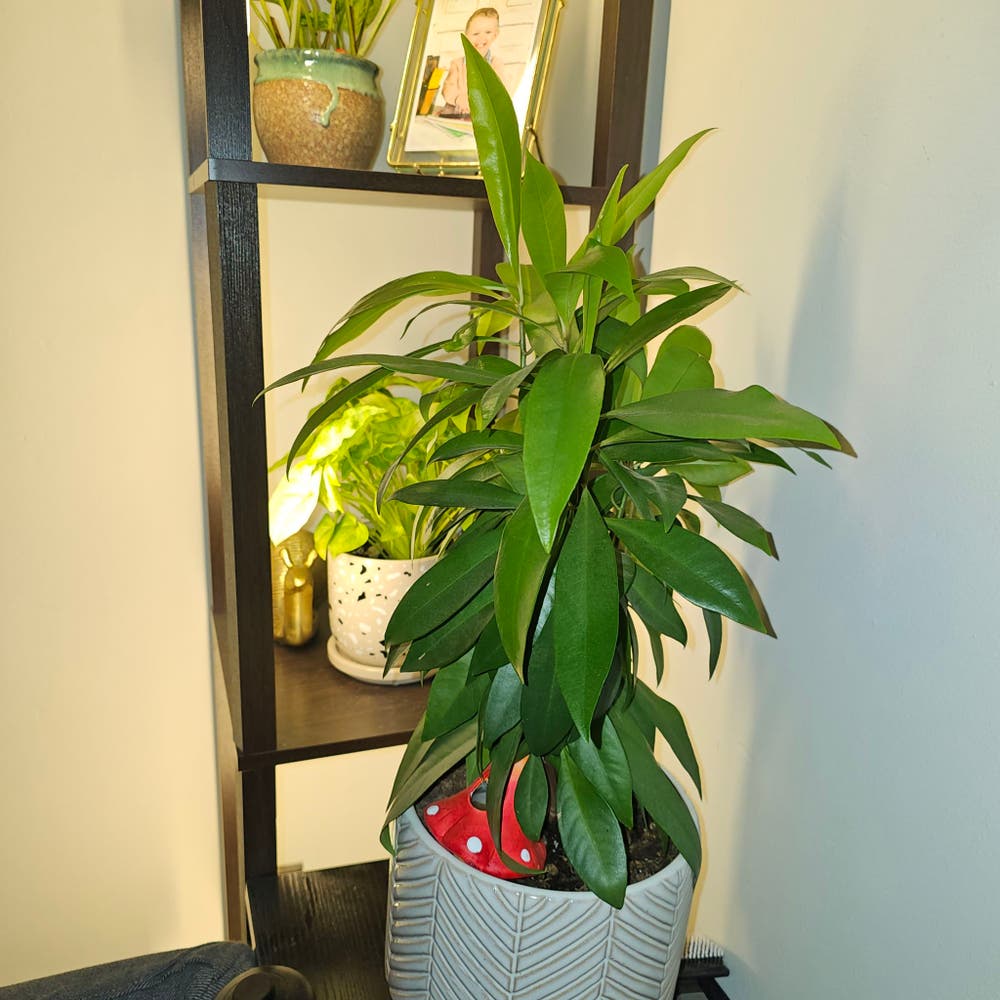
Overview of Ardisia quinquegona var. quinquegona
Ardisia quinquegona var. quinquegona
By the Greg Editorial Team
Feb 28, 2025•11 min read
This article was created with the help of AI so we can cover more plants for you. May contain errors. See one? Report it here.
Elevate your garden's beauty and biodiversity with the resilient Ardisia quinquegona, perfect for shady spots! 🌱
- 🌳 Ardisia quinquegona thrives in shade, perfect for dim garden spots.
- 🌡️ Warm, humid conditions are essential for optimal growth in tropical climates.
- 🚫 Berries and leaves are toxic to pets and humans; handle with care!
How to Grow
Choosing a location 🌳
Ardisia quinquegona var. quinquegona thrives in partial to full shade, making it an excellent choice for those shadier spots in your garden. It loves warm, humid conditions, typical of tropical climates, so aim to replicate that environment for optimal growth.
Soil preparation 🧑🌾
For this plant, well-draining soil is crucial to prevent root rot. Aim for a pH level between 5.5 and 6.5 to ensure it can absorb nutrients effectively.
Planting techniques 🌱
When planting, space your Ardisia plants 2-3 feet apart to allow for their mature growth. Make sure to plant them at the same depth as they were in their nursery containers to avoid issues like stem rot.
Watering requirements 💧
Regular watering is key to maintaining consistent moisture, especially during dry spells. Use drip irrigation or water directly at the base to keep the foliage dry and healthy.
Fertilizing schedule 🌼
Opt for a balanced, slow-release fertilizer to nourish your plants. Fertilize every 4-6 weeks during the growing season, which typically spans spring and summer.
Pruning practices ✂️
Prune your Ardisia in late winter or early spring, just before new growth starts. Focus on removing dead or damaged branches and shaping the plant to improve air circulation.
Ongoing care 🔍
Keep an eye on your plants for any signs of stress or disease. Adjust your watering and fertilizing routine based on seasonal changes to keep them thriving.
This comprehensive care guide ensures your Ardisia quinquegona var. quinquegona grows beautifully, setting the stage for successful propagation next.
Propagation
🌱 Seed propagation
To propagate Ardisia quinquegona var. quinquegona from seeds, start by soaking the seeds in water for 24 hours. This simple step kickstarts the germination process, which typically takes 2-4 weeks in a warm, humid environment.
✂️ Cutting propagation
Cutting propagation is another effective method. Select healthy stems that are 4-6 inches long, removing the lower leaves to encourage root growth.
Once prepared, place the cuttings in a moist, well-draining medium and cover them with plastic to maintain humidity. This creates a mini greenhouse effect, promoting successful rooting.
🌿 Division propagation
Division is a great way to propagate mature plants. Aim to divide them every 2-3 years in early spring for the best results.
When dividing, carefully separate the root ball into sections, ensuring that each section has both roots and foliage. This method not only helps in propagation but also rejuvenates the plant, encouraging healthier growth.
With these propagation techniques, you can easily expand your collection of Ardisia quinquegona var. quinquegona, ensuring that this beautiful plant thrives in your garden. Next, let’s explore the lifecycle of this fascinating perennial.
Lifecycle
Lifecycle stages 🌱
Ardisia quinquegona var. quinquegona is a perennial plant, meaning it lives for multiple years. From seed or cutting to maturity, the lifecycle is straightforward and rewarding.
Seedling stage characteristics 🌿
In the first few months, seedlings develop true leaves and establish their roots. This early growth is crucial for the plant's future health and vigor.
Vegetative growth phase 🌳
During the warm months, expect rapid growth. In about 2-3 years, the plant reaches its mature size, showcasing its lush foliage.
Flowering and seed production 🌸
Flowering typically occurs in late spring to early summer. After blooming, the plant produces berries, adding to its ornamental appeal.
Lifespan and growth rate ⏳
It takes approximately 2-3 years for Ardisia quinquegona to reach full size. The growth rate is moderate and can vary based on environmental conditions, such as light and moisture levels.
This lifecycle overview highlights the resilience and beauty of Ardisia quinquegona, making it a fantastic addition to any garden. Next, we’ll explore how to effectively propagate this lovely plant.
Size
Mature height and spread 🌳
Ardisia quinquegona var. quinquegona typically reaches a height of 3 to 6 feet and spreads about 2 to 4 feet wide. This makes it a versatile choice for various garden settings, providing a lush backdrop or a focal point.
Growth rate and factors affecting size 📈
The growth rate of this plant is moderate, influenced by several factors including light, water, and nutrient availability. Size can vary significantly based on growing conditions, such as soil quality and climate, so keep an eye on these elements to ensure optimal growth.
Understanding these aspects will help you create the perfect environment for your Ardisia quinquegona, allowing it to thrive and reach its full potential.
Roots
🌱 Root System Characteristics
Ardisia quinquegona var. quinquegona features a predominantly fibrous root system. These roots spread laterally and can extend up to 2 feet deep, providing stability and access to nutrients.
⚠️ Common Root-Related Issues
One of the most common issues is root rot, which occurs due to overwatering. To prevent this, ensure proper drainage in your planting medium.
Another concern is rootbound conditions, which happen when roots fill the container. If you notice roots visible at the drainage holes, it's time to repot into a larger container.
👀 Visual Cues for Healthy vs. Unhealthy Roots
Healthy roots are firm, white, and spread evenly throughout the soil. In contrast, unhealthy roots may appear dark, mushy, or emit a foul smell, indicating rot.
🛠️ Tips for Managing Root Problems
Regularly check for rootbound conditions and repot as needed to promote healthy growth. Additionally, maintain proper watering practices to avoid the risk of root rot.
By keeping an eye on your plant's roots, you can ensure it thrives and flourishes in your garden. Next, let's explore the benefits of growing Ardisia quinquegona var. quinquegona and how it can enhance your outdoor space.
Benefits
Top 5 benefits 🌟
Ardisia quinquegona var. quinquegona is not just a pretty face in the garden; it offers a multitude of benefits that make it a fantastic addition to any landscape.
Ornamental appeal: This plant brings lush greenery and vibrant berries, enhancing the visual appeal of your garden throughout the seasons.
Wildlife attraction: The berries are a magnet for birds and beneficial insects, creating a lively ecosystem right in your backyard.
Air purification: It contributes to better air quality, both indoors and outdoors, making your environment healthier.
Erosion control: With its robust root system, it helps stabilize soil in garden beds, preventing erosion and promoting soil health.
Cultural significance: Valued in traditional medicine and as a decorative plant, it holds a special place in various cultures, adding a layer of meaning to its presence.
These benefits not only enhance your garden's aesthetics but also support local wildlife and contribute to a healthier environment. As you consider adding Ardisia quinquegona var. quinquegona to your space, think about how these advantages can enrich your gardening experience.
Next, let's explore the best companion plants that thrive alongside this versatile species.
Companion Plants
🌱 Companion planting
Companion planting is a fantastic way to enhance garden diversity. It promotes healthy growth through symbiotic relationships, allowing plants to thrive together.
🌿 Compatible companion plants
When selecting companions for Ardisia quinquegona var. quinquegona, consider shade-loving plants like ferns, hostas, and other perennials. These plants not only share similar care needs but also help deter pests and improve soil health.
🚫 Plants to avoid
It's best to steer clear of plants that require full sun or exhibit aggressive growth habits. Such plants may compete for resources, hindering the growth of your Ardisia.
By choosing the right companions, you can create a thriving garden ecosystem that benefits all plants involved. This thoughtful approach not only enhances your garden's beauty but also supports its overall health.
Toxicity to Humans
Toxic parts and symptoms 🩺
Ardisia quinquegona var. quinquegona can pose risks to humans, particularly through its berries and leaves. Ingesting these parts may lead to symptoms such as nausea, vomiting, diarrhea, abdominal pain, dizziness, confusion, and in severe cases, neurological issues.
Guidance on seeking medical care 🚑
If ingestion occurs or symptoms develop after contact, it’s crucial to seek medical attention immediately. Prompt care can make a significant difference in managing any adverse effects from this plant.
Understanding the potential toxicity of Ardisia quinquegona var. quinquegona is essential for safe gardening and plant care. Always exercise caution and keep this plant out of reach of children and pets to prevent accidental ingestion.
Toxicity to Dogs
Toxic parts and symptoms 🐶
Ardisia quinquegona var. quinquegona poses a risk to dogs, primarily through its berries and leaves. If ingested, dogs may experience symptoms such as drooling, vomiting, diarrhea, weakness, tremors, or even respiratory distress.
Prevention measures 🚫
To keep your furry friends safe, supervise them closely when they're outdoors and prevent access to this plant. If you suspect your dog has ingested any part of it, contact a veterinarian immediately for guidance and care.
By being vigilant, you can enjoy the beauty of Ardisia quinquegona while ensuring your dog's safety.
Toxicity to Cats
Toxic parts and symptoms 🐾
Ardisia quinquegona var. quinquegona can be harmful to cats, with its berries and leaves being the primary toxic parts. If ingested, cats may exhibit symptoms such as drooling, vomiting, diarrhea, weakness, tremors, or even respiratory distress.
Prevention measures 🛡️
To keep your feline friends safe, it's best to keep cats indoors and supervise their outdoor time. If you suspect your cat has ingested any part of the plant, seek veterinary assistance immediately to ensure their well-being.
By taking these precautions, you can enjoy the beauty of Ardisia quinquegona var. quinquegona while keeping your pets safe. Now, let’s explore how to manage common problems that may arise with this plant.
Problems
Common problems 🌱
Growing Ardisia quinquegona var. quinquegona can be rewarding, but it's essential to be aware of potential issues that may arise.
Incorrect Watering
Watering is crucial for plant health. Signs of underwatering include wilting leaves, while yellowing leaves often indicate overwatering.
Incorrect Light Conditions
Light exposure plays a significant role in growth. Leaf scorch is a clear sign of too much sun, whereas leggy growth suggests the plant isn't getting enough light.
Diseases
Fungal diseases can threaten your plant's vitality. Keep an eye out for powdery mildew and root rot, as these can develop if conditions are not monitored closely.
Leaf Issues
Yellowing or fuzzy growth on leaves can signal underlying problems. These symptoms may indicate pest infestations or diseases that need immediate attention.
Growth Problems
Stunted growth or a lack of fruiting can be frustrating. Often, these issues stem from poor care practices, so regular monitoring and adjustments are key to a thriving plant.
By staying vigilant and addressing these common problems, you can ensure your Ardisia quinquegona remains healthy and vibrant. Next, let’s explore potential pest issues that may affect your plant.
Bugs
Potential Pest Issues 🐜
Ardisia quinquegona var. quinquegona is generally pest-resistant, but it can still fall victim to a few common pests. Keep an eye out for spider mites, scale insects, mealybugs, and aphids, as these little critters can cause significant damage if left unchecked.
Identification and Damage 🔍
Identifying these pests early can save your plant from serious harm. Look for telltale signs: spider mites often leave behind fine webbing, while aphids create a sticky residue on leaves.
Effective Treatment Options 💊
If you spot any pests, don’t panic! Effective treatment options include using insecticidal soap or neem oil, both of which can help control infestations without harming your plant. Regular monitoring and prompt action are key to keeping your Ardisia healthy and thriving.
Conclusion 📜
By staying vigilant and addressing pest issues quickly, you can ensure your Ardisia quinquegona var. quinquegona remains a vibrant addition to your garden. Next, let’s explore what animals might pose a threat to your plant and how to deter them effectively.
What Eats
🦌 Common Animals That May Damage the Plant
Ardisia quinquegona var. quinquegona can attract a variety of hungry critters. Deer, rabbits, squirrels, and rodents often find the foliage and berries irresistible.
Look for signs of their presence, such as chewed leaves, droppings, or tracks around your plants. These indicators can help you identify if your garden is being visited by these foragers.
🚫 Deterrent Methods
To protect your plants, consider using chemical deterrents. Commercial repellents or homemade solutions can effectively keep these animals at bay.
For a more organic approach, physical barriers like fencing or netting can safeguard your plants. These methods not only deter pests but also allow your Ardisia to thrive without unwanted nibbling.
By being proactive, you can enjoy the beauty of your Ardisia without the worry of it becoming a snack for local wildlife.
⚠️ Safety First
This content is for general information and may contain errors, omissions, or outdated details. It is not medical, veterinary advice, or an endorsement of therapeutic claims.
Always consult a qualified healthcare professional before using any plant as food, medicine, or supplement.
Never eat any plant (or feed one to pets) without confirming its identity with at least two trusted sources.
If you suspect poisoning, call Poison Control (800) 222-1222, the Pet Poison Helpline (800) 213-6680, or your local emergency service immediately.
Spotted an error? Please report it here.
Unlock the full potential of your Ardisia quinquegona 🌿 with Greg's tailored care tips and reminders, ensuring it thrives beautifully in your garden!