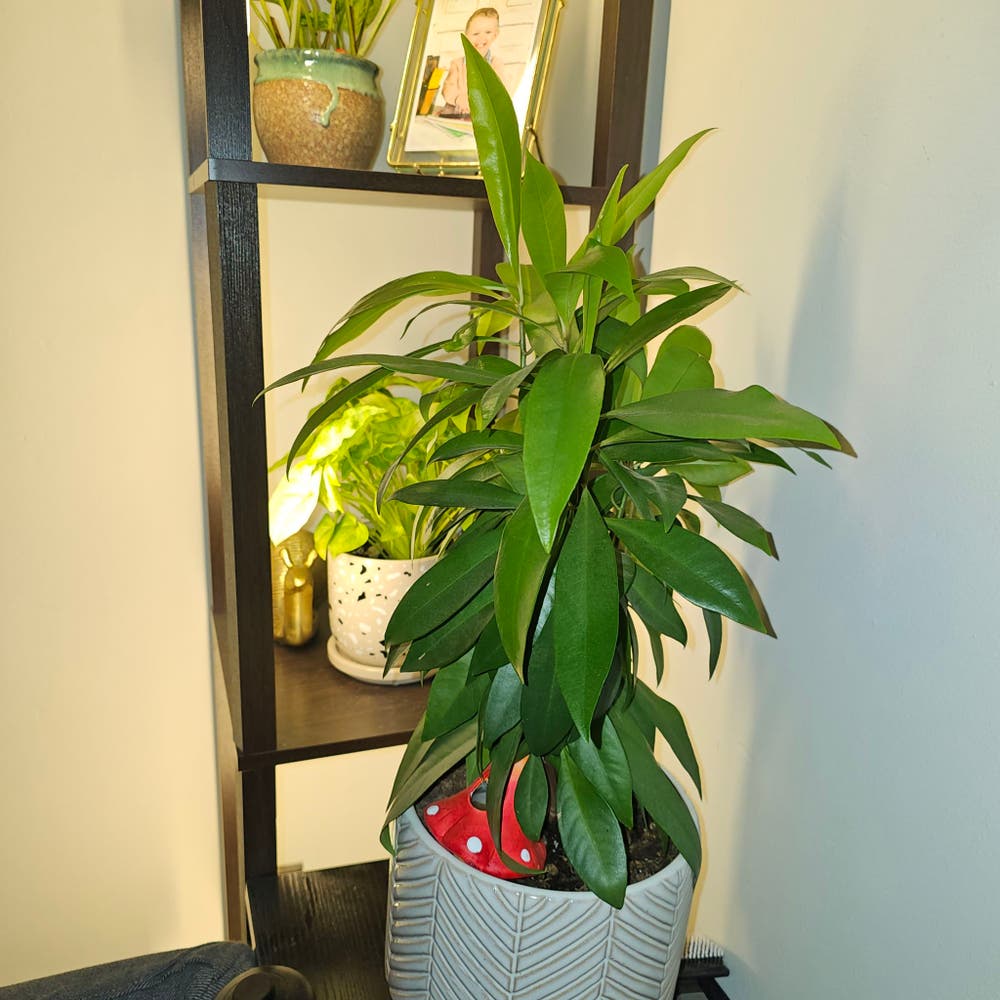
📚 Ardisia obtusa subsp. obtusa Explained: Key Information
Ardisia obtusa subsp. obtusa
By the Greg Editorial Team
Feb 28, 2025•11 min read
This article was created with the help of AI so we can cover more plants for you. May contain errors. See one? Report it here.
- 🌞🌿 Ardisia obtusa thrives in shade; keep it humid for optimal growth.
- 🌱 Use well-draining, acidic soil and maintain moisture to prevent yellowing leaves.
- 🐾 Beware of toxicity; Ardisia obtusa can irritate humans and pets.
How to Grow
Choosing a Location 🌳
Ardisia obtusa subsp. obtusa thrives in full shade to partial sun. This plant loves humidity, so consider placing it in a spot that mimics its natural, moist environment.
Soil Preparation 🪴
For optimal growth, use well-draining, acidic soil. Enhance drainage and acidity by mixing in organic matter, which will create a nurturing foundation for your plant.
Planting Techniques 🌱
When planting, ensure the root ball is level with the soil surface. Space your plants 2-3 feet apart to allow for healthy growth and airflow.
Watering Requirements 💧
Keep the soil consistently moist but avoid waterlogging. Watch for signs of overwatering, like yellowing leaves, or underwatering, which may cause wilting.
Fertilizing Schedule 🌼
Use a balanced, slow-release fertilizer to nourish your plant. Apply it every 4-6 weeks during the growing season for best results.
Pruning Methods ✂️
Prune your Ardisia in late winter or early spring. Focus on removing dead or damaged branches and shaping the plant for a tidy appearance.
Ongoing Care Tips 🔍
Regularly monitor your plant for pests and diseases to catch any issues early. Adjust your care routine based on seasonal changes to keep your plant thriving.
With these growing tips, you’ll be well on your way to cultivating a healthy and vibrant Ardisia obtusa subsp. obtusa. Next, let’s explore how to propagate this beautiful plant!
Propagation
🌱 Seed Propagation
To propagate Ardisia obtusa subsp. obtusa from seeds, start by harvesting seeds from ripe berries. This method requires a warm, moist environment to encourage successful germination.
✂️ Cutting Propagation
Another effective propagation technique is through cuttings. Select healthy stems that are 4-6 inches long and use a rooting medium composed of peat and perlite for optimal results.
This straightforward approach to propagation ensures you can expand your collection of this beautiful plant with minimal effort. Whether you choose seeds or cuttings, both methods offer a rewarding way to grow your garden.
Next, let’s explore the lifecycle of Ardisia obtusa and understand its growth stages.
Lifecycle
Lifecycle Stages 🌱
Ardisia obtusa subsp. obtusa is a perennial plant, meaning it lives for more than two years. This longevity allows it to thrive in various conditions, making it a reliable choice for gardeners.
Germination Timeframe ⏳
When it comes to germination, expect seeds to sprout within 2-4 weeks. This relatively quick turnaround is a great incentive for those eager to see their plants grow.
Growth Timeline 📈
Once germinated, the growth timeline extends to approximately 2-3 years until the plant reaches maturity. This gradual development allows you to enjoy the plant's evolving beauty over time.
In summary, understanding the lifecycle of Ardisia obtusa subsp. obtusa can enhance your gardening experience. With patience and care, you'll witness this resilient plant flourish in your garden. Next, let’s explore its size and growth characteristics.
Size
Mature Height and Spread 🌳
Ardisia obtusa subsp. obtusa typically reaches a height of 3 to 6 feet and spreads 2 to 4 feet wide. This makes it a versatile choice for various garden settings, whether as a standalone feature or part of a mixed planting scheme.
Growth Rate 📈
Expect an average growth rate of 12 to 24 inches per year. This steady growth allows the plant to establish itself quickly, providing lush greenery in a relatively short time.
Size Variability 📏
Several factors can influence the size of Ardisia obtusa. Light exposure, soil quality, and water availability play crucial roles in determining how tall and wide your plant will grow.
Understanding these variables can help you optimize conditions for your plant, ensuring it thrives in your specific environment.
As you consider the size of Ardisia obtusa, keep in mind how it will fit into your overall garden design. This knowledge will guide you in making informed decisions about placement and care, setting the stage for a flourishing plant.
Next, let’s explore the root system characteristics that support this vibrant growth.
Roots
Root System Characteristics 🌱
Ardisia obtusa subsp. obtusa features a fibrous root system that is both shallow and extensive. This type of root structure allows the plant to efficiently absorb moisture and nutrients from the upper layers of the soil.
Common Root-Related Issues ⚠️
One of the most common issues faced by this plant is root rot, which typically results from overwatering. Signs of unhealthy roots include dark, mushy textures that indicate decay.
Identifying Healthy vs. Unhealthy Roots 🔍
Healthy roots are characterized by a firm texture and a white or light tan color. In contrast, unhealthy roots will appear soft and may show brown or black coloration, signaling a need for immediate attention.
Recognizing Rootbound Plants 🪴
Rootbound plants have roots that circle the pot, which restricts their growth. It's essential to address this issue if you notice stagnation in growth or if the plant becomes top-heavy, as it can hinder overall health and vitality.
Understanding the root system and its health is crucial for the successful cultivation of Ardisia obtusa subsp. obtusa. By monitoring root conditions, you can ensure that your plant thrives and continues to beautify your space.
Next, let’s explore the various benefits this plant brings to your garden!
Benefits
Top 5 Benefits 🌟
Ardisia obtusa subsp. obtusa offers a range of benefits that make it a fantastic addition to any garden or indoor space. Here are the top five advantages:
Attractive Foliage: The lush, glossy leaves of Ardisia obtusa enhance garden aesthetics, providing a vibrant backdrop that can elevate any landscape design.
Low-Light Tolerance: This plant thrives in low-light conditions, making it an ideal choice for indoor spaces where sunlight is limited. It can brighten up darker corners of your home effortlessly.
Habitat for Beneficial Insects: By planting Ardisia obtusa, you create a welcoming environment for beneficial insects. These creatures play a crucial role in pollination and pest control, contributing to a healthier ecosystem.
Ornamental Berries: The plant produces attractive berries that not only add visual interest but also attract birds. This can bring delightful wildlife into your garden, enhancing its liveliness.
Cultural Significance: In various cultures, Ardisia obtusa is associated with prosperity and good fortune. Incorporating this plant into your space can add a layer of symbolic meaning, making it more than just a decorative choice.
These benefits highlight why Ardisia obtusa is a valuable addition to your gardening repertoire. Whether you're looking to enhance your garden's beauty or create a thriving indoor environment, this plant has much to offer.
Transition to Companion Plants 🌱
Now that you know the benefits of Ardisia obtusa, let's explore how it can work harmoniously with other plants in your garden through companion planting.
Companion Plants
🌱 Concept of Companion Planting
Companion planting is all about creating a harmonious garden environment. It enhances diversity and helps with pest management, making your garden healthier and more vibrant.
🌼 Best Companion Plants
When choosing companions for Ardisia obtusa, consider ferns, hostas, and other shade-tolerant perennials. These plants share similar care needs and can create a visually appealing landscape together.
🚫 Plants to Avoid
Avoid pairing Ardisia obtusa with plants that thrive in full sun or dry conditions. These mismatched companions can lead to stress and hinder the growth of your Ardisia.
Transitioning to companion planting can significantly improve your garden's health and aesthetics. By selecting the right partners, you can create a thriving ecosystem that benefits all plants involved.
Toxicity to Humans
⚠️ Potential Irritation
Ardisia obtusa subsp. obtusa can cause irritation, particularly from its leaves and berries. Symptoms may include skin rashes and mild gastrointestinal upset if ingested.
🧤 Handling Precautions
To minimize contact with potentially irritating parts, it’s wise to wear gloves when handling this plant. This simple step can help you enjoy gardening without the worry of irritation.
🚑 When to Seek Medical Care
If you experience persistent or worsening symptoms after contact with the plant, don’t hesitate to seek medical care. It's always better to be safe and get professional advice when in doubt.
This knowledge about toxicity can help you appreciate Ardisia obtusa while staying safe. Next, let’s explore its effects on pets, particularly dogs.
Toxicity to Dogs
Potential Irritation 🐶
Ardisia obtusa can pose some risks to dogs, particularly through its leaves and sap. Symptoms of exposure may include drooling and mild vomiting, which can be concerning for pet owners.
Likelihood of Interaction 🧐
While dogs are naturally curious, they typically avoid plants that are harmful. However, it's always wise to keep an eye on your furry friends around this plant.
When to Seek Veterinary Care 🚑
If your dog shows persistent symptoms or if their condition worsens, don't hesitate to consult a veterinarian. Prompt attention can ensure your pet stays healthy and happy.
Toxicity to Cats
Potential Irritation 🐾
Ardisia obtusa can cause irritation in cats, primarily affecting the leaves and sap. Symptoms may include drooling and pawing at the mouth, indicating discomfort.
Likelihood of Interaction 🐱
While cats may be curious and nibble on the plant, they generally avoid it. Their instinct often keeps them from consuming potentially harmful plants.
When to Seek Veterinary Care 🚑
If your cat shows persistent symptoms or if their condition worsens, it's essential to seek veterinary care. Quick action can ensure your furry friend stays healthy and happy.
Problems
Common Issues 🌱
Ardisia obtusa subsp. obtusa can face several common problems that affect its health and growth. Here are the top issues to watch for:
- Incorrect watering: Overwatering can lead to root rot, while underwatering causes wilting.
- Incorrect light conditions: Leaf discoloration often indicates that the plant is not receiving the right amount of light.
- Incorrect temperature: Extreme temperatures can stunt growth and affect overall vitality.
- Diseases: Look out for powdery mildew and root rot, which can be detrimental if not addressed.
- Leaf issues: Yellowing or scorching leaves are signs of environmental stress that need immediate attention.
Identifying Symptoms and Causes 🔍
Understanding the symptoms of these problems is crucial for effective care.
- Overwatering: Look for yellowing leaves and a soggy root ball.
- Underwatering: Signs include drooping leaves and dry soil.
- Light issues: Discolored leaves, particularly yellow or brown tips, suggest inadequate or excessive light.
- Temperature stress: Stunted growth or leaf drop can indicate temperature extremes.
- Diseases: Powdery mildew appears as a white, powdery substance on leaves, while root rot manifests as dark, mushy roots.
Solutions for Each Problem 🛠️
Addressing these issues promptly can help revive your Ardisia obtusa.
- For watering problems: Adjust your watering schedule to keep the soil consistently moist but not soggy.
- For light conditions: Move the plant to a location with appropriate light levels, ideally full shade to partial sun.
- For temperature issues: Ensure the plant is in a stable environment, avoiding drafts and extreme heat.
- For diseases: Treat powdery mildew with fungicides and improve air circulation. For root rot, reduce watering and consider repotting.
- For leaf issues: Assess environmental conditions and adjust care accordingly to prevent stress.
By staying vigilant and responsive to these common problems, you can ensure your Ardisia obtusa thrives beautifully. Next, let’s explore how to effectively manage pests that may threaten your plant’s health.
Bugs
🐜 Potential Pest Issues
Ardisia obtusa subsp. obtusa can face a few pest challenges. While it shows some resistance, it’s not entirely immune to infestations.
🔍 Identification of Pests
Common pests that may target this plant include:
- Spider Mites: Tiny, often invisible to the naked eye, these pests create fine webbing on leaves.
- Mealybugs: White, cottony masses that cluster in leaf joints and stem bases.
- Aphids: Small, green or black insects that suck sap from the plant, leading to stunted growth.
⚠️ Damage Caused by Pests
Each pest causes distinct damage:
- Spider Mites: They lead to stippling on leaves and can cause yellowing.
- Mealybugs: Their feeding can result in leaf drop and a sticky residue known as honeydew.
- Aphids: They can distort new growth and create a sticky mess on the leaves.
🛠️ Treatment Options
Managing pest infestations effectively is crucial for the health of your Ardisia. Here are some treatment options:
- Insecticidal Soap: A safe and effective way to eliminate soft-bodied pests like aphids and mealybugs.
- Neem Oil: This natural pesticide disrupts the life cycle of pests and can deter spider mites.
- Regular Monitoring: Keep an eye on your plants; early detection is key to preventing severe infestations.
By staying vigilant and employing these strategies, you can keep your Ardisia thriving and pest-free. Next, let’s explore what animals might be interested in munching on your plant.
What Eats
Common Animals 🦌
Ardisia obtusa subsp. obtusa can attract a variety of herbivores. Common visitors include deer, rabbits, and squirrels, all of which may find the plant's foliage appealing.
Signs of Animal Presence 🐾
Identifying animal activity around your plants is crucial for effective management. Look for tracks, droppings, and damaged foliage as telltale signs of these hungry visitors.
Damage Description 🐇
Each animal can cause distinct types of damage. Deer may nibble on leaves, while rabbits often take bites from the stems. Squirrels might strip bark or dig around the roots, leading to further stress on the plant.
Deterrent Methods 🚫
To protect your Ardisia, consider both chemical and organic deterrent methods. Chemical repellents can be effective, but organic options like planting strong-smelling herbs or using physical barriers can also keep these critters at bay.
By being proactive and observant, you can safeguard your plants from these common herbivores. Next, let’s explore the potential pest issues that can affect your Ardisia.
⚠️ Safety First
This content is for general information and may contain errors, omissions, or outdated details. It is not medical, veterinary advice, or an endorsement of therapeutic claims.
Always consult a qualified healthcare professional before using any plant as food, medicine, or supplement.
Never eat any plant (or feed one to pets) without confirming its identity with at least two trusted sources.
If you suspect poisoning, call Poison Control (800) 222-1222, the Pet Poison Helpline (800) 213-6680, or your local emergency service immediately.
Spotted an error? Please report it here.
Unlock the full potential of your Ardisia obtusa subsp. obtusa 🌿 with Greg's tailored care reminders and expert tips, ensuring your plant thrives beautifully in your garden!