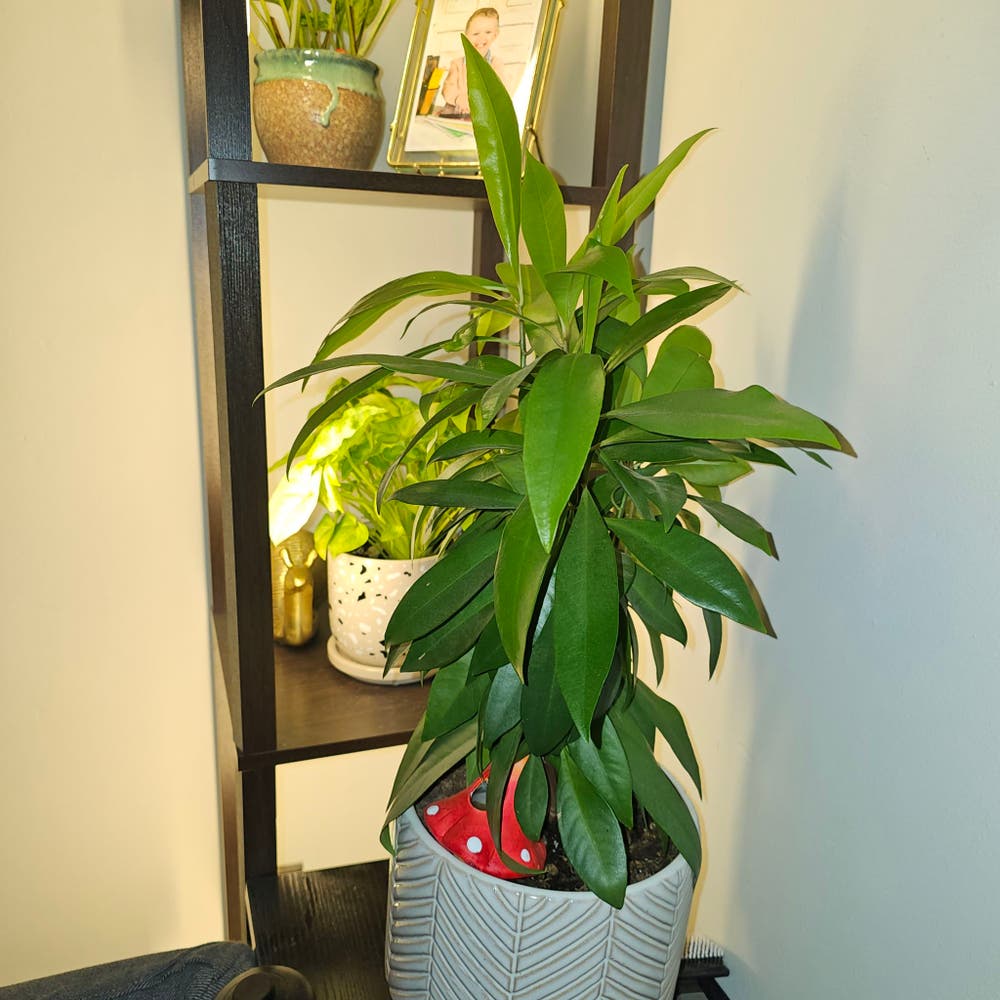
Everything You Need to Know About Ardisia nutantiflora
Ardisia nutantiflora
By the Greg Editorial Team
Jan 30, 2025•12 min read
This article was created with the help of AI so we can cover more plants for you. May contain errors. See one? Report it here.
Elevate your garden's charm with Ardisia nutantiflora, the perfect low-light beauty for shaded spots! 🌱
- 🌱 Ardisia nutantiflora thrives in partial shade with temperatures between 20°C to 30°C.
- 🌿 Well-draining, acidic soil is crucial; pH should be 5.5 to 6.5 to prevent rot.
- ⚠️ Berries and leaves are toxic to pets and humans; handle with care!
How to Grow
🌳 Choosing a Location
Ardisia nutantiflora thrives best in partial shade, making it an excellent choice for those shadier spots in your garden. Aim for temperatures between 20°C to 30°C (68°F to 86°F) and ensure the humidity levels are moderate to high for optimal growth.
🌱 Soil Preparation
For soil, opt for well-draining, acidic conditions with a pH between 5.5 and 6.5. Good drainage is crucial to prevent root rot, so consider adding organic matter to enhance soil structure.
🌼 Planting Techniques
When planting, space your Ardisia plants 2-3 feet apart to allow for healthy growth. Ensure you plant them at the same depth as they were in their nursery containers to avoid stress.
💧 Watering Requirements
Water your Ardisia when the top inch of soil feels dry to the touch. Use a gentle watering method to avoid disturbing the roots, keeping them secure in their new home.
🌿 Fertilizing Schedule
Utilize a balanced, slow-release fertilizer to nourish your plants. Fertilize every 6-8 weeks during the growing season to keep them thriving.
✂️ Pruning Practices
Prune your Ardisia in early spring, just before new growth begins. Focus on removing dead or damaged branches and shaping the plant to encourage a healthy structure.
🔍 Ongoing Care
Regularly monitor your plants for any signs of stress or disease, adjusting care as needed. Seasonal changes may require modifications in your care routine to keep your Ardisia healthy and vibrant.
As you embark on your journey of growing Ardisia nutantiflora, remember that each step contributes to its overall health and beauty. Next, let’s explore how to propagate this stunning plant for even more greenery in your space.
Propagation
Seed Propagation 🌱
To propagate Ardisia nutantiflora from seeds, start by soaking the seeds for 24 hours before planting. This simple step helps kickstart the germination process, which thrives in warm, humid conditions.
Cutting Propagation ✂️
Another effective method is cutting propagation. Take 4-6 inch cuttings from healthy stems, ideally in spring or early summer, to ensure the best chance of success.
Division Propagation 🔪
Division propagation is a more advanced technique. It's best to divide the plant during spring when it's actively growing; carefully separate the root ball into sections, ensuring each section has roots attached for optimal growth.
This propagation section sets the stage for understanding how to expand your Ardisia collection. Next, we’ll explore the lifecycle of this fascinating plant, detailing its growth stages and what to expect as it matures.
Lifecycle
🌱 Lifecycle Stages
The lifecycle of Ardisia nutantiflora consists of several key stages: seed or cutting, germination, seedling, vegetative growth, flowering, and seed production. Each stage plays a crucial role in the plant's development and overall health.
⏳ Germination Process and Timeline
Germination typically takes 2-4 weeks under optimal conditions. To ensure success, maintain warm and humid environments during this period.
🌿 Seedling Stage Characteristics
During the seedling stage, the plant develops true leaves and establishes its root systems. This is a critical phase where the foundation for future growth is laid.
🌳 Vegetative Growth Phase
The vegetative growth phase is marked by rapid growth, allowing the plant to establish its structure. This phase is vital for building a robust framework that supports flowering and fruiting.
🌸 Flowering and Seed Production
Flowering usually occurs in late spring to early summer, followed by seed production. The berries mature in late summer, completing the cycle and providing new seeds for propagation.
⏲️ Lifespan and Growth Rate
With proper care, Ardisia nutantiflora can live for several years. It has a moderate growth rate, typically reaching maturity in 2-3 years, making it a rewarding addition to any garden.
This lifecycle overview highlights the importance of each stage in nurturing a healthy Ardisia nutantiflora. Understanding these phases will help you provide the best care for your plant, ensuring it thrives and flourishes. Next, we will explore how to effectively propagate this beautiful species.
Size
Mature Height and Spread 🌳
Ardisia nutantiflora typically reaches a mature height of 3 to 5 feet. Its spread can range from 2 to 4 feet wide, making it a substantial addition to your garden.
Growth Rate and Factors Affecting Size 📈
This plant has a moderate growth rate, which can be influenced by several factors. Key elements include light availability, water supply, and soil conditions, all of which play a crucial role in determining its overall size.
Size Variability Based on Growing Conditions 🌱
Size variability is common in Ardisia nutantiflora. Plants thriving in optimal conditions—adequate light, moisture, and nutrients—tend to grow larger than those in less favorable environments.
Understanding these size characteristics can help you plan your garden layout effectively. With the right care, you can enjoy a lush and vibrant display of Ardisia nutantiflora that enhances your outdoor space.
Next, let's explore the fascinating root system of this plant and its implications for growth and health.
Roots
🌱 Root System Characteristics
Ardisia nutantiflora features a fibrous root system that is essential for its stability and nutrient absorption. Typically, the roots extend 12-18 inches deep, allowing the plant to access moisture and nutrients effectively.
🌍 Spread of Roots
These roots can spread outwards significantly, adapting to the surrounding soil conditions. This adaptability is crucial for the plant's overall health and growth.
⚠️ Common Root-Related Issues
Root rot is a common problem, often caused by overwatering. Symptoms include wilting and yellowing leaves, signaling that your plant may be in distress.
🔒 Recognizing Rootbound Conditions
Another issue is becoming rootbound, which occurs when the roots fill the pot. Signs of this condition include stunted growth and roots circling the pot, indicating that the plant needs more space.
👀 Visual Cues for Healthy vs. Unhealthy Roots
Healthy roots are firm, white, and spread out, showcasing a thriving plant. In contrast, unhealthy roots appear dark, mushy, or foul-smelling, indicating potential problems.
🛠️ Solutions for Root Problems
If you notice roots circling the pot or emerging from drainage holes, it’s time to repot. Additionally, stunted growth and poor water absorption are clear signs that your plant may be rootbound and in need of a larger container.
Understanding the root system of Ardisia nutantiflora is vital for its care. By monitoring these aspects, you can ensure your plant remains healthy and vibrant. Next, let’s explore the benefits of having this beautiful plant in your garden.
Benefits
Top 5 Benefits 🌟
Ardisia nutantiflora offers a range of benefits that make it a valuable addition to any garden or indoor space. Here are the top five reasons to consider this stunning plant.
Ornamental Appeal
The attractive foliage and vibrant berries of Ardisia nutantiflora enhance garden aesthetics. Its lush appearance can serve as a focal point or complement other plants beautifully.
Low-Light Tolerance
This plant thrives in partial shade, making it ideal for areas where sunlight is limited. If you have a shady spot in your garden, Ardisia nutantiflora can flourish where other plants may struggle.
Wildlife Attraction
The berries of Ardisia nutantiflora are not just pretty; they attract birds and beneficial insects. This can help create a lively ecosystem in your garden, supporting local wildlife.
Air Purification
Beyond its beauty, Ardisia nutantiflora contributes to improved indoor air quality. It helps filter out toxins, making your home a healthier place to live.
Cultural Significance
In some cultures, this plant is valued for its beauty and symbolism. Incorporating it into your space can add a layer of cultural appreciation and significance.
These benefits make Ardisia nutantiflora a fantastic choice for both novice and experienced gardeners. Its versatility and charm can elevate any environment, whether indoors or out.
As you consider adding this plant to your collection, think about how it can enhance your space and support local wildlife. Next, let’s explore how to propagate this beautiful plant effectively.
Companion Plants
🌱 Companion Planting
Companion planting is the art of growing different plants together to enhance their growth and health. This practice can lead to improved yields, pest control, and overall garden vitality.
🌿 Compatible Companion Plants
When it comes to Ardisia nutantiflora, certain plants thrive alongside it. Ferns, hostas, and other shade-loving plants are excellent companions, as they share similar care requirements and can create a lush, harmonious environment.
🚫 Plants to Avoid
While some plants complement Ardisia, others can hinder its growth. Avoid planting near aggressive weeds or sun-loving plants that may compete for resources, as these can create stress for your Ardisia.
By choosing the right companions, you can create a thriving garden ecosystem that benefits all plants involved. This thoughtful approach not only enhances the beauty of your space but also fosters a healthier growing environment.
Toxicity to Humans
Toxic Parts 🥴
The Ardisia nutantiflora plant has specific parts that are toxic, primarily its berries and leaves. It's crucial to be aware of these toxic components, especially if you have children or pets around.
Symptoms of Poisoning 🤢
If ingested, the symptoms can be quite unpleasant. Expect nausea, vomiting, diarrhea, abdominal pain, dizziness, and confusion, which can vary in severity depending on the amount consumed.
Exposure Risks ⚠️
Exposure can occur through ingestion of the plant parts or even contact with its sap. Always handle the plant with care to avoid any potential health risks.
Seeking Medical Care 🚑
If ingestion occurs or if any symptoms develop, it's essential to seek medical attention immediately. Quick action can make a significant difference in outcomes, so don’t hesitate to reach out for help.
Understanding the toxicity of Ardisia nutantiflora is vital for safe gardening and home enjoyment. Next, let’s explore how this plant can affect our furry friends.
Toxicity to Dogs
Toxic Parts 🐾
Ardisia nutantiflora can pose a risk to dogs, particularly its berries and leaves. These parts contain compounds that can be harmful if ingested.
Symptoms of Poisoning 🤢
If a dog consumes any part of this plant, watch for symptoms such as drooling, vomiting, diarrhea, weakness, and tremors. These signs can indicate that your furry friend has ingested something toxic.
Prevention Measures 🛡️
To keep your dog safe, supervise them when they are outdoors, especially in areas where Ardisia nutantiflora is present. It's also wise to remove the plant from accessible areas to prevent any accidental ingestion.
By being aware of these risks and taking proactive measures, you can enjoy the beauty of Ardisia nutantiflora while keeping your canine companion safe. Next, let’s explore how this plant can affect our feline friends.
Toxicity to Cats
Toxic Parts 🐱
Ardisia nutantiflora can pose a risk to our feline friends. The berries and leaves of this plant are considered toxic to cats.
Symptoms of Poisoning 🤢
If a cat ingests any part of the plant, it may exhibit several troubling symptoms. Look out for drooling, vomiting, diarrhea, weakness, and tremors.
Prevention Measures 🚫
To keep your cat safe, it's best to keep them indoors. Supervise their outdoor time and ensure that Ardisia nutantiflora is removed from gardens or areas they can access.
Understanding the potential risks of this plant helps you create a safer environment for your pets. Always stay vigilant and informed about the plants in your home and garden.
Problems
Common Problems 🌱
Growing Ardisia nutantiflora can be rewarding, but it’s essential to be aware of potential issues that may arise. Here are some common problems you might encounter.
Incorrect Watering 🚰
Watering is crucial for plant health. Overwatering can lead to root rot, causing the plant to wilt and develop yellowing leaves. Conversely, underwatering can also stress the plant, resulting in wilting and stunted growth.
Incorrect Light Conditions 💡
Light conditions play a significant role in the growth of Ardisia nutantiflora. Insufficient light can lead to leggy growth as the plant stretches toward the light source, compromising its overall appearance and health.
Incorrect Temperature 🌡️
Temperature extremes can stress your plant. Ideally, Ardisia nutantiflora thrives in a range of 20°C to 30°C (68°F to 86°F). Temperatures outside this range can hinder growth and lead to other complications.
Diseases 🦠
Fungal diseases can pose a threat to your plant's health. Common issues include powdery mildew and black rot, which can spread quickly if not addressed promptly. Regular monitoring can help catch these problems early.
Leaf Issues 🍃
Leaf problems are often indicators of environmental stress. Scorching or yellowing leaves can signal that your plant is not receiving the right care, whether it’s too much sun, insufficient water, or nutrient deficiencies.
By staying vigilant and addressing these common problems, you can ensure your Ardisia nutantiflora remains healthy and vibrant. Next, let’s explore the various pests that might affect your plant and how to manage them effectively.
Bugs
🐛 Potential Pest Issues
Ardisia nutantiflora is generally pest-resistant, making it a robust choice for your garden. However, it can still fall victim to certain pests that may disrupt its growth.
🔍 Identification of Pests
Common pests that may target your Ardisia include spider mites, mealybugs, and aphids. Look for signs like leaf discoloration, wilting, and stunted growth to identify these unwelcome guests.
🧴 Treatment Options
To combat these pests, consider using insecticidal soap or neem oil, both of which are effective and eco-friendly. You can also introduce beneficial insects, like ladybugs, to help keep the pest population in check.
By staying vigilant and employing these treatment methods, you can ensure your Ardisia remains healthy and thriving. Next, let's explore what animals might be interested in munching on your plant.
What Eats
Common Animals 🦌
Ardisia nutantiflora can attract a variety of wildlife. Common culprits include deer, rabbits, and rodents, all of which may find the plant's foliage appealing.
Signs of Damage 🐾
Keep an eye out for signs of animal activity. Chewed leaves, broken branches, and trampled plants are clear indicators that your Ardisia is being nibbled on by local fauna.
Deterrent Methods 🚧
To protect your plants, consider implementing some control methods. Fencing can create a physical barrier, while repellents can deter animals from approaching. Additionally, companion planting with less palatable species can help safeguard your Ardisia from hungry visitors.
By taking these steps, you can enjoy the beauty of your Ardisia nutantiflora without the worry of it becoming a snack for local wildlife. Now, let’s explore the potential toxicity of this plant to humans and pets.
⚠️ Safety First
This content is for general information and may contain errors, omissions, or outdated details. It is not medical, veterinary advice, or an endorsement of therapeutic claims.
Always consult a qualified healthcare professional before using any plant as food, medicine, or supplement.
Never eat any plant (or feed one to pets) without confirming its identity with at least two trusted sources.
If you suspect poisoning, call Poison Control (800) 222-1222, the Pet Poison Helpline (800) 213-6680, or your local emergency service immediately.
Spotted an error? Please report it here.
Nurture your Ardisia nutantiflora to thrive beautifully 🌿 with Greg's tailored care reminders and expert tips that ensure you meet its unique needs for a vibrant, wildlife-friendly garden!