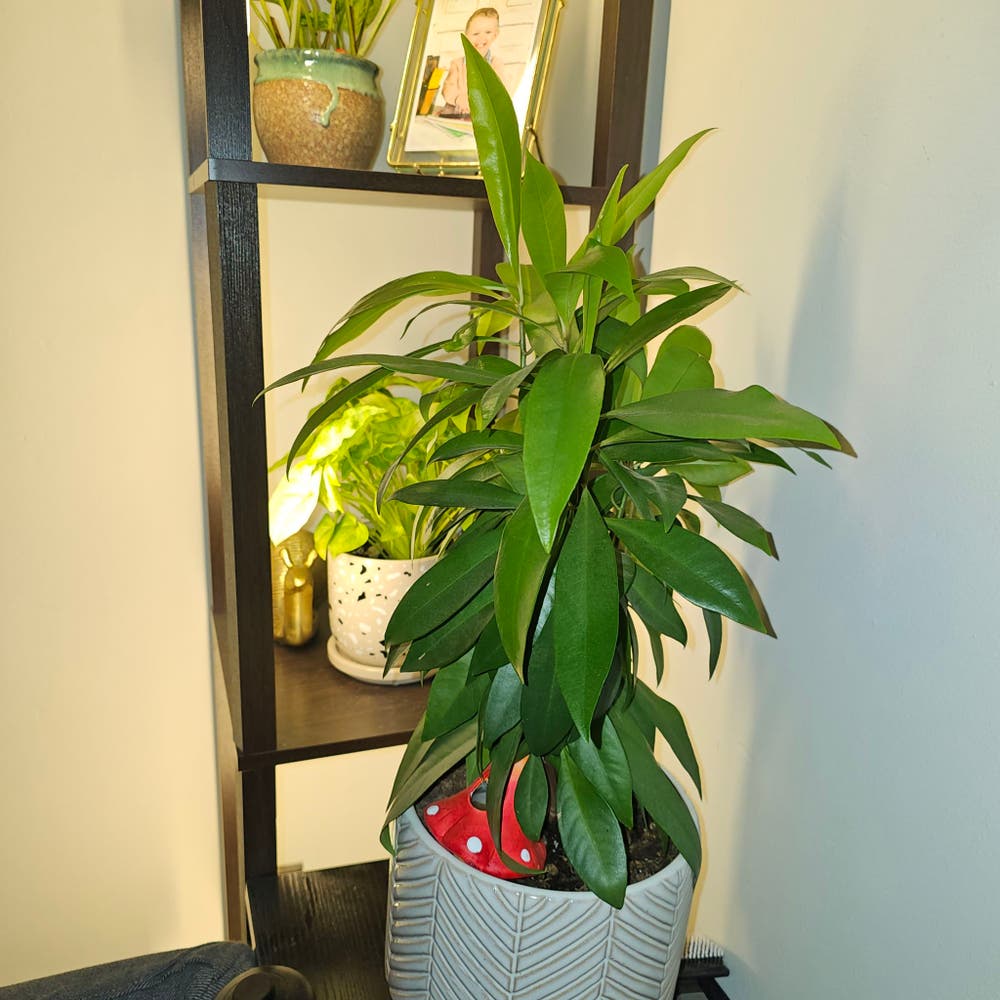
Overview of Ardisia corymbifera var. corymbifera
Ardisia corymbifera var. corymbifera
By the Greg Editorial Team
Feb 28, 2025•11 min read
This article was created with the help of AI so we can cover more plants for you. May contain errors. See one? Report it here.
Elevate your garden's beauty with Ardisia corymbifera—thriving starts with the right care! 🌿
- 🌞 Ardisia corymbifera thrives in partial shade and temperatures between 20°C to 30°C.
- 🌱 Use well-draining, organic-rich soil with a pH of 6.0 to 7.0 for optimal growth.
- ⚠️ Berries and leaves are toxic to humans and pets; keep out of reach!
How to Grow
Choosing a Location 🌞
Ardisia corymbifera var. corymbifera thrives in partial shade or filtered sunlight. Aim for temperatures between 20°C to 30°C (68°F to 86°F) and maintain moderate humidity levels for optimal growth.
Soil Preparation 🌱
For soil, choose a well-draining mix rich in organic matter. The ideal pH level is slightly acidic to neutral, ranging from 6.0 to 7.0, and ensure good drainage to prevent root rot.
Planting Techniques 🌿
When planting, space your Ardisia plants 2-3 feet apart to allow for adequate air circulation. Make sure to plant them at the same depth as they were in their nursery containers.
Watering Requirements 💧
Water your plants regularly to keep the soil consistently moist but avoid sogginess. Using drip irrigation or watering at the base helps prevent wetting the foliage, which can lead to disease.
Fertilizing Schedule 🌼
Opt for a balanced, slow-release fertilizer to nourish your plants. Fertilize every 4-6 weeks during the growing season for the best results.
Pruning Practices ✂️
Prune your Ardisia in early spring to shape the plant and remove any dead or damaged branches. Always use clean, sharp tools to make clean cuts and promote healthy growth.
Ongoing Care 🔍
Regularly monitor your plants for signs of pests or diseases to catch any issues early. Adjust your watering and fertilizing routines based on seasonal changes to keep your plants thriving.
With these guidelines, you’ll be well on your way to cultivating a healthy and vibrant Ardisia corymbifera var. corymbifera. Next, let’s explore how to propagate this beautiful plant effectively.
Propagation
🌱 Seed Propagation
To start your Ardisia corymbifera var. corymbifera from seeds, begin by soaking them in water for 24 hours. This simple step helps kickstart the germination process.
For optimal growth, maintain warm temperatures around 25°C (77°F) and ensure high humidity. These conditions create a cozy environment for your seeds to sprout.
✂️ Cutting Propagation
Another effective method is cutting propagation. Take healthy 4-6 inch cuttings from the stems of your plant.
Timing is key here; aim to do this in spring or early summer for the best results. This method allows you to expand your collection with minimal effort.
🔪 Division Propagation
Dividing mature plants is a great way to rejuvenate their growth. Plan to divide your Ardisia every 2-3 years to keep it thriving.
When dividing, carefully separate the root clumps and replant them immediately. This not only promotes healthy growth but also gives you new plants to enjoy or share.
With these propagation techniques, you can easily multiply your plants and enhance your garden's beauty. Next, let’s explore the lifecycle of Ardisia corymbifera var. corymbifera and understand its growth stages.
Lifecycle
Lifecycle Stages 🌱
The lifecycle of Ardisia corymbifera var. corymbifera is a fascinating journey. From seed or cutting to maturity, it typically takes about 2-3 years.
Seeds germinate within 4-6 weeks when provided optimal conditions, setting the stage for robust growth.
Seedling Stage Characteristics 🌿
During the seedling stage, the plant focuses on developing true leaves and establishing a strong root system. This foundational phase is crucial for future growth.
Vegetative Growth Phase 🌳
Next comes the vegetative growth phase, where the plant experiences rapid growth. This is when it develops lush foliage and an extensive root network, preparing for the next stages.
Flowering and Seed Production 🌸
Flowering occurs in late spring to early summer, showcasing beautiful blooms. After flowering, the plant produces berries, adding to its visual appeal and ecological value.
Lifespan and Growth Rate ⏳
Ardisia corymbifera can live for several years, often exceeding a decade with proper care. Its moderate growth rate averages between 12-24 inches per year under ideal conditions, making it a rewarding addition to any garden.
As we explore the lifecycle of this plant, it’s clear that understanding its growth stages is essential for successful cultivation. Next, we’ll delve into its size, examining how it can fit into your garden space.
Size
Mature Height and Spread 🌳
Ardisia corymbifera var. corymbifera typically reaches a mature height of 3 to 6 feet. Its spread can range from 2 to 4 feet, making it a versatile choice for various garden spaces.
Growth Rate and Factors Affecting Size 📈
The growth rate of this plant is influenced by several factors, including light, water, and nutrient availability. Size can vary significantly based on growing conditions, such as soil quality and climate, so providing optimal care is essential for achieving its full potential.
With the right environment, you can expect this plant to thrive and fill your garden with its lush foliage. Understanding these aspects will help you create the best conditions for your Ardisia corymbifera, ensuring it flourishes beautifully.
Roots
Root System Type 🌱
Ardisia corymbifera var. corymbifera features a predominantly fibrous root system. These roots typically extend 12-18 inches deep and spread widely, allowing the plant to absorb nutrients effectively.
Common Root-Related Issues ⚠️
One of the most common problems is root rot, often caused by overwatering. Symptoms include wilting and yellowing leaves, signaling that the roots are struggling to function.
Another issue is becoming rootbound, which occurs when roots grow out of drainage holes. The solution is simple: repot the plant into a larger container to give it room to thrive.
Visual Cues for Healthy vs. Unhealthy Roots 👀
Healthy roots are firm, white, and spread throughout the soil, indicating a well-established plant. In contrast, unhealthy roots appear dark, mushy, or foul-smelling, which is a clear sign of rot.
Understanding these root characteristics is essential for maintaining the health of your Ardisia corymbifera. By monitoring root health, you can ensure your plant continues to flourish and avoid common pitfalls.
Next, let’s explore the benefits of this beautiful plant and how it can enhance your garden.
Benefits
Aesthetic Appeal 🌺
Ardisia corymbifera var. corymbifera boasts stunning foliage and vibrant flowers, making it a beautiful addition to any garden. Its lush appearance can elevate the overall aesthetic, creating a serene and inviting atmosphere.
Air Purification 🌬️
This plant is not just a pretty face; it also plays a role in improving indoor air quality. By filtering pollutants, it contributes to a healthier living environment, making it a smart choice for indoor spaces.
Cultural Significance 🎉
In various cultures, Ardisia corymbifera is often linked to good fortune and prosperity. Incorporating this plant into your home or garden can add a layer of cultural richness and symbolism.
Wildlife Attraction 🦋
Beyond its beauty, this plant serves as a habitat and food source for birds and beneficial insects. By planting it, you can support local wildlife, enhancing biodiversity in your garden.
Edible Uses 🍇
The berries of Ardisia corymbifera can be transformed into delicious jams or jellies. However, it's crucial to ensure proper identification before consumption, as not all parts of the plant are safe to eat.
Incorporating Ardisia corymbifera into your garden not only enhances its beauty but also supports a healthier ecosystem. With its multifaceted benefits, this plant is a fantastic choice for both novice and experienced gardeners alike.
Companion Plants
🌱 Companion Planting Concept
Companion planting is a gardening strategy that enhances growth, pest management, and overall garden diversity. By choosing the right plants to grow together, you can create a thriving ecosystem that benefits all species involved.
🌼 Best Companion Plants
When considering companions for Ardisia corymbifera var. corymbifera, ferns, hostas, and shade-tolerant perennials are excellent choices. These plants share similar care needs and can help repel pests, making them ideal partners in your garden.
🚫 Plants to Avoid
On the flip side, it's wise to avoid planting near aggressive weeds or species that require full sun. These plants can compete for resources and hinder the growth of your Ardisia, leading to a less vibrant garden.
By understanding companion planting, you can create a harmonious environment that supports the health and beauty of your Ardisia corymbifera. Next, let’s explore the potential toxicity of this plant to humans and pets, ensuring you’re well-informed about its care and safety.
Toxicity to Humans
Toxic Parts 🍇
Ardisia corymbifera var. corymbifera contains harmful compounds primarily in its berries and leaves. It's essential to be aware of these toxic parts to prevent accidental ingestion.
Symptoms of Poisoning 🤢
If ingested, symptoms can include nausea, vomiting, diarrhea, abdominal pain, dizziness, and even severe neurological issues. Recognizing these signs early can be crucial for effective treatment.
Exposure Risks ⚠️
Exposure risks arise from ingesting any part of the plant or coming into contact with its sap. Always handle the plant with care, especially around children and pets.
When to Seek Medical Care 🚑
If ingestion occurs or severe symptoms manifest, seek immediate medical attention. Quick action can make a significant difference in outcomes, so don’t hesitate to get help.
Understanding the toxicity of Ardisia corymbifera var. corymbifera is vital for safe gardening and plant care. Next, let’s explore how this plant can affect our furry friends.
Toxicity to Dogs
Toxic Parts 🐾
The Ardisia corymbifera var. corymbifera contains toxic components primarily in its berries and leaves. Ingesting these parts can pose serious health risks to dogs.
Symptoms of Poisoning 🤢
If a dog consumes any part of this plant, watch for symptoms such as drooling, vomiting, diarrhea, weakness, and tremors. These signs indicate that immediate attention may be necessary.
Prevention Measures 🚫
To keep your furry friends safe, supervise their outdoor time and ensure the plant is out of reach. Removing the plant from accessible areas can prevent accidental ingestion and keep your dog healthy.
By being aware of these risks and taking preventive measures, you can enjoy your garden while keeping your pets safe. Next, let’s explore the toxicity of Ardisia corymbifera to cats.
Toxicity to Cats
Toxic Parts 🐾
The berries and leaves of Ardisia corymbifera var. corymbifera are toxic to cats. It's essential to keep these parts out of reach to prevent accidental ingestion.
Symptoms of Poisoning 🤢
If a cat consumes any part of this plant, symptoms may include drooling, vomiting, diarrhea, weakness, and even respiratory distress. Observing these signs promptly is crucial for your pet's health.
Prevention Measures 🛡️
To protect your feline friend, keep cats indoors and supervise their outdoor time. Consider placing the plant in areas that are inaccessible to curious paws.
Problems
🌱 Common Problems with Ardisia corymbifera var. corymbifera
Growing Ardisia corymbifera can be rewarding, but it's essential to be aware of common issues that may arise. Here’s a rundown of the most frequent problems you might encounter.
💧 Overwatering
Overwatering is a leading cause of distress for this plant. Symptoms include yellowing leaves and root rot, which can quickly become fatal if not addressed.
💡 Incorrect Light Conditions
Light plays a crucial role in the health of your Ardisia. Insufficient light can lead to leggy growth, while too much direct sunlight may cause leaf scorch.
🦠 Diseases
Fungal diseases can plague your plant, with powdery mildew and blight being the most common culprits. These issues often arise in humid conditions, so keep an eye out for any signs of distress.
🌿 Root Problems
Root rot is a significant concern, especially if you’re not careful with your watering habits. Squishy roots are a clear indicator of overwatering, signaling that immediate action is needed.
🍃 Leaf Issues
Environmental stress can manifest in various ways, often resulting in scorching or yellowing leaves. Regular monitoring and adjustments to care can help mitigate these problems.
By staying vigilant and addressing these issues promptly, you can ensure your Ardisia corymbifera thrives. Next, let’s explore the potential pest problems that could affect your plant.
Bugs
🐜 Potential Pest Issues
While Ardisia corymbifera var. corymbifera is generally pest-resistant, it can still fall prey to a few common nuisances. Keeping an eye out for these pests is essential to maintaining the health of your plant.
🔍 Identification and Damage
- Spider Mites: Look for fine webbing on leaves and stippled discoloration. These tiny pests can quickly multiply and cause significant damage.
- Scale Insects: These pests leave a sticky residue and can cause yellowing leaves. They often appear as small, raised bumps on stems and leaves.
- Mealybugs: Identified by their cotton-like masses, mealybugs can cluster on stems and leaves, sucking the plant's sap and weakening it.
🧴 Treatment Options
To combat these pests, consider using insecticidal soap or neem oil. Both options are effective and can help restore your plant's health without harsh chemicals.
Regular monitoring and prompt action can keep your Ardisia corymbifera thriving and pest-free. Now that you’re equipped with pest management strategies, let’s explore what animals might be interested in snacking on your plant.
What Eats
Common Animals 🦌
Ardisia corymbifera var. corymbifera can attract a variety of hungry critters. Deer, rabbits, squirrels, and rodents are known to nibble on its leaves and berries.
Signs of Damage 🐾
Keep an eye out for signs of animal activity around your plants. Chewed leaves, droppings, and tracks can indicate that these animals are enjoying a feast at your expense.
Deterrent Methods 🚧
To protect your plants, consider implementing a few deterrent strategies. Fencing, natural repellents, or companion planting can help keep these hungry visitors at bay.
By taking these precautions, you can enjoy the beauty of your Ardisia corymbifera while minimizing damage from wildlife. Now that you know how to safeguard your plants, let’s explore the potential pest issues that could arise.
⚠️ Safety First
This content is for general information and may contain errors, omissions, or outdated details. It is not medical, veterinary advice, or an endorsement of therapeutic claims.
Always consult a qualified healthcare professional before using any plant as food, medicine, or supplement.
Never eat any plant (or feed one to pets) without confirming its identity with at least two trusted sources.
If you suspect poisoning, call Poison Control (800) 222-1222, the Pet Poison Helpline (800) 213-6680, or your local emergency service immediately.
Spotted an error? Please report it here.
Grow your Ardisia corymbifera like a pro 🌱 with Greg's tailored care tips and watering reminders, ensuring it thrives beautifully in your garden!