❄️ Arctic Bryum Moss: A Comprehensive Overview
Bryum arcticum
By the Greg Editorial Team
Feb 09, 2025•12 min read
This article was created with the help of AI so we can cover more plants for you. May contain errors. See one? Report it here.
- 🌱 Arctic Bryum Moss thrives in shade with consistent moisture; avoid waterlogging.
- 🌿 Ideal soil is acidic and well-draining, pH 5.0-6.5 for optimal growth.
- ✂️ Regular pruning and spacing promote airflow, preventing overcrowding and maintaining health.
How to Grow
🌍 Choosing a Location
When growing Arctic Bryum Moss, selecting the right location is crucial. This moss thrives in partial to full shade, so steer clear of direct sunlight to prevent desiccation.
Moisture is another key factor; the moss prefers consistently moist conditions but should never be waterlogged. Look for damp areas that can provide the ideal environment.
Temperature tolerance is also important. Arctic Bryum Moss excels in cold conditions and can withstand freezing temperatures, making it perfect for cooler climates.
🏗️ Soil Preparation
Next, focus on soil preparation for optimal growth. Acidic, well-draining soils are ideal, so consider using a mix of peat moss and sand to create the perfect substrate.
Aim for a pH level between 5.0 and 6.5. This range will help ensure that your moss has the nutrients it needs to flourish.
🌱 Planting Techniques
When it comes to planting techniques, spacing is vital. Allow for 6-12 inches between clumps to promote airflow and prevent overcrowding.
For depth, surface planting is recommended. Avoid burying the moss, as it needs light and air to thrive.
💧 Watering Requirements
Watering is essential for maintaining healthy moss. Keep the substrate consistently moist, adjusting your watering frequency based on environmental conditions.
Use a spray bottle or a gentle watering can to avoid displacing the moss. This method helps maintain its delicate structure while ensuring it receives adequate moisture.
🌿 Fertilizing
Fertilizing Arctic Bryum Moss requires a light touch. Minimal fertilization is needed, but if you choose to fertilize, consider using a diluted liquid fertilizer during the growing season.
Fertilize once every 4-6 weeks if necessary. This will provide the nutrients needed without overwhelming the moss.
✂️ Pruning and Maintenance
Regular pruning and maintenance are key to a thriving moss garden. Trim away any dead or brown sections to encourage new growth and keep the moss looking fresh.
To promote growth, lightly misting the moss can help maintain moisture levels. This simple step can make a significant difference in its overall health.
🪴 Container Growing Considerations
If you're considering container growing, pay attention to your potting mix. Use a mix that retains moisture while allowing for drainage to prevent root rot.
Ensure that your containers have drainage holes. This will help maintain the right moisture balance and keep your Arctic Bryum Moss healthy.
With these guidelines, you're well on your way to successfully growing Arctic Bryum Moss. Next, let’s explore how to propagate this resilient plant for even more lush greenery!
Propagation
Methods of Propagation 🌱
Arctic Bryum Moss can be propagated through two primary methods: spore propagation and division. Both techniques are straightforward and allow you to expand your moss collection effectively.
Spore Propagation
Spore propagation involves collecting spores from mature moss and spreading them on a suitable substrate. This method requires patience but can be rewarding as it allows for the natural reproduction of the moss.
Division
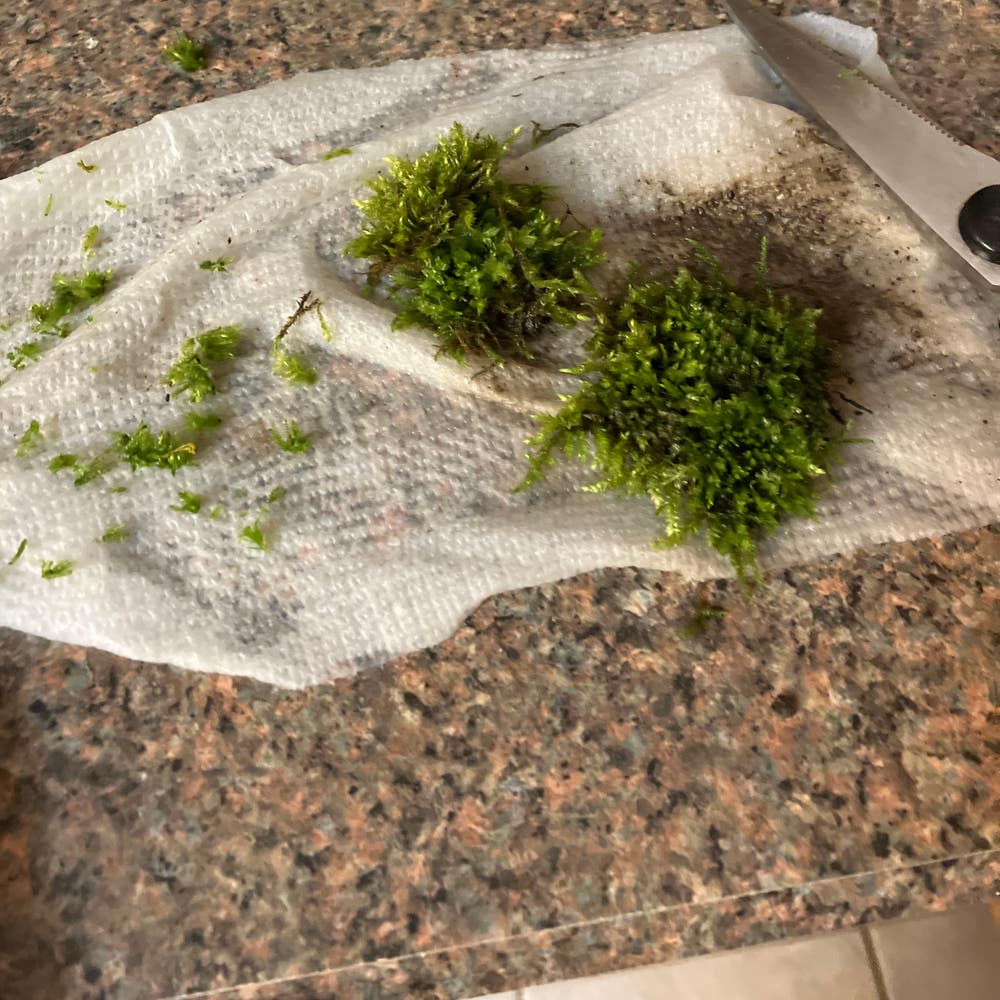
Division is the simpler method, where you carefully separate clumps of moss and replant them in new locations. This technique is quick and effective, making it ideal for beginners.
Step-by-Step Instructions for Each Method 📝
Spore Propagation (difficulty: moderate)
- Collect spores: Wait until the moss produces sporophytes, which are the structures that release spores.
- Prepare substrate: Use a moist, acidic mix that will support the growth of the new moss.
- Spread spores: Lightly sprinkle the collected spores on the surface of the substrate and mist them to encourage germination.
Division (difficulty: easy)
- Select healthy clumps: Choose vigorous sections of moss that show no signs of disease or damage.
- Separate: Gently pull apart the clumps, ensuring that each piece has some roots attached.
- Replant: Place the separated clumps in your desired location and mist them lightly to help them settle in.
With these methods, you can easily propagate Arctic Bryum Moss and enjoy its lush greenery in various spots around your garden or home. Now that you know how to propagate this beautiful moss, let’s explore its lifecycle and growth stages.
Lifecycle
Overview of Lifecycle Stages 🌱
The lifecycle of Arctic Bryum Moss is fascinating and unfolds in distinct stages. It begins with germination, which takes about 1-3 weeks under optimal conditions.
Following germination, the moss enters the seedling stage, where it starts to establish itself and spread. Within 1-2 months, it progresses to vegetative growth, forming dense mats that create a lush green carpet.
Duration Until Maturity ⏳
Arctic Bryum Moss can reach full maturity in approximately 6-12 months. Its growth rate is moderate, and various environmental factors, such as moisture and light, can influence how quickly it develops.
Lifespan 🌿
Under favorable conditions, Arctic Bryum Moss can live for several years. This longevity makes it a resilient choice for gardeners looking to add a touch of greenery to shaded areas.
As you explore the lifecycle of Arctic Bryum Moss, you'll appreciate its adaptability and beauty, making it a wonderful addition to any garden. Next, let’s dive into the size characteristics of this remarkable moss.
Size
Mature Height and Spread 🌱
Arctic Bryum Moss typically reaches a mature height of 1-3 inches. It can spread extensively, forming dense mats that cover large areas, adding a lush green touch to your garden.
Growth Rate and Time to Reach Full Size ⏳
This moss has a moderate growth rate, taking about 6-12 months to fully establish. Keep in mind that its size can vary based on factors like moisture, light, and soil conditions, so providing the right environment is key to its success.
Roots
Characteristics of the Root System 🌱
Arctic Bryum Moss features a fibrous root system that plays a crucial role in its survival. These shallow roots spread horizontally, anchoring the moss securely to its substrate.
Common Root-Related Issues ⚠️
Root health is vital for the overall well-being of Arctic Bryum Moss. Overwatering can lead to root rot, characterized by mushy, dark roots that signal distress.
Additionally, when grown in containers, the moss can become rootbound. This condition manifests as stunted growth, indicating that the roots have filled the available space and need more room to thrive.
Visual Cues for Healthy vs. Unhealthy Roots 👀
Identifying root health is straightforward. Healthy roots are firm and light-colored, showcasing vitality. In contrast, unhealthy roots appear dark, mushy, or may even emit a foul smell, indicating a need for immediate attention.
Understanding these root characteristics and issues can help you maintain a thriving Arctic Bryum Moss garden. By ensuring proper watering and space, you can foster a robust root system that supports lush growth.
Next, let’s explore the benefits of incorporating Arctic Bryum Moss into your landscape.
Benefits
Top 5 Benefits of Arctic Bryum Moss 🌿
Arctic Bryum Moss offers a range of benefits that make it a valuable addition to any garden or landscape. Here are the top five advantages:
Erosion Control
This moss plays a crucial role in stabilizing soil, particularly in damp areas. Its dense mats help prevent soil erosion, making it an excellent choice for sloped or waterlogged regions.Aesthetic Appeal
With its lush greenery, Arctic Bryum Moss enhances the visual appeal of shaded garden spots. It creates a serene, natural look that can transform any dull area into a vibrant oasis.Biodiversity Support
By providing habitat for small organisms, Arctic Bryum Moss contributes to local biodiversity. It attracts beneficial insects and supports various wildlife, enriching the ecosystem.Air Purification
This moss contributes to improved air quality by filtering pollutants. Its ability to absorb carbon dioxide and release oxygen makes it a natural air purifier.Cultural Significance
Often used in traditional practices and landscaping, Arctic Bryum Moss holds cultural importance in various communities. It can be found in decorative arrangements and is valued for its unique properties.
Incorporating Arctic Bryum Moss into your garden not only enhances its beauty but also supports environmental health and cultural practices. As we explore further, you’ll discover how to grow and care for this remarkable plant.
Companion Plants
🌱 Explanation of Companion Planting
Companion planting is a gardening strategy that enhances biodiversity and promotes plant health. By pairing compatible plants, you can improve pest management and create a more resilient ecosystem.
🌼 List of Compatible Plants
When growing Arctic Bryum Moss, consider these suitable companions:
- Ferns: Thrive in similar moisture and light conditions, providing a lush backdrop.
- Shade-tolerant flowers: Such as hostas, which can add color without competing for resources.
- Other mosses: They create a harmonious look and share similar care requirements.
These plants not only coexist well but also contribute to a vibrant garden environment.
🚫 Plants to Avoid
Be cautious with your plant choices. Avoid pairing Arctic Bryum Moss with:
- Succulents: These require full sun and dry conditions, which can stress the moss.
- Plants needing direct sunlight: They can overshadow the moss and disrupt its growth.
Choosing the right companions will help your Arctic Bryum Moss thrive while creating a beautiful, diverse garden space.
Toxicity to Humans
Safety of Arctic Bryum Moss 🌿
Arctic Bryum Moss is considered non-toxic and is not listed as harmful by major poison control centers. However, it's important to note that excessive contact may lead to mild skin irritation, and ingesting large quantities could cause digestive discomfort.
Cautionary Advice ⚠️
While Arctic Bryum Moss is generally safe, it's wise to exercise caution with any plant. If you experience unusual symptoms after contact or ingestion, seek medical advice promptly.
Toxicity to Dogs
Safety of Arctic Bryum Moss for Dogs 🐶
Arctic Bryum Moss is considered non-toxic to dogs, as it is not listed as harmful by major pet poison control centers. However, if a dog consumes excessive amounts, it may experience mild gastrointestinal upset.
Tips for Introducing in Homes with Dogs 🏡
To ensure a safe environment, place Arctic Bryum Moss out of reach of curious dogs. It's also wise to monitor your dog's behavior around the plant to catch any unusual interactions early on.
By taking these precautions, you can enjoy the beauty of Arctic Bryum Moss while keeping your furry friends safe.
Toxicity to Cats
🐱 Safety of Arctic Bryum Moss for Cats
Arctic Bryum Moss is considered non-toxic to cats, meaning it won’t cause serious harm if ingested. However, excessive consumption might lead to mild gastrointestinal upset, so it's best to monitor your feline friends.
🏡 Tips for Introducing in Homes with Cats
When introducing Arctic Bryum Moss into your home, proper placement is key. Position the moss out of reach of curious cats to prevent any unwanted nibbling.
Additionally, keep an eye on your cats' behavior around the moss. Watching for any unusual interactions can help you ensure their safety and the health of your plant.
With a little care, you can enjoy the beauty of Arctic Bryum Moss without worrying about your furry companions!
Problems
Common Problems Faced 🌱
Arctic Bryum Moss can encounter several issues that may hinder its growth.
- Incorrect watering: Symptoms include wilting or browning of the moss.
- Incorrect light conditions: Signs manifest as bleaching or excessive stretching.
- Incorrect temperature: Extreme heat can cause the moss to die back.
- Diseases: Fungal issues, like powdery mildew, may arise in humid conditions.
- Leaf issues: Scorching or yellowing leaves often indicate stress.
Identification and Solutions 🔍
Recognizing these symptoms early is key to maintaining healthy moss.
- Monitor changes: Keep an eye on color, texture, and growth patterns.
- Adjust conditions: If you notice wilting, consider altering your watering routine.
- Light adjustments: Ensure the moss receives the right amount of light to prevent stretching.
- Temperature control: Protect the moss from extreme heat to avoid dieback.
- Disease management: Address humidity levels to prevent fungal growth.
By staying vigilant and responsive to these common problems, you can keep your Arctic Bryum Moss thriving. This proactive approach not only enhances its beauty but also contributes to a healthier garden ecosystem.
Bugs
Potential Pest Issues 🐜
Arctic Bryum Moss is generally pest-resistant, making it a resilient choice for your garden. However, it can still fall prey to a few specific pests that you should be aware of.
Identification and Treatment Options 🕵️♀️
Spider Mites
- Signs: Look for fine webbing on the moss, which indicates spider mite activity.
- Treatment: Increase humidity around the moss and apply insecticidal soap to eliminate these pests.
Mealybugs
- Signs: White, cottony masses on the moss are a telltale sign of mealybugs.
- Treatment: You can remove them by hand or use alcohol-soaked cotton swabs to wipe them away.
Fungus Gnats
- Signs: If you notice small flies buzzing around your moss, you likely have fungus gnats.
- Treatment: Allow the soil to dry out between waterings to disrupt their breeding cycle.
By keeping an eye out for these pests and addressing any issues promptly, you can maintain the health and beauty of your Arctic Bryum Moss. Next, let’s explore what animals might be attracted to this lush greenery and how to deter them effectively.
What Eats Arctic Bryum Moss
🦌 Common Animals That May Damage
Arctic Bryum Moss can attract a variety of hungry critters. Deer, rabbits, squirrels, and rodents are known to nibble on this lush greenery, potentially causing damage to your moss garden.
👀 Signs of Animal Presence and Damage
Keep an eye out for telltale signs of animal activity. Chewed edges, missing patches, or flattened areas can indicate that your moss has become a snack for local wildlife.
🚫 Deterrent Methods
To protect your moss, consider implementing some deterrent methods.
Chemical Methods
Using repellents or sprays can help keep these animals at bay. Look for products specifically designed to deter herbivores.
Organic Methods
Alternatively, you can introduce barriers or companion plants that naturally deter pests. This approach not only protects your moss but also enhances the biodiversity of your garden.
By staying vigilant and employing these strategies, you can enjoy the beauty of Arctic Bryum Moss without the worry of it becoming a meal for local fauna. Next, let’s explore the potential pest issues that can affect your moss.
⚠️ Safety First
This content is for general information and may contain errors, omissions, or outdated details. It is not medical, veterinary advice, or an endorsement of therapeutic claims.
Always consult a qualified healthcare professional before using any plant as food, medicine, or supplement.
Never eat any plant (or feed one to pets) without confirming its identity with at least two trusted sources.
If you suspect poisoning, call Poison Control (800) 222-1222, the Pet Poison Helpline (800) 213-6680, or your local emergency service immediately.
Spotted an error? Please report it here.
Transform your garden with thriving Arctic Bryum Moss 🌿 by using Greg's tailored watering reminders and expert tips to keep it lush and healthy for years to come!