Understanding Anoectochilus malipoensis: The Basics
Anoectochilus malipoensis
By the Greg Editorial Team
Feb 26, 2025•10 min read
This article was created with the help of AI so we can cover more plants for you. May contain errors. See one? Report it here.
- 🌱 Anoectochilus malipoensis thrives in humid, shaded areas; avoid direct sunlight for growth.
- 💧 Keep soil consistently moist with distilled water; monitor humidity levels between 60-80%.
- 🌿 Low maintenance and pest-resistant, this plant enhances indoor air quality beautifully.
How to Grow
🌳 Choosing a Location
To thrive, Anoectochilus malipoensis prefers humid and shaded areas, steering clear of direct sunlight. Whether indoors or outdoors, it flourishes best in environments that mimic its natural habitat.
🌱 Soil Preparation
For optimal growth, use well-draining, rich organic soil. Aim for a pH level between 6.0 and 7.0, which is slightly acidic to neutral.
🌿 Planting Techniques
When planting, ensure that the roots are covered but not buried too deep. Additionally, allow adequate spacing between plants to promote healthy growth and airflow.
💧 Watering Requirements
Keep the soil consistently moist, but avoid waterlogging. Using distilled or rainwater is ideal for maintaining the plant's health.
🌼 Fertilizing Tips
Fertilize monthly during the growing season to support growth. A balanced, water-soluble fertilizer diluted to half strength works best for this plant.
✂️ Pruning Methods
Prune Anoectochilus malipoensis after flowering or when the foliage appears leggy. Focus on removing dead or damaged leaves to encourage healthy growth.
📈 Ongoing Care Strategies
Monitor humidity levels, aiming for 60-80% to keep your plant happy. Regularly check for pests and diseases to ensure it remains healthy and vibrant.
With these guidelines, you're well on your way to successfully growing Anoectochilus malipoensis. Next, let’s explore how to propagate this fascinating plant!
Propagation
🌱 Methods of Propagation
Propagation of Anoectochilus malipoensis can be achieved through three primary methods: cuttings, division, and seeds. Each method offers a unique approach to expanding your collection of this beautiful plant.
- Cuttings: This method involves taking stem cuttings that include at least one node.
- Division: During repotting, you can separate clumps to create new plants.
- Seeds: Sowing seeds in a sterile medium is another effective way to propagate.
📋 Step-by-Step Instructions
For cuttings:
- Start by cutting a healthy stem section that is 4-6 inches long.
- Place the cutting in a moist, well-draining medium.
- Cover it with plastic to maintain humidity until roots develop, which typically takes 2-4 weeks.
For division:
- Carefully separate the root ball into sections, ensuring each section has roots.
- Replant these sections in suitable soil to encourage growth.
For seeds:
- Sow seeds on the surface of a sterile medium.
- Keep the medium moist and warm until germination occurs, usually within 2-3 weeks.
By mastering these propagation techniques, you can enjoy the satisfaction of growing your own Anoectochilus malipoensis. Whether you choose cuttings, division, or seeds, each method can lead to a thriving new plant.
Next, let's explore the lifecycle of this fascinating species and understand its growth stages.
Lifecycle
Lifecycle Stages 🌱
Understanding the lifecycle of Anoectochilus malipoensis is essential for successful cultivation. It begins with germination, where seeds sprout within 2-3 weeks under optimal conditions.
Next is the seedling stage, lasting 4-6 weeks, where the plant establishes its initial growth. Following this, the vegetative growth phase kicks in, characterized by rapid growth that can last several months.
As the seasons change, flowering typically occurs in late spring to summer, showcasing the plant's beauty. After flowering, seeds can be collected, allowing for propagation and the continuation of this fascinating plant's lifecycle.
Lifespan and Growth Timeline ⏳
Anoectochilus malipoensis is a perennial plant, meaning it can live for several years with proper care. Typically, it takes about 1-2 years to reach its full size, making patience a virtue for any gardener.
This timeline highlights the importance of nurturing the plant through its various stages. By providing the right conditions, you can enjoy its beauty and benefits for years to come.
In the next section, we will explore the size of Anoectochilus malipoensis, including its mature height and growth habits.
Size
Mature Height and Spread 🌱
Anoectochilus malipoensis typically reaches a mature height of 12 to 18 inches. Its spread can vary from 12 to 24 inches, depending on the growing conditions it experiences.
Growth Habits and Rate 📈
This plant exhibits a clumping growth habit, with multiple stems emerging from its base. Under ideal conditions, it can grow at a moderate rate of 6 to 12 inches per year.
Size Variability 📏
Several factors can influence the size of Anoectochilus malipoensis. Light availability, humidity levels, and soil quality all play crucial roles in determining its mature dimensions.
As you consider growing this unique plant, keep in mind how these variables can affect its overall size and health. Understanding these aspects will help you create the best environment for your Anoectochilus malipoensis to thrive.
Next, let’s explore the fascinating lifecycle of this plant and how it develops over time.
Roots
Root System Characteristics 🌱
Anoectochilus malipoensis features a fibrous root system that is both efficient and adaptable. Typically, the roots extend shallowly, reaching depths of 6-12 inches while spreading widely to absorb moisture and nutrients effectively.
Common Root-Related Issues ⚠️
One of the most common problems faced by this plant is root rot, often caused by overwatering. Symptoms include mushy roots and yellowing leaves, signaling that immediate action is needed to save your plant.
Healthy roots are characterized by their firmness and white color, while unhealthy roots appear brown and mushy. Regularly checking the root system can help you catch issues early and maintain a thriving plant.
Managing Rootbound Conditions 🪴
Recognizing when your Anoectochilus malipoensis is rootbound is crucial for its health. Signs include roots circling the pot and limited growth, indicating that the plant has outgrown its container.
To remedy this, repot the plant into a larger container filled with fresh soil. This simple step can rejuvenate your plant and promote further growth, ensuring it continues to flourish in your care.
Benefits
Top 5 Benefits 🌟
1. Aesthetic Appeal
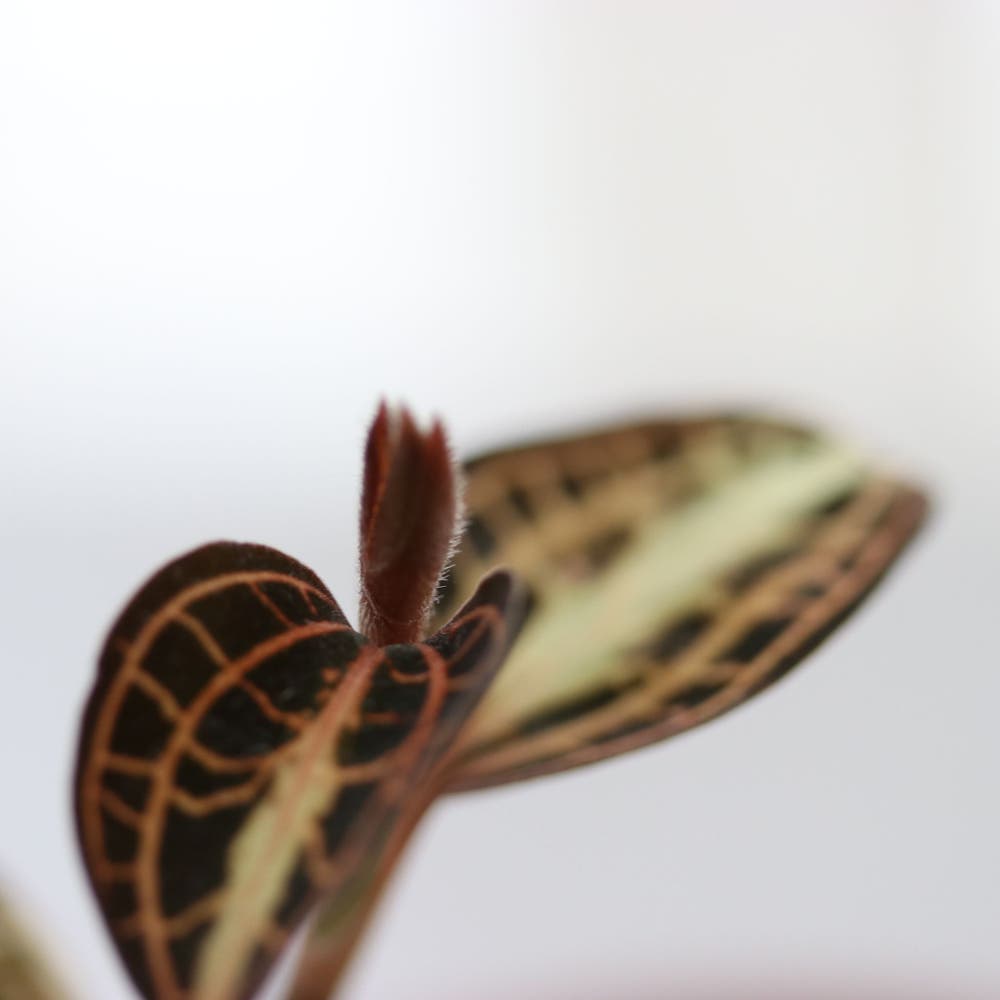
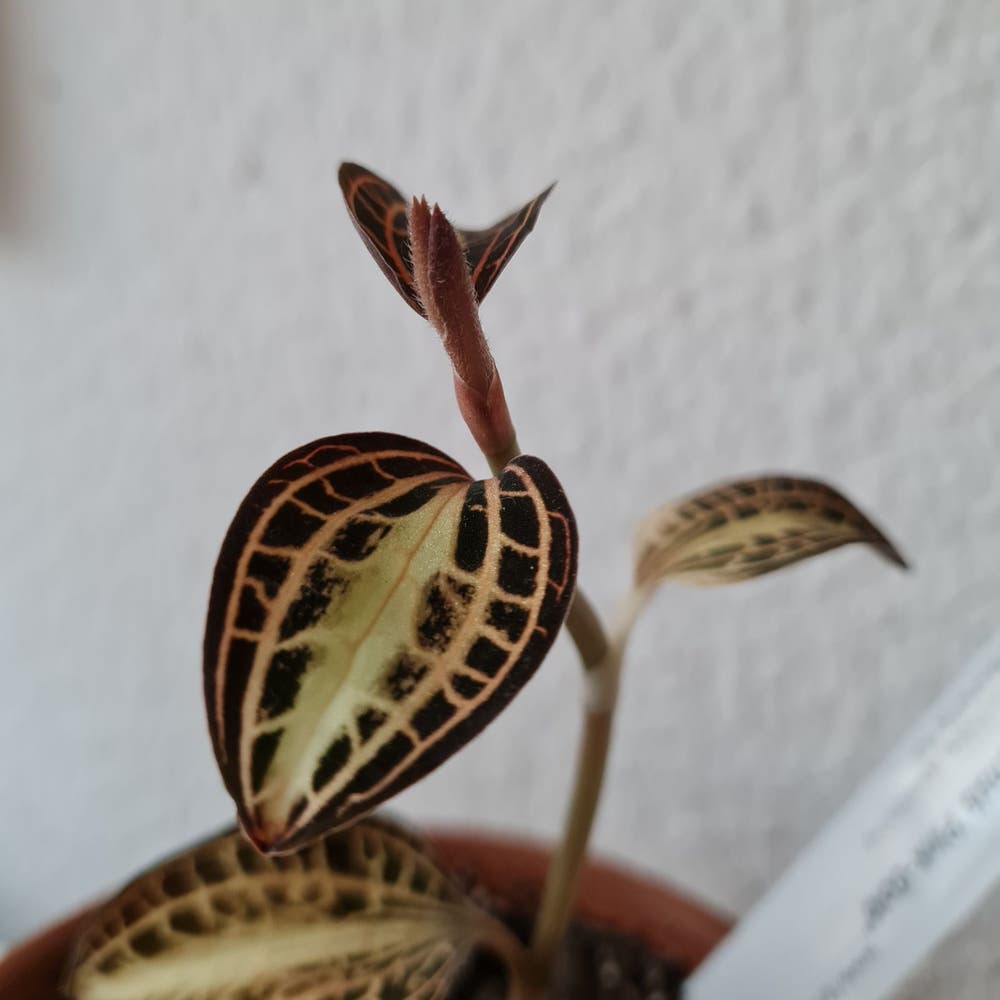
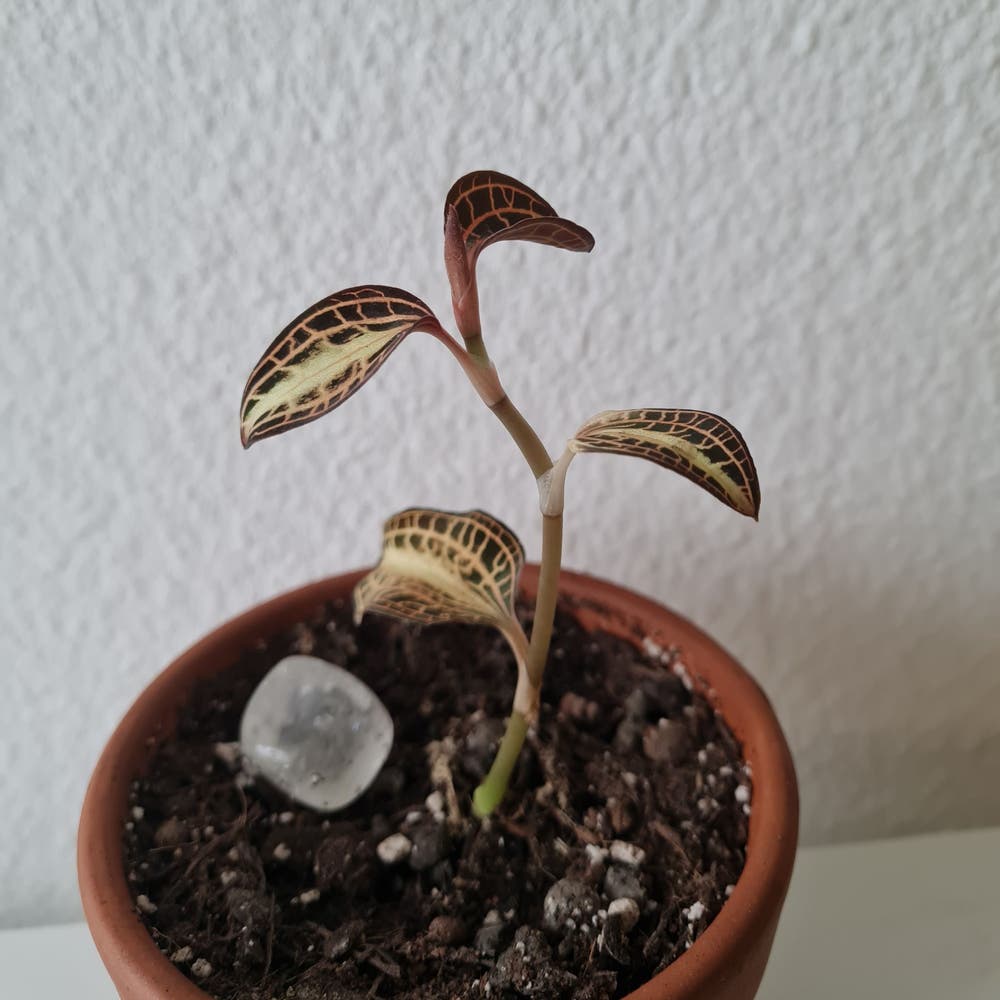
Anoectochilus malipoensis boasts striking foliage that can elevate the beauty of any indoor or outdoor space. Its unique leaf patterns and colors make it a standout choice for plant enthusiasts.
2. Air Purification
This plant is not just a pretty face; it actively contributes to improving indoor air quality. By filtering out toxins, it creates a healthier living environment.
3. Medicinal Properties
Traditionally, Anoectochilus malipoensis has been used in herbal practices for various ailments. Its medicinal benefits add an extra layer of value to this already impressive plant.
4. Low Maintenance
For those who may not have a green thumb, this plant is a low-maintenance option. It requires minimal care compared to many other houseplants, making it perfect for busy lifestyles.
5. Cultural Significance
In many cultures, Anoectochilus malipoensis is cherished for its beauty and medicinal uses. This cultural appreciation adds depth to its appeal, making it more than just a plant.
These benefits make Anoectochilus malipoensis a fantastic addition to any plant collection. Whether you're drawn to its beauty, health benefits, or ease of care, this plant is sure to impress.
Next, let's explore the best companion plants that thrive alongside Anoectochilus malipoensis.
Companion Plants
Best Companion Plants 🌿
When growing Anoectochilus malipoensis, consider pairing it with ferns, peace lilies, and other shade-loving plants. These companions share similar care needs, thriving in the same humid environments that your Anoectochilus prefers.
Plants to Avoid 🚫
It's best to steer clear of sun-loving plants that require direct sunlight. These plants can compete for resources and may not provide the ideal growing conditions for your Anoectochilus, leading to stress and poor growth.
By choosing the right companions, you can create a thriving ecosystem that enhances the beauty and health of your Anoectochilus malipoensis. Next, let’s explore the common problems you might encounter while caring for this unique plant.
Problems
Common Problems 🌱
1. Incorrect Watering
Watering can make or break your Anoectochilus malipoensis. If you notice yellowing leaves, it’s likely a sign of overwatering, while wilting indicates underwatering.
To remedy this, adjust your watering frequency based on the soil's moisture level. Always check the top inch of soil before adding more water.
2. Incorrect Light Conditions
Light plays a crucial role in plant health. Leaf scorch or leggy growth suggests your plant is getting too much light.
If this happens, simply move your plant to a shadier spot where it can thrive without the harsh rays.
3. Incorrect Temperature
Temperature fluctuations can stress your plant. Stunted growth or leaf drop are common symptoms of unsuitable temperatures.
Aim to maintain a consistent range between 65°F and 80°F for optimal growth.
4. Diseases
Fungal diseases can be a real headache. Look out for white spots on leaves, which may indicate powdery mildew.
To combat this, improve air circulation around your plant and consider applying fungicides if necessary.
5. Leaf Issues
Leaf problems can signal underlying issues. Yellowing or fuzzy growth often points to pest infestations or care missteps.
Regularly check for pests and adjust your care routine to keep your plant healthy and vibrant.
Conclusion 🌼
By staying vigilant about these common problems, you can ensure your Anoectochilus malipoensis remains healthy and beautiful. Next, let’s explore how to effectively manage pest issues that may arise.
Bugs
🐜 Potential Pest Issues
Anoectochilus malipoensis is generally pest-resistant, making it a resilient choice for plant enthusiasts. However, it can still fall prey to certain pests that may disrupt its growth.
🔍 Identification and Damage
Spider Mites
Look for fine webbing and stippled leaves, which are telltale signs of spider mite infestations. These tiny pests can quickly weaken your plant if not addressed.
Scale Insects
Sticky residue on leaves and yellowing foliage often indicates a scale insect problem. These pests attach themselves to stems and leaves, sucking the plant's sap.
Mealybugs
If you notice cotton-like masses on stems and leaves, mealybugs are likely the culprits. They can cause significant damage if left untreated.
🛠️ Treatment Options
To combat these pests effectively, consider using neem oil or insecticidal soap. Both options are effective and safe for your plant.
Additionally, maintaining humidity levels can deter pest infestations. A humid environment is less inviting for many pests, helping keep your Anoectochilus malipoensis thriving.
By staying vigilant and addressing pest issues promptly, you can ensure your plant remains healthy and vibrant. Next, let's explore the common animals that may pose a threat to your plant's well-being.
What Eats
🦌 Common Animals
When it comes to Anoectochilus malipoensis, several common animals may take a liking to your plant.
Deer: Look for signs like chewed leaves and broken stems, indicating these graceful creatures have visited your garden.
Rabbits: If you notice clipped stems and missing foliage, rabbits might be the culprits, munching away happily.
Squirrels: These energetic critters can cause damage by uprooting plants or gnawing on stems, leaving a trail of destruction.
🛡️ Damage Description and Deterrent Methods
The damage caused by these animals can be quite frustrating, but there are effective ways to protect your plants.
To deter these hungry visitors, consider implementing a few strategies:
Fencing: A sturdy fence can keep larger animals like deer and rabbits at bay.
Repellents: Use natural or commercial repellents to make your plants less appealing.
Planting Deterrent Species: Surround your Anoectochilus malipoensis with plants that animals tend to avoid, creating a protective barrier.
By taking these steps, you can help ensure your plant thrives without unwanted nibbling.
⚠️ Safety First
This content is for general information and may contain errors, omissions, or outdated details. It is not medical, veterinary advice, or an endorsement of therapeutic claims.
Always consult a qualified healthcare professional before using any plant as food, medicine, or supplement.
Never eat any plant (or feed one to pets) without confirming its identity with at least two trusted sources.
If you suspect poisoning, call Poison Control (800) 222-1222, the Pet Poison Helpline (800) 213-6680, or your local emergency service immediately.
Spotted an error? Please report it here.
Unlock the secrets to thriving Anoectochilus malipoensis 🌱 with Greg's tailored care tips and reminders, ensuring your plant flourishes beautifully in your home!