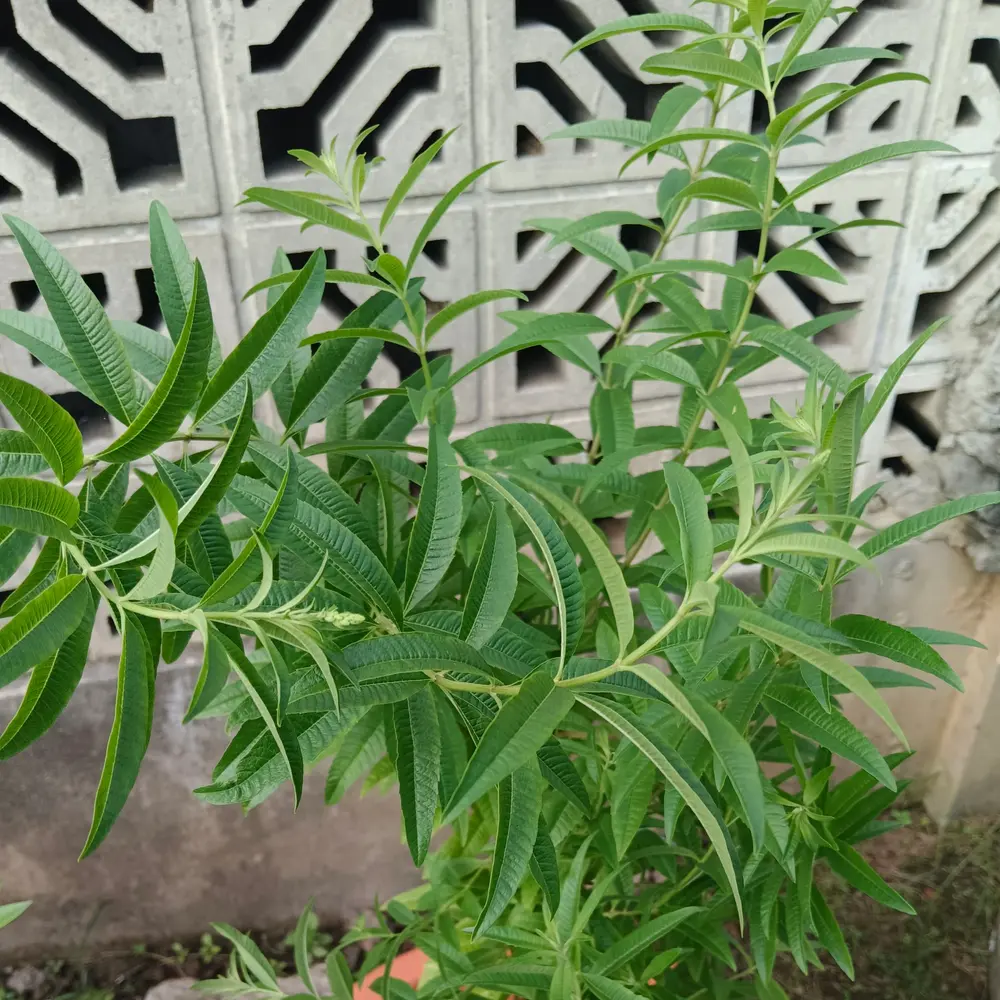
What You Should Know About Aloysia virgata var. platyphylla
Aloysia virgata var. platyphylla
By the Greg Editorial Team
Feb 27, 2025•13 min read
This article was created with the help of AI so we can cover more plants for you. May contain errors. See one? Report it here.
Elevate your garden's charm and fragrance with Aloysia virgata var. platyphylla—your new favorite plant! 🌿
- 🌞 Aloysia thrives in 6-8 hours of sunlight; ensure proper light for healthy growth.
- 🌱 Well-draining, fertile soil with pH 6.0-7.5 is essential for optimal health.
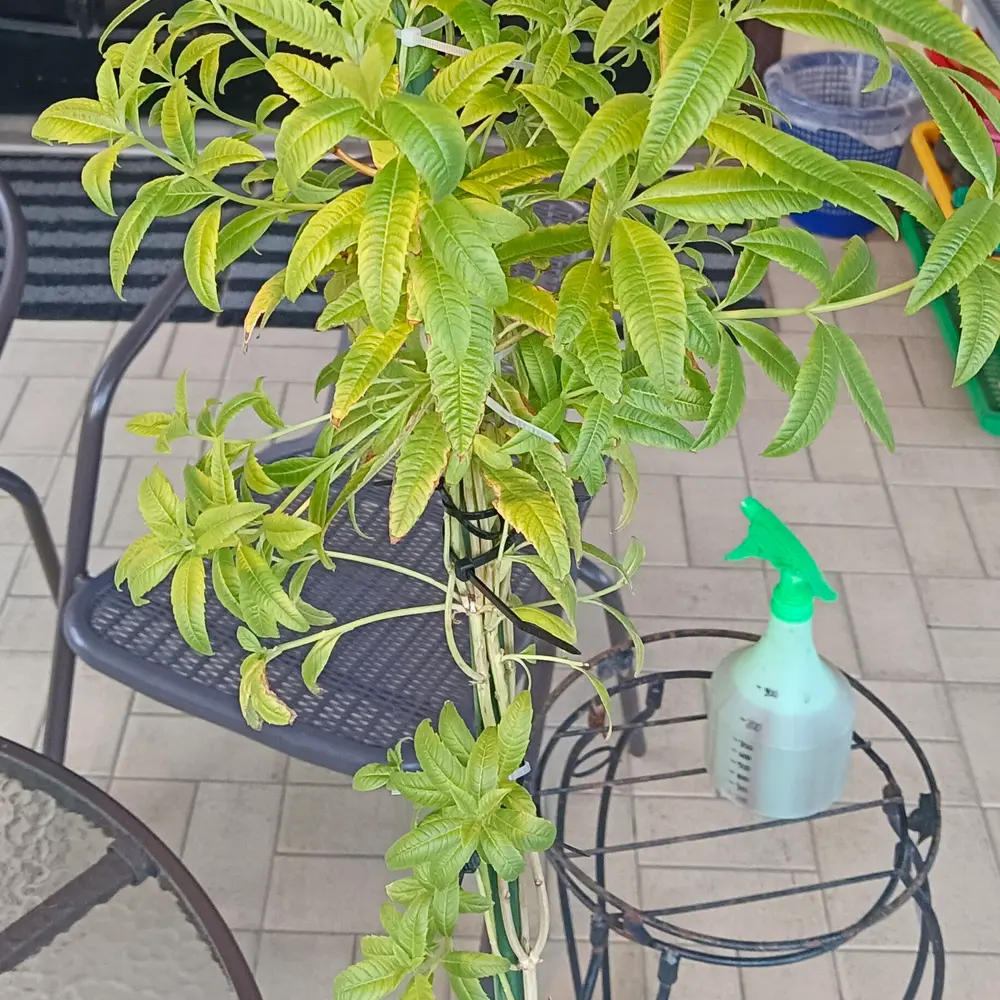
- 💧 Regular watering without overwatering prevents yellowing leaves and root rot issues.
How to Grow
Choosing a Location 🌞
To thrive, Aloysia virgata var. platyphylla needs full sun to partial shade, ideally receiving 6-8 hours of sunlight daily. When deciding between outdoor and container growing, consider the space available and the plant's growth potential.
Soil Preparation 🌱
This plant prefers well-draining, fertile soil with a pH range of 6.0 to 7.5. To enhance soil quality, consider adding organic matter like compost or well-rotted manure.
Planting Techniques 🌼
The best time to plant is in spring, after the last frost has passed. For outdoor planting, space your plants 18-24 inches apart; if using containers, choose pots that are at least 12 inches in diameter.
Watering Requirements 🚰
Regular watering is essential to maintain consistent moisture in the soil. Watch for signs of overwatering, such as yellowing leaves, or underwatering, which may cause wilting.
Fertilizing Schedule 🍽️
A balanced NPK fertilizer is recommended to support healthy growth. Fertilize every 4-6 weeks during the growing season to keep your plant thriving.
Pruning Methods ✂️
Prune your Aloysia in late winter or early spring to encourage bushier growth. Use shaping techniques to maintain a tidy appearance and promote new growth.
Ongoing Care 🛡️
Keep an eye out for pests and diseases that may affect your plant. Adjust your care routine seasonally based on climate changes to ensure optimal health.
With these guidelines, you'll be well on your way to successfully growing Aloysia virgata var. platyphylla. Next, let's explore how to propagate this delightful plant!
Propagation
🌱 Methods of Propagation
Aloysia virgata var. platyphylla can be propagated through two primary methods: seed propagation and cutting propagation. Both techniques are effective and can yield healthy new plants.
📋 Step-by-Step Instructions
1. Seed Propagation
For seed propagation, start by sowing seeds at a depth of 1/4 inch. Expect germination to take about 14-21 days, with an optimal temperature of 70°F (21°C) for best results.
2. Cutting Propagation
Cutting propagation involves selecting healthy stems that are 4-6 inches long. Use a rooting medium made of equal parts peat moss and perlite, and anticipate rooting to take 2-4 weeks.
By mastering these propagation methods, you can easily expand your Aloysia collection and enjoy its aromatic foliage in various spots around your garden. Next, let’s explore the lifecycle of this fascinating plant to understand its growth stages better.
Lifecycle
🌱 Lifecycle Stages
Germination
Germination is the first critical stage in the lifecycle of Aloysia virgata var. platyphylla. It typically takes 14 to 21 days under optimal conditions, requiring a warm temperature of around 70°F (21°C) and consistent moisture.
Seedling Stage
Once germinated, the seedling stage begins. During this phase, seedlings develop their first true leaves and require careful watering and light to thrive.
Vegetative Growth
As the plant matures, it enters the vegetative growth stage. This phase is characterized by rapid leaf and stem development, necessitating adequate sunlight and nutrient-rich soil for robust growth.
Flowering
Flowering occurs when the plant reaches maturity, usually in late spring or early summer. Providing the right conditions, such as full sun and proper watering, can enhance flowering and lead to a more vibrant display.
Seed Production
After flowering, Aloysia virgata var. platyphylla produces seeds. This stage is crucial for propagation, as seeds develop from the flowers and can be collected for future planting.
⏳ Lifespan and Growth Timeline
Overall Lifespan
Under optimal conditions, Aloysia virgata var. platyphylla can live for 3 to 5 years. This lifespan allows for multiple growing seasons and opportunities for flowering and seed production.
Time to Maturity
The plant typically reaches maturity in about 1 to 2 years. During this time, it transitions through the various lifecycle stages, ultimately becoming a robust and productive member of your garden.
Understanding the lifecycle of Aloysia virgata var. platyphylla is essential for successful cultivation. With the right care, you can enjoy its beauty and benefits for years to come. Next, let’s explore how to size this plant effectively in your garden.
Size
Mature Height and Spread 🌱
Aloysia virgata var. platyphylla typically reaches a mature height of 3 to 5 feet. Its spread ranges from 2 to 4 feet, making it a versatile choice for various garden layouts.
Growth Rate and Size Variability 📈
The growth rate of this plant can vary significantly based on its growing conditions. Factors such as sunlight exposure and soil quality play crucial roles in determining how quickly it flourishes.
In optimal conditions, you may notice rapid growth, while less ideal settings can lead to slower development. Understanding these variables helps you create the best environment for your Aloysia to thrive.
As you plan your garden, consider how these size characteristics can complement your overall design. Whether you're aiming for a lush border or a standalone feature, Aloysia's dimensions can fit beautifully into your landscape.
Next, let’s explore the root system of this fascinating plant and how it contributes to its overall health and growth.
Roots
Characteristics of the Root System 🌱
Aloysia virgata var. platyphylla features a fibrous root system that is both robust and efficient. The roots typically reach a depth of 12-18 inches and spread extensively, which enhances nutrient uptake and stability.
Common Root-Related Issues ⚠️
Root rot is a significant concern for this plant, often caused by overwatering or poorly draining soil. Signs of root rot include yellowing leaves and a foul odor emanating from the soil.
To maintain healthy roots, it's essential to recognize the visual cues of healthy versus unhealthy roots. Healthy roots are firm and white, while unhealthy roots appear brown and mushy.
Recognizing Rootbound Conditions 🪴
Rootbound conditions occur when a plant's roots grow too densely within its container, leading to stunted growth. Symptoms include roots growing out of the drainage holes and a noticeable lack of new growth.
To remedy rootbound issues, consider repotting the plant into a larger container. Timing is crucial; it's best to repot during the growing season when the plant can recover quickly.
This understanding of root health will ensure your Aloysia thrives, setting the stage for vibrant growth and flowering. Next, let’s explore the benefits of this remarkable plant.
Benefits
Top 5 Benefits of Aloysia virgata var. platyphylla 🌿
1. Aromatic Foliage
Aloysia virgata var. platyphylla boasts fragrant leaves that can elevate your garden's scent profile. This aromatic quality not only pleases the senses but can also enhance your outdoor experience.
2. Pollinator Attractant
This plant is a magnet for pollinators, including bees and butterflies. By incorporating it into your garden, you support local ecosystems and contribute to biodiversity.
3. Versatile Landscaping
Aloysia is adaptable to various garden styles, from formal to cottage gardens. Its unique appearance allows it to fit seamlessly into different landscapes, making it a versatile choice for gardeners.
4. Drought Tolerance
Once established, Aloysia is resilient in dry conditions. This drought tolerance makes it an excellent option for low-maintenance gardens, saving you time and water.
5. Cultural Significance
Historically, Aloysia has been used in traditional practices, adding a layer of cultural richness to your garden. Its significance in various cultures can deepen your connection to the plant and its heritage.
These benefits make Aloysia virgata var. platyphylla not just a beautiful addition to your garden, but also a practical one. Next, let’s explore how to propagate this remarkable plant for your own garden.
Companion Plants
🌱 Concept of Companion Planting
Companion planting is a gardening strategy that pairs plants together for mutual benefits. This technique enhances pest management and promotes garden diversity, creating a healthier ecosystem.
🌼 Best Companion Plants
When growing Aloysia virgata var. platyphylla, consider these excellent companions:
Herbs
- Basil: Thrives in similar conditions and can deter pests.
- Rosemary: Shares care needs and adds aromatic benefits.
Flowers
- Marigolds: Known for their pest-repellent properties, they can help protect your Aloysia from unwanted insects.
🚫 Plants to Avoid
Not all plants play nicely together. Some may compete for resources or attract pests. Avoid planting Aloysia alongside:
- Cabbage family: These can attract pests that may also target Aloysia.
- Fennel: It can inhibit the growth of nearby plants, including Aloysia.
By selecting the right companions, you can create a thriving garden that supports your Aloysia while minimizing potential issues. Next, let’s explore the fascinating topic of toxicity and safety regarding Aloysia for humans and pets.
Toxicity to Humans
Safety Overview 🛡️
Aloysia virgata var. platyphylla is not listed as toxic by major poison control centers. This means that, in general, it poses minimal risk of irritation to humans.
However, it's always wise to exercise caution with any plant. If you experience unusual symptoms after contact, seeking medical advice is a prudent step.
General Safety Tips ⚠️
While Aloysia is considered safe, it's important to keep in mind that individual reactions can vary. Always wash your hands after handling plants to avoid any potential irritation.
If you have children or pets, educating them about not ingesting any plant material is a good practice. This helps ensure a safe and enjoyable gardening experience for everyone involved.
Conclusion 🌿
In summary, Aloysia virgata var. platyphylla is a safe choice for your garden. Its aromatic foliage and vibrant presence can enhance your outdoor space without the worry of toxicity to humans.
Next, let’s explore how this plant interacts with our furry friends, starting with its safety around dogs.
Toxicity to Dogs
Safety Overview 🐶
Aloysia virgata var. platyphylla is not listed as toxic by veterinary organizations. This means that having this plant around your furry friends poses a low risk of serious health issues.
Tips for Introducing Aloysia to Homes with Dogs 🏡
When bringing Aloysia into a home with dogs, it's wise to monitor their interactions initially. Ensure your dog doesn't chew on the leaves, as even non-toxic plants can cause mild stomach upset if ingested in large quantities.
Keep the plant in a location that's accessible yet out of reach to prevent any curious nibbles. Regularly check for any signs of discomfort in your dog, and consult a vet if you notice anything unusual.
By taking these precautions, you can enjoy the beauty and fragrance of Aloysia while keeping your canine companions safe. Now that you know about its safety, let’s explore the potential problems that can arise when growing this plant.
Toxicity to Cats
Safety Overview 🐱
Aloysia virgata var. platyphylla is not listed as toxic by major pet poison control centers. This means that having this plant around your feline friends poses a low risk of serious issues.
General Safety Around Cats 🐾
While Aloysia is generally safe, it's always wise to monitor your cat's behavior around new plants. Cats are naturally curious, and they might nibble on leaves out of curiosity.
Tips for Introducing Aloysia to Homes with Cats 🏡
When introducing Aloysia to your home, consider placing it in a location that's less accessible to your cat. This can help prevent any unwanted chewing or digging.
Additionally, observe your cat's interactions with the plant. If they show excessive interest, you might want to redirect their attention with cat-friendly alternatives, like cat grass.
In summary, Aloysia is a safe choice for cat owners. Just keep an eye on your furry companions to ensure a harmonious coexistence.
Problems
🌱 Common Problems
1. Incorrect Watering
Watering issues are among the most common problems faced by Aloysia virgata var. platyphylla growers. Overwatering can lead to yellowing leaves and root rot, while underwatering may cause wilting and dry leaf tips.
To address overwatering, ensure your plant has well-draining soil and reduce watering frequency. For underwatering, increase your watering schedule to maintain consistent moisture.
2. Incorrect Light Conditions
Light conditions significantly impact plant health. Signs of insufficient light include leggy growth and pale leaves, whereas excessive light can cause leaf scorch and browning.
To improve light conditions, consider relocating your plant to a spot with more balanced sunlight exposure. Aim for 6-8 hours of sunlight daily, adjusting based on your plant's response.
3. Incorrect Temperature
Temperature stress can manifest through drooping leaves or stunted growth. Aloysia prefers temperatures between 60°F and 75°F (15°C to 24°C) for optimal growth.
If you notice symptoms of temperature stress, check your plant's environment. Ensure it’s not exposed to extreme heat or cold, and consider relocating it to a more suitable area.
4. Diseases
Aloysia can be susceptible to diseases like powdery mildew and rust. Powdery mildew appears as white, powdery spots on leaves, while rust manifests as orange or brown pustules.
For treatment, improve air circulation and avoid overhead watering. Fungicidal sprays can also help manage these diseases if they become severe.
5. Growth Problems
Growth issues often present as stunted growth or leggy plants. These symptoms can indicate inadequate light, poor soil quality, or nutrient deficiencies.
To encourage healthy growth, assess your plant's light exposure and soil conditions. Fertilizing with a balanced NPK fertilizer every 4-6 weeks can also boost growth during the growing season.
Understanding these common problems can help you maintain a thriving Aloysia virgata var. platyphylla. With the right care, your plant will flourish and bring beauty to your garden.
Bugs
🐜 Potential Pest Issues
Aloysia virgata var. platyphylla can face various pest challenges. Understanding its resistance and susceptibility is crucial for maintaining a healthy plant.
🔍 Identification and Treatment Options
Spider Mites
- Identification: Look for fine webbing and stippled leaves, which indicate a spider mite infestation.
- Treatment: Increase humidity around the plant and apply insecticidal soap to eliminate these pests.
Scale Insects
- Identification: Sticky residue on leaves and visible pests on stems are telltale signs of scale insects.
- Treatment: Use neem oil for treatment or manually remove them to keep your plant healthy.
Mealybugs
- Identification: These pests appear as white, cotton-like masses on leaves, making them easy to spot.
- Treatment: Rubbing alcohol can effectively kill mealybugs, or you can use insecticidal soap for a broader approach.
Aphids
- Identification: Small green or black insects on new growth signal an aphid problem.
- Treatment: A strong water spray can dislodge them, or introduce ladybugs as natural predators to keep their numbers in check.
By staying vigilant and addressing these pest issues promptly, you can ensure your Aloysia thrives. Next, let’s explore what animals might be interested in munching on your plant.
What Eats Aloysia
Common Animals 🦌
Aloysia virgata var. platyphylla can attract a variety of herbivores. Common culprits include deer, rabbits, and even some insects that might find the plant's foliage appealing.
Signs of Damage 🐾
Look for telltale signs of animal activity. Deer often leave behind nibbled leaves and broken branches, while rabbits may create clean cuts on stems. Additionally, you might notice droppings or tracks around your plants, indicating their presence.
Deterrent Methods 🚫
To protect your Aloysia, consider both chemical and organic control methods. Fencing is a reliable option to keep larger animals like deer at bay.
- Repellents: Use commercial animal repellents or homemade solutions to deter herbivores.
- Companion Planting: Incorporate plants that naturally repel pests, creating a more robust garden ecosystem.
By employing these strategies, you can help ensure your Aloysia thrives without unwanted visitors. Now, let's explore the potential problems that can arise in your garden.
⚠️ Safety First
This content is for general information and may contain errors, omissions, or outdated details. It is not medical, veterinary advice, or an endorsement of therapeutic claims.
Always consult a qualified healthcare professional before using any plant as food, medicine, or supplement.
Never eat any plant (or feed one to pets) without confirming its identity with at least two trusted sources.
If you suspect poisoning, call Poison Control (800) 222-1222, the Pet Poison Helpline (800) 213-6680, or your local emergency service immediately.
Spotted an error? Please report it here.
Grow your Aloysia like a pro 🌱 with Greg's tailored watering alerts and expert care tips to keep your plant thriving in any garden!