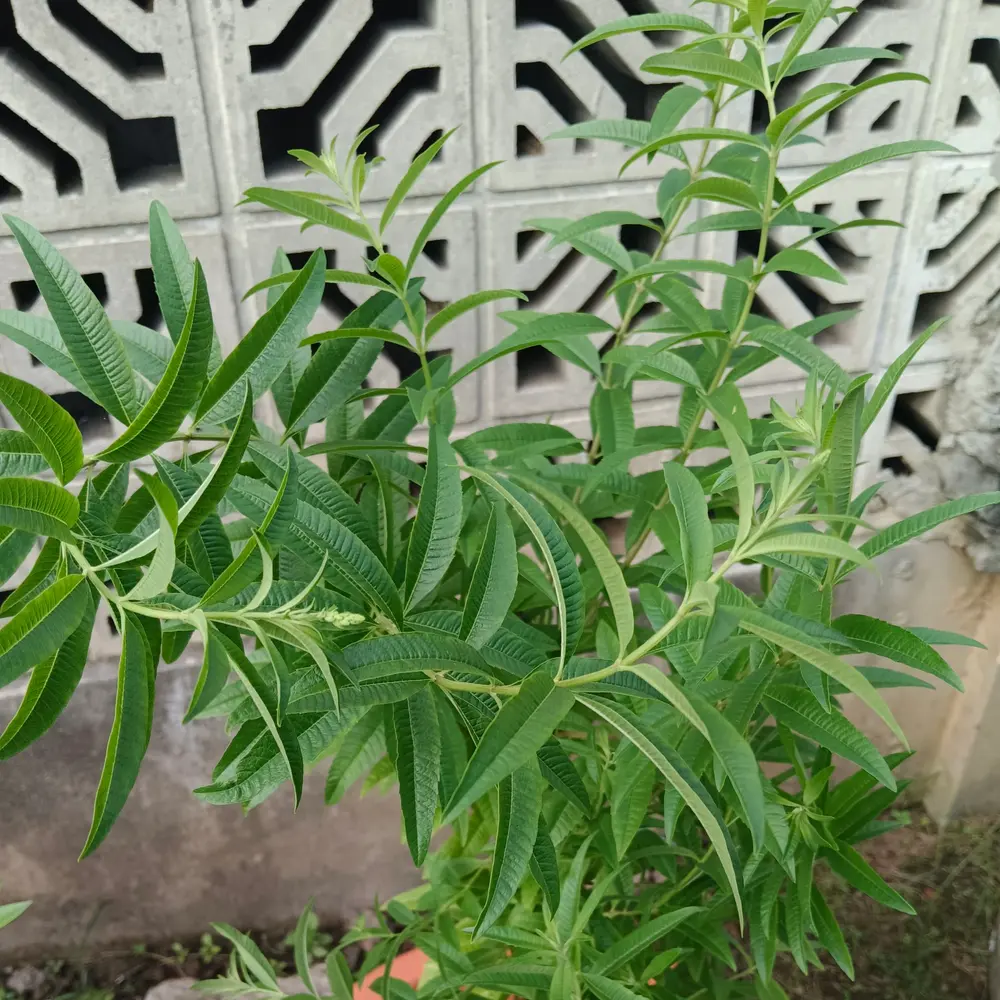
🌊 Ultimate Guide to Aloysia scorodonioides var. scorodonioides
Aloysia scorodonioides var. scorodonioides
By the Greg Editorial Team
Feb 26, 2025•11 min read
This article was created with the help of AI so we can cover more plants for you. May contain errors. See one? Report it here.
Elevate your garden with Aloysia scorodonioides, a fragrant plant that attracts pollinators and enhances your culinary creations! 🌿
- 🌞 Aloysia scorodonioides needs 6-8 hours of sunlight for optimal growth.
- 🌱 Well-draining, fertile soil with pH 6.0-7.0 is essential for healthy plants.
- 💧 Regular watering and careful pruning ensure a thriving, aromatic garden staple.
How to Grow
Choosing the Right Location 🌞
To thrive, Aloysia scorodonioides var. scorodonioides needs full sun to partial shade, ideally receiving 6-8 hours of sunlight daily. This plant flourishes in warm climates, much like those found in its native South America.
Soil Preparation and Amendments 🌱
A well-draining, fertile soil is essential for healthy growth. Aim for a slightly acidic to neutral pH, ideally between 6.0 and 7.0, and consider adding organic matter like compost to boost fertility.
Planting Techniques and Spacing 🌿
When planting, ensure the root ball is set 1-2 inches deeper than its original depth. Space your plants 1-2 meters apart to allow for optimal growth and airflow.
Watering Requirements and Frequency 💧
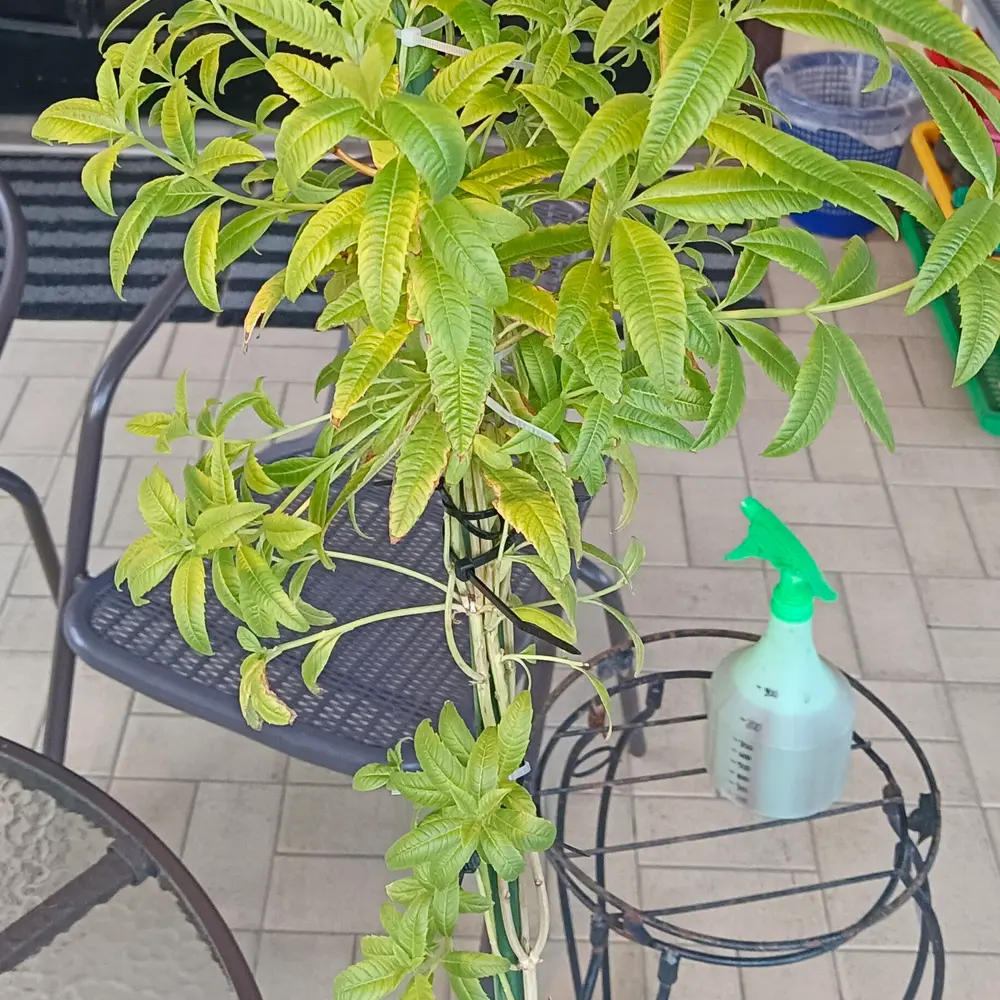
Regular watering is crucial, especially during dry spells, to maintain consistent moisture. Watch for signs of overwatering, such as yellowing leaves or root rot, which can indicate trouble.
Fertilizing Schedule and Types of Fertilizers 🌼
Fertilize every 4-6 weeks during the growing season to keep your plant healthy. A balanced NPK fertilizer, like 10-10-10, works well to provide the necessary nutrients.
Pruning Methods for Health and Shape ✂️
Pruning should be done in late winter or early spring, just before new growth begins. Focus on removing dead or damaged branches and shaping the plant to achieve your desired form.
Ongoing Care for Outdoor and Container Growth 🪴
For container plants, ensure pots have drainage holes and monitor moisture levels closely. For outdoor plants, mulching is beneficial as it helps retain moisture and suppresses weeds.
With these tips, you'll be well on your way to cultivating a thriving Aloysia scorodonioides var. scorodonioides. Next, let’s explore how to propagate this delightful plant effectively.
Propagation
Seed Propagation Steps 🌱
Seed propagation is a straightforward method to grow Aloysia scorodonioides var. scorodonioides. Start by collecting seeds from mature plants after they have flowered.
Next, sow the seeds in well-draining soil, covering them lightly. Keep the soil moist until germination, which typically takes about 2-3 weeks.
Cutting Propagation Techniques ✂️
Cutting propagation is another effective way to expand your plant collection. Begin by taking 4-6 inch cuttings from healthy stems.
Remove the lower leaves and dip the cut end in rooting hormone. Plant the cutting in a moist, well-draining medium and cover it with plastic to maintain humidity.
Division Methods for Established Plants 🔪
Dividing established plants can rejuvenate growth and create new specimens. Carefully dig up the plant in early spring when it is still dormant.
Divide the root ball into sections, ensuring that each section has both roots and shoots. Replant the divisions immediately in prepared soil to encourage quick establishment.
This propagation knowledge allows you to enjoy more of this aromatic plant while sharing it with friends and family!
Lifecycle
🌱 Lifecycle Stages
The lifecycle of Aloysia scorodonioides var. scorodonioides begins with germination, which takes about 7-14 days under optimal conditions. Following this, the seedling stage lasts 4-6 weeks until the plant develops true leaves.
🌿 Vegetative Growth and Flowering
During the vegetative growth phase, the plant experiences rapid growth for several months. Flowering typically occurs in late summer to early fall, leading to the production of seeds shortly after.
⏳ Duration to Maturity and Growth Rate
This plant reaches full maturity in approximately 1-2 years. Its growth rate is moderate, but with optimal conditions, you can expect faster development.
🌼 Lifespan
With proper care, Aloysia scorodonioides var. scorodonioides has a typical lifespan of 3-5 years. This longevity makes it a rewarding addition to your garden, providing beauty and utility for several seasons.
As you cultivate this plant, understanding its lifecycle will help you provide the best care possible, ensuring vibrant growth and flourishing blooms. Next, let’s explore the size characteristics of this remarkable plant.
Size
Mature Height and Spread 🌱
Aloysia scorodonioides var. scorodonioides typically reaches a mature height of 1-2 meters (3-6 feet). Its spread can range from 1 to 1.5 meters (3-5 feet), depending on the growing conditions.
Growth Rate and Factors Affecting Size 📈
This plant has a moderate growth rate, which can be influenced by several factors. Sunlight, water availability, and soil quality play crucial roles in determining how quickly it grows.
Size Variability 📏
You may notice variability in size based on light exposure. Plants thriving in full sun often grow taller and bushier compared to those that receive partial shade.
Understanding these size characteristics can help you plan your garden layout effectively. With the right conditions, Aloysia scorodonioides can become a striking feature in your outdoor space.
Roots
Characteristics of the Root System 🌱
Aloysia scorodonioides var. scorodonioides features a fibrous root system. This structure promotes stability and efficient nutrient uptake, ensuring the plant thrives in various conditions.
Root Depth and Spread 📏
The root depth typically ranges from 30 to 60 cm (12 to 24 inches). Roots extend beyond the plant's canopy, maximizing nutrient absorption from the surrounding soil.
Common Root-Related Issues and Solutions ⚠️
Root rot is a common issue caused by overwatering. To prevent this, ensure the soil is well-draining and monitor moisture levels closely.
Squishy roots often indicate poor health. Adjusting your watering practices can remedy this condition, helping your plant regain vitality.
Identifying Healthy vs. Unhealthy Roots 🧐
Healthy roots are firm and exhibit a white or light tan color. In contrast, unhealthy roots appear dark, mushy, or may emit a foul smell, signaling a need for immediate attention.
Recognizing Rootbound Plants and Corrective Actions 🔄
Signs of a rootbound plant include roots growing out of drainage holes or circling the pot. The solution is simple: repot into a larger container or divide the root ball to encourage healthy growth.
Understanding the root system of Aloysia scorodonioides var. scorodonioides is crucial for its overall health. With proper care and attention, you can ensure your plant flourishes beautifully.
Next, let’s explore the numerous benefits this plant brings to your garden.
Benefits
Top 5 Benefits 🌟
Aloysia scorodonioides var. scorodonioides is a remarkable plant with several benefits that make it a great addition to any garden.
Aromatic Leaves: The leaves are not just fragrant; they are also a delightful addition to culinary dishes and herbal teas. Their unique aroma can elevate your cooking and provide a refreshing tea experience.
Pollinator Attraction: The small white flowers of this plant are a magnet for beneficial insects. By planting it, you’ll help support local pollinator populations, which are crucial for a healthy ecosystem.
Medicinal Properties: Traditionally, this plant has been used for digestive and respiratory issues. Its leaves can be brewed into teas that may offer soothing benefits, making it a natural remedy worth exploring.
Aesthetic Appeal: Beyond its practical uses, Aloysia scorodonioides var. scorodonioides adds greenery and a pleasant fragrance to gardens. Its lush foliage can enhance the beauty of your outdoor space.
Drought Tolerance: Once established, this plant is quite resilient and requires less water than many other varieties. This makes it an excellent choice for sustainable gardening, especially in drier climates.
Incorporating this plant into your garden not only enriches your culinary experiences but also contributes positively to the environment. With its many benefits, it’s a fantastic choice for both novice and experienced gardeners alike.
As we explore further, let’s dive into the fascinating world of companion planting and discover which plants thrive alongside Aloysia scorodonioides var. scorodonioides.
Companion Plants
🌱 Companion Planting Benefits
Companion planting is a fantastic way to boost your garden's health and productivity. By pairing plants that support each other, you enhance biodiversity and improve pest management.
🌼 Compatible Companion Plants
When growing Aloysia scorodonioides var. scorodonioides, consider companions like basil, marigolds, and other aromatic herbs. These plants not only thrive alongside your main plant but also help deter pests naturally.
🚫 Plants to Avoid
Be cautious with heavy feeders like corn, as they can compete for nutrients. Keeping these plants away ensures your Aloysia gets the resources it needs to flourish.
By choosing the right companions, you can create a thriving garden ecosystem that benefits all your plants. This thoughtful approach not only enhances growth but also adds beauty and resilience to your outdoor space.
Toxicity to Humans
Safety Profile 🌿
Aloysia scorodonioides var. scorodonioides is generally safe for humans. It is not listed as toxic, making it a great addition to your garden without the worry of harmful effects.
Potential Minor Issues ⚠️
While the plant is safe, consuming it in large quantities may lead to mild skin irritation or digestive discomfort. It's always wise to enjoy plants in moderation.
Recommendations 📝
Exercise caution with any plant, including Aloysia scorodonioides. If you experience unusual symptoms after contact or consumption, consult a medical professional for guidance.
As you explore the benefits of this aromatic plant, remember that knowledge is your best ally in ensuring a safe and enjoyable gardening experience.
Toxicity to Dogs
Safety Profile 🐶
Aloysia scorodonioides var. scorodonioides is safe for dogs. This plant won't pose any toxic threats, allowing you to enjoy its presence without worry.
Potential Minor Issues 🤢
While generally harmless, consuming large amounts may lead to mild gastrointestinal upset in dogs. It's always best to monitor your furry friends around new plants.
Tips for Introducing to Homes with Dogs 🏡
To keep your plants safe, place them out of reach of curious pups. Observing your dog's behavior around the plant can help ensure a harmonious home environment.
With these precautions, you can enjoy the beauty of Aloysia scorodonioides var. scorodonioides without concern for your canine companions. Now, let's explore how this plant interacts with our feline friends!
Toxicity to Cats
Safety Profile 🐱
Aloysia scorodonioides var. scorodonioides is safe for cats. This means you can enjoy its aromatic leaves without worrying about your feline friends.
Potential Minor Issues 🤢
While generally harmless, consuming large quantities may lead to mild gastrointestinal upset. It's always good to keep an eye on your cat's behavior around new plants.
Tips for Introducing to Homes with Cats 🏡
To ensure a harmonious home, position your plants in areas that are less accessible to cats. Observing their interactions can help you gauge their interest and prevent any unwanted nibbling.
With these precautions, you can enjoy the beauty and fragrance of Aloysia scorodonioides while keeping your curious cats safe.
Problems
Common Problems 🌱
Growing Aloysia scorodonioides var. scorodonioides can be rewarding, but it’s not without its challenges. Here are some common issues you might encounter.
Incorrect Watering 🚰
Watering is crucial for plant health. Overwatering can lead to yellowing leaves, while underwatering causes wilting.
Incorrect Light Conditions ☀️
Light plays a significant role in growth. Too much sun can scorch leaves, while insufficient light results in leggy growth.
Incorrect Temperature 🌡️
Temperature fluctuations can stress your plant. Cold stress may cause wilting and leaf drop, so keep an eye on the climate.
Diseases 🦠
Fungal diseases, like powdery mildew, can affect your plant. Ensure good air circulation to prevent these issues.
Leaf Issues 🍃
Leaf problems often stem from nutrient deficiencies or pests. Scorching or yellowing leaves can signal that something's off in your care routine.
By being aware of these common problems, you can take proactive steps to keep your Aloysia scorodonioides thriving. Next, let’s explore potential pest issues that could affect your plant.
Bugs
Potential Pest Issues 🐜
While Aloysia scorodonioides var. scorodonioides is generally pest-resistant, it can still attract a few unwelcome visitors. Staying vigilant can help you catch any issues before they escalate.
Identification and Treatment Options 🧪
Spider Mites
Look for fine webbing on leaves, a telltale sign of spider mites. Treat them effectively with insecticidal soap to eliminate these pests.
Mealybugs
These pests appear as white, cotton-like masses on your plant. You can easily remove them by using a cotton swab dipped in alcohol.
Aphids
Aphids are small green or black insects that can cluster on new growth. Control them with neem oil or insecticidal soap for a quick resolution.
By keeping an eye out for these pests and acting promptly, you can maintain the health and beauty of your Aloysia scorodonioides. Next, let’s explore what animals might be interested in snacking on your plant.
What Eats
Common Animals 🦌
Aloysia scorodonioides var. scorodonioides can attract a variety of hungry critters. Deer, rabbits, and squirrels often find the leaves irresistible.
Signs of Animal Presence 🐾
Keep an eye out for signs that these animals have been snacking on your plants. Chewed leaves, droppings, or tracks nearby can indicate their presence.
Deterrent Methods 🚫
To protect your plants, consider using deterrent methods.
- Chemical deterrents: Commercial repellents or homemade solutions, like garlic spray, can be effective.
- Organic control methods: Fencing around your plants or planting deterrent species nearby can also help keep these munchers at bay.
By taking these steps, you can enjoy your Aloysia without the worry of it becoming a buffet for local wildlife. Now that you know how to protect your plants, let's explore the potential pest issues that might arise.
⚠️ Safety First
This content is for general information and may contain errors, omissions, or outdated details. It is not medical, veterinary advice, or an endorsement of therapeutic claims.
Always consult a qualified healthcare professional before using any plant as food, medicine, or supplement.
Never eat any plant (or feed one to pets) without confirming its identity with at least two trusted sources.
If you suspect poisoning, call Poison Control (800) 222-1222, the Pet Poison Helpline (800) 213-6680, or your local emergency service immediately.
Spotted an error? Please report it here.
Grow your Aloysia scorodonioides 🌱 to its full potential with Greg's tailored watering reminders and expert care tips, ensuring a thriving, aromatic addition to your garden!