Ultimate Guide to Aloysia scorodonioides var. mathewsii 🍹
Aloysia scorodonioides var. mathewsii
By the Greg Editorial Team
Feb 27, 2025•13 min read
This article was created with the help of AI so we can cover more plants for you. May contain errors. See one? Report it here.
Elevate your garden with Aloysia scorodonioides var. mathewsii, a fragrant plant that delights the senses and supports biodiversity! 🌱🌼
- 🌞 Aloysia scorodonioides thrives in full sun to partial shade, mimicking its native climate.
- 🌱 Well-draining, fertile soil with pH 6.0-7.5 is essential for healthy growth.
- 💧 Water deeply and regularly, avoiding overwatering to prevent root rot.
How to Grow
🌞 Choosing the Right Location
To thrive, Aloysia scorodonioides var. mathewsii needs full sun to partial shade. It flourishes in warm climates, similar to those found in South America, so choose a spot that mimics these conditions.
🌱 Soil Preparation and Amendments
This plant prefers well-draining, fertile soil. Aim for a pH level between 6.0 and 7.5, and consider enriching the soil with organic amendments like compost or well-rotted manure for optimal growth.
🌿 Planting Techniques and Spacing
When planting, dig a hole 1-2 inches deep. Space your plants 2-3 feet apart to ensure they have enough room to grow, and the best time to plant is in spring after the last frost.
💧 Watering Requirements and Frequency
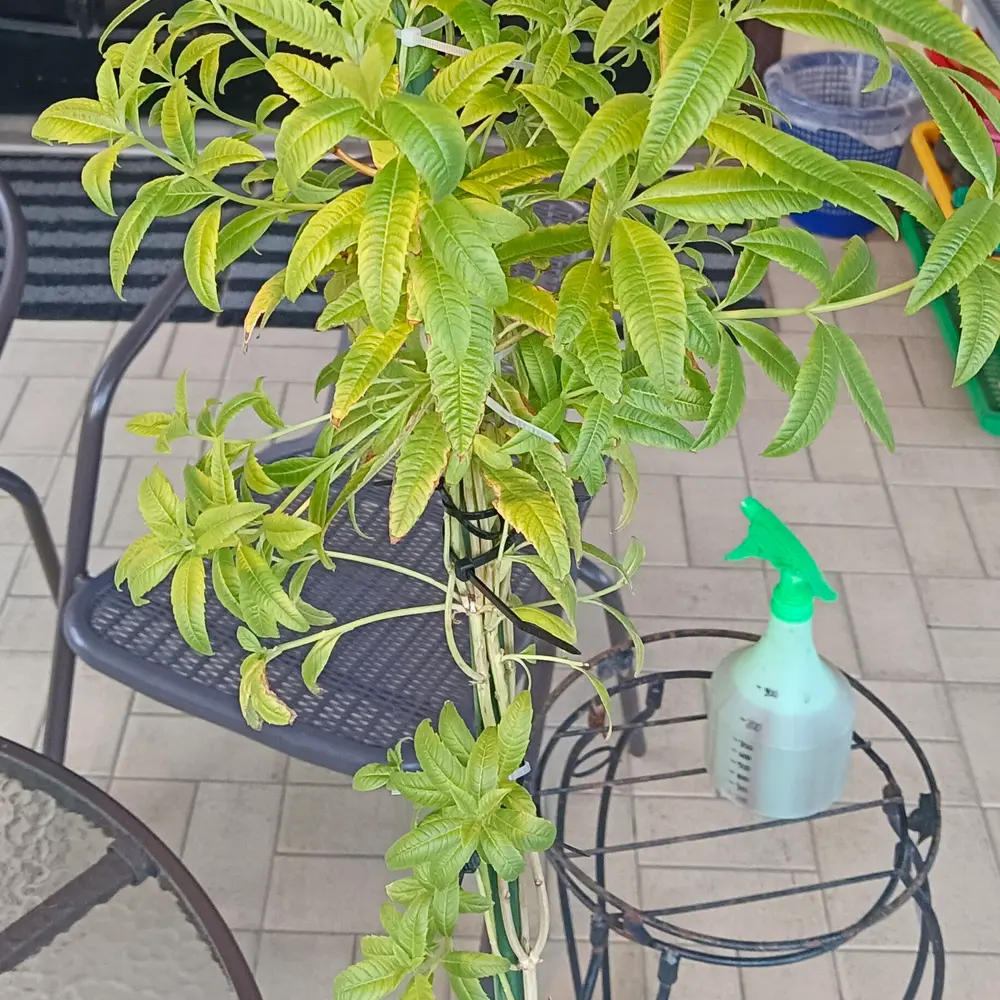
After planting, give your new plants a deep watering to help them settle in. Moving forward, water them when the top inch of soil feels dry, and watch for signs of overwatering, such as yellowing leaves or wilting.
🥬 Fertilizing Schedule and Types of Fertilizers
Feed your Aloysia every 4-6 weeks during the growing season. Balanced NPK fertilizers (like 10-10-10) or organic options work well, and keep an eye out for signs of nutrient deficiency, such as stunted growth or pale leaves.
✂️ Pruning Methods for Health and Shape
Prune your plants in late winter or early spring before new growth begins. Pinching back tips encourages bushiness, and don’t forget to remove any dead or diseased branches to keep your plant healthy.
🛠️ Ongoing Care and Maintenance Tips for Outdoor and Container Growing
If you're growing in containers, ensure they have adequate drainage holes to prevent waterlogging. Regularly check for pests and adjust care seasonally, especially protecting your plants from frost during colder months.
With these tips, you’re well on your way to cultivating a thriving Aloysia scorodonioides var. mathewsii. Next, let’s explore how to propagate this delightful plant!
Propagation
🌱 Methods of propagation: seeds vs. cuttings
When it comes to propagating Aloysia scorodonioides var. mathewsii, you have two main options: seeds and cuttings. Each method has its own charm and can lead to successful growth with the right approach.
Step-by-step guide for seed germination (difficulty: easy)
Seed preparation: Start by soaking your seeds in water for 24 hours. This helps to soften the seed coat and kickstart the germination process.
Sowing depth: Plant the seeds about 1/4 inch deep in well-draining soil. This depth ensures they have enough coverage while still being close to the surface.
Germination conditions: Aim for a warm, moist environment, ideally around 70°F (21°C). Keeping the soil consistently moist will encourage healthy sprouting.
✂️ Step-by-step guide for taking and rooting cuttings (difficulty: moderate)
Selecting cuttings: Choose healthy stems that are 4-6 inches long. Look for vigorous growth to increase your chances of successful rooting.
Preparing cuttings: Remove the lower leaves from the cuttings and dip the cut end in rooting hormone. This hormone promotes root development and speeds up the process.
Rooting medium: Use a mix of peat and perlite for the best results. This combination provides excellent drainage and aeration, crucial for rooting.
Care for cuttings: Keep the cuttings moist and place them in indirect light until roots develop. Regularly check the moisture level to prevent drying out.
With these propagation techniques, you can expand your Aloysia collection or share the joy of gardening with friends. Next, let’s explore the lifecycle of this fascinating plant and what to expect as it grows.
Lifecycle
Lifecycle Stages 🌱
Understanding the lifecycle of Aloysia scorodonioides var. mathewsii is essential for successful cultivation. This plant goes through several distinct stages from germination to maturity.
Germination Period 🌱
The germination period typically lasts between 7 to 14 days under optimal conditions. During this time, seeds absorb moisture and begin to sprout.
Early Growth 🌱
Once germination occurs, the plant develops true leaves and initial root structures. This stage is crucial for establishing a strong foundation for future growth.
Foliage Development 🌱
As the plant matures, it focuses on developing lush foliage and an overall robust structure. This growth phase is vital for photosynthesis and nutrient absorption.
Timing of Flowering 🌸
Aloysia scorodonioides var. mathewsii usually flowers in late summer. This beautiful display adds aesthetic value to your garden.
Average Lifespan ⏳
The average lifespan of this plant ranges from 3 to 5 years. With proper care, it can thrive and provide enjoyment for several seasons.
Growth Rate 📈
This plant has a moderate growth rate, reaching its full size in about 2 to 3 years. Patience is key, as the rewards of healthy growth are well worth the wait.
In summary, understanding the lifecycle stages of Aloysia scorodonioides var. mathewsii helps you provide the right care at each phase. This knowledge sets the foundation for a thriving plant that enhances your garden's beauty. Next, let's explore the mature size and spread of this remarkable species.
Size
Mature height and spread 🌱
Aloysia scorodonioides var. mathewsii typically reaches a height of up to 1.5 meters (5 feet). Its spread can vary between 1 to 2 feet, depending on the growing conditions.
Environmental factors 🌍
Several environmental factors influence the size of this plant. Sunlight exposure, soil quality, and water availability all play crucial roles in determining its growth potential.
When planted in optimal conditions, you can expect a lush, vibrant plant that not only enhances your garden but also thrives in its environment. Understanding these factors will help you create the perfect setting for your Aloysia to flourish.
Ready to dive deeper into the next section? Let's explore the fascinating lifecycle of this remarkable plant!
Roots
🌱 Root system characteristics
Aloysia scorodonioides var. mathewsii features a fibrous root system that plays a crucial role in its growth. These roots typically reach a depth of 12 to 18 inches, allowing the plant to access nutrients and water efficiently.
🌍 Spread and nutrient absorption
The extensive spread of these roots enhances nutrient absorption, making the plant more resilient. This characteristic is vital for thriving in various soil conditions.
🚫 Signs of root rot
Watch for signs of root rot, such as mushy roots and wilting leaves. These symptoms indicate that the plant may be overwatered or sitting in poorly draining soil.
👍 Healthy root indicators
Healthy roots are firm, white, and well-distributed throughout the soil. They should not be tightly packed or circling the pot, as this can hinder growth.
🔒 Recognizing rootbound conditions
If you notice roots growing out of drainage holes, your plant may be rootbound. This condition can stunt growth and requires repotting to ensure continued health.
Understanding the root system of Aloysia scorodonioides var. mathewsii is essential for successful cultivation. With proper care, you can help your plant thrive and enjoy its many benefits.
Benefits
Benefits of Growing Aloysia scorodonioides var. mathewsii 🌱
Growing Aloysia scorodonioides var. mathewsii offers a multitude of benefits that can enhance both your garden and your culinary experiences.
Aromatic Leaves for Culinary Uses 🍽️
The leaves of this plant are not just fragrant; they are also a fantastic addition to various dishes. Their unique aroma can elevate your cooking, making them a favorite among chefs and home cooks alike.
Traditional Medicinal Applications 🌿
Historically, this plant has been used in traditional medicine. Its leaves are believed to have various health benefits, making it a valuable addition to your herbal remedies.
Attractive Foliage Enhancing Garden Aesthetics 🌼
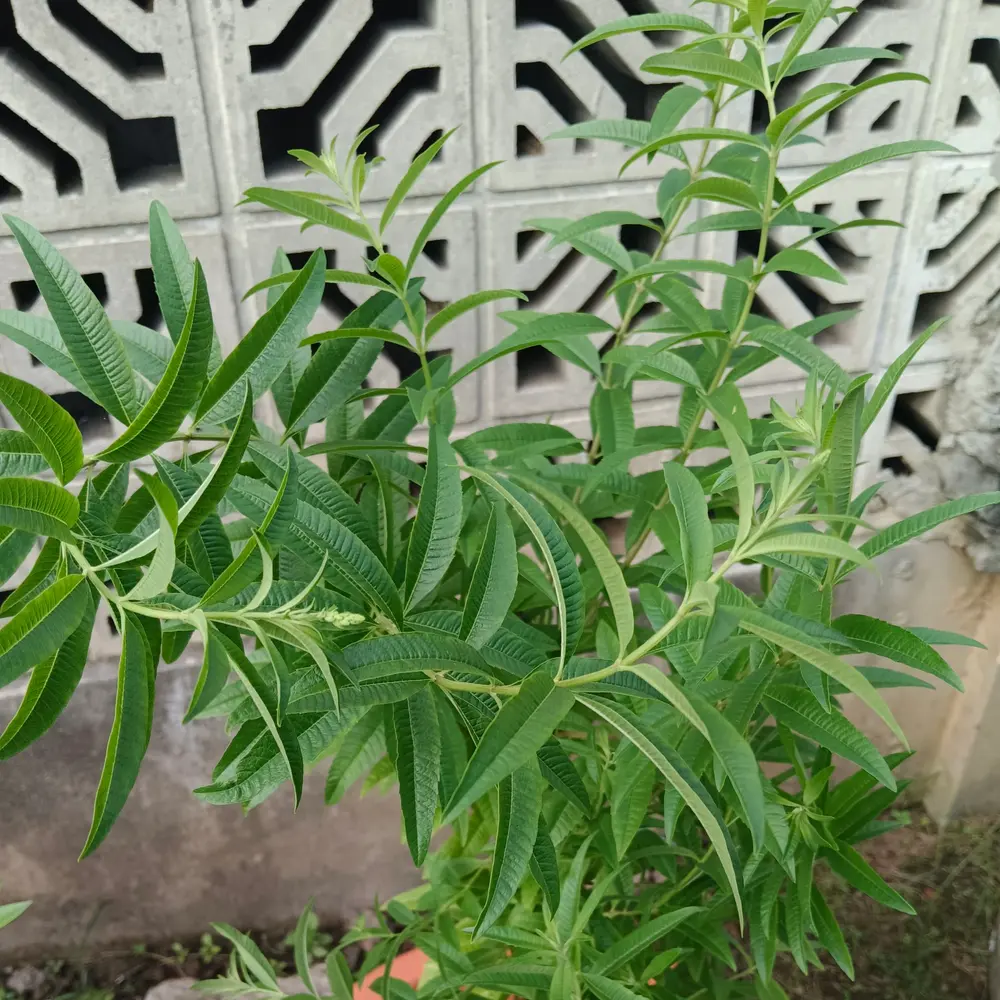
With its lush, green foliage, Aloysia scorodonioides var. mathewsii adds visual appeal to any garden. Its vibrant leaves can create a beautiful backdrop for other plants, enhancing your outdoor space.
Attracts Beneficial Insects 🐝
This plant is not just a feast for the eyes; it also attracts beneficial insects like pollinators. By growing it, you contribute to a healthier ecosystem in your garden.
Drought-Tolerant Once Established 💧
Once established, Aloysia scorodonioides var. mathewsii is drought-tolerant. This resilience makes it an excellent choice for gardeners looking to conserve water while maintaining a vibrant garden.
In summary, cultivating Aloysia scorodonioides var. mathewsii is a rewarding endeavor that brings culinary, medicinal, aesthetic, and ecological benefits. Ready to explore how to propagate this wonderful plant? Let's dive into the next section!
Companion Plants
🌱 Companion planting benefits
Companion planting can significantly enhance the growth and health of Aloysia scorodonioides var. mathewsii. Pairing it with plants like basil and marigold not only creates a visually appealing garden but also promotes a thriving ecosystem.
🌼 Examples of Companion Plants
- Basil: This aromatic herb thrives in similar conditions and can deter pests that might otherwise target your Aloysia.
- Marigold: Known for its pest-repelling properties, marigold can help keep harmful insects at bay while adding vibrant color to your garden.
- Other Aromatic Herbs: Consider planting thyme or oregano, which share similar care needs and can enhance the overall health of your garden.
🤝 Reasons for Compatibility
These companion plants share similar sunlight and water requirements, making them easy to care for together. Additionally, they can help deter pests, reducing the need for chemical interventions and promoting a healthier growing environment.
By incorporating these companions, you not only support the growth of Aloysia scorodonioides var. mathewsii but also create a harmonious garden ecosystem. This thoughtful approach to planting can lead to a more resilient and productive garden space.
Next, let’s explore the potential toxicity of Aloysia scorodonioides var. mathewsii to humans, dogs, and cats, ensuring you have all the information you need for safe gardening.
Toxicity to Humans
Safety Overview 🌿
Aloysia scorodonioides var. mathewsii is considered safe for humans, according to major poison control centers. This means you can enjoy its aromatic leaves without worrying about toxicity.
Potential Minor Issues ⚠️
While generally safe, consuming large quantities may lead to mild skin irritation or digestive discomfort. It's always wise to listen to your body and seek medical advice if you experience any unusual symptoms.
Cautionary Note 🩺
Even though serious reactions are rare, it's best to exercise caution. If you notice any adverse effects after handling or consuming the plant, don't hesitate to consult a healthcare professional.
This plant can be a delightful addition to your garden or kitchen, offering both beauty and utility without significant health risks. Now that you know about its safety, let's explore its effects on our furry friends!
Toxicity to Dogs
Safety Overview 🐶
Aloysia scorodonioides var. mathewsii is not toxic to dogs, according to veterinary organizations. This means you can enjoy this aromatic plant without worrying about your furry friends getting sick.
Potential Minor Issues ⚠️
While generally safe, consuming large quantities may lead to mild gastrointestinal upset in dogs. It's always good to be cautious and monitor your pet's behavior around the plant.
Tips for Dog Owners 🏡
To ensure safety, place the plant in an area that's less accessible to your dog. Regularly check on your pet's interactions with the plant to prevent any unwanted nibbling.
As you cultivate this lovely plant, rest assured that your canine companions can roam freely without the risk of toxicity. Now, let's explore how to manage potential problems that may arise in your garden!
Toxicity to Cats
Safety Overview 🐱
Aloysia scorodonioides var. mathewsii is considered safe for cats according to veterinary organizations. This means you can enjoy growing this aromatic plant without worrying about your feline friends.
Potential Minor Issues 🚨
While not toxic, consuming large quantities of the plant may lead to mild gastrointestinal upset in cats. It's always best to monitor your pet's behavior around any plants.
Tips for Cat Owners 🏡
To keep your cat safe, consider placing the plant in an area that's less accessible to them. Regularly check for any signs of nibbling, and redirect their attention to cat-friendly alternatives if needed.
Problems
🌱 Common Problems with Aloysia scorodonioides var. mathewsii
Growing Aloysia scorodonioides var. mathewsii can be rewarding, but it’s essential to be aware of potential problems that may arise. Here’s a breakdown of common issues and how to identify them.
💧 Incorrect Watering
Watering is crucial for plant health. Overwatering can lead to yellowing leaves and wilting, while underwatering may cause the leaves to become crispy and dry.
☀️ Incorrect Light Conditions
Light plays a significant role in growth. Too much sunlight can scorch the leaves, while insufficient light may result in leggy growth and pale foliage.
🌡️ Incorrect Temperature
Temperature fluctuations can stress the plant. Extreme heat or cold can stunt growth and affect overall health, making it vital to maintain a stable environment.
🦠 Diseases
Fungal diseases are a common concern. Look for signs like discolored leaves or unusual spots, which can indicate issues that need addressing promptly.
🍃 Leaf Issues
Leaf problems can manifest in various ways. Yellowing, scorching, or curling leaves often signal underlying issues, such as nutrient deficiencies or environmental stress.
By keeping an eye on these common problems, you can ensure your Aloysia scorodonioides var. mathewsii thrives. Next, let’s explore potential pest issues that may affect your plant.
Bugs
Potential Pest Issues 🐜
Aloysia scorodonioides var. mathewsii is generally resilient, but it can still attract a few pesky bugs. Understanding these potential pest issues is crucial for maintaining a healthy plant.
General Pest Resistance and Susceptibility 🛡️
This plant is fairly resistant to pests, but it’s not invincible. Regular monitoring can help catch any infestations early, ensuring your plant stays vibrant and healthy.
Spider Mites: Signs and Control Methods 🕷️
Spider mites are tiny but can cause significant damage. Look for fine webbing on leaves and stippling or yellowing foliage as signs of an infestation.
To control spider mites, increase humidity around the plant and wash the leaves with water. In severe cases, insecticidal soap or neem oil can be effective.
Scale Insects: Identification and Treatment ⚖️
Scale insects appear as small, raised bumps on stems and leaves. They can weaken your plant by sucking out vital nutrients.
To treat scale, gently scrub the affected areas with a soft brush and apply horticultural oil. This will suffocate the pests and help restore your plant's health.
Mealybugs: Symptoms and Management Strategies 🧼
Mealybugs are cottony pests that cluster in leaf joints and on stems. They can cause leaf drop and stunted growth if left unchecked.
To manage mealybugs, wipe them off with a cotton swab dipped in alcohol. For larger infestations, consider using insecticidal soap or a systemic insecticide to eliminate them effectively.
Conclusion 🎉
Keeping an eye out for these common pests will help you maintain the health of your Aloysia scorodonioides var. mathewsii. With proactive care, you can enjoy a thriving plant free from unwanted visitors.
Next, let’s explore what animals might be attracted to your garden and how to manage their interactions with your plants.
What Eats
🦌 Common Animals Attracted to Aloysia scorodonioides var. mathewsii
Aloysia scorodonioides var. mathewsii can attract a variety of garden visitors. Common animals include deer, rabbits, and various insects that may find the plant's aromatic foliage appealing.
🔍 Identifying Signs of Garden Pests
To protect your plants, it's essential to recognize signs of these animals. Look for:
- Deer: Distinctive browsing patterns on leaves and stems.
- Rabbits: Cleanly cut stems and missing foliage at ground level.
- Insects: Visible damage on leaves or the presence of droppings.
🚫 Deterrent Methods for Managing Animal Interactions
Preventing these animals from munching on your Aloysia can be straightforward. Here are some effective strategies:
- Fencing: Install a fence around your garden to keep larger animals like deer and rabbits out.
- Repellents: Use commercial or homemade repellents that deter animals with strong scents.
- Companion Planting: Surround your Aloysia with plants that naturally repel pests, such as marigolds.
By implementing these methods, you can enjoy the beauty and benefits of Aloysia scorodonioides var. mathewsii while keeping unwanted visitors at bay.
Next, let’s explore potential pest issues that can affect your plant's health.
⚠️ Safety First
This content is for general information and may contain errors, omissions, or outdated details. It is not medical, veterinary advice, or an endorsement of therapeutic claims.
Always consult a qualified healthcare professional before using any plant as food, medicine, or supplement.
Never eat any plant (or feed one to pets) without confirming its identity with at least two trusted sources.
If you suspect poisoning, call Poison Control (800) 222-1222, the Pet Poison Helpline (800) 213-6680, or your local emergency service immediately.
Spotted an error? Please report it here.
Cultivate a thriving Aloysia scorodonioides var. mathewsii 🌿 with Greg's tailored care reminders and expert tips to keep your plant healthy and vibrant!