Ultimate Guide to Aloysia scorodonioides var. hypoleuca 🦂
Aloysia scorodonioides var. hypoleuca
By the Greg Editorial Team
Feb 27, 2025•13 min read
This article was created with the help of AI so we can cover more plants for you. May contain errors. See one? Report it here.
Elevate your garden with Aloysia scorodonioides var. hypoleuca, a fragrant delight that thrives with easy care! 🌿✨
- ☀️🌱 Aloysia scorodonioides needs 6-8 hours of sunlight for optimal growth.
- 🌿💧 Well-drained soil and regular watering are crucial to prevent root rot.
- 🐞🌼 Aloysia attracts beneficial insects and can repel pests naturally.
How to Grow
Choosing a Location 🌞
Finding the right spot for your Aloysia scorodonioides var. hypoleuca is crucial. Aim for full sun to partial shade, providing 6-8 hours of sunlight daily for optimal growth.
Moderate climates with well-drained soils are ideal. This plant thrives when it has the right balance of warmth and moisture.
Soil Preparation 🏞️
Prepare your soil to ensure your plant flourishes. Use well-draining, fertile soil that allows roots to breathe and grow.
Aim for a soil pH between 6.0 and 7.0, which is slightly acidic to neutral. This range supports healthy nutrient uptake.
Planting Techniques 🌱
When planting, dig a hole that’s 1-2 inches deep. This depth allows the roots to establish without being buried too deeply.
Space your plants 12-18 inches apart if planting outdoors. This spacing promotes air circulation and reduces competition for resources.
Watering Requirements 💧
Regular watering is essential to maintain consistent moisture. However, avoid waterlogging, which can harm the roots.
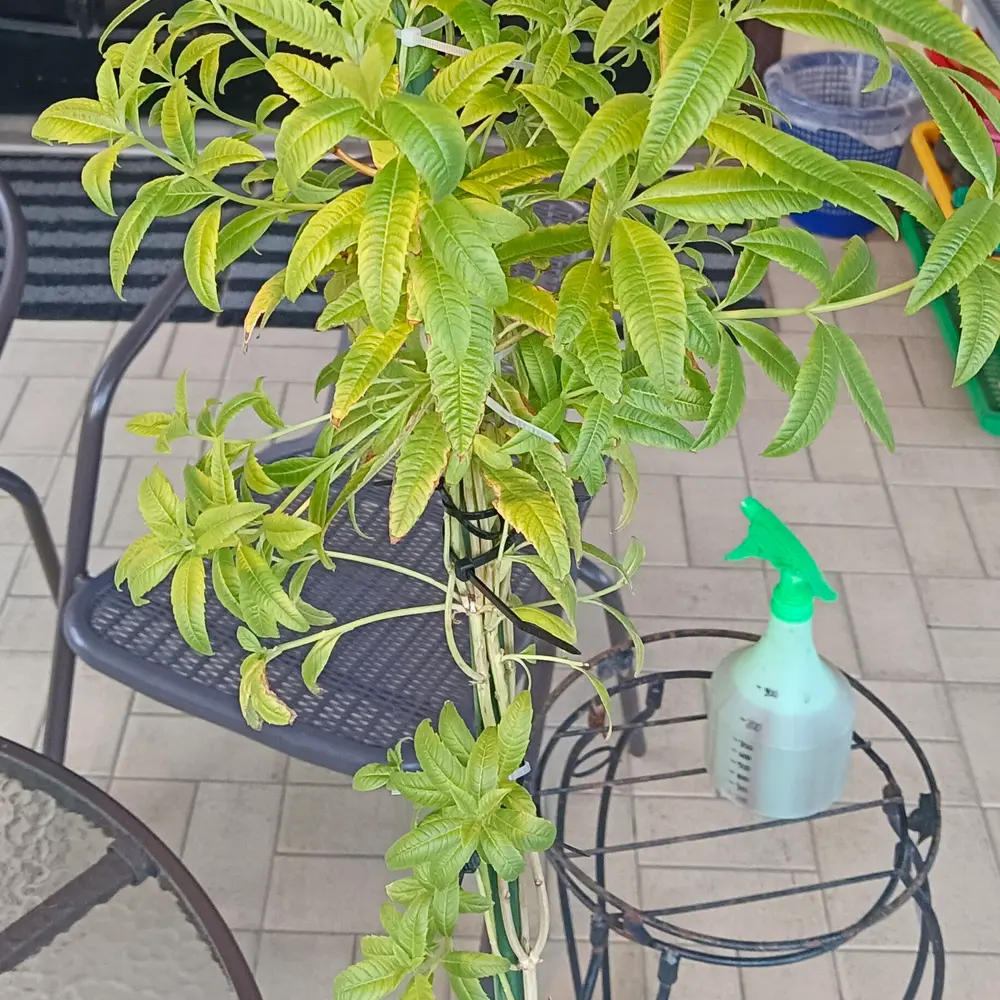
Watch for signs of overwatering, such as yellowing leaves or root rot. Adjust your watering schedule accordingly to keep your plant healthy.
Fertilizing Schedule 🌿
Use a balanced NPK fertilizer to nourish your Aloysia. Fertilize every 4-6 weeks during the growing season for the best results.
This routine helps support vigorous growth and vibrant foliage.
Pruning Methods ✂️
Timing is everything when it comes to pruning. Late winter or early spring is the best time to trim back your plant before new growth begins.
Pinching back the tips encourages bushier growth. This simple technique can enhance the overall appearance of your plant.
Ongoing Care Tips 🛠️
For container care, ensure your pots have drainage holes and use a quality potting mix. This setup prevents excess moisture and promotes healthy roots.
If your plant is outdoors, regularly monitor for pests and diseases. Early detection can save your plant from significant damage.
With these tips, you’re well on your way to successfully growing Aloysia scorodonioides var. hypoleuca. Next, let’s explore how to propagate this delightful plant!
Propagation
🌱 Methods of Propagation
Aloysia scorodonioides var. hypoleuca can be propagated through two primary methods: seeds and cuttings. Each method has its own charm and level of difficulty, making propagation accessible for both beginners and seasoned gardeners.
📋 Step-by-Step Instructions for Each Method
🌱 Propagation from Seeds (Difficulty: Easy)
- Soak Seeds: Begin by soaking the seeds in water for 24 hours. This helps to soften the seed coat and encourages germination.
- Sow Seeds: Plant the seeds about 1/4 inch deep in a seed-starting mix. This depth ensures they have enough soil coverage while still receiving light.
- Maintain Moisture: Keep the soil consistently moist until germination occurs, which typically takes 7-14 days. Regular checks will help you avoid drying out the soil.
✂️ Propagation from Cuttings (Difficulty: Moderate)
- Select Healthy Stems: Choose healthy stems that are 4-6 inches long for cuttings. This ensures you start with robust material.
- Prepare Cuttings: Remove the lower leaves from the stems and dip the cut ends in rooting hormone. This step boosts the chances of successful root development.
- Plant Cuttings: Place the cuttings in a well-draining medium and keep the soil moist. Roots should develop within 2-4 weeks, signaling that your propagation efforts are on track.
With these straightforward methods, you can easily expand your Aloysia collection or share the joy of gardening with friends. Now that you know how to propagate this delightful plant, let’s explore its lifecycle and growth stages next!
Lifecycle
Lifecycle Stages 🌱
The lifecycle of Aloysia scorodonioides var. hypoleuca begins with germination, which takes about 7-14 days from seed. Following this, the seedling stage lasts 2-4 weeks until true leaves appear.
Vegetative Growth and Flowering 🌼
During the vegetative growth phase, the plant experiences rapid growth for several months. Flowering typically occurs in late summer, leading to the production of seeds.
Seed Production 🌾
After flowering, seeds mature within 4-6 weeks. This process is crucial for the plant's reproduction and overall lifecycle continuity.
Duration Until Maturity ⏳
Full maturity for Aloysia scorodonioides var. hypoleuca is reached in approximately 1-2 years. This timeframe allows the plant to establish itself and thrive in its environment.
Growth Rate 📈
The growth rate of this species is moderate. However, with optimal conditions, you may notice faster growth, making it an exciting addition to your garden.
Understanding the lifecycle of this plant can help you provide the best care and ensure a flourishing garden. Next, let’s explore the size characteristics of Aloysia scorodonioides var. hypoleuca.
Size
Mature Height and Spread 🌱
Aloysia scorodonioides var. hypoleuca typically reaches a mature height of 2 to 3 feet. Its spread mirrors this height, creating a balanced and lush appearance in your garden.
Growth Rate and Size Variability 📈
This plant exhibits a moderate growth rate, which can be influenced by various environmental factors. Size variability is common, with growth depending significantly on soil quality and the amount of sunlight it receives.
Factors Affecting Size 🌍
Soil fertility plays a crucial role in determining the size of your plant. Richer soils tend to promote larger growth, while ample sunlight leads to denser foliage, enhancing the overall health and appearance of Aloysia.
In summary, understanding these size factors can help you cultivate a thriving Aloysia that fits beautifully into your garden landscape. Next, let’s explore the root system and its characteristics, which are essential for the plant's overall health.
Roots
🌱 Characteristics of the Root System
Aloysia scorodonioides var. hypoleuca features a fibrous root system that is both shallow and spreading. This structure allows the plant to efficiently absorb moisture and nutrients from the upper layers of the soil.
🚫 Common Root-Related Issues
One of the most common problems faced by this plant is root rot, which occurs due to overwatering. To prevent this issue, ensure that the plant has proper drainage to keep the roots healthy.
Identifying the health of the roots is crucial. Healthy roots are firm and white, while unhealthy roots appear brown and mushy, indicating a need for immediate attention.
🌿 Recognizing Rootbound Plants
Rootbound plants exhibit specific signs that indicate they need repotting. If you notice roots growing out of the drainage holes, it’s time to take action.
To remedy a rootbound situation, consider repotting the plant into a larger container or dividing it to promote healthier growth. This will help rejuvenate the plant and encourage it to thrive.
Benefits
Aloysia scorodonioides var. hypoleuca offers a variety of benefits that make it a fantastic addition to any garden. Here are the top five advantages of cultivating this aromatic plant.
🌿 Aromatic Foliage
The aromatic foliage of Aloysia enhances culinary dishes, adding a delightful flavor to your meals. Its scent can elevate your cooking, making it a favorite among chefs and home cooks alike.
🐝 Attracts Beneficial Insects
This plant is a magnet for beneficial insects, which can help pollinate your garden and control pest populations. By attracting these helpful critters, you create a healthier ecosystem in your outdoor space.
🦟 Natural Pest Repellent
Aloysia acts as a natural pest repellent, keeping harmful insects at bay. This means less reliance on chemical pesticides, promoting a more organic gardening approach.
🌼 Ornamental Value
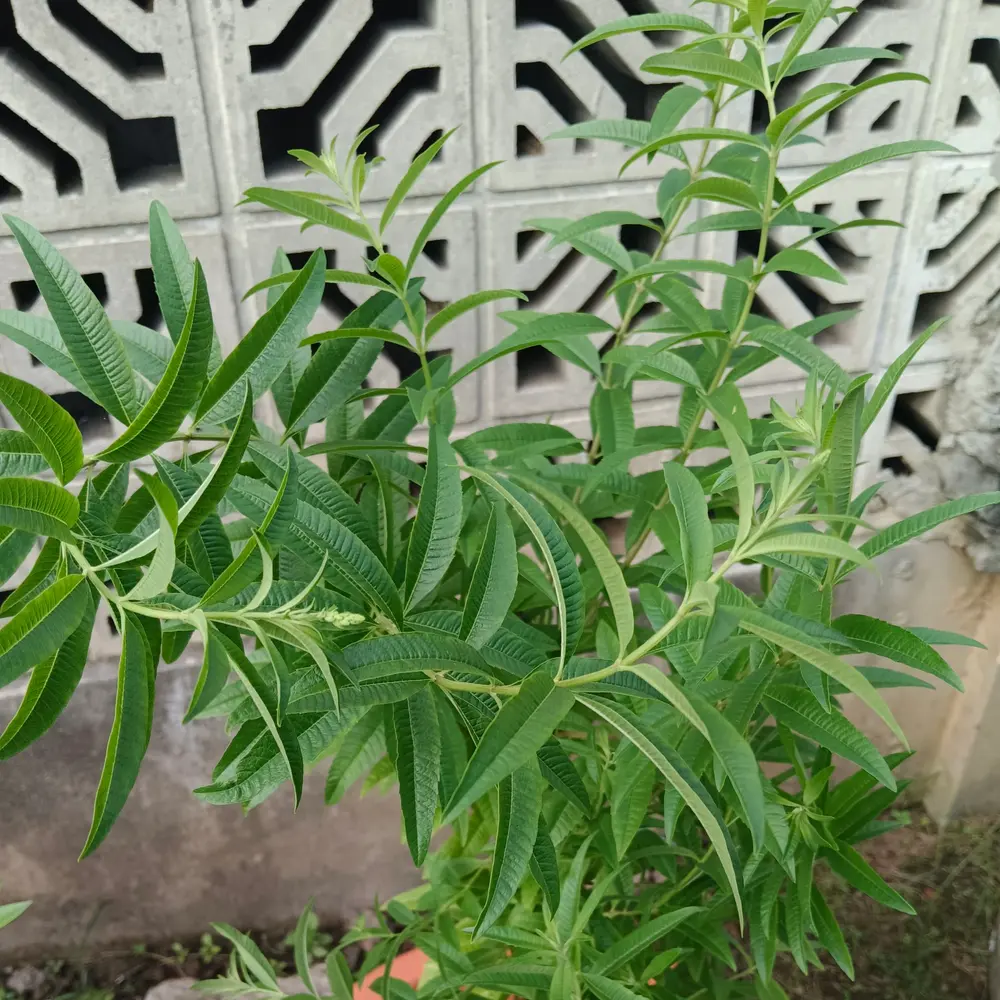
With its lush green foliage, Aloysia adds ornamental value to your garden. Its vibrant appearance can enhance the aesthetic appeal of any landscape, making it a visually pleasing choice.
🌍 Supports Biodiversity
Finally, this plant supports biodiversity in garden ecosystems. By incorporating Aloysia, you contribute to a balanced environment that nurtures various plant and animal species.
Incorporating Aloysia scorodonioides var. hypoleuca into your garden not only beautifies your space but also promotes a healthier, more sustainable ecosystem. Next, let’s explore the concept of companion planting and how it can further enhance your gardening experience.
Companion Plants
🌱 Concept of Companion Planting
Companion planting is all about creating a harmonious garden ecosystem. By pairing plants that support each other, you can enhance garden diversity, improve pest management, and foster beneficial symbiotic relationships.
🌼 Best Companion Plants
When it comes to Aloysia scorodonioides var. hypoleuca, certain companions shine.
- Basil: This aromatic herb shares similar care needs and helps repel pests, making it a perfect partner.
- Marigolds: Known for their vibrant blooms, marigolds deter harmful insects, adding both beauty and protection to your garden.
🚫 Plants to Avoid
While some plants thrive together, others can compete for resources. Avoid pairing Aloysia with plants that have high water needs, as they may outcompete it for moisture and nutrients.
By selecting the right companions, you can create a thriving garden that not only looks good but also supports the health of your Aloysia. Next, let’s explore the potential toxicity of this plant to humans and pets, ensuring a safe gardening experience.
Toxicity to Humans
Aloysia scorodonioides var. hypoleuca is not listed as toxic by major poison control centers. This means you can enjoy its aromatic foliage without worrying about severe health risks.
However, it's important to note that consuming large quantities may lead to minor issues, such as mild skin irritation or digestive discomfort. Always exercise caution and seek medical advice if you experience any unusual symptoms after contact or ingestion.
In summary, while this plant is generally safe, it's wise to handle it with care. Enjoy its benefits in your garden, but keep an eye on how your body reacts to it.
Toxicity to Dogs
Aloysia scorodonioides var. hypoleuca is not listed as toxic to dogs by veterinary organizations. This means you can enjoy its presence in your garden without worrying too much about your furry friends.
However, it's important to note that excessive consumption may lead to mild gastrointestinal upset. Keeping an eye on your dog's behavior around new plants is a good practice.
🌿 Proper Placement
To ensure safety, place this plant out of reach of dogs. This simple step can help prevent any potential issues while allowing you to enjoy the aromatic foliage without concern.
As always, if you notice any unusual symptoms in your pet after contact or ingestion, consult your veterinarian for advice.
With these precautions in mind, you can confidently cultivate Aloysia scorodonioides var. hypoleuca in your garden, knowing it poses minimal risk to your canine companions.
Next, let’s explore the potential toxicity of this plant to cats.
Toxicity to Cats
Aloysia scorodonioides var. hypoleuca is not listed as toxic to cats by major pet poison control centers. This means you can enjoy this aromatic plant without worrying too much about your feline friends.
However, it's worth noting that excessive consumption may lead to mild gastrointestinal upset. To keep your cat safe, ensure the plant is placed out of reach and monitor their behavior around it.
If you notice any unusual reactions after contact or ingestion, consult your veterinarian for advice. Keeping a watchful eye on your pets will help you enjoy your gardening experience without any worries.
As you explore the benefits of this plant, remember that a little precaution goes a long way in ensuring a harmonious environment for both your plants and pets.
Problems
🐛 Common Problems
1. Incorrect Watering
Watering is crucial for the health of Aloysia scorodonioides var. hypoleuca. If you notice yellowing leaves or wilting, it’s a sign you may be over or under-watering.
To remedy this, adjust your watering frequency based on the soil's moisture level. Always check the top inch of soil before adding more water.
2. Incorrect Light Conditions
Light plays a vital role in plant growth. If your plant exhibits leggy growth or pale leaves, it’s likely not receiving enough light.
Consider relocating your plant to a spot with adequate sunlight, ideally where it can bask in full sun to partial shade.
3. Incorrect Temperature
Temperature fluctuations can stunt growth. If you observe stunted growth, your plant may be exposed to unsuitable temperatures.
Make sure to keep your Aloysia in an environment that maintains its preferred temperature range for optimal growth.
4. Diseases
Aloysia can fall prey to diseases like powdery mildew and rust. These issues can manifest as unsightly spots or a white powdery coating on leaves.
To combat these diseases, improve air circulation around the plant and apply fungicides as needed to keep your plant healthy.
5. Leaf Issues
Leaf problems can be a telltale sign of underlying issues. Scorching or yellowing leaves often indicate improper watering or light exposure.
Adjust your watering habits and ensure your plant is receiving the right amount of light to restore its vibrant foliage.
By staying vigilant and addressing these common problems, you can ensure your Aloysia thrives beautifully in your garden. Next, let’s explore the potential pest issues that could affect your plant.
Bugs
🐜 Potential Pest Issues
Aloysia scorodonioides var. hypoleuca is generally a resilient plant, but it can still fall prey to certain pests. Keeping an eye out for these invaders is crucial for maintaining the health of your plant.
🔍 Identification of Pests
Two common pests to watch for are spider mites and mealybugs.
- Spider Mites: Look for fine webbing on the leaves, which is a telltale sign of their presence.
- Mealybugs: These pests appear as white, cotton-like masses on the stems, making them relatively easy to spot.
⚠️ Damage and Treatment Options
Both spider mites and mealybugs can cause significant damage if left unchecked.
Spider Mites: They can lead to leaf discoloration and overall decline in plant health. Treat them with insecticidal soap to eliminate these pests effectively.
Mealybugs: These little nuisances stunt growth and can be removed by hand. For a more thorough approach, neem oil is an excellent option to keep them at bay.
By staying vigilant and addressing pest issues promptly, you can ensure your Aloysia remains vibrant and healthy. Next, let’s explore what animals might be interested in snacking on your plant.
What Eats Aloysia
🦌 Common Animals That May Damage
Aloysia scorodonioides var. hypoleuca can attract a few hungry visitors. Deer are notorious for munching on its leaves and stems, leaving behind clear signs of their feasting.
Rabbits also find this plant appealing, often resulting in clipped stems and missing foliage. Keeping an eye out for these signs can help you protect your plants early on.
🐿️ Signs of Animal Presence
Identifying animal activity is crucial for safeguarding your Aloysia. Squirrel activity can be spotted through bark damage and missing leaves, indicating they’ve been snacking on your plant.
Rodents may also pose a threat, often burrowing near the plant base. Look for signs of disturbance in the soil to catch them in the act.
🚫 Deterrent Methods
Preventing damage from these animals can be approached in two ways: chemical and organic. Commercial repellents can be effective, but they may not always be the best choice for your garden.
Alternatively, consider planting deterrent species or using physical barriers. These methods can create a more harmonious garden environment while keeping your Aloysia safe from unwanted nibblers.
With a little vigilance and the right strategies, you can enjoy the beauty of your Aloysia without the worry of animal damage. Next, let’s explore how to tackle the common problems that may arise while growing this delightful plant.
⚠️ Safety First
This content is for general information and may contain errors, omissions, or outdated details. It is not medical, veterinary advice, or an endorsement of therapeutic claims.
Always consult a qualified healthcare professional before using any plant as food, medicine, or supplement.
Never eat any plant (or feed one to pets) without confirming its identity with at least two trusted sources.
If you suspect poisoning, call Poison Control (800) 222-1222, the Pet Poison Helpline (800) 213-6680, or your local emergency service immediately.
Spotted an error? Please report it here.
Cultivate a thriving Aloysia 🌱 with Greg's personalized care reminders and expert tips, ensuring your plant flourishes while attracting beneficial insects to your garden!