🍋 Ultimate Guide to Aloysia scorodonioides
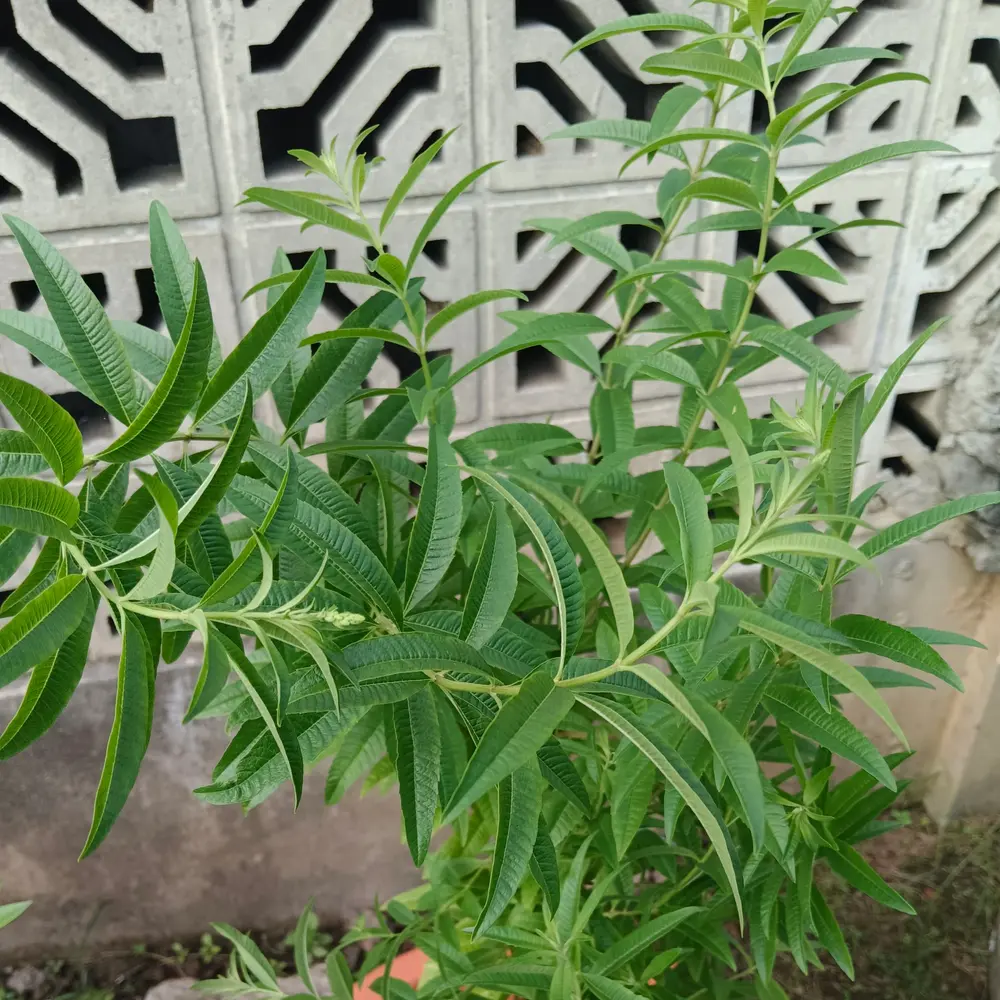
Aloysia scorodonioides
By the Greg Editorial Team
Feb 27, 2025•13 min read
This article was created with the help of AI so we can cover more plants for you. May contain errors. See one? Report it here.
Elevate your garden with Aloysia scorodonioides, a fragrant plant that attracts pollinators and boosts biodiversity! 🌱
- 🌞 Aloysia scorodonioides thrives in warm climates with full sun to partial shade.
- 🌱 Use well-draining soil with a pH of 6.0 to 7.0 for optimal growth.
- 🐾 Safe for pets - Aloysia scorodonioides is non-toxic to humans, dogs, and cats.
How to Grow
Choosing the Right Location 🌞
Aloysia scorodonioides thrives in full sun to partial shade, making it versatile for various garden settings. It prefers warm climates, similar to those found in South America, so ensure your planting area mimics these conditions.
Soil Preparation and Amendments 🧑🌾
For optimal growth, use well-draining soil that prevents waterlogging. Aim for a soil pH between 6.0 and 7.0, and consider adding organic matter to enhance fertility and improve soil structure.
Planting Techniques and Spacing 🌱
When planting seeds or cuttings, a depth of about 1/4 inch is recommended for seeds. Maintain a spacing of 18 to 24 inches between plants to allow for healthy growth and airflow.
Watering Requirements and Frequency 💧
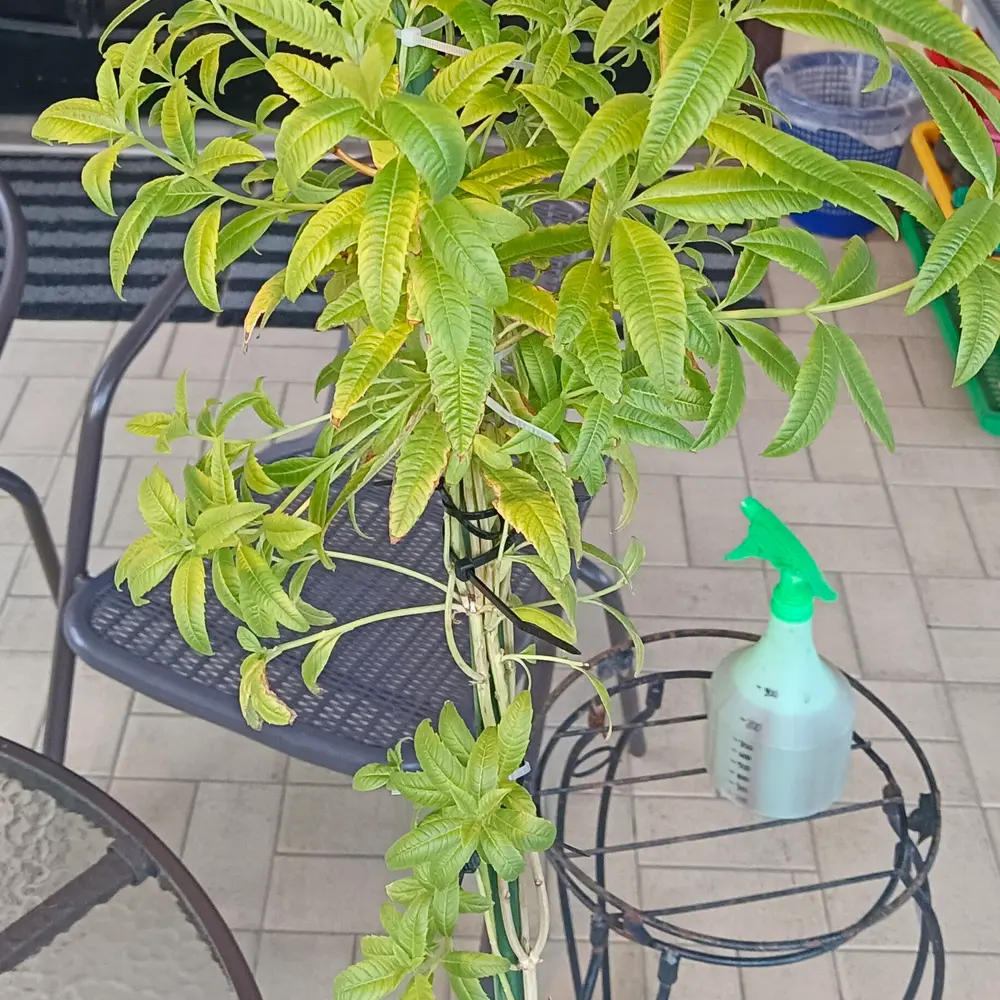
Watering frequency depends on your climate and soil moisture levels. Look for signs of overwatering, such as yellowing leaves, or underwatering, indicated by wilting or dry soil.
Fertilizing Schedule and Types of Fertilizers 🌿
Use balanced fertilizers with an NPK ratio of 10-10-10 or similar. Fertilize monthly during the growing season to support robust growth and flowering.
Pruning Methods for Healthy Growth ✂️
Prune your Aloysia scorodonioides in early spring to encourage bushier growth. Use clean, sharp tools and remove any dead or weak stems to promote overall plant health.
Ongoing Care for Container vs. Outdoor Growing 🪴
For container plants, ensure proper drainage and use a high-quality potting mix. If growing outdoors, apply mulch to retain moisture and protect against pests, ensuring your plants thrive in their environment.
With these guidelines, you're well on your way to cultivating a healthy Aloysia scorodonioides. Next, let’s explore how to propagate this delightful plant!
Propagation
🌱 Methods of Propagation
Aloysia scorodonioides can be propagated effectively through two primary methods: seeds and cuttings. Each method has its unique advantages, making it easy to choose the one that suits your gardening style.
📋 Step-by-Step Instructions for Each Method
1. Seed Propagation
For seed propagation, start by sowing the seeds at a depth of about 1/4 inch in well-draining soil. Maintain consistent moisture and expect germination within 2 to 3 weeks under optimal conditions.
2. Cutting Propagation
When propagating from cuttings, select healthy stems that are at least 4 to 6 inches long. Use a sterile rooting medium, such as perlite or a mix of peat and vermiculite, and keep the cuttings in a warm, humid environment to encourage root development.
🌟 Best Practices for Successful Propagation
Timing is crucial for successful propagation. The best seasons for starting seeds or cuttings are spring and early summer when temperatures are warm and conditions are favorable.
Additionally, ensure that the environment maintains adequate temperature and humidity levels. Aim for temperatures between 70°F to 75°F and keep humidity high to promote healthy growth.
With these methods and tips, you'll be well on your way to successfully propagating Aloysia scorodonioides. Next, let’s explore the lifecycle of this fascinating plant and what to expect as it grows.
Lifecycle
Lifecycle Stages 🌱
Understanding the lifecycle of Aloysia scorodonioides is essential for successful cultivation. It begins with germination, which typically takes 2 to 3 weeks under optimal conditions, including warmth and moisture.
Once germinated, the plant enters the seedling stage. During this phase, provide adequate light and water to support healthy growth, as seedlings are particularly vulnerable.
Next is the vegetative growth stage, where the plant focuses on developing leaves and stems. This phase can last several months, depending on environmental conditions and care.
When conditions are right, Aloysia scorodonioides will enter the flowering stage. This usually occurs in late spring to early summer, producing aromatic flowers that attract pollinators.
Finally, the plant will produce seeds, completing its lifecycle. Seed production typically happens in late summer, allowing for propagation and the continuation of the species.
Duration Until Maturity and Growth Rate ⏳
Aloysia scorodonioides generally takes about 1 to 2 years to reach full maturity. The growth rate can vary based on factors like light, water, and soil quality, but under ideal conditions, you can expect it to grow relatively quickly.
Lifespan 🌳
In suitable conditions, Aloysia scorodonioides can live for several years, often thriving for up to 5 years or more. Proper care, including appropriate watering and fertilization, can significantly extend its lifespan, making it a rewarding addition to your garden.
With a solid understanding of its lifecycle, you're well-equipped to nurture this vibrant plant. Next, let’s explore how to effectively propagate Aloysia scorodonioides for even more growth opportunities.
Size
Mature Height and Spread 🌱
Aloysia scorodonioides typically reaches an average mature height of 24 to 36 inches (60 to 90 centimeters). Its spread can vary, generally ranging from 18 to 24 inches (45 to 60 centimeters), making it a compact yet vibrant addition to any garden.
Growth Rate and Factors Affecting Size 📈
This plant exhibits a moderate growth rate, often maturing within one to two growing seasons. Factors such as light exposure, water availability, and soil quality significantly influence its size, with optimal conditions leading to more robust growth.
Size Variability Based on Growing Conditions 🌍
The size of Aloysia scorodonioides can differ based on whether it’s grown in containers or outdoors. Container plants may remain smaller due to limited root space, while those planted in the ground can thrive and reach their full potential.
In addition, climate plays a crucial role in determining growth dimensions. Warmer, sunnier environments typically yield larger plants, while cooler or shadier conditions may stunt their growth.
As you consider growing Aloysia scorodonioides, keep these size factors in mind to ensure your plant flourishes in its chosen environment. Next, we’ll explore the fascinating root system of this resilient plant.
Roots
Characteristics of the Root System 🌱
Aloysia scorodonioides features a fibrous root system, which allows for efficient nutrient absorption and stability. Typically, the roots spread out widely but remain relatively shallow, making them well-suited for various soil types.
Common Root-Related Issues and Solutions ⚠️
Root rot is a common problem, often caused by overwatering. Symptoms include yellowing leaves and a foul smell from the soil; prevention involves ensuring well-draining soil and proper watering practices.
To identify healthy roots, look for firm, white roots. Unhealthy roots may appear brown or mushy, indicating decay.
Understanding Rootbound Conditions and Management 🔒
Rootbound occurs when a plant's roots grow too densely within the pot, restricting growth and nutrient uptake. Signs include stunted growth and roots emerging from the drainage holes.
If you notice these indicators, it's time to repot. Choose a larger container and gently loosen the roots before placing the plant in fresh soil to encourage healthy growth.
With proper root care, your Aloysia scorodonioides will thrive, setting the stage for vibrant foliage and aromatic leaves. Next, let’s explore the benefits of growing this remarkable plant.
Benefits
🌿 Top 5 Benefits of Growing Aloysia scorodonioides
1. Aromatic Leaves
Aloysia scorodonioides boasts fragrant leaves that are perfect for culinary and herbal uses. Whether you’re adding them to dishes or brewing them in teas, their delightful aroma enhances flavor profiles.
2. Pollinator Attraction
This plant is a magnet for pollinators, making it a fantastic addition to any garden. By attracting bees and butterflies, it boosts garden biodiversity and supports local ecosystems.
3. Aesthetic Appeal
With its lush foliage and delicate flowers, Aloysia scorodonioides adds visual charm to your outdoor space. Its vibrant presence can elevate the overall beauty of your garden.
4. Medicinal Properties
Traditionally, this plant has been used in herbal remedies for its potential health benefits. From soothing digestive issues to providing calming effects, its medicinal properties are worth exploring.
5. Easy Care
One of the best aspects of Aloysia scorodonioides is its low maintenance requirements. It thrives with minimal effort, making it ideal for both novice and experienced gardeners.
These benefits make Aloysia scorodonioides a compelling choice for anyone looking to enhance their garden. Its combination of beauty, utility, and ease of care ensures that you’ll enjoy a rewarding gardening experience.
As you consider adding this plant to your collection, let’s explore how to propagate it successfully.
Companion Plants
🌱 Explanation of Companion Planting and Its Benefits
Companion planting is the practice of growing different plants together for mutual benefits. This method enhances garden diversity, improves pest management, and can even boost plant growth.
🌼 Best Companion Plants
When considering companion plants for Aloysia scorodonioides, some excellent choices include:
- Basil: Enhances flavor and repels pests.
- Marigolds: Deter harmful insects and attract beneficial ones.
- Nasturtiums: Act as a trap crop for aphids, protecting nearby plants.
These companions work well together by either repelling pests or attracting beneficial insects, creating a healthier garden ecosystem.
🚫 Plants to Avoid Planting Near
While many plants thrive alongside Aloysia scorodonioides, some should be avoided.
- Cabbage family: They can compete for nutrients and attract similar pests.
- Fennel: Known to inhibit the growth of nearby plants.
Avoiding these incompatible plants helps ensure your garden remains vibrant and productive.
Incorporating companion planting strategies can significantly enhance your gardening experience. Next, let’s explore the potential benefits of growing Aloysia scorodonioides.
Toxicity to Humans
Safety for Humans 🌿
Aloysia scorodonioides is considered non-toxic, meaning it is not listed as harmful by health organizations. This makes it a safe choice for gardens and homes, allowing you to enjoy its aromatic leaves without worry.
Potential Minor Issues from Contact or Ingestion ⚠️
While generally safe, some individuals may experience mild skin irritation upon contact. Additionally, excessive consumption could lead to digestive discomfort, so moderation is key.
Recommendations for Caution 👀
It's always wise to monitor for any unusual symptoms after contact or ingestion. Keeping an eye on how your body reacts can help ensure a positive experience with this delightful plant.
As we explore the benefits of Aloysia scorodonioides, you'll discover why it's a fantastic addition to any garden.
Toxicity to Dogs
🐶 Safety for Dogs
Aloysia scorodonioides is safe for dogs, as it is not listed as toxic by pet poison control organizations. This means you can enjoy growing this plant without worrying about harming your furry friends.
⚠️ Potential Minor Issues from Excessive Consumption
While generally safe, consuming large quantities of the plant may lead to gastrointestinal upset in dogs. It's always best to keep an eye on your pet's behavior after they've had a nibble.
🏡 Tips for Introducing in Homes with Dogs
When introducing Aloysia scorodonioides into your home, consider placing it in areas that are out of reach for your dog.
Monitoring your dog's interactions with the plant can help ensure they don't overindulge. Keeping a watchful eye will allow you to enjoy your plant while ensuring your dog's safety.
As you explore the joys of growing this aromatic plant, rest assured that your canine companions can coexist happily with it in your garden or home.
Toxicity to Cats
🐱 Safety for Cats
Aloysia scorodonioides is considered safe for cats. It is not listed as toxic by pet poison control organizations, making it a worry-free addition to your home.
⚠️ Potential Minor Issues from Excessive Consumption
While generally safe, excessive consumption of the plant can lead to gastrointestinal upset in cats. It's important to monitor your feline friends to ensure they don't overindulge.
🏡 Tips for Introducing in Homes with Cats
When introducing Aloysia scorodonioides into your home, consider its placement carefully. Position the plant in areas that are less accessible to your cats, such as high shelves or hanging planters.
Keep an eye on your cats' interactions with the plant. Observing their behavior can help you identify any unusual interest or potential issues early on.
By taking these precautions, you can enjoy the beauty of Aloysia scorodonioides while ensuring your cats remain safe and healthy.
Problems
Common Problems Faced 🌱
Growing Aloysia scorodonioides can come with its challenges. Here are some common issues to watch for:
Incorrect Watering
Overwatering can lead to root rot, while underwatering may cause wilting. Look for yellowing leaves as a sign of overwatering, and crispy edges for underwatering.
Incorrect Light Conditions
If your plant is not getting enough light, it may become leggy or fail to bloom. Conversely, too much direct sunlight can scorch the leaves.
Incorrect Temperature
Extreme temperatures can stress the plant. Cold drafts or excessive heat can stunt growth or cause leaf drop.
Diseases
Fungal issues are common, especially in humid conditions. Watch for fuzzy spots on leaves or a general decline in plant health.
Leaf Issues
Yellowing leaves can indicate nutrient deficiencies or poor watering practices. Scorched leaves often signal too much sun exposure.
Symptoms and Causes of Each Problem 🧐
Identifying the root cause of these problems is crucial for effective care.
- Overwatering: Yellow leaves, mushy stems.
- Underwatering: Wilting, dry soil.
- Low light: Leggy growth, sparse leaves.
- High light: Scorched tips, faded colors.
- Fungal diseases: Discoloration, moldy spots.
- Nutrient deficiencies: Yellowing leaves, poor growth.
Simple Steps to Resolve Issues ⚡️
Quick fixes can often revive your plant and restore its health.
- Adjust Watering: Check soil moisture before watering. Aim for a balance—water when the top inch of soil is dry.
- Optimize Light: Move the plant to a location with bright, indirect light. Avoid harsh afternoon sun.
- Control Temperature: Keep the plant in a stable environment, away from drafts and extreme heat sources.
- Treat Diseases: Remove affected leaves and apply a fungicide if necessary. Ensure good air circulation.
- Address Leaf Issues: Adjust watering and light conditions based on observed symptoms.
By staying vigilant and responsive to these common problems, you can keep your Aloysia scorodonioides thriving. Next, let’s explore how to manage pests that might threaten your plant’s health.
Bugs
🐞 Potential Pest Issues
Aloysia scorodonioides can face several pest challenges, but it's generally resilient. Understanding its susceptibility helps in proactive management.
🔍 Identification and Damage Caused by Each Pest
Spider Mites
Spider mites are tiny pests that can cause significant damage. Look for fine webbing on leaves and stippling, which indicates feeding.
Scale Insects
Scale insects appear as small, raised bumps on stems and leaves. They suck sap, leading to yellowing leaves and stunted growth.
Mealybugs
Mealybugs are cotton-like pests that cluster in leaf axils. They weaken the plant by feeding on sap, causing wilting and leaf drop.
Aphids
Aphids are small, green or black insects that congregate on new growth. They can cause curling leaves and may transmit diseases.
🛠️ Effective Treatment Options for Pest Management
For pest control, both organic and chemical solutions are effective. Neem oil and insecticidal soap are great organic options, while systemic insecticides can offer more robust protection.
Regular monitoring and early intervention are key to keeping Aloysia scorodonioides healthy. By staying vigilant, you can enjoy a thriving plant free from pest issues.
Next, let’s explore common problems that may arise while caring for this versatile plant.
What Eats
Common Animals That May Damage 🐇
Aloysia scorodonioides can attract a variety of herbivores. Common culprits include rabbits, deer, and certain insects that may find the plant's aromatic leaves appealing.
Signs of Animal Presence and Damage Types 🐾
Identifying signs of animal activity is crucial for protecting your plants. Look for tracks, droppings, or chewed leaves, which indicate that your Aloysia is being targeted.
Methods for Deterring or Managing These Animals 🚫
To keep these herbivores at bay, consider both chemical and organic control methods.
Chemical Solutions: Use repellents specifically designed for garden use to deter larger animals like deer and rabbits.
Organic Strategies: Planting companion plants that are less appealing to these animals can help. Additionally, using barriers like fencing or netting can provide physical protection.
By staying vigilant and employing these strategies, you can help ensure your Aloysia scorodonioides thrives without unwanted visitors.
⚠️ Safety First
This content is for general information and may contain errors, omissions, or outdated details. It is not medical, veterinary advice, or an endorsement of therapeutic claims.
Always consult a qualified healthcare professional before using any plant as food, medicine, or supplement.
Never eat any plant (or feed one to pets) without confirming its identity with at least two trusted sources.
If you suspect poisoning, call Poison Control (800) 222-1222, the Pet Poison Helpline (800) 213-6680, or your local emergency service immediately.
Spotted an error? Please report it here.
Unlock the full potential of your Aloysia scorodonioides 🌿 by using Greg's tailored watering alerts and expert care tips to ensure your plant thrives and attracts pollinators in your garden!