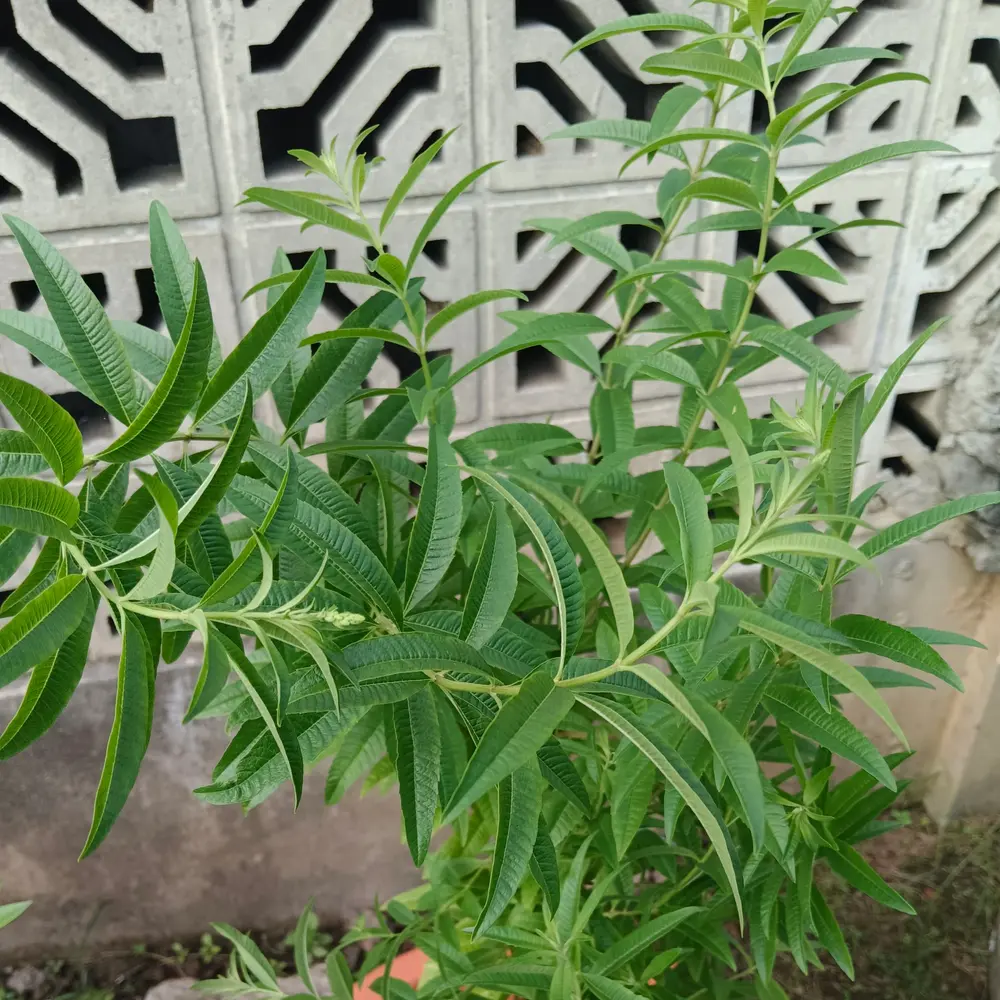
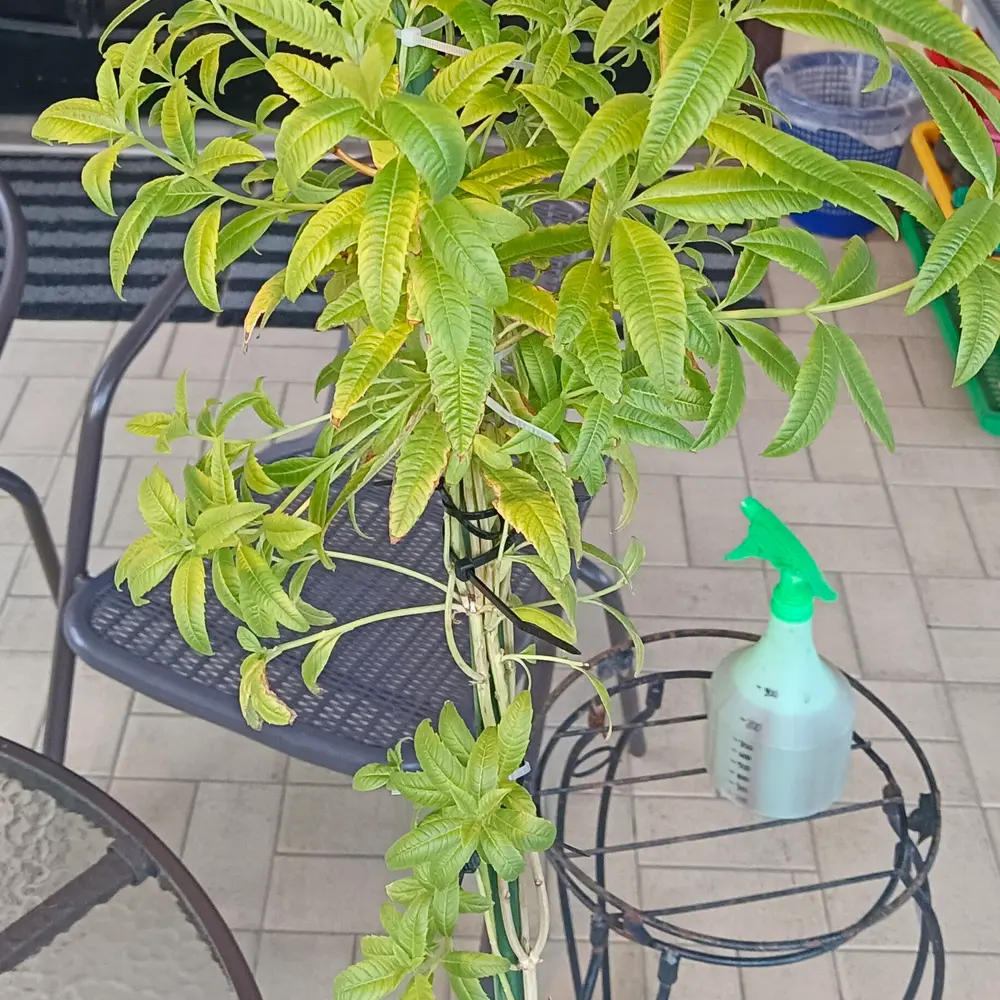
🍋 Overview of Aloysia schulziana
Aloysia schulziana
By the Greg Editorial Team
Feb 27, 2025•11 min read
This article was created with the help of AI so we can cover more plants for you. May contain errors. See one? Report it here.
- 🌞 Aloysia schulziana thrives in full sun; ensure warm, temperate conditions for best growth.
- 🌱 Well-draining, fertile soil with pH 6.0-7.0 is essential for healthy plants.
- 💧 Regular watering and balanced fertilization support robust growth and prevent issues like root rot.
How to Grow
Choosing a Location 🌞
Aloysia schulziana thrives in full sun to partial shade, making it versatile for various garden settings. Ideally, it prefers warm, temperate climates with temperatures ranging from 20°C to 30°C (68°F to 86°F).
Soil Preparation 🌱
For optimal growth, plant Aloysia in well-draining, fertile soil. Aim for a pH level between 6.0 and 7.0, and ensure the soil drains well to prevent waterlogged conditions.
Planting 🌿
When planting, space your Aloysia plants 18-24 inches apart to allow for healthy growth. For seeds or cuttings, a planting depth of 1-2 inches is recommended.
Watering 🚰
Regular watering is essential to maintain consistent moisture in the soil. Consider using drip irrigation for efficiency, but hand watering can also work well if done thoughtfully.
Fertilizing 🍽️
Use a balanced NPK fertilizer, such as 10-10-10, to nourish your plants. Fertilize monthly during the growing season to support robust growth.
Pruning ✂️
Prune your Aloysia in late winter or early spring to encourage new growth. Focus on shaping the plant and removing any dead or unhealthy growth to keep it thriving.
Ongoing Care 👀
Keep an eye on your plants by regularly checking for signs of health. Adjust your care routine based on seasonal changes to ensure your Aloysia remains vibrant and strong.
With these guidelines, you'll be well on your way to cultivating a flourishing Aloysia schulziana in your garden. Next, let’s explore how to propagate this delightful plant for even more growth opportunities.
Propagation
🌱 Seed Propagation
To successfully propagate Aloysia schulziana from seeds, start by soaking them in water for 24 hours. This germination process helps to soften the seed coat, promoting quicker sprouting.
For optimal growth, ensure that the seeds are placed in warm temperatures and kept consistently moist. These conditions mimic the plant's natural habitat, encouraging healthy development.
✂️ Cutting Propagation
Cutting propagation is another effective method for growing Aloysia schulziana. Begin by selecting healthy stems that are 4-6 inches long, ensuring they are free from disease and pests.
Once you have your cuttings, use a rooting hormone to enhance root development. Plant them in a well-draining medium to prevent waterlogging, which can hinder growth.
With the right care, both seed and cutting propagation can lead to thriving plants, enriching your garden with their aromatic presence.
Lifecycle
Stages of Growth 🌱
Aloysia schulziana progresses through distinct stages from seed or cutting to maturity. These stages include germination, seedling development, vegetative growth, flowering, and ultimately, seed production.
Germination and Growth Rate ⏳
Under optimal conditions, germination takes about 7-14 days. This plant is generally a perennial, thriving for several years in suitable climates, with a moderate growth rate that allows it to reach maturity in approximately 1-2 years.
Understanding the lifecycle of Aloysia schulziana is crucial for successful cultivation. By recognizing these stages, you can better anticipate the plant's needs and ensure it flourishes in your garden.
Next, let’s explore the size of this remarkable plant and how various factors influence its growth.
Size
Mature Dimensions 🌱
Aloysia schulziana typically reaches a mature height of 3 to 4 feet and spreads about 2 to 3 feet wide. This compact size makes it an excellent choice for both garden beds and containers.
Growth Rate and Influencing Factors 📈
The growth rate of Aloysia schulziana is moderate, influenced by several key factors. Soil quality, sunlight exposure, and water availability play crucial roles in determining how quickly this plant thrives.
Size Variability 📏
Size can vary significantly based on planting conditions. For instance, plants grown in containers may remain smaller compared to those planted directly in the ground, and environmental factors like climate can also affect their overall dimensions.
Understanding these size characteristics helps in planning your garden layout effectively. With the right care, Aloysia schulziana can be a stunning addition to your outdoor space, enhancing both aesthetics and functionality.
Roots
🌱 Root System Characteristics
Aloysia schulziana features a fibrous root system that is essential for its stability and nutrient uptake. These roots typically extend 12-18 inches deep and spread widely, allowing the plant to access moisture and nutrients efficiently.
⚠️ Common Root-Related Issues
One of the most common problems gardeners face is root rot, which occurs when the roots sit in waterlogged soil. Symptoms include wilting, yellowing leaves, and a foul smell from the soil. To prevent root rot, ensure proper drainage and avoid overwatering.
Another issue is becoming rootbound, where the roots grow too densely within their container. Signs of a rootbound plant include stunted growth and roots emerging from the drainage holes. To remedy this, consider repotting the plant into a larger container or dividing the roots to promote healthy growth.
Understanding these root characteristics and issues can significantly enhance your success in growing Aloysia schulziana. With the right care, your plant will thrive and contribute to your garden's beauty and health.
Benefits
Top Benefits of Growing Aloysia schulziana 🌱
Aloysia schulziana, commonly known for its aromatic properties, is a fantastic addition to any garden. Its leaves can be used in culinary dishes, adding a unique flavor to your meals.
This plant is not just about flavor; it also attracts beneficial insects, particularly pollinators like bees and butterflies. By incorporating Aloysia schulziana into your garden, you can create a vibrant ecosystem that supports local wildlife.
Visually, this plant enhances garden aesthetics with its lush foliage and delicate flowers. It serves as a beautiful backdrop or focal point, making your outdoor space more inviting.
Beyond its beauty and culinary uses, Aloysia schulziana has potential medicinal applications. Traditionally, it has been used in herbal remedies, showcasing its versatility.
Additionally, this plant holds cultural significance in South American traditions, where it has been valued for its various uses. Growing Aloysia schulziana connects you to these rich cultural practices while enriching your gardening experience.
In summary, the benefits of growing Aloysia schulziana are numerous, from its culinary and medicinal uses to its role in attracting pollinators and enhancing garden beauty. Embracing this plant can lead to a more diverse and thriving garden environment.
As we explore further, let’s delve into the fascinating world of companion plants that pair well with Aloysia schulziana.
Companion Plants
🌱 Companion Planting Benefits
Companion planting is a fantastic way to enhance garden diversity and promote healthier plants. By strategically placing certain plants together, you can naturally manage pests and improve growth.
🌼 Best Companion Plants
When growing Aloysia schulziana, consider pairing it with herbs like basil and marigolds. These companions not only complement the aesthetic but also help deter pests and attract beneficial insects.
🚫 Plants to Avoid
Be cautious of plants that might compete for nutrients or attract unwanted pests. Avoid planting Aloysia schulziana alongside species that have similar nutrient needs or those known to harbor pests, as this can lead to reduced growth and health issues.
Incorporating the right companions can transform your garden into a thriving ecosystem. With careful planning, you can create a vibrant space that supports both your plants and the local wildlife.
Toxicity to Humans
Aloysia schulziana is generally safe for humans, as it is not listed as toxic by major poison control centers. This makes it a great choice for gardens and culinary uses without the worry of harmful effects.
However, some individuals may experience mild skin irritation or digestive discomfort if they consume it in excessive amounts. It's always wise to enjoy this aromatic plant in moderation.
To ensure safety, monitor for any unusual symptoms after contact or ingestion. Being aware of your body's reactions can help you enjoy the benefits of this plant while minimizing any potential issues.
With its culinary and aromatic properties, Aloysia schulziana can enhance your garden and kitchen without the fear of toxicity. Now, let's explore how this plant interacts with our furry friends!
Toxicity to Dogs
When it comes to the safety of Aloysia schulziana around dogs, you can breathe easy. According to veterinary organizations, this plant is not considered toxic, making it a safe addition to your garden or home.
However, moderation is key. While Aloysia schulziana won't harm your furry friend, consuming large quantities may lead to mild gastrointestinal upset. Keep an eye on your dog if they decide to nibble on the leaves.
🏡 Tips for Introducing to Homes
To ensure a smooth introduction of Aloysia schulziana into your home, consider its placement carefully. Position the plant where your dog can admire it without being tempted to munch on it.
Monitoring your dog's behavior around the plant is also essential. This way, you can quickly address any curiosity before it leads to unwanted snacking.
With these precautions, you can enjoy the beauty of Aloysia schulziana while keeping your canine companion safe and sound.
Toxicity to Cats
When it comes to Aloysia schulziana, cat owners can breathe a sigh of relief. This plant is not considered toxic according to major pet poison control centers, making it a safe choice for homes with feline friends.
However, moderation is key. While Aloysia schulziana is generally safe, consuming large quantities may lead to mild gastrointestinal upset in cats. It's always best to keep an eye on your pet's behavior after introducing any new plant into your home.
🏡 Tips for Introducing to Homes
To ensure a smooth introduction, consider the placement of the plant. Position it in an area that's accessible yet out of reach for your curious cat.
Monitoring your cat's behavior around the plant is essential. If you notice any unusual symptoms or excessive nibbling, it might be time to reconsider its location.
With these precautions, you can enjoy the beauty of Aloysia schulziana without worrying about your furry companion's health. Now, let's explore the common problems that may arise when growing this delightful plant.
Problems
💧 Overwatering
Overwatering is a common issue that can lead to root rot and other problems. Symptoms include yellowing leaves, wilting, and a soggy soil texture.
To remedy overwatering, allow the soil to dry out before watering again. Ensure your pots have adequate drainage to prevent water from pooling.
🚰 Underwatering
Underwatering can also stress your Aloysia schulziana, causing leaves to curl and become crispy. Signs of underwatering include dry soil and drooping foliage.
To recover from underwatering, gradually increase your watering frequency. Always check the soil moisture before watering to avoid sudden changes.
☀️ Incorrect Light Conditions
Aloysia schulziana thrives in full sun to partial shade. If your plant isn't receiving enough light, you may notice leggy growth or sparse leaves.
Adjust the plant's location to ensure it gets adequate sunlight. If it's getting too much light, consider providing some shade during the hottest parts of the day.
🦠 Diseases
Fungal diseases like powdery mildew and rust can affect your plant's health. Look for white, powdery spots or rust-colored patches on leaves as indicators.
To combat these diseases, ensure good air circulation around your plants and avoid overhead watering. If necessary, treat with appropriate fungicides.
🍃 Leaf Issues
Leaf scorching and yellowing can signal stress in your Aloysia schulziana. Scorched leaves often result from excessive sun exposure, while yellowing can indicate nutrient deficiencies or overwatering.
Monitor your plant's environment and adjust care accordingly. Regularly check for signs of distress to keep your plant healthy and vibrant.
With these insights, you can tackle common problems effectively and keep your Aloysia schulziana thriving. Next, let’s explore the pests that might threaten your plant’s health.
Bugs
🐜 Common Pests
Aloysia schulziana can attract a variety of pests, which can pose challenges for gardeners. Understanding pest resistance and susceptibility is crucial for maintaining healthy plants.
🔍 Identification and Damage
Among the most common pests are spider mites, aphids, and mealybugs.
- Spider Mites: These tiny pests often leave fine webbing and cause stippling on leaves.
- Aphids: Small and green, they cluster on new growth, sucking sap and potentially transmitting diseases.
- Mealybugs: Recognizable by their white, cottony appearance, they can weaken plants by feeding on their juices.
Identifying these pests early can help prevent significant damage.
🛠️ Treatment Options
Managing pest infestations effectively requires a proactive approach. Here are some methods to consider:
- Natural Predators: Introduce beneficial insects like ladybugs or lacewings that feed on pests.
- Insecticidal Soap: This is a gentle option that suffocates soft-bodied insects without harming your plant.
- Neem Oil: Derived from the neem tree, this oil disrupts the life cycle of pests and can deter future infestations.
Regular monitoring and prompt action can keep your Aloysia schulziana thriving.
By staying vigilant against pests, you can ensure your plants remain healthy and vibrant. Next, let’s explore what animals might be interested in munching on your garden.
What Eats
🦌 Common Garden Animals
When cultivating Aloysia schulziana, be aware of the garden animals that might take a liking to your plants. Common herbivores include deer, rabbits, and squirrels, all of which can cause significant damage if left unchecked.
🔍 Signs of Damage
Identifying damage early can save your plants. Look for patterns like chewed leaves, missing stems, or droppings nearby, which can indicate which animal is the culprit.
🚫 Deterrent Methods
To protect your plants, consider both chemical and organic control methods. Chemical repellents can deter animals, but many gardeners prefer organic options like planting strong-smelling herbs or using barriers such as fencing.
By being proactive and observant, you can keep your Aloysia schulziana thriving and free from unwanted nibblers. Next, let’s explore the common problems that may arise during its growth.
⚠️ Safety First
This content is for general information and may contain errors, omissions, or outdated details. It is not medical, veterinary advice, or an endorsement of therapeutic claims.
Always consult a qualified healthcare professional before using any plant as food, medicine, or supplement.
Never eat any plant (or feed one to pets) without confirming its identity with at least two trusted sources.
If you suspect poisoning, call Poison Control (800) 222-1222, the Pet Poison Helpline (800) 213-6680, or your local emergency service immediately.
Spotted an error? Please report it here.
Cultivating Aloysia schulziana is a breeze 🌱 with Greg's tailored watering alerts and expert tips, ensuring your plants flourish in the perfect conditions!