Ultimate Guide to Aloysia polygalifolia
Aloysia polygalifolia
By the Greg Editorial Team
Feb 27, 2025•10 min read
This article was created with the help of AI so we can cover more plants for you. May contain errors. See one? Report it here.
Elevate your garden's charm and biodiversity with Aloysia polygalifolia's fragrant allure! 🌱
- 🌞 Aloysia polygalifolia needs 6-8 hours of full sun for optimal growth.
- 🌱 Use well-draining soil with pH 6.0-7.0 for best results.
- 💧 Regular watering and proper drainage prevent root rot and promote health.
How to Grow
Choosing the Right Location 🌞
Aloysia polygalifolia thrives in full sun, requiring 6-8 hours of direct sunlight daily. Ensure you choose a location that allows for adequate spacing, promoting air circulation and healthy growth.
Soil Preparation 🌱
For optimal growth, plant in well-draining, fertile soil. Aim for a soil pH between 6.0 and 7.0, which is slightly acidic to neutral.
Planting Techniques 🌿
When planting, dig a hole that is 1-2 inches deep. Space your plants 2-3 feet apart to give them room to flourish.
Watering Requirements 💧
Regular watering is essential to maintain consistent moisture without waterlogging the roots. Consider using drip irrigation or deep watering techniques to encourage deep root growth.
Fertilizing Schedule 🌼
Use a balanced NPK fertilizer, such as 10-10-10, to nourish your plants. Fertilize every 4-6 weeks during the growing season for the best results.
Pruning Methods ✂️
Prune your Aloysia polygalifolia in late winter or early spring, just before new growth begins. Focus on trimming back to shape and removing any dead or damaged branches.
Ongoing Care 👀
Keep an eye on your plants for signs of stress or disease. Adjust your care routine based on seasonal changes to ensure they remain healthy and vibrant.
With these growing tips, you’ll set the stage for a thriving Aloysia polygalifolia. Next, let’s explore how to propagate this remarkable plant!
Propagation
🌱 Seed Propagation
To start with seed propagation, soak the seeds for 24 hours before planting. This simple step helps kickstart the germination process, which thrives in a warm, moist environment for about 2-3 weeks.
✂️ Cutting Propagation
For cutting propagation, choose healthy stems that are 4-6 inches long. Place these cuttings in a moist potting mix, and in 2-4 weeks, you should see roots developing, ready for planting.
🌿 Division Propagation
Division propagation is best done every 2-3 years in early spring. Carefully separate the root clumps and replant them to encourage new growth and vitality in your Aloysia polygalifolia.
With these propagation methods, you can easily expand your collection of this aromatic plant. Next, let’s explore the lifecycle of Aloysia polygalifolia and understand its growth stages.
Lifecycle
Lifecycle Stages 🌱
Aloysia polygalifolia goes through several distinct stages during its lifecycle. It starts from seed or cutting, progresses to germination, and then develops into a seedling before entering vegetative growth, flowering, and finally seed production.
Lifespan and Growth Rate ⏳
Under optimal conditions, this plant typically has a lifespan of 3 to 5 years. It grows at a moderate pace, reaching its full size within 1 to 2 years, making it a relatively quick addition to your garden.
Understanding Growth Phases 📈
Each phase of growth is crucial for the overall health of the plant. During the vegetative stage, it focuses on building a strong structure, while flowering is essential for reproduction and attracting pollinators.
Factors Influencing Growth 🌍
Environmental factors such as light, water, and soil quality significantly impact the growth rate and health of Aloysia polygalifolia. Providing the right conditions can enhance its development and longevity.
Transition to Propagation 🔄
Understanding the lifecycle of Aloysia polygalifolia not only helps in nurturing the plant but also sets the stage for effective propagation techniques. Next, we’ll explore how to propagate this versatile plant through seeds, cuttings, and division.
Size
Mature Height and Spread 🌳
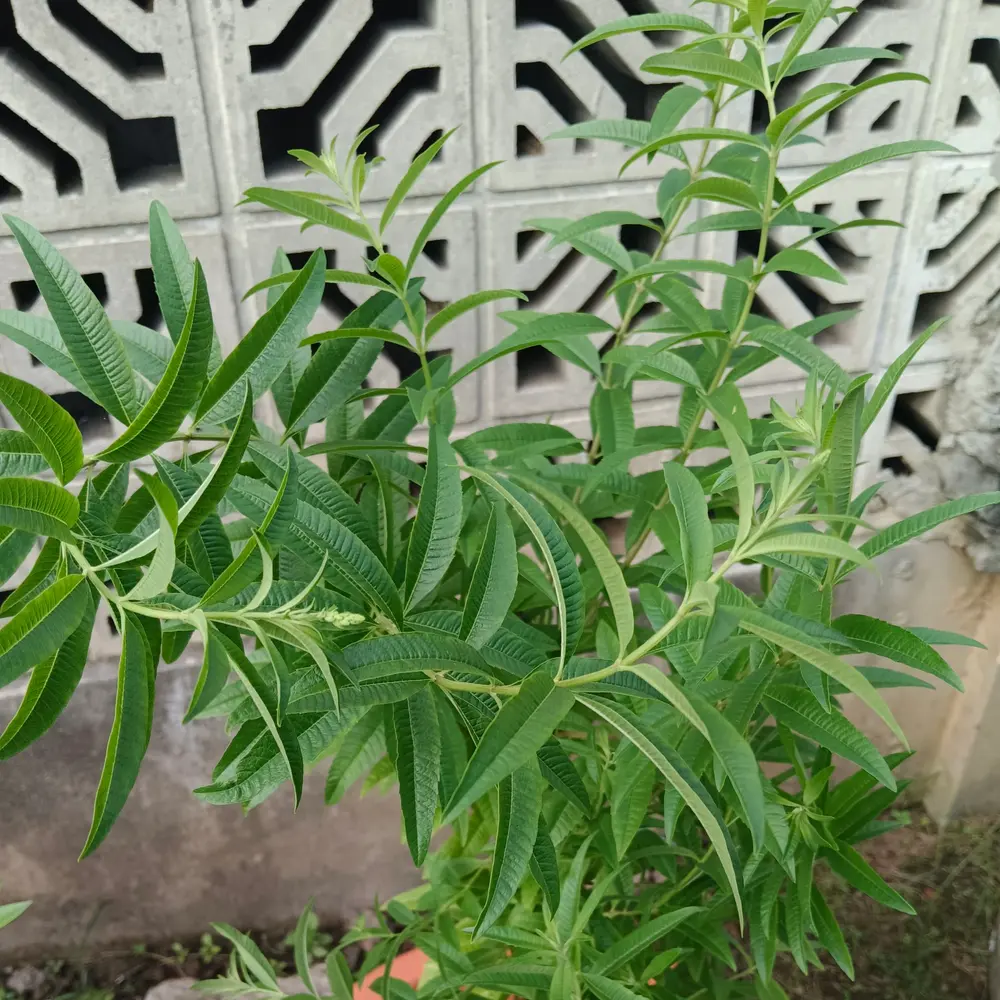
Aloysia polygalifolia typically reaches a mature height of 1-2 meters (3-6 feet) and spreads about 1-1.5 meters (3-5 feet). This size makes it a versatile choice for various garden settings.
Growth Rate and Time to Full Size ⏳
Expect your plant to reach full size in approximately 1-2 years. Its moderate growth rate is influenced by the care it receives and the environmental conditions it endures.
Size Variability Based on Growing Conditions 🌱
Several factors can affect the size of Aloysia polygalifolia. Soil quality, water availability, and sunlight exposure all play crucial roles in determining how robust your plant will grow.
Understanding these aspects can help you optimize your growing conditions. By providing the right environment, you can ensure your plant thrives and reaches its full potential.
As we move forward, let’s explore the fascinating lifecycle of Aloysia polygalifolia and how it develops over time.
Roots
Root System Characteristics 🌱
Aloysia polygalifolia features a fibrous root system that is essential for its stability and nutrient uptake. Typically, the roots extend 12-18 inches deep and can spread out 1-2 feet from the base, allowing the plant to access water and nutrients efficiently.
Common Root-Related Issues ⚠️
One common issue is root rot, often caused by overwatering. Symptoms include wilting and yellowing leaves, signaling that the roots are struggling.
Another problem is being rootbound, which occurs when the roots fill the pot. Signs of this issue include stunted growth and a plant that seems to be struggling despite proper care.
Visual Cues for Healthy vs. Unhealthy Roots 👀
Healthy roots are firm, white, and spread evenly throughout the soil. In contrast, unhealthy roots appear dark, mushy, or may even emit a foul smell, indicating serious problems.
Solutions for Root Problems 🛠️
To prevent root rot, ensure proper drainage and avoid overwatering your Aloysia polygalifolia.
If your plant becomes rootbound, it's time to repot it into a larger container, giving those roots the space they need to thrive.
Understanding the root system and its needs is crucial for the overall health of your plant. With proper care, your Aloysia polygalifolia will flourish, setting the stage for vibrant growth and beauty in your garden.
Next, let’s explore the numerous benefits this plant brings to your garden and well-being.
Benefits
List of 5 Benefits 🌿
Aloysia polygalifolia offers a range of benefits that make it a valuable addition to any garden.
- Aromatic leaves: These fragrant leaves are perfect for culinary uses and herbal remedies, adding flavor and aroma to dishes.
- Pollinator attraction: The plant's flowers are a magnet for bees and butterflies, promoting biodiversity in your garden.
- Erosion control: Its dense growth helps stabilize soil, making it an excellent choice for preventing erosion on slopes.
- Aesthetic appeal: With its lush greenery and unique texture, Aloysia polygalifolia enhances the visual appeal of any landscape.
- Medicinal properties: Traditionally, this plant has been used in various cultures for its healing properties, addressing a range of ailments.
Cultural Significance and Symbolism 🌍
Beyond its practical benefits, Aloysia polygalifolia holds cultural significance in many societies.
It often symbolizes healing and wellness, reflecting its use in traditional medicine. The plant is also associated with tranquility and relaxation, thanks to its soothing aromatic qualities.
Incorporating this plant into your garden not only enriches your space but also connects you to a broader cultural narrative of health and harmony.
As you explore the many advantages of Aloysia polygalifolia, consider how it can enhance both your garden's ecosystem and your personal well-being.
Next, let's delve into the fascinating world of companion planting and discover which plants thrive alongside Aloysia polygalifolia.
Companion Plants
🌱 Explanation of Companion Planting Benefits
Companion planting is a fantastic way to enhance garden diversity and promote healthy ecosystems. By pairing plants that support each other, you can improve growth and manage pests more effectively.
🌼 List of Compatible Companion Plants
Here are some excellent companions for Aloysia polygalifolia:
- Lavender: Shares similar care needs and helps repel pests.
- Marigolds: Deter harmful insects while attracting beneficial ones.
- Basil: Not only enhances flavor but also boosts the growth of nearby plants.
🚫 Plants to Avoid Planting Near
Be cautious about planting near nightshades. These plants can compete for nutrients and may attract similar pests, which could hinder the growth of your Aloysia polygalifolia.
Companion planting can transform your garden into a thriving ecosystem. By choosing the right partners, you can create a vibrant space that flourishes together. Next, let’s explore some common problems you might encounter while growing this aromatic plant.
Problems
Common Problems with Aloysia polygalifolia 🌱
Maintaining a healthy Aloysia polygalifolia can sometimes feel like a balancing act. Here are some common problems you might encounter:
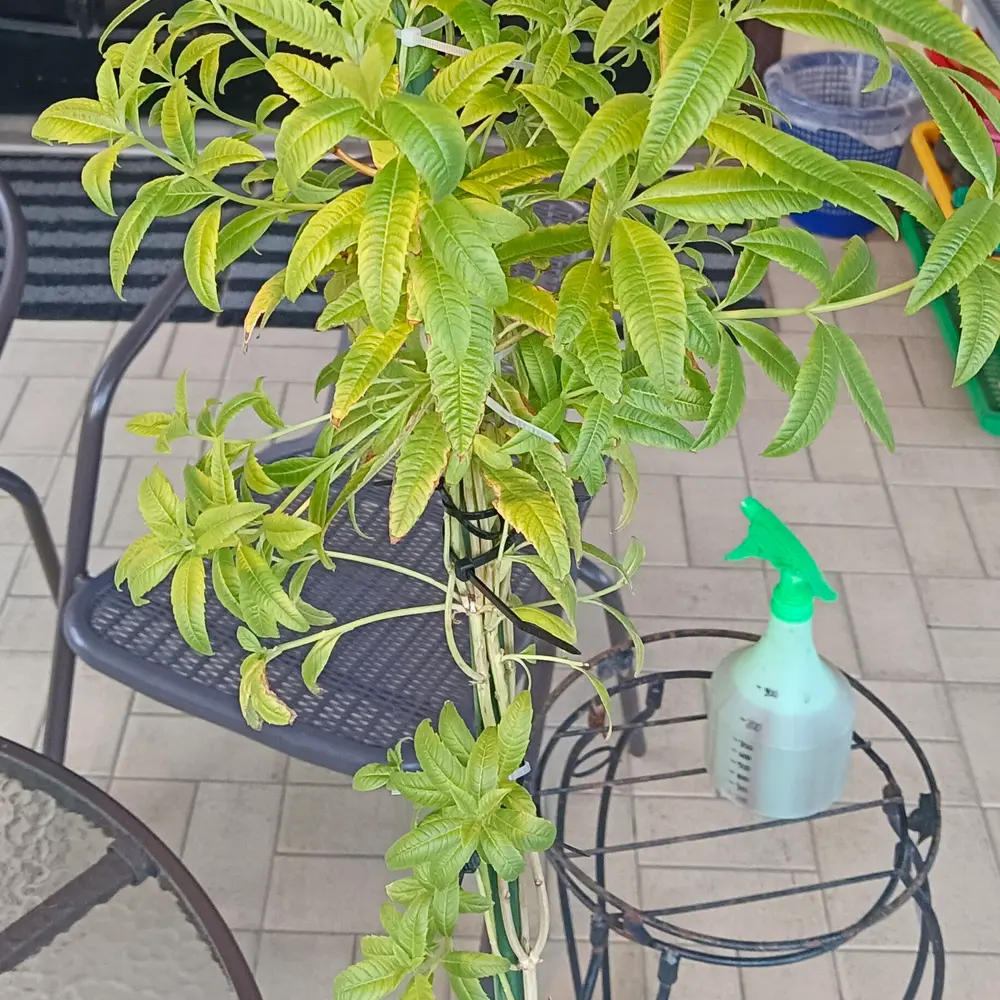
Overwatering: This is a frequent issue that leads to yellowing leaves and wilting. Ensure proper drainage to prevent water from pooling around the roots.
Underwatering: On the flip side, if your plant is thirsty, you’ll notice brown, crispy leaves. Adjust your watering frequency to keep the soil consistently moist.
Incorrect Light Conditions: If your plant is stretching and becoming leggy, it’s a sign it needs more light. Move it to a sunnier spot to encourage healthy growth.
Diseases: Powdery mildew can be a concern, especially in humid conditions. Treat it with fungicides and improve air circulation around the plant.
Leaf Issues: Scorching or fuzzy growth can indicate problems with watering or humidity levels. Adjust these factors to restore your plant’s health.
Addressing Problems 🛠️
Identifying these issues early can save your plant from serious damage. Regular monitoring and adjustments based on your plant's needs will help keep it thriving.
Next, let’s explore the pests that may threaten your Aloysia polygalifolia and how to manage them effectively.
Bugs
Overview of Pest Resistance and Susceptibility 🐛
Aloysia polygalifolia showcases a moderate level of pest resistance. However, it can still fall victim to a few common pests that may affect its health and growth.
List of Common Pests 🦠
Spider Mites: Look for fine webbing and stippled leaves. Treat these pests with insecticidal soap for effective control.
Scale Insects: These pests leave a sticky residue and cause yellowing leaves. You can remove them manually or apply horticultural oil for relief.
Mealybugs: Identified by cotton-like masses on stems, mealybugs can be treated using alcohol-soaked cotton swabs to eliminate them.
Identification and Damage Caused by Each Pest 🔍
Spider Mites: Check for small, red or yellow dots on leaves, which indicate their presence.
Scale Insects: Look for hard, shell-like bumps on stems and leaves, signaling an infestation.
Mealybugs: Clusters of white, fluffy masses on your plant are a telltale sign of these pests.
Understanding these pests and their effects on Aloysia polygalifolia is crucial for maintaining a healthy plant. By keeping an eye out for these signs, you can take proactive measures to protect your plant and ensure its thriving growth.
What Eats
🦌 Common Animals That May Damage the Plant
Aloysia polygalifolia can attract a few hungry visitors.
- Deer are notorious for munching on leaves, leaving behind chewed remnants and broken branches.
- Rabbits tend to nibble on the lower leaves and stems, creating a noticeable pattern of damage.
- Squirrels can cause bark damage and may even uproot the plant in their quest for food.
🕵️♂️ Signs of Animal Presence and Damage Types
Identifying animal visitors is crucial for protecting your plant.
Look for tracks or droppings near the base of the plant, which can indicate recent activity.
You may also notice visible damage to leaves or stems, signaling that your Aloysia is under attack.
🚫 Deterrent Methods
Preventing animal damage is key to maintaining a healthy plant.
- Chemical repellents can be effective; consider using commercial deer and rabbit repellents to keep these critters at bay.
- For a more natural approach, try organic control methods like planting deterrent species nearby or using physical barriers such as fencing.
By being proactive, you can protect your Aloysia polygalifolia and ensure it thrives in your garden.
⚠️ Safety First
This content is for general information and may contain errors, omissions, or outdated details. It is not medical, veterinary advice, or an endorsement of therapeutic claims.
Always consult a qualified healthcare professional before using any plant as food, medicine, or supplement.
Never eat any plant (or feed one to pets) without confirming its identity with at least two trusted sources.
If you suspect poisoning, call Poison Control (800) 222-1222, the Pet Poison Helpline (800) 213-6680, or your local emergency service immediately.
Spotted an error? Please report it here.
Unlock the full potential of your Aloysia polygalifolia with Greg's tailored care reminders 🌞, ensuring it receives the perfect sunlight, soil, and hydration for thriving growth!