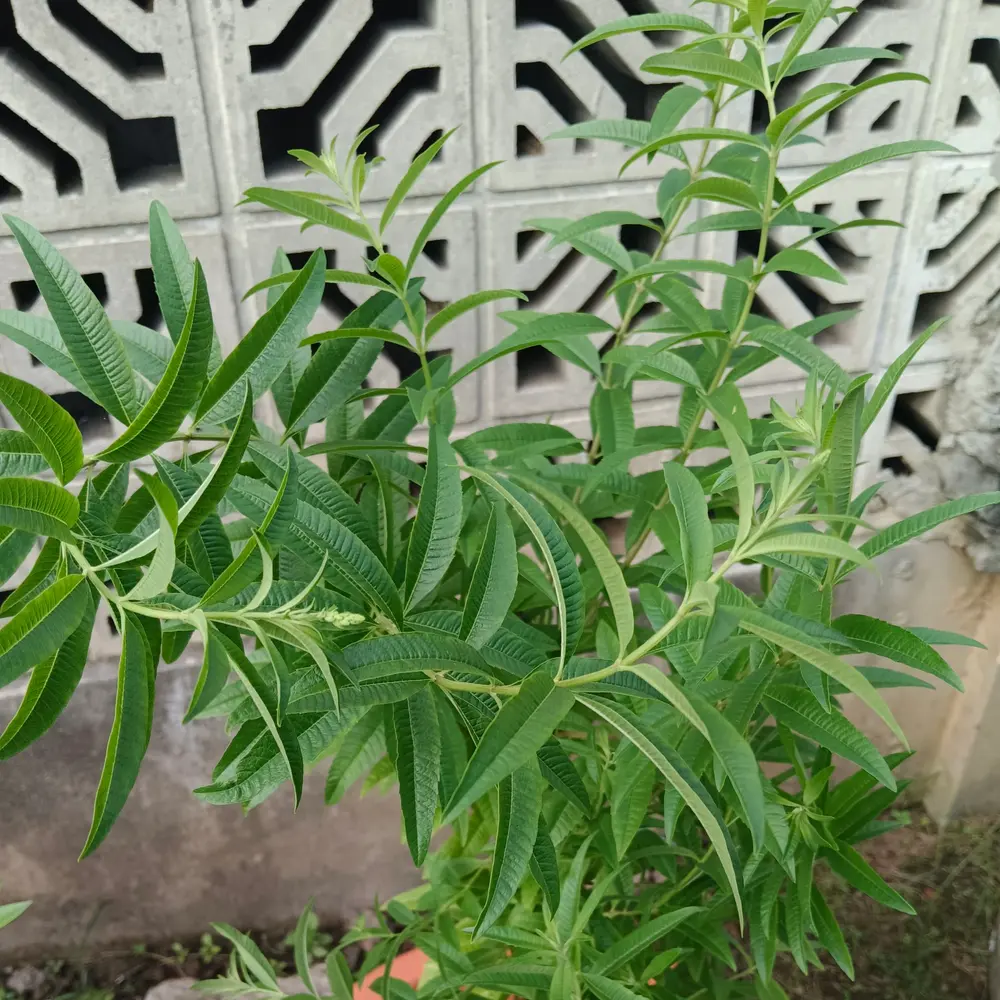
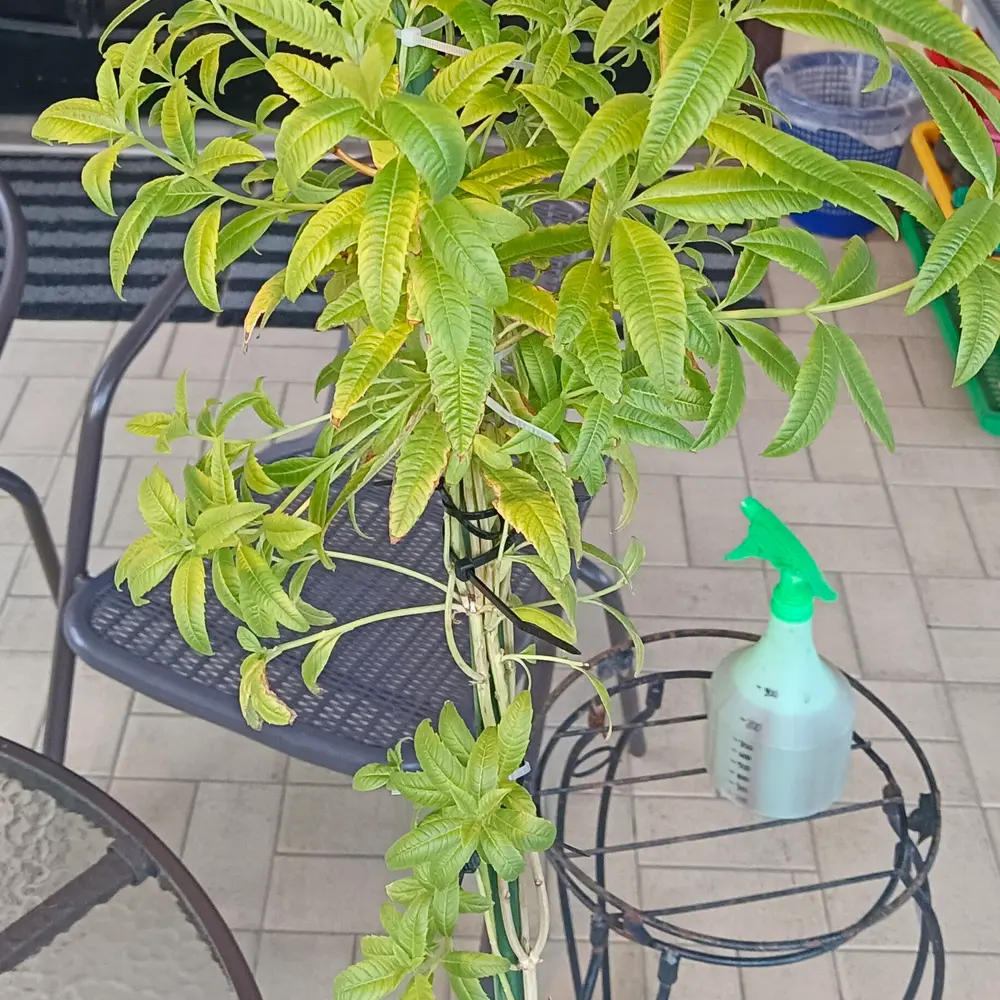
Ultimate Guide to Aloysia ovatifolia 🍋
Aloysia ovatifolia
By the Greg Editorial Team
Feb 27, 2025•11 min read
This article was created with the help of AI so we can cover more plants for you. May contain errors. See one? Report it here.
Elevate your garden with Aloysia ovatifolia, a fragrant plant that attracts pollinators and enhances your space! 🌿
- 🌞 Aloysia ovatifolia thrives in full sun and grows 3-5 feet tall.
- 🌱 Plant in well-draining soil with pH 6.0-7.5 for optimal growth.
- 🌿 Prune in late winter for better health and shape of the plant.
How to Grow
Choosing a Location 🌍
Aloysia ovatifolia thrives in full sun to partial shade, making it versatile for various garden settings. Ensure you allow enough space for the plant to reach its mature height of 3-5 feet.
Soil Preparation 🏞️
For optimal growth, aim for well-draining, fertile soil. The ideal pH level ranges from 6.0 to 7.5, which supports healthy development.
Planting Techniques 🌱
When planting, space your Aloysia ovatifolia 2-3 feet apart to promote good air circulation. It's crucial to plant at a depth where the root ball is level with the soil surface to encourage robust growth.
Watering Requirements 💧
Water your plant when the top inch of soil feels dry to the touch. Deep watering is essential as it encourages the roots to grow deeper, enhancing stability.
Fertilizing Schedule 🌿
Use a balanced NPK fertilizer to nourish your plant. Fertilize every 4-6 weeks during the growing season for the best results.
Pruning Practices ✂️
Late winter or early spring is the best time to prune your Aloysia ovatifolia. Focus on removing dead or damaged stems and shaping the plant for a healthier appearance.
Ongoing Care 🔍
Regularly monitor your plant for signs of stress or disease to catch issues early. Adjust your care routine based on seasonal changes to keep your Aloysia thriving.
With these guidelines, you'll be well on your way to cultivating a healthy and vibrant Aloysia ovatifolia. Next, let’s explore how to propagate this wonderful plant for even more growth opportunities!
Propagation
🌱 Methods of Propagation
Aloysia ovatifolia can be propagated through seeds or cuttings. Both methods are effective, but they require different approaches.
📋 Step-by-Step Instructions for Each Method
Seeds:
- Sow seeds about 1/4 inch deep in well-draining soil.
- Keep the soil consistently moist until germination occurs, which typically takes 7-14 days.
Cuttings:
- Choose healthy stems that are 4-6 inches long.
- Place the cuttings in water or a suitable rooting medium and wait for roots to develop, usually within 2-4 weeks.
🌟 Best Practices for Successful Propagation
To ensure successful propagation, always use sterile tools to prevent disease. Additionally, maintaining humidity around cuttings can significantly encourage rooting and improve your success rate.
With these propagation techniques, you can easily expand your Aloysia ovatifolia collection or share it with friends. Next, let’s explore the size of this versatile plant and how it can fit into your garden.
Size
Mature Height and Spread 🌱
Aloysia ovatifolia typically reaches a height of 3 to 5 feet, making it a manageable addition to your garden. Its spread ranges from 2 to 4 feet wide, allowing for a lush, bushy appearance without overwhelming your space.
Growth Rate and Factors Affecting Size 📈
This plant has a moderate growth rate, which can be influenced by several factors. Sunlight exposure and water availability play crucial roles, while soil quality and watering frequency also significantly impact its overall size.
Size Variability Based on Growing Conditions 🌍
Growing conditions can lead to noticeable size differences. For instance, plants in containers often remain smaller than those planted directly in the ground.
More sunlight and consistent watering can encourage larger growth, so keep these factors in mind when planning your garden layout. Understanding these dynamics will help you cultivate a thriving Aloysia ovatifolia that fits perfectly into your landscape.
Roots
Characteristics of the Root System 🌱
Aloysia ovatifolia features a fibrous root system that is typically shallow, allowing it to spread outwards. This structure helps the plant efficiently absorb nutrients and water from the top layers of soil.
Common Root-Related Issues ⚠️
Root rot is a significant concern, often caused by overwatering and poor drainage. Additionally, plants in containers can become rootbound when their roots fill the pot, leading to stunted growth.
Visual Cues for Healthy vs. Unhealthy Roots 👀
Healthy roots are firm, white, and spread out evenly within the soil. In contrast, unhealthy roots appear dark, mushy, or tightly bound, indicating potential problems.
Tips for Managing Root Problems 🛠️
To recognize rootbound plants, look for roots growing out of drainage holes. Solutions include repotting into a larger container or amending the soil to improve drainage and aeration.
Understanding the root system of Aloysia ovatifolia is crucial for its overall health. By addressing root-related issues promptly, you can ensure your plant thrives and continues to bring beauty to your garden.
Next, let’s explore the numerous benefits of growing this delightful plant.
Benefits
Top 5 Benefits of Growing Aloysia ovatifolia 🌿
Aloysia ovatifolia, commonly known as lemon verbena, offers a range of benefits that make it a fantastic addition to any garden.
1. Aromatic Leaves
The leaves of Aloysia ovatifolia are not just fragrant; they are perfect for culinary uses and herbal teas. Their refreshing lemon scent can elevate your cooking and provide a delightful aroma in your home.
2. Pollinator Attraction
This plant produces small white flowers that are a magnet for bees and butterflies. By growing Aloysia ovatifolia, you contribute to the health of local pollinator populations, which is essential for biodiversity.
3. Air Purification
Aloysia ovatifolia helps improve indoor air quality. Its leaves can absorb toxins and release oxygen, creating a fresher environment in your living space.
4. Erosion Control
Planting Aloysia ovatifolia can help stabilize soil in garden beds. Its root system aids in preventing erosion, making it a practical choice for gardeners concerned about soil health.
5. Aesthetic Appeal
With its lush greenery and unique texture, Aloysia ovatifolia adds visual interest to any garden. It can serve as a beautiful backdrop or a focal point, enhancing the overall landscape.
Incorporating Aloysia ovatifolia into your garden not only enriches your space but also supports the environment. Next, let’s explore how to effectively propagate this versatile plant for even more benefits.
Companion Plants
🌱 Explanation of Companion Planting and Its Benefits
Companion planting is a gardening strategy that enhances diversity and pest management. By pairing plants that support each other's growth, you can create a healthier garden ecosystem.
🌼 List of Compatible Companion Plants
Here are some excellent companions for Aloysia ovatifolia:
- Basil: Shares similar care needs and helps repel pests.
- Marigolds: Known for deterring pests while attracting beneficial insects.
- Oregano: Thrives under similar sunlight and water conditions, making it a perfect match.
🚫 Plants to Avoid Planting Near
Be cautious with strongly aromatic herbs. They may compete for nutrients and space, potentially hindering the growth of Aloysia ovatifolia.
Companion planting not only boosts your garden's health but also adds visual appeal and diversity. By choosing the right partners, you can cultivate a thriving environment for your plants. Next, let's explore the benefits of growing Aloysia ovatifolia and how it can enhance your garden.
Toxicity to Humans
Safety of Aloysia ovatifolia for Humans 🌿
Aloysia ovatifolia, commonly known as the aromatic plant, is generally safe for humans. Major poison control centers do not list it as toxic, making it a great addition to your garden without the worry of harmful effects.
Potential Minor Issues from Contact or Ingestion ⚠️
While it's not toxic, some individuals may experience mild skin irritation or digestive discomfort if they consume large quantities. It's always wise to enjoy this plant in moderation, just to be safe.
Recommendations for Caution 🛑
As with any plant, it's essential to exercise caution. If you notice any unusual symptoms after contact or ingestion, seek medical advice promptly. Staying informed helps ensure a safe and enjoyable gardening experience.
This section wraps up our discussion on the safety of Aloysia ovatifolia for humans. Next, we’ll explore its effects on our furry friends, specifically dogs.
Toxicity to Dogs
Safety of Aloysia ovatifolia for Dogs 🐶
Aloysia ovatifolia is considered safe for dogs. Major pet poison control centers do not list it as toxic, so you can breathe a sigh of relief if your furry friend sniffs around this plant.
Potential Minor Issues from Excessive Consumption 🤢
While it’s not toxic, consuming large quantities can lead to mild gastrointestinal upset. This means your dog might experience some discomfort, but it’s generally nothing serious.
Tips for Introducing the Plant to Homes with Dogs 🏡
To keep your Aloysia ovatifolia safe, place it out of reach of curious dogs. It’s also wise to monitor your pet’s behavior around the plant, watching for any unusual interest or nibbling.
With these precautions, you can enjoy the beauty of this plant without worrying about your four-legged companions. Next, let’s explore how Aloysia ovatifolia interacts with our feline friends.
Toxicity to Cats
Safety of Aloysia ovatifolia for Cats 🐱
Aloysia ovatifolia is considered safe for cats, as it is not listed as toxic by major pet poison control centers. This means you can enjoy this aromatic plant without worrying about your feline friends.
Potential Minor Issues from Excessive Consumption 🚫
While generally safe, consuming large quantities of the plant may lead to mild gastrointestinal upset in cats. It's always best to monitor their intake to avoid any discomfort.
Tips for Introducing the Plant to Homes with Cats 🏡
To keep your Aloysia ovatifolia safe from curious paws, ensure the plant is placed out of reach. Additionally, keep an eye on your cat's behavior to catch any signs of interest or nibbling early on.
With these precautions, you can enjoy the beauty and benefits of Aloysia ovatifolia while keeping your furry companions safe. Next, let’s explore how to manage common problems that may arise when growing this delightful plant.
Problems
🌱 Common Problems Faced When Growing
Growing Aloysia ovatifolia can be rewarding, but it comes with its share of challenges. Understanding these common problems will help you maintain a healthy plant.
💧 Incorrect Watering
Watering issues are among the most frequent problems. Underwatering leads to wilting, while overwatering causes yellowing leaves.
☀️ Incorrect Light Conditions
Light conditions significantly impact plant health. Too much sun can scorch the leaves, while insufficient light results in leggy growth.
🌡️ Incorrect Temperature
Temperature fluctuations can stress your plant. Cold stress often leads to stunted growth, so keep an eye on the climate.
🦠 Diseases
Fungal diseases like powdery mildew and rust can affect Aloysia ovatifolia. Regular monitoring is essential to catch these issues early.
🌿 Root Problems
Root health is crucial for overall plant vitality. Poor drainage can cause root rot, leading to squishy roots that signal trouble.
By being aware of these common problems, you can take proactive steps to ensure your Aloysia ovatifolia thrives. Next, let’s explore the potential pest issues that may arise in your garden.
Bugs
🐜 Potential Pest Issues Specific to Aloysia ovatifolia
While Aloysia ovatifolia boasts moderate pest resistance, it can still attract a few unwelcome guests. Being aware of these pests is crucial for maintaining the health of your plant.
🔍 Identification and Damage Caused by Pests
- Spider Mites: Look for fine webbing and stippled leaves, which indicate these tiny pests are at work.
- Scale Insects: These pests leave a sticky residue and cause yellowing leaves, signaling their presence.
- Mealybugs: Identified by cotton-like masses on stems and leaves, mealybugs can weaken your plant significantly.
🛠️ Effective Treatment Options for Pest Management
To combat these pests, consider using neem oil or insecticidal soap, particularly effective against soft-bodied insects.
Regular monitoring is key; catch infestations early to prevent them from spiraling out of control.
By staying vigilant and proactive, you can keep your Aloysia ovatifolia thriving and pest-free.
What Eats
🦌 Common Animals That May Damage the Plant
Aloysia ovatifolia can attract a few hungry visitors.
- Deer: Look for signs like chewed leaves and broken stems, indicating they’ve taken a liking to your plant.
- Rabbits: These little nibblers often leave evidence of their feasting on the lower leaves.
- Squirrels: You might notice them digging around the base, searching for tasty roots or bulbs.
👀 Signs of Animal Presence and Damage
Keep an eye out for specific signs that animals have been around.
Chewed foliage is a clear indicator, along with disturbed soil that suggests digging activity.
🚫 Methods for Deterring or Managing Animal Interactions
Preventing animal damage is crucial for maintaining a healthy Aloysia ovatifolia.
- Fencing: Installing physical barriers can effectively keep larger animals like deer out of your garden.
- Repellents: Consider using commercial or homemade solutions to deter herbivores. Sprays with strong scents can be particularly effective.
By taking these steps, you can protect your plants and enjoy their beauty without the worry of unwanted munchers.
⚠️ Safety First
This content is for general information and may contain errors, omissions, or outdated details. It is not medical, veterinary advice, or an endorsement of therapeutic claims.
Always consult a qualified healthcare professional before using any plant as food, medicine, or supplement.
Never eat any plant (or feed one to pets) without confirming its identity with at least two trusted sources.
If you suspect poisoning, call Poison Control (800) 222-1222, the Pet Poison Helpline (800) 213-6680, or your local emergency service immediately.
Spotted an error? Please report it here.
Grow your lemon verbena like a pro 🌱 with Greg's custom care tips and watering reminders, ensuring your Aloysia ovatifolia flourishes beautifully in your garden!