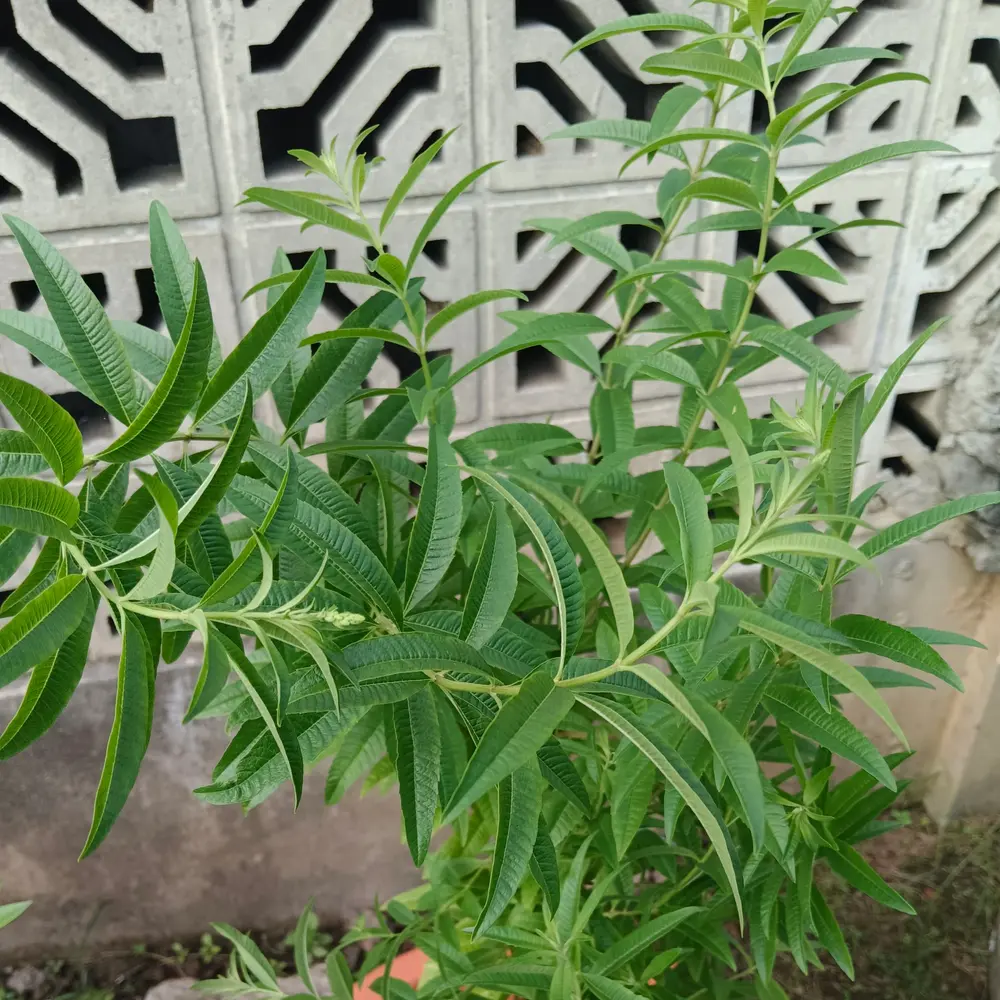
🌼 All About Aloysia nahuire: Essential Facts
Aloysia nahuire
By the Greg Editorial Team
Feb 27, 2025•14 min read
This article was created with the help of AI so we can cover more plants for you. May contain errors. See one? Report it here.
- 🌞 Aloysia nahuire thrives in full sun to partial shade, perfect for diverse gardens.
- 🌱 Requires well-draining, fertile soil with a pH of 6.0 to 7.0 for optimal growth.
- 🐾 Safe for pets and humans, making it an ideal garden choice!
How to Grow
🌞 Choosing a Location
Aloysia nahuire thrives in full sun to partial shade, making it versatile for various garden settings. This plant prefers warm climates, typical of South America, so ensure you select a location that mimics these conditions.
Consider whether you want to grow it outdoors or in containers. Container growing can be beneficial for mobility and space management, allowing you to control the environment more easily.
🌱 Soil Preparation
For optimal growth, Aloysia nahuire requires well-draining, fertile soil. Aim for a pH level between 6.0 and 7.0, which is ideal for nutrient absorption.
Enhancing your soil with organic matter, such as compost, can significantly boost fertility. This amendment not only improves soil structure but also provides essential nutrients.
🌿 Planting Techniques
When planting seeds or cuttings, aim for a depth of about 1/4 to 1/2 inch. This ensures they have enough soil coverage to germinate effectively.
Space your plants about 2 to 3 feet apart to allow for healthy growth. The best time to plant is in the spring, once the risk of frost has passed.
💧 Watering Requirements
Water Aloysia nahuire regularly, but adjust the frequency based on weather conditions. Typically, watering once a week is sufficient, but be attentive to the soil's moisture level.
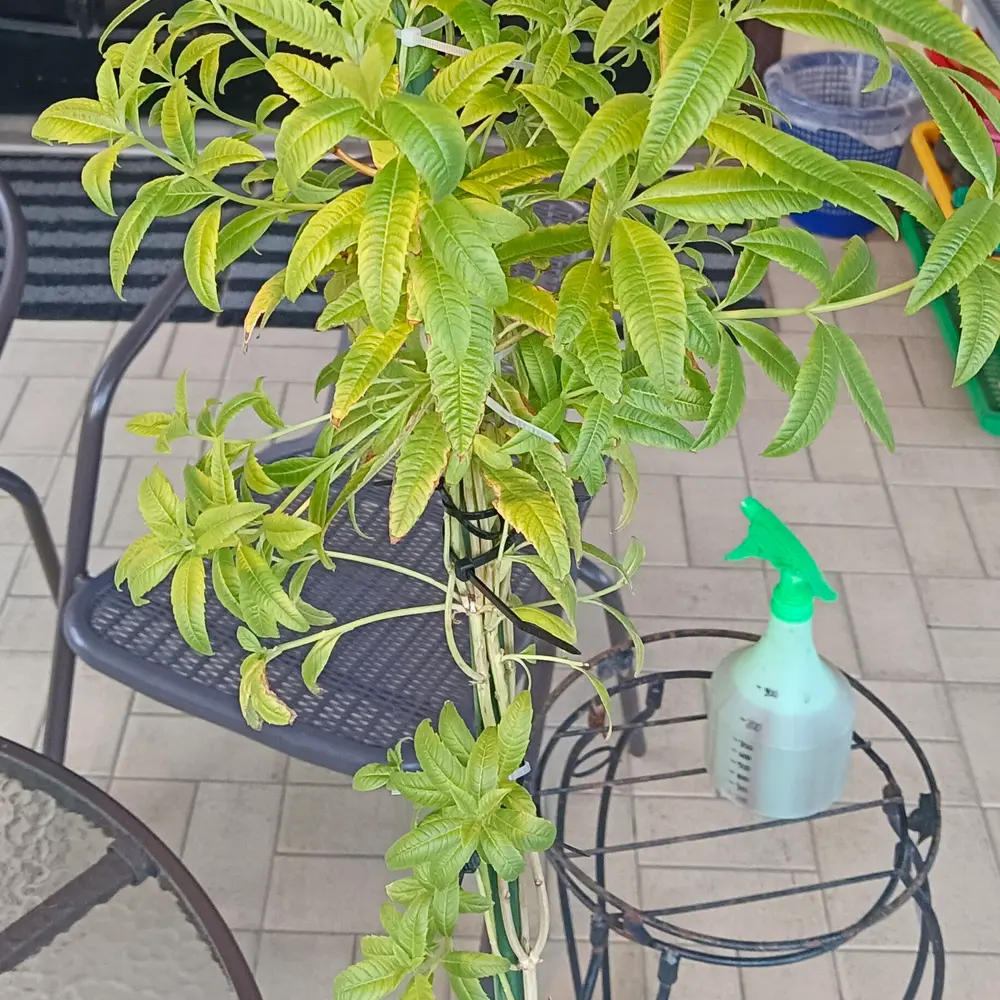
Watch for signs of overwatering, such as yellowing leaves, or underwatering, indicated by wilting. Techniques like deep watering can help ensure roots receive adequate moisture.
🌼 Fertilizing Schedule
Use a balanced fertilizer with an NPK ratio of 10-10-10 for best results. Apply it monthly during the growing season to support healthy growth.
Keep an eye out for signs of nutrient deficiency, such as stunted growth or yellowing leaves. Adjust your fertilization routine accordingly to keep your plant thriving.
✂️ Pruning Methods
Prune Aloysia nahuire in early spring to encourage bushier growth. This timing allows the plant to recover and flourish during the growing season.
Use sharp, clean tools to remove dead or damaged foliage. This not only improves the plant's appearance but also promotes overall health.
🔍 Ongoing Care
Regularly monitor growth conditions, including light, moisture, and temperature. Adjust your care routine seasonally to meet the plant's changing needs.
Implement pest and disease prevention strategies, such as crop rotation and companion planting. Staying proactive will help maintain a healthy garden environment.
With these tips, you'll be well on your way to successfully growing Aloysia nahuire. Next, let's explore how to propagate this delightful plant!
Propagation
🌱 Methods of Propagation
Aloysia nahuire can be propagated easily through seeds or cuttings, making it accessible for both novice and experienced gardeners.
Propagating from Seeds
- Gather Seeds: Collect seeds from mature plants during the late summer or early fall.
- Prepare Soil: Use a well-draining potting mix to ensure proper germination.
- Sow Seeds: Plant seeds about 1/4 inch deep in the soil.
- Water Gently: Moisten the soil without over-saturating it.
- Provide Warmth: Keep the seeds in a warm location, ideally between 70-75°F (21-24°C).
- Light Exposure: Once seedlings emerge, provide them with bright, indirect sunlight.
This method is straightforward and has a low difficulty level, making it perfect for beginners.
Propagating from Cuttings
- Select Healthy Stems: Choose a healthy stem from an existing plant, ideally in spring or early summer.
- Cut the Stem: Use clean, sharp scissors to take a cutting about 4-6 inches long, ensuring it has several leaves.
- Remove Lower Leaves: Trim the leaves from the bottom half of the cutting to prevent rot.
- Rooting Hormone: Dip the cut end in rooting hormone to encourage root development.
- Plant the Cutting: Insert the cutting into a pot filled with moist potting mix, burying it about 2 inches deep.
- Water and Cover: Water the cutting lightly and cover it with a plastic bag or a clear container to maintain humidity.
- Light and Temperature: Place in a warm area with indirect sunlight, and check for moisture regularly.
This method has a moderate difficulty level but can yield excellent results with proper care.
Both propagation methods allow you to expand your Aloysia nahuire collection, ensuring you enjoy its aromatic benefits in your garden. As you embark on this journey, remember to monitor your new plants closely and adjust their care as needed.
Next, let’s explore the lifecycle of Aloysia nahuire, from germination to maturity.
Lifecycle
🌱 Lifecycle Overview
Understanding the lifecycle of Aloysia nahuire is essential for successful cultivation. This plant goes through several distinct stages, each requiring specific care and conditions.
🌱 Germination
Germination typically occurs within 7 to 14 days under optimal conditions. Seeds need warmth and moisture to sprout, so keep them in a warm, humid environment for best results.
🌱 Seedling Stage
During the seedling stage, Aloysia nahuire requires consistent moisture and indirect sunlight. This phase lasts about 4 to 6 weeks, and it's crucial to avoid overwatering to prevent damping off.
🌱 Vegetative Growth
The vegetative growth phase is characterized by rapid leaf development and can last several months. During this time, ensure the plant receives plenty of light and nutrients to support its growth.
🌼 Flowering
Aloysia nahuire typically begins to flower in late summer to early fall. The blooming period is influenced by light exposure and temperature, so maintaining ideal conditions is key to encouraging flowers.
🌱 Seed Production
After flowering, the plant produces seeds, usually within a few weeks. This is the time to collect seeds for propagation, ensuring you have new plants for future growth.
⏳ Overall Lifespan
Aloysia nahuire can live for several years with proper care. Its lifespan is influenced by environmental factors and maintenance practices.
🌱 Time to Reach Maturity
This plant usually reaches maturity in about 1 to 2 years. At this stage, it will exhibit its full size and flowering potential.
📈 Growth Rate
The growth rate of Aloysia nahuire varies based on conditions, but it generally grows quickly during the warm months. Providing adequate light, water, and nutrients can significantly enhance its development.
With a solid understanding of its lifecycle, you can ensure your Aloysia nahuire thrives. Next, let’s explore the growth characteristics that define this remarkable plant.
Size
🌱 Growth Characteristics
Aloysia nahuire typically reaches a mature height of 3 to 4 feet, making it a manageable addition to any garden. Its spread at maturity can vary, but it generally maintains a compact form that fits well in various landscapes.
The growth rate of Aloysia nahuire is quite impressive, especially under optimal conditions. With the right care, you can expect noticeable growth throughout the growing season.
Factors Affecting Size
Several factors influence the size of Aloysia nahuire.
- Light: Adequate sunlight is crucial; too little can stunt growth.
- Water: Consistent watering practices help maintain healthy development.
- Soil Conditions: Well-draining, fertile soil promotes robust growth.
Understanding these elements will help you cultivate a thriving Aloysia nahuire that enhances your garden's beauty. With the right attention, this plant can flourish and become a standout feature in your outdoor space.
As we move forward, let's explore the fascinating root system characteristics of Aloysia nahuire.
Roots
🌱 Root System Characteristics
Aloysia nahuire features a fibrous root system that allows it to efficiently absorb nutrients and water. This type of root structure is crucial for stability and growth, especially in varying soil conditions.
📏 Depth and Spread
Typically, the roots of Aloysia nahuire grow to a moderate depth while spreading laterally. This growth pattern helps the plant establish a robust foundation, making it resilient against environmental stresses.
⚠️ Signs of Root Problems
Watch for signs of root issues, such as root rot or squishy roots. These symptoms often indicate overwatering or poor drainage, which can severely impact plant health.
👀 Visual Cues for Healthy Roots
Healthy roots should appear firm and have a light color. A vibrant root system is essential for the overall vitality of Aloysia nahuire.
🔄 Definition of Rootbound
Rootbound refers to a condition where roots grow in circles within a pot, restricting their growth. This situation can lead to stunted growth and nutrient deficiencies.
🚪 Signs of Rootbound Conditions
If you notice growth stunting or roots emerging from the pot's drainage holes, your plant may be rootbound. It's essential to address this issue promptly to ensure continued health.
🛠️ Solutions
Repotting is the best solution for rootbound conditions. Choose a pot that is one size larger and refresh the soil to provide your plant with the space and nutrients it needs to thrive.
In summary, understanding the root system of Aloysia nahuire is vital for its care. By monitoring root health and addressing any issues, you can ensure your plant remains vibrant and productive. Next, let's explore the benefits of growing this aromatic plant.
Benefits
Top 5 Benefits 🌟
Aloysia nahuire, commonly known for its aromatic leaves, is a fantastic addition to any garden. These fragrant leaves are not only delightful to the senses but also versatile for culinary uses, enhancing dishes with their unique flavor.
Beyond their culinary appeal, these leaves may offer potential medicinal properties. Many cultures have utilized Aloysia nahuire for its therapeutic benefits, making it a valuable plant in herbal traditions.
Attracts Beneficial Insects 🐝
Another great advantage of growing Aloysia nahuire is its ability to attract beneficial insects. Pollinators like bees and butterflies are drawn to its fragrant foliage, promoting a healthy ecosystem in your garden.
Enhances Garden Aesthetics 🌼
The plant also enhances garden aesthetics with its lush, fragrant foliage. Its presence can transform an ordinary garden into a sensory haven, providing both beauty and aroma.
Cultural Significance 🌍
Lastly, Aloysia nahuire holds cultural significance in various herbal traditions. Its historical uses and ongoing popularity highlight its importance in both culinary and medicinal contexts.
Incorporating Aloysia nahuire into your garden not only enriches your culinary experiences but also supports biodiversity and cultural practices. Next, let’s explore the best companion plants that thrive alongside this aromatic gem.
Companion Plants
Companion Planting 🌱
Companion planting is a fantastic strategy for enhancing your garden's health and diversity. By pairing plants that support each other, you can improve pest management and create a more vibrant ecosystem.
Benefits of Companion Planting 🌼
- Pest Management: Certain plants can repel pests or attract beneficial insects, reducing the need for chemical interventions.
- Garden Diversity: Mixing different species can lead to a more resilient garden, as diverse plants can better withstand diseases and pests.
Compatible Plants 🌿
When growing Aloysia nahuire, consider these compatible companions:
- Basil: Shares similar sunlight and watering needs, enhancing flavor and aroma.
- Marigolds: Known for deterring pests, they also add a splash of color to your garden.
- Tomatoes: Thrive in similar conditions and can benefit from the aromatic properties of Aloysia nahuire.
Plants to Avoid 🚫
While many plants can thrive alongside Aloysia nahuire, some should be kept at a distance:
- Cabbage Family: These plants can attract pests that may also target Aloysia nahuire.
- Fennel: It can inhibit the growth of nearby plants, competing for nutrients and space.
By carefully selecting companion plants, you can create a flourishing garden that not only looks great but also thrives in harmony. This thoughtful approach to planting will set the stage for a healthy growing environment.
Next, let's explore the fascinating world of toxicity and safety regarding Aloysia nahuire.
Toxicity to Humans
🛡️ Safety Overview
Aloysia nahuire is not listed as toxic by major health organizations, making it a safe choice for gardens and homes. This means you can enjoy its aromatic leaves without worrying about harmful effects on humans.
While the risks are minimal, it's always wise to monitor for any unusual symptoms after contact. If you notice anything concerning, don't hesitate to seek medical advice.
In summary, Aloysia nahuire offers a delightful addition to your space with little to no safety concerns. Its benefits far outweigh any potential risks, allowing you to cultivate this plant with confidence.
Next, let’s explore how Aloysia nahuire interacts with our furry friends, particularly dogs.
Toxicity to Dogs
Safety Overview 🐶
Aloysia nahuire is not listed as toxic by major pet poison control centers, making it a safe choice for dog owners. This plant poses a low risk of health issues for your furry friends.
Proper Placement 🏡
To ensure safety, it's best to place Aloysia nahuire out of reach of curious dogs. This simple step can prevent any potential nibbling or digging.
Monitoring Behavior 👀
Always keep an eye on your dog's interactions with the plant. Observing their behavior can help you catch any unusual reactions early on.
In summary, Aloysia nahuire is a dog-friendly plant that can enhance your garden without worrying about toxicity. Next, let’s explore how this plant interacts with our feline companions.
Toxicity to Cats
Safety Overview 🐾
Aloysia nahuire is not listed as toxic by major pet poison control centers. This means that if your feline friend takes a curious nibble, the risks are minimal.
General Safety Around Cats 🐱
While the plant poses low risks, it's always wise to keep it out of reach. Cats are naturally curious, and ensuring they can't access the plant helps prevent any potential mishaps.
Proper Placement 🏡
Positioning Aloysia nahuire in a spot that’s hard for cats to reach is a smart move. High shelves or hanging planters can be great options to keep your plant safe.
Monitoring Behavior 👀
Keep an eye on your cat's interactions with the plant. If you notice any unusual behavior, it’s best to consult a veterinarian for peace of mind.
In summary, Aloysia nahuire is a safe choice for cat owners. With a little precaution, you can enjoy this aromatic plant without worry.
Problems
Common Problems 🌱
Growing Aloysia nahuire can be rewarding, but it’s not without its challenges. Understanding common problems can help you maintain a healthy plant.
Incorrect Watering 🚰
Watering is crucial for plant health. Signs of overwatering include yellowing leaves and root rot, while underwatering may cause wilting and dry, crispy leaves.
Incorrect Light Conditions 💡
Light conditions significantly impact growth. If your plant shows leggy growth or pale leaves, it might not be getting enough light.
Incorrect Temperature 🌡️
Temperature extremes can stress your plant. Aloysia nahuire thrives in warm conditions, so cold drafts or excessive heat can lead to stunted growth or leaf drop.
Diseases 🦠
Fungal diseases, like powdery mildew, can affect Aloysia nahuire. Look for white, powdery spots on leaves as a telltale sign that your plant needs immediate attention.
Leaf Issues 🍃
Leaf problems can indicate underlying issues. Scorching often results from too much direct sunlight, while yellowing leaves may suggest nutrient deficiencies or poor watering practices.
By keeping an eye on these common problems, you can ensure your Aloysia nahuire remains vibrant and healthy. Next, let’s explore the pests that might disrupt your plant’s growth.
Bugs
🐛 Pest Issues
Aloysia nahuire is generally resilient to pests, making it a robust choice for gardeners. However, like any plant, it can still attract some unwelcome visitors.
Common Pests
- Spider Mites: Tiny, spider-like creatures that can cause significant damage by sucking sap from leaves.
- Aphids: Small, soft-bodied insects that cluster on new growth, leading to distorted leaves and stunted growth.
- Whiteflies: These pests can weaken plants by feeding on their sap and may also transmit diseases.
Damage Description
Each pest affects Aloysia nahuire differently. Spider mites create fine webbing and cause leaves to yellow, while aphids lead to curling and wilting. Whiteflies can cause a sticky residue on leaves, attracting further pests and promoting fungal growth.
Effective Treatment Methods
To manage these pests, consider both organic and chemical solutions.
- Organic Options: Introduce beneficial insects like ladybugs or use insecticidal soap to control aphids and spider mites. Neem oil is another effective treatment that disrupts pest life cycles.
- Chemical Solutions: For severe infestations, insecticides may be necessary. Always follow label instructions and consider the impact on beneficial insects.
By staying vigilant and employing these strategies, you can keep your Aloysia nahuire thriving and pest-free. Next, let’s explore what animals might be interested in munching on this aromatic plant.
What Eats Aloysia nahuire
🦌 Animal Interactions
Aloysia nahuire can attract a variety of animals that may munch on its leaves. Common culprits include deer, rabbits, and squirrels, all of which can cause significant damage if left unchecked.
🔍 Identifying Signs
To determine if animals are feasting on your Aloysia nahuire, look for specific signs. Tracks, droppings, and noticeable damage patterns on the leaves can indicate which critters are visiting your garden.
🚫 Deterrent Methods
Preventing animal interactions is key to maintaining a healthy plant. Here are some effective deterrent methods:
- Chemical Solutions: Use commercial repellents designed to deter animals from nibbling on plants.
- Organic Control: Consider natural deterrents like garlic spray or cayenne pepper, which can effectively keep pests at bay.
- Physical Barriers: Fencing or netting can provide a protective barrier against larger animals.
By employing these strategies, you can safeguard your Aloysia nahuire and enjoy its aromatic benefits without the worry of unwanted visitors.
⚠️ Safety First
This content is for general information and may contain errors, omissions, or outdated details. It is not medical, veterinary advice, or an endorsement of therapeutic claims.
Always consult a qualified healthcare professional before using any plant as food, medicine, or supplement.
Never eat any plant (or feed one to pets) without confirming its identity with at least two trusted sources.
If you suspect poisoning, call Poison Control (800) 222-1222, the Pet Poison Helpline (800) 213-6680, or your local emergency service immediately.
Spotted an error? Please report it here.
Cultivate a thriving garden 🌼 with Aloysia nahuire by using Greg's tailored care reminders and expert tips to ensure your plants flourish in their ideal conditions!