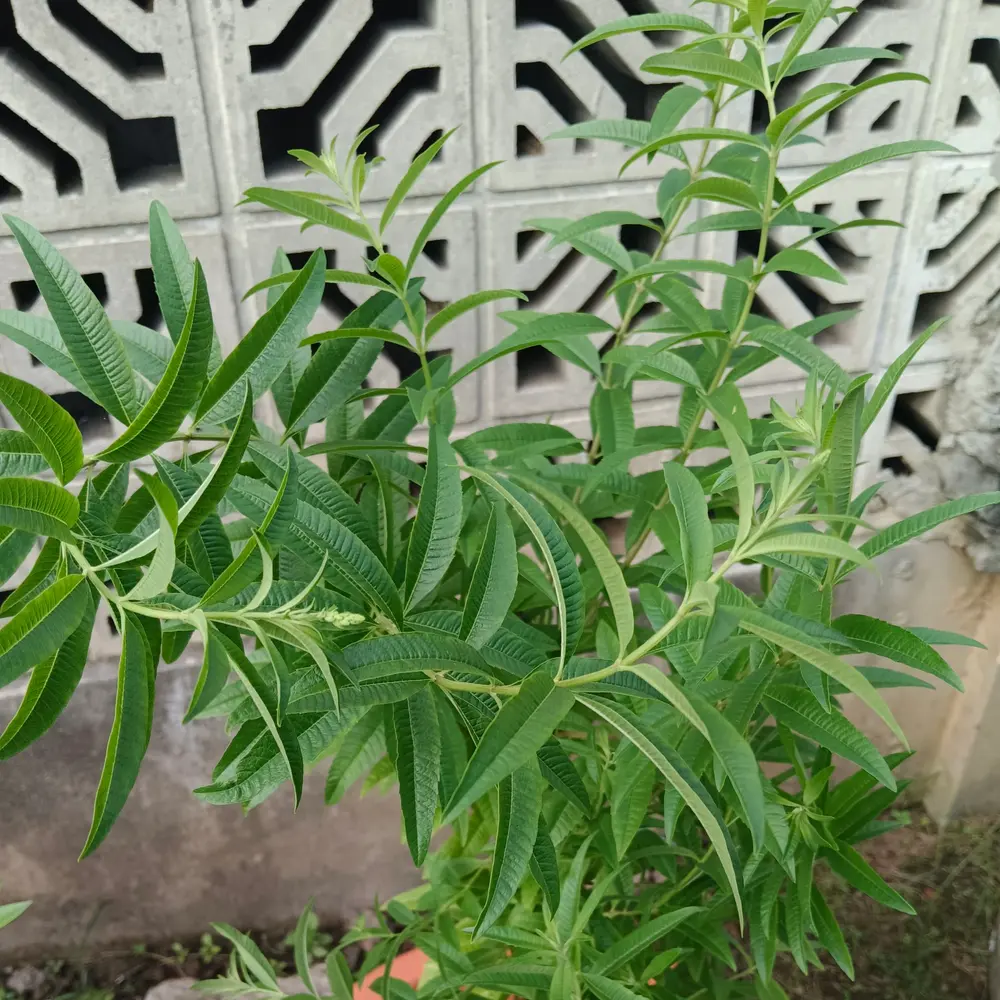
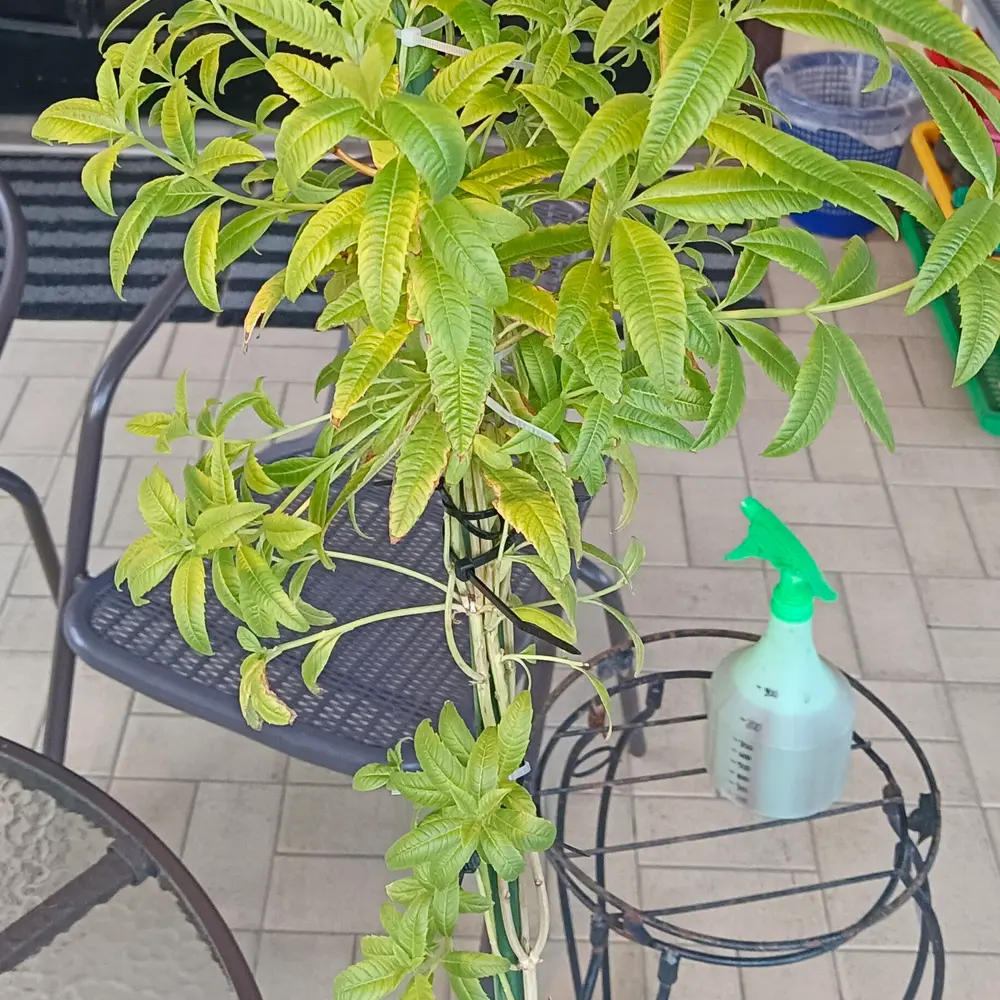
Ultimate Guide to Aloysia herrerae 🍋
Aloysia herrerae
By the Greg Editorial Team
Feb 27, 2025•11 min read
This article was created with the help of AI so we can cover more plants for you. May contain errors. See one? Report it here.
Elevate your garden with Aloysia herrerae, a fragrant plant that attracts pollinators and purifies the air! 🌱✨
- 🌞 Aloysia herrerae needs 6-8 hours of sunlight for optimal growth.
- 🌱 Well-draining, fertile soil with pH 6.0-7.5 is essential for thriving plants.
- 🐾 Safe for pets, but large quantities may cause mild gastrointestinal upset.
How to Grow
Choosing a Location 🌞
Aloysia herrerae thrives best in full sun to partial shade, requiring about 6-8 hours of sunlight daily. It prefers warm climates, ideally between 20°C to 30°C (68°F to 86°F), so choose a spot that meets these conditions for optimal growth.
Soil Preparation 🌱
For soil preparation, aim for a well-draining, fertile loam that supports healthy root development. The ideal soil pH ranges from 6.0 to 7.5, and ensuring proper drainage is crucial to prevent root rot.
Planting Techniques 🌿
When planting, space your Aloysia herrerae 18-24 inches apart to allow for optimal growth. Make sure to plant at the same depth as it was in the nursery container to promote stability and health.
Watering Requirements 💧
Regular watering is essential to keep the soil consistently moist but not soggy. Using drip irrigation or watering at the base of the plant helps avoid wetting the foliage, which can lead to disease.
Fertilizing Schedule 🌼
A balanced NPK fertilizer (10-10-10) is recommended for Aloysia herrerae. Fertilize every 4-6 weeks during the growing season to provide the nutrients necessary for vigorous growth.
Pruning Practices ✂️
Prune your plants in early spring, just before new growth begins. Focus on removing dead or damaged stems and shaping the plant to encourage a healthy structure.
Ongoing Care 🔍
Regularly monitor your plants for signs of stress or disease to catch any issues early. Adjust your care routine seasonally, such as reducing watering during the winter months when growth slows down.
With these guidelines, you'll set your Aloysia herrerae up for success, ensuring a thriving and vibrant addition to your garden. Next, let's explore how to propagate this wonderful plant!
Propagation
🌱 Methods of Propagation
Aloysia herrerae can be propagated through two primary methods: seeds and cuttings. Both methods are effective, but they cater to different preferences and skill levels.
📋 Step-by-Step Instructions for Each Method
Seeds (difficulty: easy)
- Sow seeds 1/4 inch deep in seed-starting mix.
- Keep the soil moist until germination, which typically takes 7-14 days.
Cuttings (difficulty: moderate)
- Take 4-6 inch cuttings from healthy plants and dip the cut ends in rooting hormone.
- Place the cuttings in a well-draining medium and maintain humidity until roots develop, usually within 2-3 weeks.
🌟 Best Practices for Successful Propagation
To ensure successful propagation, always use sterile tools to prevent disease. Additionally, providing warmth and humidity will create an ideal environment for rooting, giving your new plants the best chance to thrive.
With these propagation techniques, you can easily expand your Aloysia herrerae collection. Next, let’s explore the lifecycle of this fascinating plant and what to expect as it grows.
Lifecycle
Lifecycle Stages 🌱
Aloysia herrerae goes through several distinct stages in its lifecycle.
- Germination: This initial phase takes about 7-14 days from seed.
- Seedling Stage: After germination, expect 2-4 weeks until true leaves appear.
- Vegetative Growth: This stage lasts 4-8 weeks, characterized by rapid growth.
- Flowering: Flowering begins in late summer and can last several weeks.
- Seed Production: Following flowering, seed production occurs, typically in late summer to early fall.
Lifespan and Growth Timeline ⏳
This plant is a perennial, meaning it can live for 3-5 years with the right care.
Under ideal conditions, Aloysia herrerae can reach full maturity in approximately 3-4 months.
Its growth rate is moderate, averaging about 12-24 inches per year, depending on environmental factors.
Understanding these lifecycle stages helps you provide the best care for your plant, ensuring it thrives and flourishes.
Next, we’ll explore the size of Aloysia herrerae, including its mature height and spread.
Size
Mature Height and Spread 🌱
Aloysia herrerae typically reaches a mature height of 2 to 4 feet, making it a manageable size for various garden settings. Its spread ranges from 2 to 3 feet wide, allowing for ample space without overwhelming your garden.
Growth Rate and Factors Affecting Size 📈
This plant exhibits a moderate growth rate, which can be influenced by several factors. Key elements such as sunlight, water, and soil quality play a significant role in determining how quickly and robustly it grows.
Size Variability Based on Growing Conditions 🌤️
The growing conditions can lead to noticeable size variability. Plants receiving full sun often grow larger compared to those in partial shade, so consider your planting location carefully to maximize growth potential.
As you plan your garden, keep these size considerations in mind to ensure that Aloysia herrerae thrives beautifully in your space. Next, let’s explore the roots of this fascinating plant and how they contribute to its overall health and stability.
Roots
Description of Root System 🌱
Aloysia herrerae features a fibrous root system that typically extends 12-18 inches deep. These roots spread laterally, providing stability and support for the plant.
Common Root-Related Issues ⚠️
Root rot is a common problem caused by overwatering, leading to symptoms like wilting and yellowing leaves. Another issue is being rootbound, which occurs when the roots fill the container, resulting in stunted growth.
Visual Cues for Healthy vs. Unhealthy Roots 👀
Healthy roots are firm, white, and spread throughout the soil, indicating a thriving plant. In contrast, unhealthy roots appear brown, mushy, or may emit a foul smell, signaling potential problems.
Tips for Managing Root Health 🛠️
To maintain root health, regularly check for rootbound conditions and repot if necessary. Additionally, ensure proper drainage to prevent root rot, allowing your Aloysia herrerae to flourish.
With a solid understanding of root health, you're better equipped to nurture your plant effectively. Next, let’s explore the numerous benefits of growing Aloysia herrerae in your garden.
Benefits
List of 5 Benefits of Growing 🌱
Aromatic leaves: Aloysia herrerae is a delight for the senses, perfect for culinary uses and herbal teas. Its fragrant leaves can elevate your dishes and provide a refreshing brew.
Attracts pollinators: The small white flowers of this plant are a magnet for bees and butterflies. By growing it, you contribute to the health of local ecosystems.
Air purification: This plant helps improve indoor air quality. Its ability to filter pollutants makes it a great addition to your home.
Drought tolerance: Once established, Aloysia herrerae requires less water, making it a low-maintenance choice for gardeners. This resilience is especially beneficial in drier climates.
Versatile use: Whether in gardens or containers, this plant fits into various spaces. Its adaptability allows you to enjoy its benefits no matter your gardening style.
Cultural Significance and Symbolism 🌍
Aloysia herrerae holds a special place in herbal traditions, often associated with healing and wellness. Its presence in gardens can symbolize tranquility and a connection to nature, making it more than just a plant—it's a part of your lifestyle.
Incorporating this plant into your space not only enhances your environment but also enriches your life with its aromatic and ecological benefits. As you cultivate it, you're not just growing a plant; you're nurturing a piece of nature that gives back in so many ways.
Companion Plants
🌱 Explanation of Companion Planting and Its Benefits
Companion planting is a gardening technique that pairs plants together to enhance growth, improve pest management, and increase garden diversity. By strategically selecting compatible plants, you can create a thriving ecosystem that supports healthy growth and minimizes pest issues.
🌼 List of Compatible Companion Plants
Here are some excellent companions for Aloysia herrerae:
- Basil: This herb shares similar care needs and helps repel pests that might harm Aloysia.
- Marigolds: Known for their vibrant flowers, marigolds deter harmful insects and attract beneficial pollinators.
- Nasturtiums: These colorful plants provide ground cover and draw in pollinators, enhancing the overall health of your garden.
🚫 Plants to Avoid Planting Near
While companion planting can be beneficial, some plants may compete for nutrients. Avoid planting Aloysia herrerae near strongly aromatic herbs like mint, as they can overshadow your plant's growth and nutrient uptake.
By carefully selecting companion plants, you can create a flourishing garden that not only looks beautiful but also supports the health and vitality of your Aloysia herrerae. This thoughtful approach to planting will lead to a more resilient and productive garden overall.
Next, let’s explore the potential toxicity of Aloysia herrerae to humans, dogs, and cats.
Toxicity to Humans
Safety of Aloysia herrerae for Humans 🌿
Aloysia herrerae is generally safe for humans, as it is not listed as toxic by major poison control centers. However, it's wise to be cautious; consuming large quantities may lead to mild skin irritation or digestive discomfort.
Always exercise caution with any plant. If you experience unusual symptoms after contact or consumption, seek medical advice promptly.
Toxicity to Dogs
🐶 Safety of Aloysia herrerae for Dogs
Aloysia herrerae is generally safe for dogs, as it is not listed as toxic by major pet poison control centers. However, if your furry friend decides to munch on it, they may experience mild gastrointestinal upset if they consume large quantities.
🏡 Tips for Introducing to Homes with Dogs
To keep your dog safe, place Aloysia herrerae out of reach. It's also a good idea to monitor their behavior around the plant to ensure they don't develop a taste for it.
By taking these simple precautions, you can enjoy the beauty and benefits of this plant without worrying about your dog's health.
Toxicity to Cats
Safety of Aloysia herrerae for Cats 🐱
Aloysia herrerae is not listed as toxic by major pet poison control centers, making it a safe choice for cat owners. However, if consumed in large quantities, it may cause mild gastrointestinal upset.
Tips for Introducing to Homes with Cats 🏡
To ensure a harmonious environment, place Aloysia herrerae in areas that are inaccessible to your feline friends. It's also wise to monitor their behavior around the plant, just to be safe.
Observing Your Cat's Behavior 👀
Keep an eye on your cat's interactions with the plant. If you notice any unusual symptoms, consult a veterinarian for advice.
Conclusion
With proper precautions, Aloysia herrerae can be a delightful addition to your home without posing a risk to your cats. Now, let's explore how to manage common problems that may arise when growing this aromatic plant.
Problems
🌱 Common Problems Faced When Growing
Growing Aloysia herrerae can come with its share of challenges. Incorrect watering is a primary issue; overwatering leads to yellowing leaves, while underwatering causes wilting.
Light conditions also play a crucial role. If the plant is in too much shade, it may develop leggy growth, struggling to reach for the sun. Additionally, cold drafts can stunt growth, making temperature management essential.
🔍 Identification and Causes of Issues
Identifying problems early can save your plant. Fungal diseases like powdery mildew and root rot are common culprits that can affect overall health.
Leaf issues can signal distress as well. Scorching from excessive sun exposure or yellowing due to nutrient deficiency are signs that something is off.
🛠️ Solutions for Resolving Problems
To tackle these issues, start by adjusting your watering practices based on soil moisture. A simple finger test can help determine if the soil is too dry or too wet.
If light conditions are inadequate, move your plants to a brighter location. For diseases, consider treating them with organic fungicides or improving air circulation around the plant to promote health.
By staying vigilant and responsive to these common problems, you can ensure a thriving Aloysia herrerae that brings joy to your garden.
Bugs
Potential Pest Issues 🐜
Aloysia herrerae can attract a few pesky pests that may disrupt its growth. Keep an eye out for spider mites, which leave fine webbing and cause stippled leaves, scale insects that create sticky residue and yellowing foliage, and mealybugs, identifiable by their cotton-like masses on stems and leaves.
Identification and Damage Caused by Pests 🔍
Aphids are small green insects that can curl leaves, while whiteflies are tiny white insects hiding on the undersides of leaves. Both can cause significant damage if not addressed promptly.
Effective Treatment Options for Pest Management 🧴
To combat these pests, consider using neem oil or insecticidal soap, which are effective against soft-bodied insects. Regularly inspect your plants and remove any affected leaves to keep your Aloysia herrerae healthy and thriving.
With these pest management strategies, you can ensure your plant remains vibrant and free from unwanted visitors. Next, let’s explore what animals might be lurking around your garden, looking to snack on your beloved plants.
What Eats
🦌 Common Animals That May Damage
Aloysia herrerae can attract a variety of hungry critters. Deer are notorious for munching on the leaves, leaving behind chewed remnants and broken stems.
Rabbits also pose a threat, often nibbling on the lower leaves. Squirrels might dig around the base, disrupting the plant's roots.
🐾 Signs of Animal Presence and Damage
Keep an eye out for tracks or droppings near your plants; these are telltale signs of animal visitors. Missing foliage or damaged stems can indicate that your Aloysia is being feasted upon.
🚫 Methods for Deterring or Managing Animal Interactions
To protect your plants, consider installing fencing to keep larger animals at bay.
You can also use repellents, whether commercial or homemade, like garlic spray, to deter these hungry intruders.
⚠️ Safety First
This content is for general information and may contain errors, omissions, or outdated details. It is not medical, veterinary advice, or an endorsement of therapeutic claims.
Always consult a qualified healthcare professional before using any plant as food, medicine, or supplement.
Never eat any plant (or feed one to pets) without confirming its identity with at least two trusted sources.
If you suspect poisoning, call Poison Control (800) 222-1222, the Pet Poison Helpline (800) 213-6680, or your local emergency service immediately.
Spotted an error? Please report it here.
Grow your Aloysia herrerae like a pro 🌿 with Greg's tailored watering alerts and expert tips to keep it thriving and aromatic in your garden!