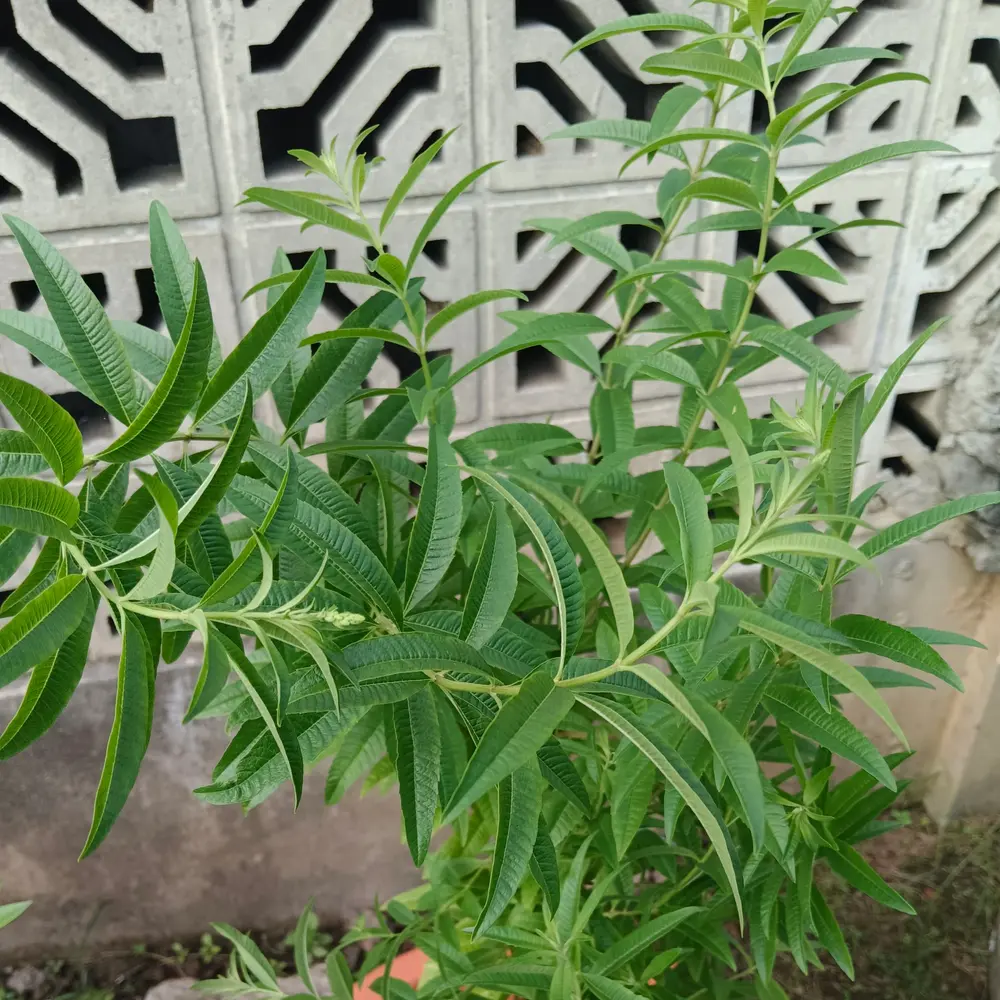
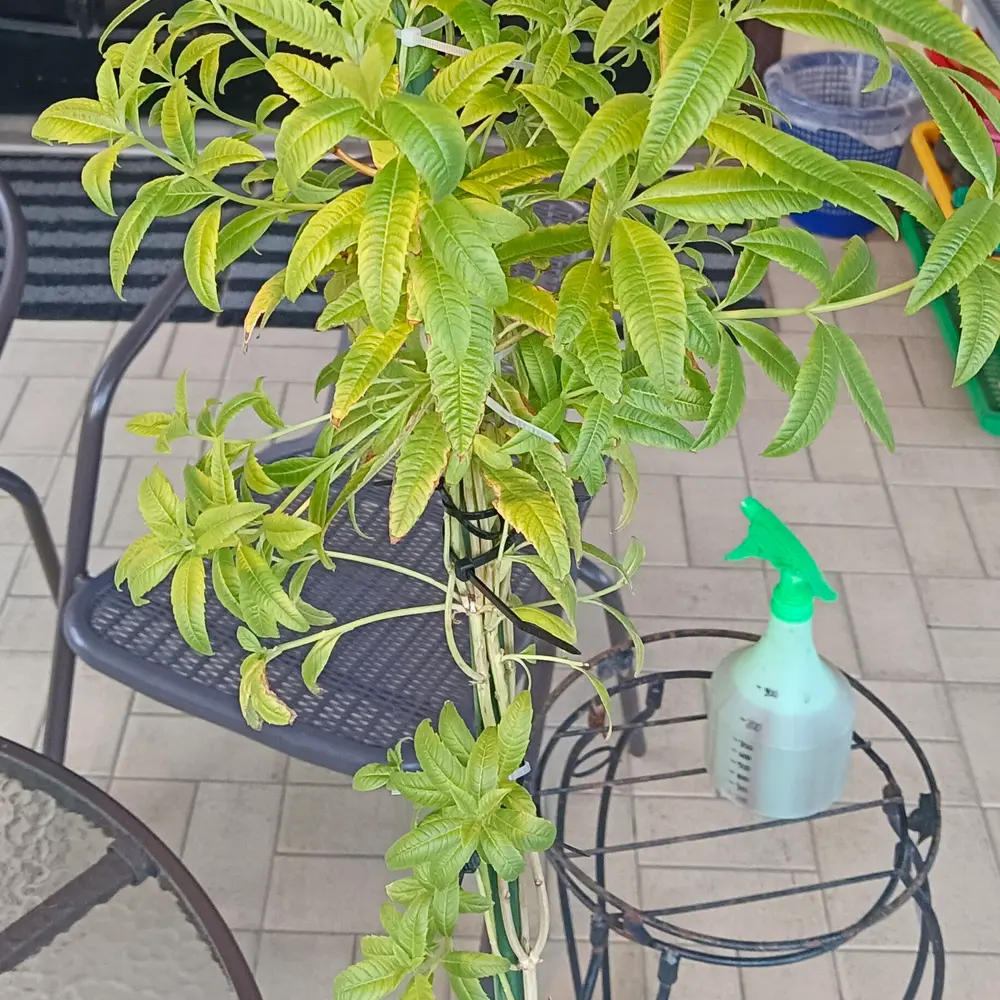
Aloysia gentryi Explained: Key Information
Aloysia gentryi
By the Greg Editorial Team
Feb 27, 2025•13 min read
This article was created with the help of AI so we can cover more plants for you. May contain errors. See one? Report it here.
Elevate your garden with Aloysia gentryi, a fragrant plant that attracts pollinators and enhances your culinary creations! 🌿
- 🌞 Aloysia gentryi needs 6-8 hours of sunlight daily for optimal growth.
- 🌱 Plant in well-draining loam soil with a pH of 6.0 to 7.5.
- 🌿 Prune in late winter to encourage bushiness and remove dead stems.
How to Grow
Choosing a Location 🌞
To thrive, Aloysia gentryi needs full sun exposure, ideally basking in 6-8 hours of sunlight daily. Whether you choose outdoor planting or container growing, ensure the location has well-drained soil to prevent root rot.
Soil Preparation 🏞️
For optimal growth, use a well-draining, fertile loam soil. Aim for a soil pH between 6.0 and 7.5, and enrich it with compost or organic matter before planting to boost nutrient content.
Planting Techniques 🌱
The best time to plant is in spring, after the last frost has passed. When planting outdoors, space your plants 2-3 feet apart, and if using containers, ensure a planting depth of 12-18 inches for healthy root development.
Watering Requirements 💧
After planting, give your Aloysia gentryi a deep watering to help establish roots. Moving forward, water when the top inch of soil feels dry, and watch for signs of overwatering, like yellowing leaves, or underwatering, which may cause wilting.
Fertilizing Schedule 🍽️
Feed your plant every 4-6 weeks during the growing season to keep it healthy and vibrant. A balanced NPK fertilizer works best to provide essential nutrients for growth.
Pruning Methods ✂️
Prune your Aloysia gentryi in late winter or early spring, just before new growth begins. Light pruning encourages bushiness and helps remove any dead stems, promoting a fuller appearance.
Ongoing Care Tips 👀
Keep an eye out for pests and diseases that may affect your plant. Adjust your care routine seasonally to ensure your Aloysia gentryi remains healthy and thriving throughout the year.
Outdoor vs. Container Growing 🏡
Growing Aloysia gentryi outdoors requires different care than container gardening. Container growing offers benefits like mobility and better control over soil conditions, making it easier to manage your plant's needs.
Propagation
🌱 Seed Propagation
To start with seed propagation, prepare your seeds by stratifying them. This process enhances germination, so plant them at a depth of about 1/4 inch and expect germination to take around 2-3 weeks.
✂️ Cutting Propagation
For cutting propagation, select healthy stems that are 4-6 inches long. Use a rooting medium made of equal parts peat moss and perlite, and you can anticipate rooting in about 2-4 weeks.
🌿 Division Propagation
Division propagation is best done in early spring or fall. Carefully separate the root clumps and replant them to encourage new growth and vitality.
With these propagation methods, you can easily expand your Aloysia gentryi collection and enjoy its many benefits. Next, let’s explore the lifecycle of this fascinating plant.
Lifecycle
Lifecycle Stages 🌱
Aloysia gentryi exhibits perennial growth habits, meaning it can live for several years under optimal conditions. Typically, you can expect a lifespan of about 3 to 5 years, making it a reliable addition to your garden.
Germination Process 🌱
For successful germination, aim for an optimal temperature of 70°F (21°C). Seeds generally take about 2 to 3 weeks to sprout, so patience is key during this phase.
Seedling Stage 🌱
Once germination occurs, the seedling stage lasts around 4 to 6 weeks until true leaves appear. During this time, ensure the seedlings receive adequate light and moisture to thrive.
Vegetative Growth 🌱
Aloysia gentryi experiences moderate growth, reaching maturity in 1 to 2 years. Providing ample light and nutrients during this phase is crucial for robust development.
Flowering and Seed Production 🌼
The flowering period typically occurs from late summer to early fall, attracting bees and butterflies for pollination. This not only enhances the beauty of your garden but also supports local ecosystems.
With a solid understanding of the lifecycle, you can better appreciate the growth journey of Aloysia gentryi and ensure its success in your garden. Next, let’s explore the plant's size and growth characteristics.
Size
Mature Height and Spread 🌱
Aloysia gentryi typically reaches a mature height of 3 to 5 feet, making it a versatile addition to various garden settings. Its spread ranges from 2 to 3 feet wide, allowing for ample space to flourish without overwhelming nearby plants.
Growth Rate and Size Variability 📈
The growth rate of Aloysia gentryi can vary significantly based on several factors. Key influences include soil quality, water availability, and sunlight exposure, all of which play a crucial role in determining how quickly this plant thrives.
Factors Affecting Size 📏
Container size can greatly impact the growth of Aloysia gentryi. A larger container allows for more extensive root development, while environmental factors like temperature and humidity also contribute to its overall size and health.
As you consider growing Aloysia gentryi, keep these size-related factors in mind. Understanding how they interact will help you create the ideal conditions for this aromatic plant to thrive.
Roots
🌱 Root System Characteristics
Aloysia gentryi features a fibrous root system that is both shallow and extensive. This structure allows the plant to efficiently absorb moisture and nutrients from the upper layers of the soil.
⚠️ Common Root-Related Issues
One of the most common problems is root rot, which can occur when the soil retains too much moisture. Symptoms include yellowing leaves and a foul odor from the roots, indicating the need for immediate action.
To identify healthy roots, look for firm, white or light tan roots. Unhealthy roots may appear brown, mushy, or have a foul smell, signaling that they need to be removed.
🌿 Recognizing Rootbound Plants
Rootbound plants exhibit stunted growth and may have roots emerging from the drainage holes of their containers. This is a clear sign that the plant needs more space to thrive.
To remedy this, consider repotting the plant into a larger container or performing root pruning. Both methods can help rejuvenate the plant and promote healthy growth.
With proper care and attention to the root system, Aloysia gentryi can flourish beautifully in your garden or home. Next, we will explore the various benefits this plant offers, from culinary uses to its role in attracting pollinators.
Benefits
Top 5 Benefits 🌿
Aloysia gentryi, commonly known for its aromatic leaves, is a fantastic addition to any garden. Here are the top five benefits of growing this versatile plant:
Aromatic Leaves for Culinary Use: The fragrant leaves can enhance a variety of dishes, making them a favorite among chefs and home cooks alike.
Attracts Beneficial Pollinators: This plant is a magnet for bees and butterflies, promoting a healthy ecosystem in your garden.
Potential Medicinal Properties: Traditionally, Aloysia gentryi has been used for its medicinal benefits, including soothing digestive issues and providing anti-inflammatory effects.
Enhances Garden Diversity: Adding this plant to your garden increases biodiversity, which can lead to a more resilient and thriving ecosystem.
Drought-Tolerant Once Established: Once rooted, it requires minimal water, making it an excellent choice for sustainable gardening.
Cultural Significance 🌍
Aloysia gentryi holds a rich history in traditional medicine. Various cultures have utilized its properties for healing, showcasing its importance beyond mere aesthetics.
In many societies, this plant symbolizes wellness and healing. Its presence in gardens not only beautifies the space but also connects us to a legacy of natural remedies and cultural practices.
With its numerous benefits and cultural significance, Aloysia gentryi is more than just a plant; it's a bridge between culinary delight and historical wisdom.
As we explore the next section, we'll delve into the fascinating world of companion planting and how Aloysia gentryi can thrive alongside other plants.
Companion Plants
🌱 Concept of Companion Planting
Companion planting is a gardening technique that pairs plants together for mutual benefits. This approach can enhance pest management, improve growth, and increase garden diversity.
🌼 Best Companion Plants
When considering companions for Aloysia gentryi, several plants stand out:
- Basil: This herb not only complements the flavor of Aloysia gentryi but also repels pests like aphids.
- Marigolds: Known for their vibrant blooms, marigolds deter nematodes and other harmful insects.
- Other Herbs: Plants like thyme and oregano thrive alongside Aloysia gentryi, sharing similar care needs and enhancing the garden's aromatic profile.
These companions work well together due to their similar light and water requirements, making them easy to care for in a shared space.
🚫 Plants to Avoid
While many plants can thrive alongside Aloysia gentryi, some should be avoided.
- Aggressive Growers: Plants like mint can quickly overtake the space, competing for nutrients and water.
- Heavy Feeders: Vegetables that require a lot of nutrients may deplete the soil, leaving Aloysia gentryi struggling.
Choosing the right companions can create a harmonious garden environment, ensuring all plants flourish together.
As you plan your garden, consider these companion planting strategies to maximize the health and productivity of your Aloysia gentryi. Next, let’s explore its propagation methods to expand your garden even further.
Toxicity to Humans
Safety Overview 🛡️
Aloysia gentryi is generally safe for humans, as it is not listed as toxic by major poison control centers. You can handle and even consume it in small amounts without worry.
Potential Reactions ⚠️
However, be mindful that excessive consumption may lead to mild skin irritation or digestive discomfort. It's always wise to exercise caution and consult a medical professional if you experience any unusual symptoms.
Handling Tips 👐
When introducing Aloysia gentryi into your home or garden, ensure you wash your hands after handling the plant. This simple step can help prevent any potential irritation.
Conclusion 📜
Overall, Aloysia gentryi is a safe addition to your culinary herbs, offering aromatic leaves without significant toxicity concerns. As with any plant, moderation is key, and staying informed will enhance your gardening experience.
Next, let’s explore how this plant interacts with our furry friends, particularly dogs.
Toxicity to Dogs
Safety Overview 🐶
Aloysia gentryi is not considered toxic by veterinary organizations, making it generally safe for homes with dogs. However, if your furry friend consumes large quantities, they may experience mild gastrointestinal upset.
Introducing Aloysia gentryi to Your Home 🏡
When bringing Aloysia gentryi into a dog-friendly environment, consider its placement. Keep the plant out of reach to prevent any nibbling, and monitor your dog's behavior around it.
Monitoring for Reactions 👀
While the plant is safe, always be vigilant for any unusual symptoms in your dog. If you notice signs of distress, consult your veterinarian for advice.
Conclusion 🎉
With proper care and attention, Aloysia gentryi can coexist harmoniously in homes with dogs. Enjoy the aromatic benefits of this plant while ensuring your pet's safety.
Next, let’s explore how Aloysia gentryi interacts with cats and their safety around this delightful herb.
Toxicity to Cats
🛡️ Safety Overview
Aloysia gentryi is not listed as toxic by major pet poison control centers, making it generally safe for households with cats. However, while it poses minimal risk, excessive consumption can lead to mild gastrointestinal upset.
🏡 Introducing Aloysia gentryi to Your Home
When bringing Aloysia gentryi into a home with cats, consider its placement carefully. Keep the plant out of reach to prevent any nibbling, and monitor your cat's behavior around it to ensure they don’t indulge too much.
👀 Observing Your Cat
If your cat shows interest in the plant, watch for any signs of discomfort. Symptoms like vomiting or diarrhea may indicate they’ve eaten too much, so it’s wise to consult a veterinarian if unusual symptoms occur.
🎉 Conclusion
Overall, Aloysia gentryi can be a delightful addition to your home without posing significant risks to your feline friends. Just keep an eye on their interactions, and you’ll both enjoy the benefits of this aromatic plant.
Next, let’s explore the potential problems that can arise when growing Aloysia gentryi and how to tackle them effectively.
Problems
🌱 Common Problems
Growing Aloysia gentryi can come with its share of challenges. The most common issues include incorrect watering, inadequate light conditions, and diseases like powdery mildew and rust.
Incorrect Watering
Overwatering can lead to root rot, while underwatering may cause wilting. Look for signs such as yellowing leaves for overwatering and crispy edges for underwatering.
Incorrect Light Conditions
Aloysia gentryi thrives in full sun, so inadequate light can stunt its growth. If your plant is stretching towards the light or showing pale leaves, it’s time to adjust its location.
Diseases
Fungal diseases like powdery mildew can appear in humid conditions. Keep an eye out for white, powdery spots on leaves, which indicate a need for better air circulation.
🔍 Identifying Symptoms and Causes
Recognizing symptoms early can save your plant from serious damage.
Leaf Issues
Yellowing leaves often signal overwatering, while scorching can indicate too much sun. Fuzzy growth on leaves is a telltale sign of fungal infections.
Growth Problems
Etiolated growth, where the plant stretches for light, can lead to weak stems. If your Aloysia gentryi isn’t producing flowers, it may be lacking essential nutrients or light.
🛠️ Solutions
Addressing these problems is straightforward with a few simple steps.
Watering: Adjust your watering schedule based on the soil's moisture level. Ensure the top inch of soil dries out between waterings.
Light Conditions: Move your plant to a sunnier spot if it’s not getting enough light. Aim for at least 6-8 hours of direct sunlight daily.
Disease Management: Improve air circulation around your plant and avoid overhead watering to prevent fungal issues. If powdery mildew appears, treat it with a fungicide or a homemade solution of water and baking soda.
By staying vigilant and proactive, you can keep your Aloysia gentryi healthy and thriving. Next, let’s explore the fascinating world of pests that might threaten your plant.
Bugs
🐛 Potential Pest Issues
Aloysia gentryi can face a few pest challenges, but it's generally resilient. Understanding its susceptibility helps in maintaining a healthy plant.
🔍 Identification and Damage
Common pests that may target your Aloysia include spider mites, aphids, and whiteflies. Look for signs like yellowing leaves, webbing, or sticky residue, which indicate an infestation.
🧼 Effective Treatment Options
For spider mites, consider using neem oil or insecticidal soap to eliminate them. Aphids can be treated with a strong water spray or by introducing beneficial insects like ladybugs.
Whiteflies are best managed with yellow sticky traps and insecticidal soap. Always monitor your plants regularly to catch any pest issues early and keep them thriving.
By staying vigilant and proactive, you can enjoy the beauty and benefits of Aloysia gentryi without the hassle of pests.
What Eats Aloysia gentryi
🦌 Common Animals
Aloysia gentryi, while a delightful addition to any garden, can attract a few unwanted visitors. Common culprits include deer, rabbits, and rodents, all of which may find the aromatic leaves irresistible.
🔍 Signs of Animal Presence
Identifying damage from these animals is crucial for effective management. Look for browsing patterns on the leaves and droppings around the plant, which can indicate their presence and feeding habits.
🚫 Deterrent Methods
To protect your Aloysia gentryi, consider both chemical and organic control methods. Chemical repellents can deter larger animals like deer, while organic options, such as planting companion herbs or using barriers, can effectively keep rabbits and rodents at bay.
By staying vigilant and employing these strategies, you can enjoy your Aloysia gentryi without the worry of it becoming a snack for local wildlife.
⚠️ Safety First
This content is for general information and may contain errors, omissions, or outdated details. It is not medical, veterinary advice, or an endorsement of therapeutic claims.
Always consult a qualified healthcare professional before using any plant as food, medicine, or supplement.
Never eat any plant (or feed one to pets) without confirming its identity with at least two trusted sources.
If you suspect poisoning, call Poison Control (800) 222-1222, the Pet Poison Helpline (800) 213-6680, or your local emergency service immediately.
Spotted an error? Please report it here.
Help your Aloysia gentryi thrive in the sun ☀️ with Greg's personalized watering reminders and expert care tips tailored just for your plant's needs!