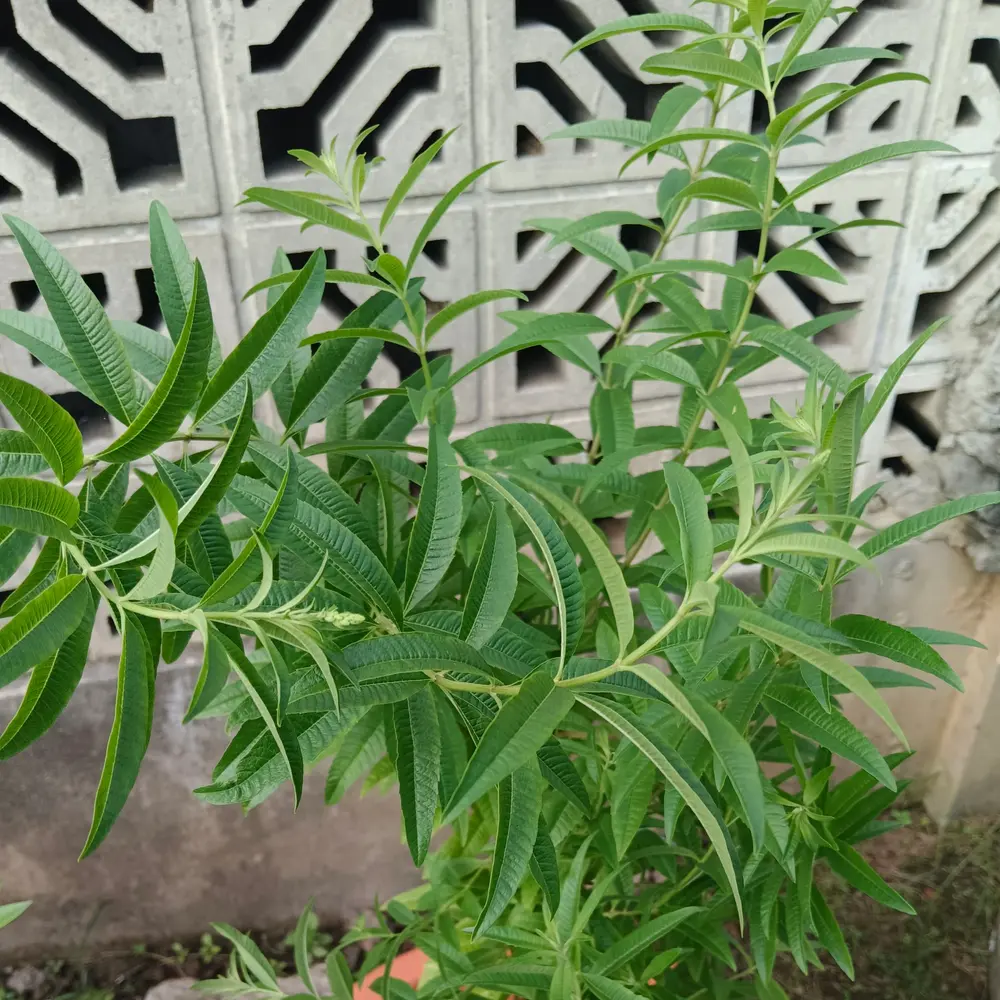
🌼 All About Aloysia fiebrigii: Essential Facts
Aloysia fiebrigii
By the Greg Editorial Team
Feb 27, 2025•12 min read
This article was created with the help of AI so we can cover more plants for you. May contain errors. See one? Report it here.
Elevate your garden with Aloysia fiebrigii, a fragrant plant that delights the senses and supports biodiversity! 🌼
- 🌞 Aloysia fiebrigii thrives in full sun to partial shade, perfect for diverse gardens.
- 🌱 Optimal growth requires well-draining soil with a pH of 6.0 to 7.0.
- 🌼 Plant in spring after frost, spacing 2-3 feet apart for best results.
How to Grow
🌞 Choosing a Location
Aloysia fiebrigii thrives in full sun to partial shade, making it versatile for various garden settings. When deciding between outdoor and container growing, consider the plant's light needs and your available space.
🌱 Soil Preparation
For optimal growth, use well-draining, fertile soil. Aim for a pH level between 6.0 and 7.0, which is slightly acidic to neutral, to ensure your plant flourishes.
🌼 Planting Techniques
The best time to plant is in spring, after the last frost has passed. Space your plants 2-3 feet apart to allow for healthy growth and air circulation.
💧 Watering Requirements
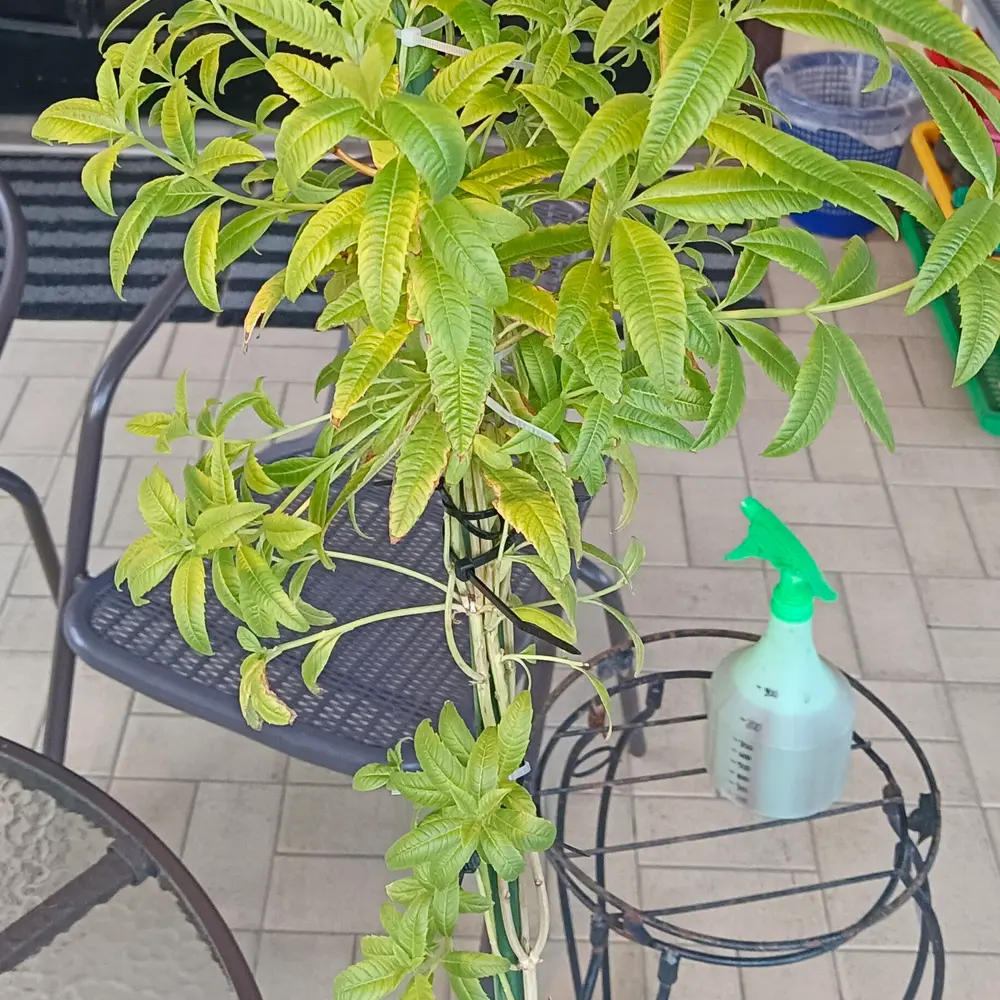
Regular watering is essential to maintain consistent moisture in the soil. Watch for signs of overwatering, like yellowing leaves, or underwatering, which can cause wilting.
🌿 Fertilizing Schedule
Use a balanced NPK fertilizer to provide essential nutrients. Fertilize every 4-6 weeks during the growing season for the best results.
✂️ Pruning Methods
Prune your Aloysia fiebrigii in late winter or early spring. Focus on removing dead or damaged stems to encourage bushier growth and overall health.
🔍 Ongoing Care Tips
Keep an eye out for pests and diseases that may affect your plant. Adjust your care routine based on seasonal changes to ensure your Aloysia remains vibrant and healthy.
Transitioning from growing to propagation, understanding how to multiply your Aloysia fiebrigii can enhance your gardening experience.
Propagation
🌱 Seed Propagation Steps
Seed propagation is a straightforward way to grow Aloysia fiebrigii. Start by collecting seeds from mature plants, then sow them in a seed-starting mix.
Keep the soil moist and warm until germination occurs, which typically takes about 7-14 days under optimal conditions.
✂️ Cutting Propagation Steps
Another effective method is cutting propagation. Take 4-6 inch cuttings from healthy stems, ensuring they are free from disease.
Dip the cuttings in rooting hormone to encourage root development, then plant them in a well-draining medium and keep the soil moist.
🌿 Division Propagation Steps
Division is a great option for established plants. Carefully dig up the plant, taking care not to damage the roots.
Separate the root clumps into smaller sections, then replant these sections in prepared soil to allow them to thrive.
This method not only helps propagate new plants but also rejuvenates the parent plant, promoting healthier growth.
With these propagation techniques, you can easily expand your Aloysia fiebrigii collection and enjoy its many benefits in your garden.
Next, let's explore the lifecycle of this fascinating plant.
Lifecycle
🌱 Lifecycle Stages
Aloysia fiebrigii exhibits a perennial growth habit, thriving year after year. Its lifecycle includes several key stages: germination, seedling, vegetative growth, flowering, and seed production.
🌱 Germination Process
Under optimal conditions, germination occurs within 7 to 14 days. This quick turnaround is essential for gardeners eager to see their plants flourish.
⏳ Lifespan and Growth Timeline
Aloysia fiebrigii reaches full maturity in approximately 1 to 2 years. With the right care, you can expect a moderate growth rate, and optimal conditions can lead to even faster development.
Understanding the lifecycle of Aloysia fiebrigii not only helps in nurturing the plant but also enhances your gardening experience. Next, we will explore the plant's size and how it can fit into your garden design.
Size
Mature Height and Spread 🌱
Aloysia fiebrigii typically reaches a height of 3 to 4 feet, making it a manageable addition to any garden. Its spread ranges from 2 to 3 feet wide, allowing it to fill space without overwhelming neighboring plants.
Growth Rate Specifics 📈
This plant exhibits a moderate growth rate, which can vary based on environmental conditions. With the right care, you can expect it to flourish and reach its full potential in a reasonable timeframe.
Size Variability Based on Conditions 🌦️
Several factors influence the size of Aloysia fiebrigii, including soil quality, sunlight exposure, and water availability. Ensuring optimal conditions will help maximize its growth and overall health, allowing it to thrive in your garden.
As you consider planting Aloysia fiebrigii, keep these size factors in mind to create a harmonious garden space. Next, let’s explore the fascinating lifecycle of this resilient plant.
Roots
🌱 Root System Characteristics
Aloysia fiebrigii features a fibrous root system that is both shallow and extensive. This structure allows the plant to efficiently absorb moisture and nutrients from the top layers of soil.
⚠️ Common Root-Related Issues
One of the most common problems is root rot, which typically occurs due to overwatering. Signs of unhealthy roots include wilting and yellowing leaves, indicating that the plant is struggling.
👀 Identifying Healthy vs. Unhealthy Roots
Healthy roots are firm, white, and spread evenly throughout the soil. In contrast, unhealthy roots appear dark, mushy, or may even emit a foul smell, signaling serious issues.
🪴 Recognizing Rootbound Plants and Solutions
If you notice roots growing out of the drainage holes, your plant may be rootbound. The best solution is to repot it into a larger container, allowing for more growth and healthier roots.
Understanding the root system of Aloysia fiebrigii is crucial for its overall health. With proper care, you can ensure your plant thrives and flourishes. Next, let’s explore the benefits of this remarkable plant and how it can enhance your garden.
Benefits
Top 5 Benefits 🌟
Aloysia fiebrigii offers a range of benefits that make it a fantastic addition to any garden.
Aromatic Leaves for Culinary Uses: The fragrant leaves can enhance various dishes, adding a unique flavor profile to your meals.
Attracts Beneficial Pollinators: This plant is a magnet for bees and butterflies, promoting a healthy ecosystem in your garden.
Drought-Tolerant Once Established: Once rooted, it requires minimal watering, making it a low-maintenance choice for busy gardeners.
Can Be Used in Herbal Remedies: The leaves have traditional uses in herbal medicine, providing natural solutions for various ailments.
Enhances Garden Diversity and Aesthetics: Its lush foliage and vibrant presence contribute to a visually appealing and biodiverse garden environment.
Cultural Significance 🌍
Aloysia fiebrigii holds a special place in many cultures, often linked to healing and wellness.
Its aromatic properties have made it a staple in traditional practices, where it is valued not just for its beauty but also for its potential health benefits.
Incorporating this plant into your garden can connect you to these rich traditions while enhancing your outdoor space.
With its myriad benefits, Aloysia fiebrigii is more than just a pretty plant; it’s a versatile ally in both culinary and ecological pursuits.
As we explore further, let’s dive into the propagation methods to help you grow your own Aloysia fiebrigii.
Companion Plants
🌱 Concept of Companion Planting
Companion planting is a gardening strategy that pairs plants to enhance growth and deter pests. This method not only promotes healthier plants but also increases garden diversity, making your outdoor space more vibrant and productive.
🌼 Best Companion Plants
When considering companions for Aloysia fiebrigii, think about herbs and flowers that thrive under similar conditions. Great choices include:
- Basil: Enhances flavor and repels pests.
- Marigolds: Deter harmful insects and attract beneficial pollinators.
- Other herbs: Such as thyme and oregano, which share similar care requirements.
🚫 Plants to Avoid
While companion planting can be beneficial, some plants can hinder growth. Avoid pairing Aloysia fiebrigii with:
- Plants that require excessive moisture, as they can lead to root rot.
- Species that compete for nutrients, which can stunt growth and reduce overall health.
By carefully selecting companion plants, you can create a thriving garden ecosystem that supports the health and vitality of Aloysia fiebrigii. This thoughtful approach not only maximizes your gardening efforts but also enhances the beauty of your space.
Next, let’s explore the potential toxicity of Aloysia fiebrigii to humans, dogs, and cats, ensuring a safe environment for all.
Toxicity to Humans
Safety Overview 🛡️
Aloysia fiebrigii is generally safe for humans and is not listed as toxic by major poison control centers. However, it's wise to exercise caution; consuming large quantities may lead to mild skin irritation or digestive discomfort.
Caution Advised ⚠️
Always approach any plant with a degree of caution. If you experience unusual symptoms after contact or consumption, seeking medical advice is the best course of action.
This plant can be a delightful addition to your garden, but understanding its safety profile ensures a worry-free experience. Next, let’s explore how Aloysia fiebrigii interacts with our furry friends, particularly dogs.
Toxicity to Dogs
Safety Overview 🐶
Aloysia fiebrigii is not considered toxic to dogs according to veterinary organizations. This means you can enjoy this aromatic plant without worrying about your furry friends getting sick.
Potential Minor Issues ⚠️
While it's generally safe, excessive consumption may lead to mild gastrointestinal upset. It's always wise to monitor your dog's behavior around new plants.
Tips for Introducing to Homes 🏡
When introducing Aloysia fiebrigii into your home, consider its placement carefully. Keeping it out of reach can help prevent any curious nibbling.
Monitoring Behavior 👀
Observe your dog's interactions with the plant. If you notice any unusual symptoms, consult your veterinarian for guidance.
This plant can be a delightful addition to your garden, providing aromatic leaves and a safe environment for your pets. Now that you know about its safety for dogs, let’s explore its effects on cats next.
Toxicity to Cats
Safety Overview 🐾
Aloysia fiebrigii is not considered toxic to cats, according to major pet poison control centers. However, if consumed in large quantities, it may cause mild gastrointestinal upset.
Introducing Aloysia fiebrigii to Your Home 🏡
When bringing this plant into your home, it's wise to consider its placement. Keep it out of reach of curious paws to minimize any potential nibbling.
Monitoring Cat Behavior 👀
Observe your cat's behavior around the plant. If you notice any unusual interest, it might be best to relocate the plant to a safer spot.
Conclusion 📝
Overall, Aloysia fiebrigii can be a delightful addition to your home without posing significant risks to your feline friends. Just keep an eye on your cat's interactions with the plant to ensure a harmonious coexistence.
Next, let's explore the common problems that can arise when growing Aloysia fiebrigii.
Problems
Common Problems 🌱
Growing Aloysia fiebrigii can come with its share of challenges. Here are the most common issues you might encounter:
- Incorrect watering: Both overwatering and underwatering can stress the plant.
- Incorrect light conditions: Too much or too little sunlight can hinder growth.
- Diseases: Look out for diseases like powdery mildew and rust.
- Leaf issues: Scorching and yellowing leaves signal trouble.
- Growth problems: Leggy or etiolated growth indicates insufficient light.
Symptoms and Causes 🔍
Identifying symptoms early can save your plant.
- Incorrect watering: Overwatered plants may have yellowing leaves and wilting, while underwatered ones will show drooping and dry edges.
- Incorrect light conditions: Insufficient light leads to leggy growth, whereas too much sun can cause leaf scorch.
- Diseases: Powdery mildew appears as a white, powdery coating, while rust manifests as orange or brown spots.
- Leaf issues: Scorched leaves may turn crispy and brown, while yellowing often indicates nutrient deficiencies or overwatering.
- Growth problems: Leggy plants stretch towards light, while etiolated growth results from inadequate light exposure.
Solutions for Common Problems 🛠️
Resolving these issues is often straightforward.
- Watering: Adjust your watering schedule based on soil moisture. Ensure the soil is well-draining to prevent root rot.
- Light conditions: Move your plant to a location with the right amount of sunlight, ideally full sun to partial shade.
- Diseases: Improve air circulation and avoid overhead watering to combat diseases. Use fungicides if necessary.
- Leaf issues: Trim damaged leaves and adjust care practices to prevent further issues.
- Growth problems: Provide adequate light and nutrients to encourage healthy growth. Prune leggy stems to promote bushiness.
By staying vigilant and addressing these common problems, you can keep your Aloysia fiebrigii thriving. Next, let’s explore the fascinating world of pests that might challenge your plant care efforts.
Bugs
🐞 Potential Pest Issues
Aloysia fiebrigii can face a variety of pest challenges. While it exhibits some resistance to pests, it’s not immune, making vigilance essential for healthy growth.
🔍 Identification and Damage
Common pests that may target your plant include:
- Spider Mites: Tiny and often invisible, they leave fine webbing and cause leaf discoloration.
- Aphids: These small, soft-bodied insects cluster on new growth, sucking sap and leading to distorted leaves.
- Whiteflies: Similar to tiny moths, they can cause yellowing leaves and sticky residue on the plant.
Identifying these pests early can prevent significant damage.
🛠️ Effective Treatment Options
Managing pests effectively involves a mix of organic and chemical strategies. Here are some options:
- Organic Methods: Introduce beneficial insects like ladybugs or use insecticidal soap to control populations naturally.
- Chemical Control: If infestations are severe, consider using a targeted pesticide, ensuring it’s safe for your plant and environment.
Regular monitoring and prompt action can keep your Aloysia fiebrigii thriving and pest-free.
As you care for your plant, stay alert for signs of trouble. This proactive approach will help you enjoy the beauty and benefits of your Aloysia fiebrigii without the hassle of pest problems.
What Eats
🦌 Common Animals
Aloysia fiebrigii can attract a variety of hungry visitors. Common culprits include deer, rabbits, squirrels, and rodents, all of which may find the plant's aromatic leaves irresistible.
🕵️♂️ Signs of Animal Presence
Detecting these furry intruders can be straightforward. Look for tracks, droppings, and damaged foliage as telltale signs that animals are enjoying your plants a bit too much.
🐾 Damage Caused by Animals
Each animal leaves its unique mark on your Aloysia fiebrigii. Deer may nibble on the tops, while rabbits tend to munch on lower leaves. Squirrels and rodents can cause significant damage by stripping stems or uprooting young plants.
🚫 Deterrent Methods
Protecting your plants from these hungry herbivores can be achieved through various methods. Consider using chemical repellents or organic options like garlic spray to keep them at bay. Additionally, physical barriers such as fencing can provide a more permanent solution.
By being proactive, you can enjoy the beauty of Aloysia fiebrigii without sharing it with unwelcome guests. Now that you know how to protect your plants, let’s explore the common problems that can arise during their care.
⚠️ Safety First
This content is for general information and may contain errors, omissions, or outdated details. It is not medical, veterinary advice, or an endorsement of therapeutic claims.
Always consult a qualified healthcare professional before using any plant as food, medicine, or supplement.
Never eat any plant (or feed one to pets) without confirming its identity with at least two trusted sources.
If you suspect poisoning, call Poison Control (800) 222-1222, the Pet Poison Helpline (800) 213-6680, or your local emergency service immediately.
Spotted an error? Please report it here.
Cultivate a thriving Aloysia fiebrigii 🌱 with Greg's personalized care tips and watering reminders, ensuring your plant flourishes while attracting beneficial pollinators to your garden!