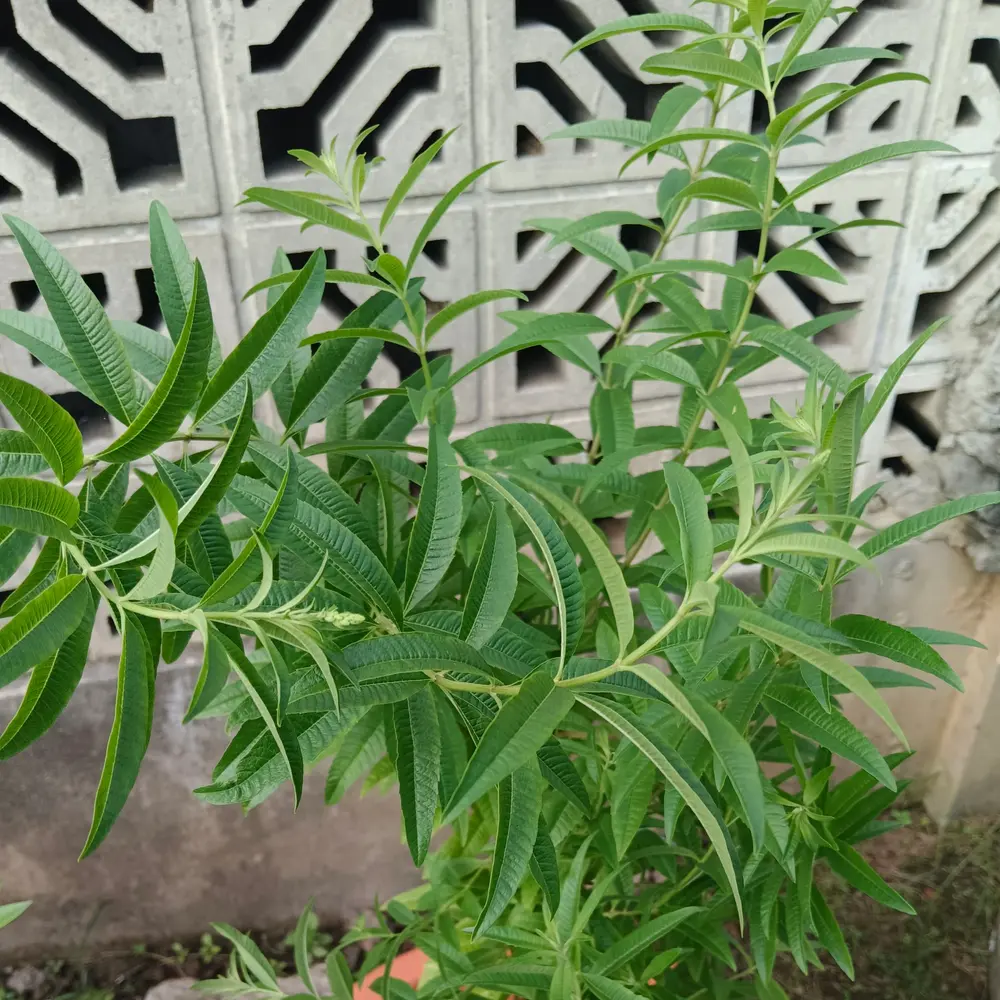
🌼 Introduction to Aloysia dusenii
Aloysia dusenii
By the Greg Editorial Team
Feb 27, 2025•13 min read
This article was created with the help of AI so we can cover more plants for you. May contain errors. See one? Report it here.
Elevate your garden with Aloysia dusenii's aromatic leaves and vibrant blooms, attracting pollinators and enhancing your dishes! 🌱✨
- ☀️ Aloysia dusenii needs 6-8 hours of sunlight daily for optimal growth.
- 🌱 Use well-draining loam soil with a pH of 6.0 to 7.5 for best results.
- 🌼 Regular watering and pruning promote healthy growth and flowering throughout the year.
How to Grow
🌞 Choosing a Location
Aloysia dusenii thrives in full sun, requiring 6 to 8 hours of sunlight daily. It can also tolerate partial shade, making it versatile for various garden settings.
Warm climates are ideal for this plant, with temperatures above 60°F (15°C) being optimal. If you live in a cooler area, consider placing it in a sheltered spot to maximize warmth.
🌱 Soil Preparation
For the best growth, use well-draining, fertile loam soil. This type of soil provides the nutrients and drainage necessary for healthy root development.
Aim for a soil pH between 6.0 and 7.5. This range ensures that the plant can absorb nutrients effectively.
Good drainage is crucial to prevent root rot. Always check that your planting area allows excess water to escape easily.
🌿 Planting Techniques
When planting Aloysia dusenii, space the plants 2 to 3 feet apart. This spacing allows for their mature spread and promotes healthy air circulation.
Plant at the same depth as they were in the nursery container. This helps the roots establish quickly in their new environment.
💧 Watering Requirements
Regular watering is essential to maintain consistent moisture, especially during dry spells. Aloysia dusenii prefers its soil to be moist but not soggy.
Water at the base of the plant to avoid wetting the foliage. This method helps prevent fungal diseases and keeps the leaves healthy.
🌼 Fertilizing Schedule
A balanced NPK fertilizer is recommended for optimal growth. This type of fertilizer provides essential nutrients that support healthy development.
Fertilize every 4 to 6 weeks during the growing season. This regular feeding will help your plant flourish and produce vibrant foliage.
✂️ Pruning Practices
Prune Aloysia dusenii in early spring before new growth begins. This timing encourages fresh growth and keeps the plant looking its best.
When pruning, remove any dead or damaged stems. Shaping the plant will enhance its aesthetics and promote a fuller appearance.
🔍 Ongoing Care
Regularly monitor your plant for signs of stress or disease. Early detection of issues can make a significant difference in recovery.
Adjust care based on seasonal changes. For example, reduce watering in winter when the plant's growth slows down.
With these guidelines, you'll be well on your way to successfully growing Aloysia dusenii. Next, let's explore how to propagate this delightful plant!
Propagation
🌱 Methods of Propagation
Aloysia dusenii can be propagated through two primary methods: seeds and cuttings. Each method has its own charm and can lead to successful new plants.
- Seeds: Collect and sow in well-draining soil for a straightforward approach.
- Cuttings: Take 4-6 inch cuttings from healthy stems for a quicker route to new growth.
📋 Step-by-Step Instructions for Each Method
Seeds
- Sow seeds 1/4 inch deep in a seed tray.
- Keep soil moist and warm (70°F/21°C) until germination, which takes about 7-14 days.
Cuttings
- Dip cut ends in rooting hormone to encourage root development.
- Plant in a mixture of peat and perlite, keeping it moist until roots develop, usually within 2-4 weeks.
🌟 Best Practices for Successful Propagation
To ensure your propagation efforts are successful, follow these best practices:
- Use sterile tools to prevent disease and promote healthy growth.
- Provide humidity for cuttings by covering them with a plastic bag or dome, creating a mini greenhouse effect.
With these methods and tips, you’ll be well on your way to expanding your Aloysia dusenii collection. Next, let’s explore the lifecycle of this fascinating plant and what to expect as it grows.
Lifecycle
🌱 Lifecycle Stages
The lifecycle of Aloysia dusenii is a fascinating journey that begins with germination. Under optimal conditions, seeds germinate within 7-14 days, setting the stage for growth.
Following germination, the plant enters the seedling stage, where it develops true leaves in just 2-3 weeks. This is an exciting time as the plant starts to establish itself.
Next comes the vegetative growth phase, a period of rapid growth that lasts several months. During this phase, the plant focuses on building a robust structure.
As summer approaches, flowering begins, showcasing small white flowers that add charm to any garden. This is not just for aesthetics; it also signals the next stage of the lifecycle.
Finally, seeds mature in late fall, completing the cycle and preparing for the next generation. Each stage is crucial for the plant's development and contributes to its overall health.
⏳ Duration Until Maturity
Aloysia dusenii typically takes about one year to reach its full size. This moderate growth rate, averaging 1-2 feet per year, allows gardeners to enjoy the plant's beauty without long waits.
Understanding these lifecycle stages can help you provide the best care for your Aloysia dusenii. By recognizing where your plant is in its journey, you can tailor your gardening practices to support its growth effectively.
As we move forward, let’s explore how to manage the size and health of your Aloysia dusenii for optimal results.
Size
Mature Height and Spread 🌱
Aloysia dusenii typically reaches a mature height of 3 to 4 feet tall and spreads 2 to 3 feet wide. This size makes it a versatile choice for gardens, providing ample foliage without overwhelming smaller spaces.
Growth Rate and Factors Affecting Size 📈
The growth rate of Aloysia dusenii is moderate, generally achieving 1 to 2 feet of growth per year. Factors such as sunlight, water, and soil quality play crucial roles in determining its final size, with plants in optimal conditions thriving more than those in less favorable environments.
Container-grown plants may exhibit size variability compared to those planted directly in the garden. Understanding these dynamics can help you create the ideal environment for your Aloysia dusenii to flourish.
As you plan your garden, consider how the size of this plant will fit into your overall design. With the right care, you can enjoy its lush growth and vibrant presence for years to come.
Roots
🌱 Characteristics of the Root System
Aloysia dusenii features a fibrous root system that plays a crucial role in its overall health. Typically, the roots extend 12-18 inches deep and spread outwards, occupying a wide area to absorb nutrients and water efficiently.
⚠️ Common Root-Related Issues
Root rot is a significant concern, often caused by overwatering. To prevent this, ensure proper drainage in your planting medium.
Another issue is becoming rootbound, which occurs when the roots fill the pot. You can identify this problem if you see roots growing out of the drainage holes.
👀 Visual Cues for Healthy vs. Unhealthy Roots
Healthy roots are firm, white, and spread throughout the soil, indicating a thriving plant. In contrast, unhealthy roots appear brown, mushy, or may even emit a foul smell.
🛠️ Tips for Managing Root Problems
To manage rootbound plants, look for signs like roots circling the pot or emerging from drainage holes. Solutions include repotting into a larger container or trimming the roots if necessary.
By keeping an eye on your plant's root health, you can ensure that Aloysia dusenii continues to flourish in your garden. Next, let’s explore the numerous benefits this plant brings to your space.
Benefits
Top 5 Benefits of Aloysia dusenii 🌿
Aloysia dusenii, commonly known for its aromatic leaves, offers a variety of benefits that make it a fantastic addition to any garden. Here are the top five advantages:
Culinary Delight: The fragrant leaves of Aloysia dusenii enhance culinary dishes and herbal teas, adding a unique flavor profile that elevates your cooking.
Pollinator Magnet: This plant attracts beneficial pollinators like bees and butterflies, contributing to a thriving ecosystem in your garden.
Natural Pest Repellent: Aloysia dusenii acts as a natural pest repellent for nearby plants, helping to keep unwanted insects at bay without the need for harsh chemicals.
Garden Diversity: Its unique fragrance and appearance enhance garden diversity, making your outdoor space more vibrant and inviting.
Ornamental Value: With its lush foliage and delicate flowers, Aloysia dusenii provides significant ornamental value, making it a visually appealing choice for any landscape.
Incorporating Aloysia dusenii into your garden not only beautifies your space but also supports a healthier environment. Its multifaceted benefits make it a must-have for gardening enthusiasts.
As we explore further, let’s delve into the companion plants that thrive alongside Aloysia dusenii, enhancing its growth and benefits even more.
Companion Plants
🌱 Companion Planting
Companion planting is a fantastic way to enhance garden diversity and improve pest management. By strategically placing plants together, you can create a thriving ecosystem that benefits all your garden inhabitants.
🌼 Compatible Companion Plants
When growing Aloysia dusenii, consider these compatible companions:
- Basil: This aromatic herb shares similar care needs and helps repel pests.
- Marigolds: Known for their vibrant blooms, marigolds deter harmful insects while attracting beneficial pollinators.
- Lavender: With its fragrant flowers, lavender thrives in similar sunlight and soil conditions, making it a perfect partner.
🚫 Plants to Avoid
While some plants thrive alongside Aloysia dusenii, others can cause trouble. Nightshades, for example, may compete for nutrients and attract similar pests, so it's best to keep them at a distance.
By choosing the right companions, you can create a flourishing garden that not only looks beautiful but also supports a healthy ecosystem. Next, let’s explore the potential toxicity of Aloysia dusenii to humans, dogs, and cats.
Toxicity to Humans
Safety Profile 🌱
Aloysia dusenii is not listed as toxic by major poison control centers, making it a safe choice for gardens and kitchens alike. You can handle and consume it in small amounts without worry.
However, be mindful that consuming large quantities may lead to mild skin irritation or digestive discomfort. Always exercise caution with any plant and consult a medical professional if you experience unusual symptoms.
General Precautions ⚠️
While Aloysia dusenii is generally safe, it’s wise to keep it out of reach of children and pets. Familiarize yourself with the plant and monitor for any adverse reactions, especially if you're trying it for the first time.
In summary, enjoy the aromatic benefits of Aloysia dusenii while being aware of your body's responses. This plant can be a delightful addition to your culinary adventures, provided you approach it with common sense and care.
Next, let's explore how Aloysia dusenii interacts with our furry friends, particularly dogs.
Toxicity to Dogs
Safety Profile 🐶
Aloysia dusenii is generally considered safe for dogs. Major pet poison control centers do not list it as toxic.
However, if your dog consumes large amounts, mild gastrointestinal upset may occur.
Monitoring and Precautions 👀
To keep your furry friend safe, place Aloysia dusenii out of reach.
It's also a good idea to monitor your dog's behavior around the plant to ensure they don't nibble on it excessively.
With these simple precautions, you can enjoy your aromatic plant without worry.
Conclusion 📜
Understanding the safety profile of Aloysia dusenii helps you create a pet-friendly garden.
Next, let’s explore how this plant interacts with our feline friends.
Toxicity to Cats
Safety Profile 🐱
Aloysia dusenii is not considered toxic by major pet poison control centers. This means you can enjoy its aromatic foliage without worrying about your feline friends.
However, if consumed in excessive amounts, it may lead to mild gastrointestinal upset.
Placement and Monitoring 🏡
To keep your cats safe, position Aloysia dusenii in areas that are out of their reach.
It's also a good idea to observe how your cats interact with the plant, ensuring they don't nibble on it excessively.
With proper care and placement, you can enjoy the beauty of Aloysia dusenii while keeping your furry companions safe.
As we move forward, let’s explore the common problems that may arise when growing this delightful plant.
Problems
🌱 Common Problems
Incorrect Watering
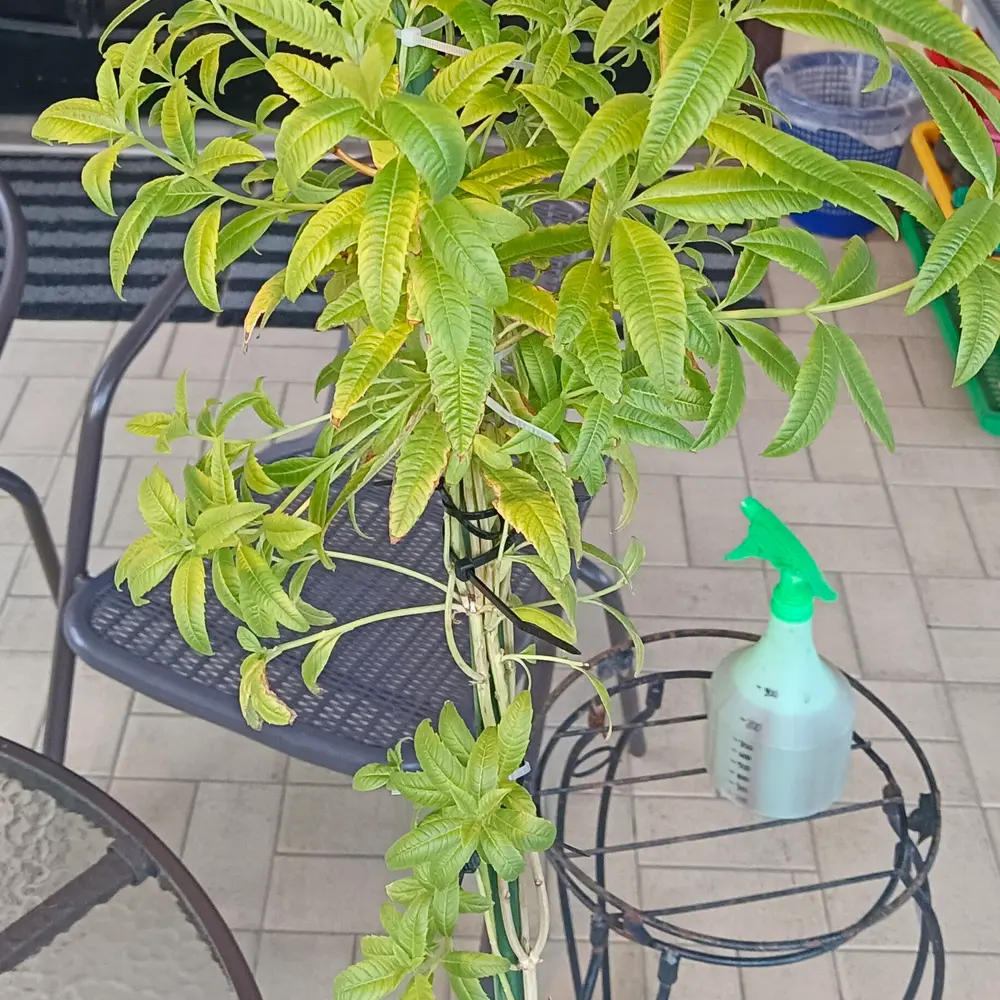
One of the most frequent issues with Aloysia dusenii is incorrect watering. Overwatering leads to yellowing leaves, while underwatering results in wilting.
To remedy this, adjust your watering frequency based on the moisture level of the soil. A simple finger test can help determine if the soil is dry or still moist.
Incorrect Light Conditions
Light conditions can significantly impact plant health. If your Aloysia dusenii exhibits leggy growth or scorched leaves, it may not be receiving the right amount of sunlight.
In this case, consider relocating the plant to a spot that offers the appropriate sunlight exposure. Aim for full sun to partial shade for optimal growth.
Incorrect Temperature
Temperature is another critical factor for Aloysia dusenii's well-being. Symptoms of temperature stress include stunted growth or leaf drop.
To prevent these issues, ensure that the plant is kept in environments where temperatures remain above 60°F (15°C). This will help maintain its vigor and health.
Diseases
Fungal diseases can also pose a threat to Aloysia dusenii. Look out for signs like powdery mildew or rust, which indicate a fungal issue.
Improving air circulation around the plant can help mitigate these problems. If necessary, apply fungicides to treat any outbreaks effectively.
Leaf Issues
Leaf problems can manifest as yellowing or fuzzy growth. These symptoms often indicate underlying issues related to watering or light conditions.
To address this, reassess your watering habits and ensure the plant is receiving adequate light. Making these adjustments can lead to healthier foliage.
By staying vigilant and addressing these common problems promptly, you can ensure that your Aloysia dusenii thrives. Next, let’s explore the potential pest issues that may affect your plant.
Bugs
Potential Pest Issues 🐜
Aloysia dusenii is generally known for its moderate pest resistance. However, it can still fall victim to a few pesky invaders that you should keep an eye out for.
Identification and Damage 🔍
Spider Mites
- Signs: Look for fine webbing and stippled leaves, which indicate these tiny pests are at work.
- Treatment: Increase humidity around the plant and consider using miticides to eliminate them.
Mealybugs
- Signs: These pests appear as white, cottony masses on stems and leaves, making them easy to spot.
- Treatment: You can remove them by hand or apply insecticidal soap for effective control.
Aphids
- Signs: If you notice sticky residue on your leaves or curled foliage, aphids might be the culprits.
- Treatment: Introduce ladybugs to your garden or use neem oil to keep their numbers in check.
By staying vigilant and addressing these pest issues promptly, you can ensure your Aloysia dusenii remains healthy and thriving. Next, let’s explore what animals might be tempted to munch on this fragrant plant.
What Eats Aloysia dusenii
🦌 Common Animals
Aloysia dusenii can attract a variety of hungry critters. Deer, rabbits, and squirrels are known to nibble on its lush foliage, making them common visitors in gardens where this plant thrives.
🚨 Signs of Damage
Keep an eye out for signs of animal activity around your Aloysia dusenii. Chewed leaves, droppings, or tracks can indicate that these animals have taken a liking to your plant.
🛡️ Deterrent Methods
To protect your plant, consider using a few deterrent methods. Chemical repellents can be effective, but if you prefer a more natural approach, try planting barriers or companion plants that deter these animals.
By taking these precautions, you can help ensure your Aloysia dusenii remains healthy and vibrant. Now, let’s explore some common problems that may arise while caring for this plant.
⚠️ Safety First
This content is for general information and may contain errors, omissions, or outdated details. It is not medical, veterinary advice, or an endorsement of therapeutic claims.
Always consult a qualified healthcare professional before using any plant as food, medicine, or supplement.
Never eat any plant (or feed one to pets) without confirming its identity with at least two trusted sources.
If you suspect poisoning, call Poison Control (800) 222-1222, the Pet Poison Helpline (800) 213-6680, or your local emergency service immediately.
Spotted an error? Please report it here.
Grow your Aloysia dusenii like a pro 🌞 with Greg's tailored care tips and watering reminders to keep it thriving all season long!