Aloysia densispicata: A Comprehensive Overview
Aloysia densispicata
By the Greg Editorial Team
Feb 27, 2025•8 min read
This article was created with the help of AI so we can cover more plants for you. May contain errors. See one? Report it here.
- 🌞 Aloysia densispicata thrives in full sun to partial shade, perfect for diverse gardens.
- 🌱 Optimal growth requires well-draining soil with a pH of 6.0 to 7.5.
- 🌿 Regular pest monitoring and care ensure healthy, vibrant plants for 3-5 years.
How to Grow
Choosing a Location 🌞
Aloysia densispicata thrives in full sun to partial shade, making it versatile for various garden settings. When deciding between outdoor or container growth, consider the plant's need for air circulation and protection from strong winds to ensure healthy development.
Soil Preparation 🌱
For optimal growth, this plant prefers well-draining, fertile soil with a pH range of 6.0 to 7.5. To enhance soil quality, consider adding amendments like compost or perlite, which can improve drainage and nutrient availability.
Planting Techniques 🌼
The best time to plant Aloysia densispicata is in spring, after the last frost has passed. When planting outdoors, space the plants 2-3 feet apart; for container planting, ensure the pot is at least 12 inches deep to support root development.
Watering and Fertilizing 💧
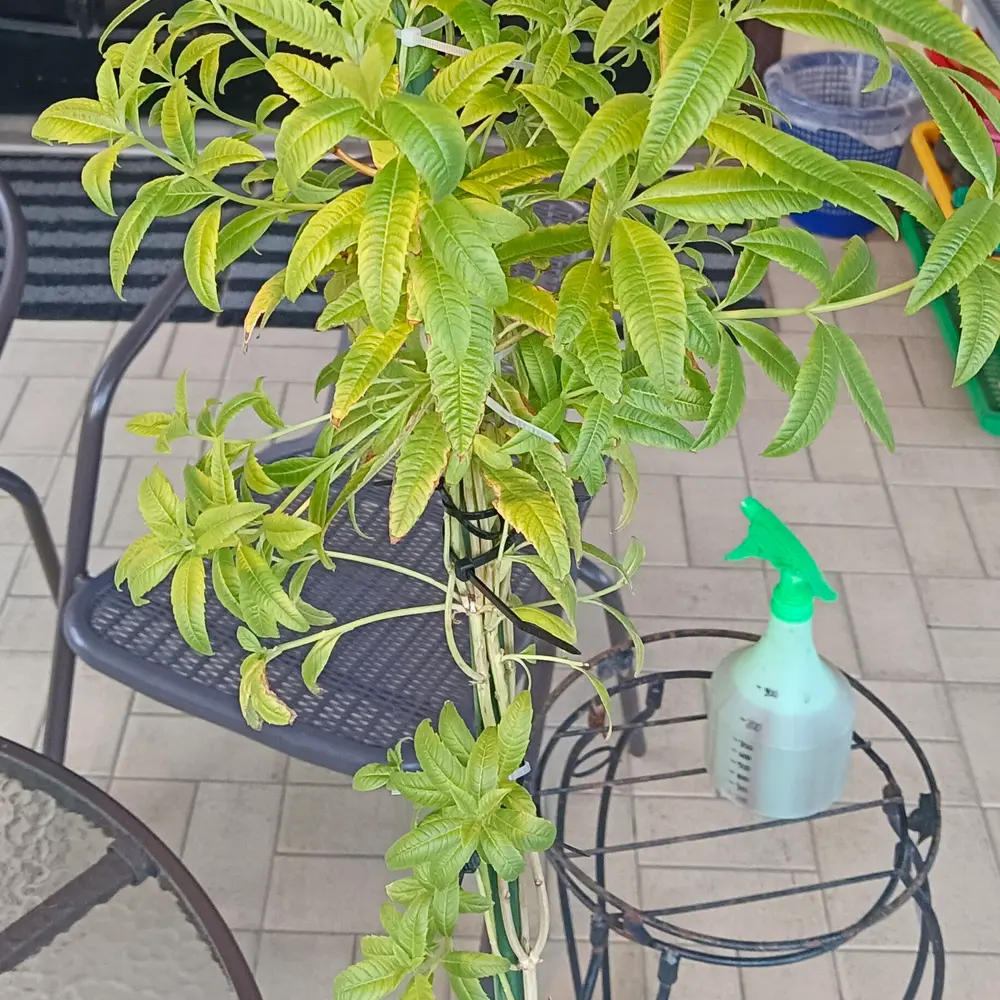
Water your plant when the top inch of soil feels dry, which is a simple way to maintain moisture without overdoing it. Use a balanced NPK fertilizer every 4-6 weeks during the growing season to promote healthy growth, and watch for signs of overwatering or underwatering, such as yellowing leaves or crispy edges.
Ongoing Care 🛡️
Regularly monitor your plant for pests and diseases, adjusting care as needed with the changing seasons. Mulching is crucial for retaining moisture and regulating soil temperature, helping your Aloysia densispicata thrive throughout its growth cycle.
With these essential tips, you're well on your way to successfully growing Aloysia densispicata. Next, let's explore the exciting methods of propagation to expand your garden even further!
Propagation
Methods and Instructions 🌱
Propagation of Aloysia densispicata can be achieved through two primary methods: seeds and cuttings. Each method has its nuances, making it essential to choose the one that best fits your gardening style.
Seeds
For seed propagation, start by sowing the seeds at a depth of 1/4 inch. This depth is crucial for optimal germination, which typically takes about 10-14 days.
To ensure successful germination, maintain an optimal temperature of around 70°F (21°C). This warm environment encourages the seeds to sprout and thrive.
Cuttings
If you prefer cuttings, select healthy stems that are 4-6 inches long. This length is ideal for rooting and will give your new plants a strong start.
Use a rooting medium composed of equal parts peat moss and perlite. This mix provides excellent drainage and aeration, essential for healthy root development.
Place the cuttings in a humid environment, where they should root within 2-3 weeks. Keeping the humidity high will help the cuttings establish roots more effectively.
With these propagation techniques, you can easily expand your Aloysia densispicata collection. Whether you opt for seeds or cuttings, both methods offer a rewarding gardening experience.
As you delve into propagation, consider the lifecycle of the plant next. Understanding its growth stages will enhance your care and cultivation strategies.
Lifecycle
🌱 Growth Stages
Understanding the growth stages of Aloysia densispicata is crucial for successful cultivation. Each stage presents unique characteristics and care requirements.
🌱 Germination
Germination is the first step in the lifecycle, typically taking 10-14 days under optimal conditions. The seeds thrive at a temperature of 70°F (21°C), ensuring a healthy start.
🌱 Seedling Stage
Once germinated, the plant enters the seedling stage. Here, it develops its first true leaves and requires consistent moisture and light for robust growth.
🌱 Vegetative Growth
During vegetative growth, Aloysia densispicata focuses on foliage and structure development. This stage is marked by lush green leaves and a strong stem, which can take several weeks to months.
🌸 Flowering
Flowering occurs approximately 1-2 years after planting. The blooms are not only beautiful but also attract pollinators, enhancing the garden's ecosystem.
🌱 Seed Production
After flowering, the plant produces seeds, typically in late summer to early fall. This is a critical phase for propagation, allowing gardeners to expand their collection.
⏳ Overall Lifespan
Aloysia densispicata is a perennial with an overall lifespan of 3-5 years. With proper care, it can thrive and provide beauty for multiple growing seasons.
⏳ Time to Maturity
The time to maturity is about 1-2 years, depending on growing conditions. Patience is key, as the plant gradually reaches its full potential.
📈 Growth Rate
The growth rate is moderate, influenced by factors like light, water, and soil quality. Seasonal variations can also affect how quickly the plant develops.
Understanding these growth stages will help you nurture Aloysia densispicata effectively. With the right care, you can enjoy its beauty and benefits for years to come.
Next, let’s explore the size characteristics of this remarkable plant.
Size
Growth Characteristics 🌱
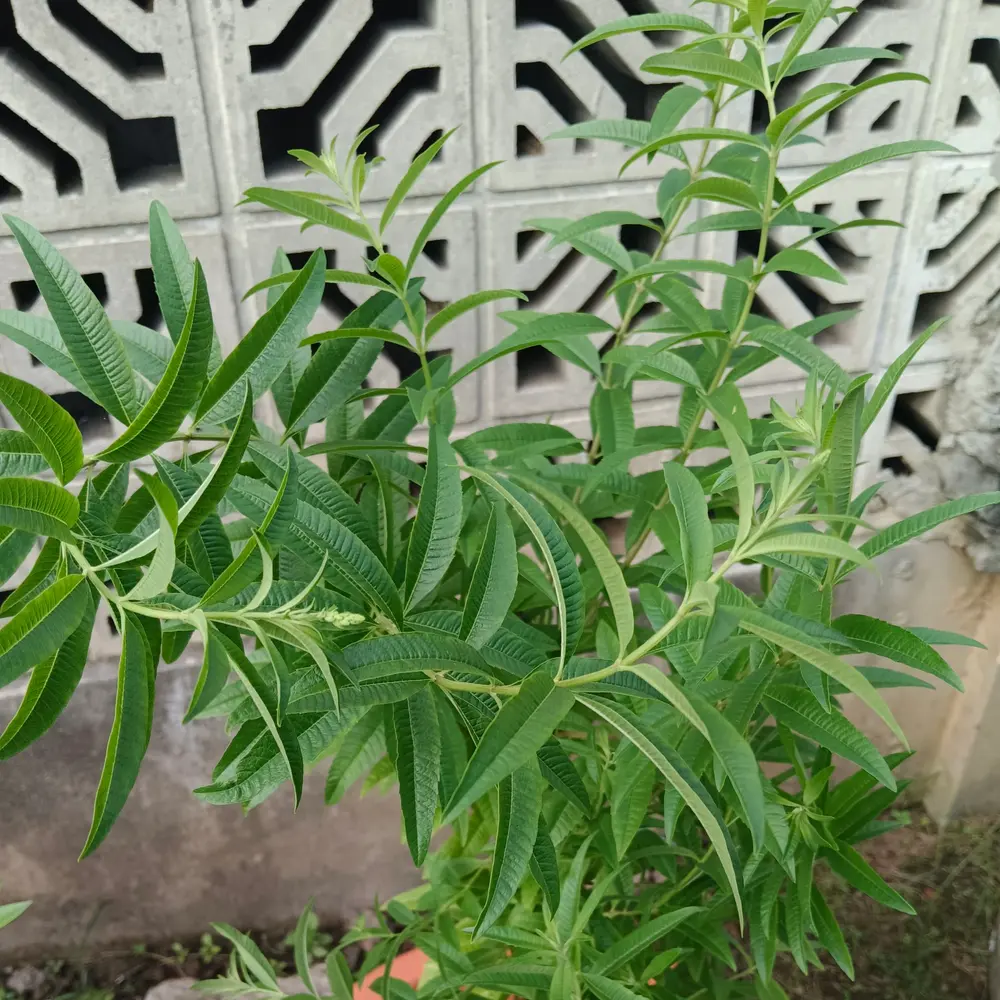
Aloysia densispicata typically reaches a mature height of 3 to 4 feet, making it a manageable addition to any garden. Its spread ranges from 2 to 3 feet wide, allowing for a lush, full appearance without overwhelming your space.
Factors Affecting Growth Rate 📈
Several factors influence the growth rate of this plant. Light exposure, water availability, and soil quality play crucial roles in determining how quickly it thrives.
Variability in Size 📏
It's important to note that the size of Aloysia densispicata can vary based on growing conditions. Optimal care can lead to more robust growth, while less favorable conditions may result in a more modest stature.
Understanding these growth characteristics will help you create the ideal environment for your Aloysia densispicata. Next, let’s explore the common problems you might encounter while growing this plant and how to tackle them effectively.
Problems
Common Issues and Solutions 🌱
Overwatering
Overwatering is a common issue that can lead to yellowing leaves and wilting. To remedy this, adjust your watering schedule and ensure proper drainage in the soil.
Underwatering
On the flip side, underwatering can cause crispy leaf edges and drooping foliage. If you notice these signs, increase your watering frequency to keep your Aloysia densispicata healthy.
Diseases
Fungal diseases like powdery mildew and rust can affect your plant's vitality. To combat these, improve air circulation around your plant and consider applying fungicides as needed.
Root Problems
Root rot is a serious concern that can arise from poor drainage. Look for signs like mushy roots and prevent this by ensuring your soil drains well and avoiding overwatering.
Leaf Issues
Scorching and yellowing leaves can indicate environmental stress or nutrient deficiencies. Address these issues by adjusting light exposure and considering a balanced fertilizer to restore health.
By staying vigilant and addressing these common problems, you can ensure your Aloysia densispicata thrives. Next, let’s explore how to manage pesky bugs that may disrupt your plant’s growth.
Bugs
🐞 Pest Management
Managing pests is crucial for the health of your Aloysia densispicata. Here’s a quick guide to the most common pests you might encounter and how to tackle them effectively.
Spider Mites
Identification: Look for fine webbing on leaves, often accompanied by stippling or discoloration. These tiny pests thrive in dry conditions.
Treatment: Increase humidity around the plant and apply miticides to eliminate them. Regular misting can also help deter these pests.
Aphids
Identification: These small green insects often cluster on new growth, sucking sap and weakening your plant.
Treatment: Use neem oil or insecticidal soap to control aphid populations. A strong jet of water can also dislodge them.
Mealybugs
Identification: Look for white, cottony masses on stems and leaf joints. They can be quite stubborn if left unchecked.
Treatment: Apply rubbing alcohol or insecticidal soap directly to the affected areas. This will help eradicate them effectively.
Whiteflies
Identification: These tiny white insects flutter away when you disturb the plant. They can quickly become a nuisance.
Treatment: Use yellow sticky traps to catch them and apply insecticidal soap to manage infestations. Regular monitoring is key to keeping them at bay.
🏁 Conclusion
By staying vigilant and addressing pest issues promptly, you can ensure your Aloysia densispicata thrives. Next, we’ll explore how to manage animal interactions that may also affect your plant’s health.
What Eats
🐇 Overview of Potential Herbivores
Aloysia densispicata can attract various herbivores that may munch on its leaves and stems. Common culprits include rabbits, deer, and certain insects that find the plant's foliage irresistible.
👀 Signs of Animal Presence and Damage
Keep an eye out for telltale signs of animal activity. Look for chewed leaves, droppings near the plant, or even footprints in the soil, which indicate that herbivores are enjoying your Aloysia.
🚫 Deterrent Methods for Managing Animal Interactions
To protect your plant, consider implementing a few deterrent strategies.
- Physical Barriers: Fencing or netting can effectively keep larger animals at bay.
- Repellents: Use commercial animal repellents or homemade solutions like garlic spray to deter herbivores.
- Companion Planting: Surrounding Aloysia with plants that animals dislike can also help keep them away.
By being proactive, you can enjoy the beauty of Aloysia densispicata without the worry of unwanted nibblers. Next, let's explore the common problems you might encounter while growing this resilient plant.
⚠️ Safety First
This content is for general information and may contain errors, omissions, or outdated details. It is not medical, veterinary advice, or an endorsement of therapeutic claims.
Always consult a qualified healthcare professional before using any plant as food, medicine, or supplement.
Never eat any plant (or feed one to pets) without confirming its identity with at least two trusted sources.
If you suspect poisoning, call Poison Control (800) 222-1222, the Pet Poison Helpline (800) 213-6680, or your local emergency service immediately.
Spotted an error? Please report it here.
Aloysia densispicata is a resilient beauty 🌱 that thrives with the right care, and Greg can help you succeed by providing personalized watering reminders and tailored tips for flourishing growth!