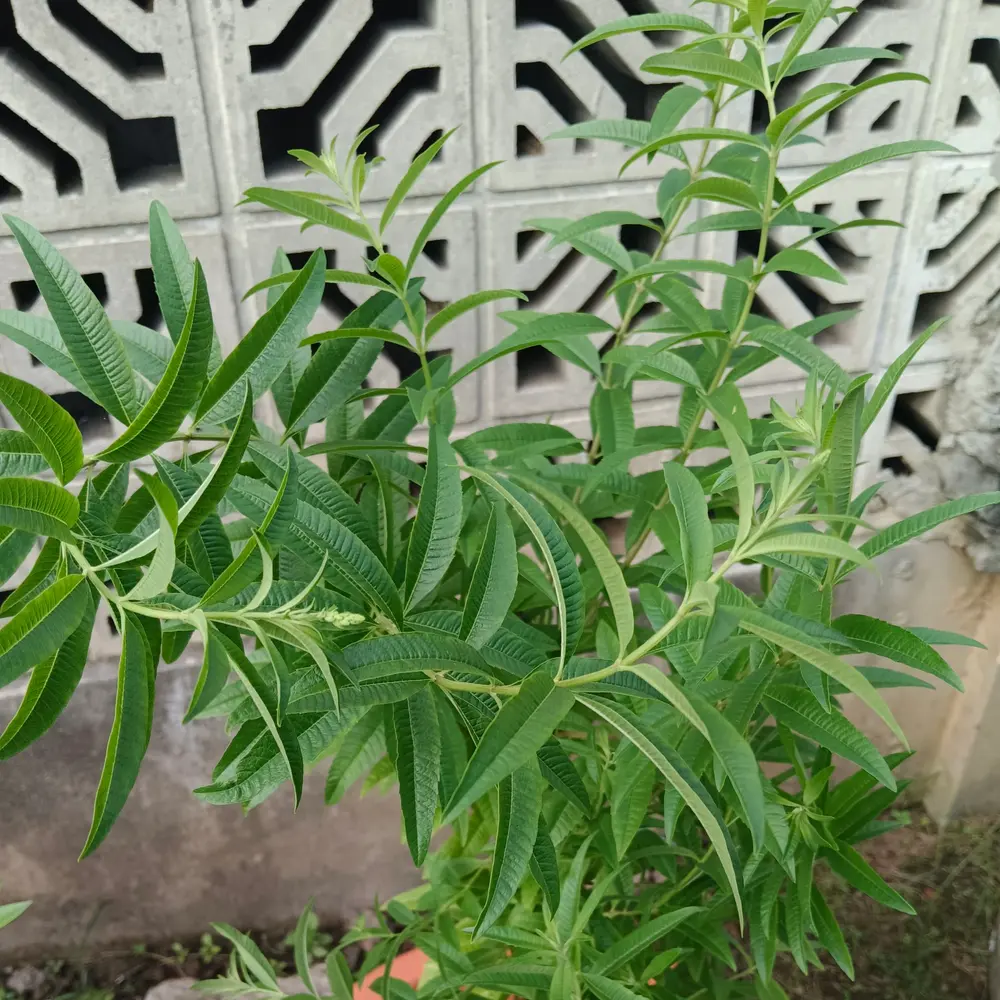
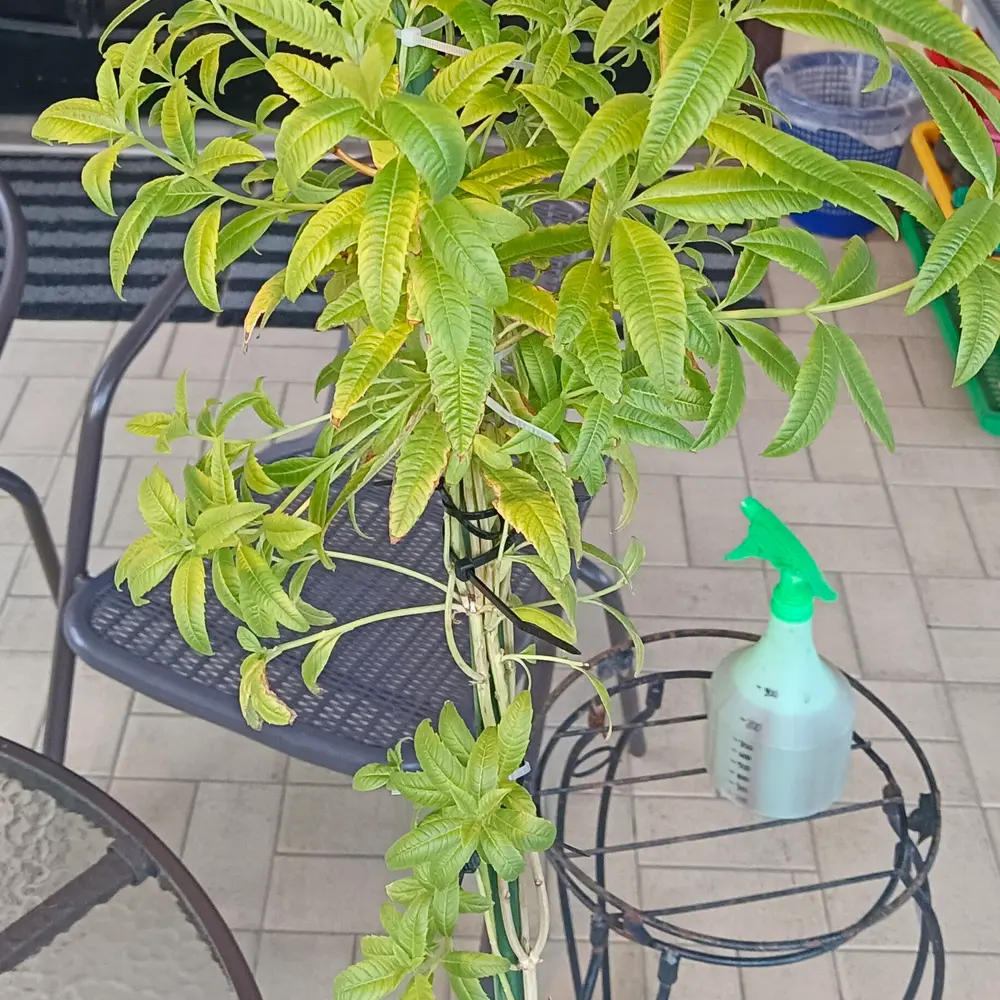
Aloysia castellanosii Explained: Key Information
Aloysia castellanosii
By the Greg Editorial Team
Mar 07, 2025•12 min read
This article was created with the help of AI so we can cover more plants for you. May contain errors. See one? Report it here.
Elevate your garden with Aloysia castellanosii's delightful aroma and easy care tips! 🌼🌱
- ☀️ Aloysia castellanosii needs 6-8 hours of sunlight for optimal growth.
- 🌱 Ideal temperature range is 20°C to 30°C (68°F to 86°F) for thriving plants.
- 💧 Regular watering and well-draining soil are crucial to prevent root rot.
How to Grow
Choosing a Location 🌞
Aloysia castellanosii thrives in full sun to partial shade, requiring 6-8 hours of direct sunlight daily. It prefers warm climates, ideally between 20°C to 30°C (68°F to 86°F), making it perfect for sunny gardens.
Soil Preparation 🌱
For optimal growth, use well-draining, fertile loam. Aim for a slightly acidic to neutral soil pH of 6.0 to 7.0, and ensure proper drainage to prevent root rot.
Planting Techniques 🌿
When planting, space your plants 18-24 inches apart to allow for healthy growth. Seeds or cuttings should be planted at a depth of 1-2 inches for best results.
Watering Requirements 💧
Regular watering is essential to maintain consistent moisture. Allow the top inch of soil to dry out between waterings, and consider using drip irrigation or soaker hoses to keep foliage dry.
Fertilizing Schedule 🌼
Utilize a balanced NPK fertilizer (10-10-10) to nourish your plants. Fertilize every 4-6 weeks during the growing season for optimal growth.
Pruning Practices ✂️
Prune your Aloysia castellanosii in late winter or early spring, just before new growth begins. Focus on removing dead or damaged stems and shaping the plant as needed.
Ongoing Care 🔍
Regularly monitor your plants for signs of stress or disease. Adjust your care routine seasonally, such as reducing watering in winter to accommodate changing conditions.
With these guidelines, you'll set the stage for a thriving Aloysia castellanosii that not only beautifies your space but also brings a delightful aroma to your garden. Next, let’s explore how to propagate this wonderful plant!
Propagation
🌱 Methods of Propagation
Aloysia castellanosii can be propagated through two primary methods: seeds and cuttings. Both techniques are straightforward and effective for expanding your plant collection.
📝 Step-by-Step Instructions for Each Method
🌾 Seeds
- Sow seeds: Plant seeds 1/4 inch deep in a seed-starting mix.
- Maintain moisture: Keep the soil moist until germination, which typically takes 7-14 days.
✂️ Cuttings
- Prepare cuttings: Take 4-6 inch cuttings from healthy plants and dip the cut ends in rooting hormone.
- Plant cuttings: Place them in a well-draining medium and keep moist until roots develop, usually within 2-4 weeks.
⏰ Timing and Conditions for Successful Propagation
For the best results, sow seeds in spring or early summer when conditions are ideal. If you're opting for cuttings, late spring to early summer is the prime time to ensure successful rooting.
This propagation knowledge will set you on the right path to cultivating more Aloysia castellanosii. Next, let’s explore the lifecycle of this fascinating plant.
Lifecycle
🌱 Lifecycle Stages
The lifecycle of Aloysia castellanosii is fascinating and unfolds in distinct stages. It begins with germination, which takes about 7-14 days for seeds to sprout.
Following germination, the plant enters the seedling stage, lasting 2-4 weeks until true leaves emerge. This is followed by a vigorous vegetative growth phase that can last several months, where the plant establishes itself and grows robustly.
🌼 Flowering and Seed Production
As summer transitions to fall, Aloysia castellanosii produces flowers, typically in late summer to early fall. After flowering, seeds mature shortly thereafter, completing the cycle and preparing for the next generation.
⏳ Duration Until Maturity
How long does it take for Aloysia castellanosii to reach maturity? Generally, it takes about 3-6 months under optimal conditions. The growth rate can be moderate to fast, depending on factors like sunlight, water, and soil quality.
🌿 Lifespan
In terms of longevity, this perennial plant typically lives for about 3-5 years. With proper care, it can continue to thrive and produce beautiful foliage and flowers throughout its life cycle.
Understanding the lifecycle of Aloysia castellanosii not only enhances your gardening skills but also deepens your appreciation for this remarkable plant. Next, let’s explore its size and growth characteristics.
Size
Mature Height and Spread 🌱
Aloysia castellanosii typically reaches a mature height of 2 to 4 feet. Its spread can range from 2 to 3 feet wide, making it a lovely addition to any garden or container.
Growth Rate and Factors Affecting Size 📈
This plant has a moderate growth rate, which can be influenced by several factors. Sunlight, water, and soil quality play crucial roles in determining how quickly it grows and how large it becomes.
Time to Full Size ⏳
Expect Aloysia castellanosii to reach its full size in about 1 to 2 growing seasons. With the right conditions, you'll see it flourish and fill out beautifully.
As you consider the size of this plant, remember that its growth can vary based on the environment. Whether in a garden bed or a container, providing optimal care will ensure it thrives.
Roots
Description of Root System 🌱
Aloysia castellanosii features a fibrous root system that is typically shallow. These roots spread horizontally, allowing the plant to efficiently absorb moisture and nutrients from the upper soil layers.
Common Root-Related Issues ⚠️
Root rot is a common problem, often caused by overwatering. Symptoms include wilting and yellowing leaves, indicating that the roots are struggling to function properly.
Another issue is being rootbound, which occurs when the roots fill the container. Signs of this include stunted growth and roots circling around the pot, indicating that the plant needs more space.
Visual Cues for Healthy vs. Unhealthy Roots 👀
Healthy roots are white, firm, and spread throughout the soil, indicating a thriving plant. In contrast, unhealthy roots appear brown, mushy, or may even emit a foul smell, signaling serious issues.
Tips for Managing Root Problems 🛠️
To prevent root rot, ensure proper drainage and avoid overwatering. Regularly check for roots growing out of drainage holes to recognize rootbound plants; if you see this, it's time to repot into a larger container.
Understanding the root system of Aloysia castellanosii is crucial for its overall health. By keeping an eye on these aspects, you can ensure your plant thrives and flourishes.
Next, let's explore the benefits of growing this aromatic plant.
Benefits
Top 5 Benefits 🌟
Aloysia castellanosii, often celebrated for its many advantages, brings a wealth of benefits to any garden or home. Here are the top five reasons to consider adding this plant to your collection:
Aromatic Leaves: The leaves of Aloysia castellanosii are not just visually appealing; they are also perfect for culinary uses and herbal teas. Their delightful fragrance enhances dishes and brews, making them a favorite among chefs and home cooks alike.
Attracts Pollinators: With its fragrant flowers, this plant acts like a magnet for pollinators. Bees and butterflies flock to its blooms, promoting biodiversity and supporting the ecosystem in your garden.
Drought-Tolerant: Once established, Aloysia castellanosii is remarkably drought-tolerant. This means less frequent watering, making it an excellent choice for those looking to conserve water while maintaining a vibrant garden.
Versatile Use: Whether you have a sprawling garden or a small balcony, this plant fits right in. It can thrive in both garden beds and containers, offering flexibility in how you choose to incorporate it into your space.
Cultural Significance: Beyond its aesthetic and practical uses, Aloysia castellanosii holds cultural importance in various traditions. It is valued in traditional medicine and culinary practices, enriching the cultural tapestry of gardening.
Incorporating Aloysia castellanosii into your gardening plans not only enhances your space but also contributes positively to the environment and your culinary adventures. With its myriad benefits, this plant is a worthy addition to any green thumb's repertoire.
As you explore the advantages of Aloysia castellanosii, consider how it can complement your gardening style and enhance your outdoor experience. Next, let’s dive into the fascinating world of companion planting and discover which plants thrive alongside this aromatic gem.
Companion Plants
🌱 Explanation of Companion Planting
Companion planting is a gardening technique that enhances plant diversity, promotes pest management, and boosts overall plant health. By strategically placing compatible plants together, you can create a thriving ecosystem in your garden.
🌼 List of Compatible Companion Plants
- Marigolds: These vibrant flowers are known for their pest-repellent properties, making them excellent companions for Aloysia castellanosii.
- Basil: Sharing similar care needs, basil not only complements the growth of Aloysia but also enhances the flavor of nearby plants.
- Nasturtiums: These cheerful blooms attract beneficial insects while deterring pests, providing a natural form of pest control.
🚫 Plants to Avoid
When planning your garden, steer clear of strongly aromatic herbs. They may compete for resources or alter the flavor profiles of your plants, potentially diminishing the quality of your harvest.
Companion planting can significantly enhance your gardening experience. By choosing the right partners for Aloysia castellanosii, you can create a more resilient and productive garden. Next, let’s explore the potential toxicity of this plant to humans and pets, ensuring a safe gardening environment.
Toxicity to Humans
Safety for Humans 🛡️
Aloysia castellanosii is not listed as toxic by major poison control centers, making it a safe choice for your garden. You can handle and consume it in small amounts without worry, but it's always wise to exercise caution with any plant.
If you experience any unusual symptoms after contact or consumption, seeking medical advice is a smart move. Remember, while this plant is generally safe, being informed is key to enjoying your gardening experience.
Toxicity to Dogs
Safety for Dogs 🐶
Aloysia castellanosii is not listed as toxic by major pet poison control centers. This means it’s generally safe for dogs, posing minimal risk of adverse effects.
Caution ⚠️
Even with its safety profile, it's wise to monitor your dog's behavior around the plant. Discourage them from eating large quantities of any non-food plant material to avoid any potential digestive upset.
In summary, Aloysia castellanosii can be a delightful addition to your garden without worrying about your furry friends. As always, keeping an eye on their interactions with plants is a good practice.
Next, let's explore how this plant interacts with our feline companions.
Toxicity to Cats
Safety for Cats 🐱
Aloysia castellanosii is not listed as toxic by major pet poison control centers. This means it’s generally safe for your feline friends, posing minimal risk of adverse effects.
Caution ⚠️
While the plant is safe, it’s wise to monitor your cat's behavior. Discourage them from munching on any non-food plant material, as excessive consumption can lead to digestive upset.
In summary, Aloysia castellanosii can coexist peacefully with your cats, but a little vigilance goes a long way in ensuring their health and happiness. Now, let’s explore the potential problems that might arise when growing this aromatic plant.
Problems
🌱 Common Problems
1. Incorrect Watering
Watering is crucial for Aloysia castellanosii, but getting it right can be tricky. Overwatering leads to yellowing leaves and root rot, while underwatering results in wilting and dry leaves.
2. Incorrect Light Conditions
Light plays a vital role in plant health. If your plant exhibits leggy growth or leaf scorch, it might not be receiving the right amount of sunlight.
3. Incorrect Temperature
Temperature fluctuations can stress your plant. Stunted growth or leaf drop often indicates that the plant is experiencing extreme temperatures.
4. Diseases
Aloysia castellanosii can fall prey to various fungal diseases. Common issues include powdery mildew, rust, and blight, which can hinder growth and overall health.
5. Leaf Issues
Leaf scorching is a telltale sign of too much direct sunlight. If you notice crispy edges or discoloration, it’s time to reassess your plant's light exposure.
🔍 Identification and Solutions
Identifying these problems early is key to maintaining a healthy plant. Regularly check for symptoms and adjust your care routine accordingly to keep your Aloysia castellanosii thriving.
By staying vigilant and responsive, you can ensure your plant remains vibrant and healthy. Next, let's explore how to effectively manage pests that may also pose a threat to your plant's well-being.
Bugs
🐜 Potential Pest Issues
Aloysia castellanosii is generally known for its moderate pest resistance, but it can still attract a few unwelcome guests. Keeping an eye out for these pests is essential to maintain the health of your plant.
🔍 Identification and Damage
Spider Mites: Look for fine webbing and stippled leaves, which indicate their presence. These tiny pests can sap the vitality of your plant if left unchecked.
Mealybugs: These appear as white, cotton-like masses on stems and leaves. They can weaken your plant by feeding on its sap.
Aphids: Small and green, these insects cause leaf curling and can multiply quickly. Their feeding habits can lead to significant damage if not addressed.
🛠️ Treatment Options
To combat these pests, consider using neem oil or insecticidal soap. Both are effective and relatively safe for your plant.
Additionally, introducing beneficial insects like ladybugs can help keep pest populations in check. These natural predators will feast on aphids and mealybugs, providing a sustainable solution to pest problems.
By staying vigilant and employing these treatment options, you can ensure your Aloysia castellanosii thrives without the interference of pests. Next, let’s explore the common problems that can arise while caring for this plant.
What Eats
Common Animals 🦌
Aloysia castellanosii can attract a few hungry visitors.
- Deer: Look for chewed leaves and broken stems as telltale signs of their munching.
- Rabbits: If you notice clipped stems and missing foliage, these little nibblers might be the culprits.
- Squirrels: Digging around the base of the plant often indicates squirrel activity.
Signs of Damage and Deterrence 🚫
Recognizing damage is crucial for protecting your plants.
- Visual Cues: Keep an eye out for tracks, droppings, and any damaged plant parts that signal animal visits.
To deter these pests, consider the following methods:
- Chemical Deterrents: Sprays can help keep animals at bay.
- Organic Control Methods: Natural repellents can be effective and eco-friendly.
- Fencing: A physical barrier can provide a strong defense against larger animals.
By staying vigilant and employing these strategies, you can help ensure your Aloysia castellanosii thrives despite the local wildlife.
Next, let’s explore the potential pest issues that may arise in your garden.
⚠️ Safety First
This content is for general information and may contain errors, omissions, or outdated details. It is not medical, veterinary advice, or an endorsement of therapeutic claims.
Always consult a qualified healthcare professional before using any plant as food, medicine, or supplement.
Never eat any plant (or feed one to pets) without confirming its identity with at least two trusted sources.
If you suspect poisoning, call Poison Control (800) 222-1222, the Pet Poison Helpline (800) 213-6680, or your local emergency service immediately.
Spotted an error? Please report it here.
Cultivate a thriving Aloysia castellanosii 🌱 with Greg's tailored care reminders and expert tips, ensuring your plant flourishes while attracting pollinators to your garden!