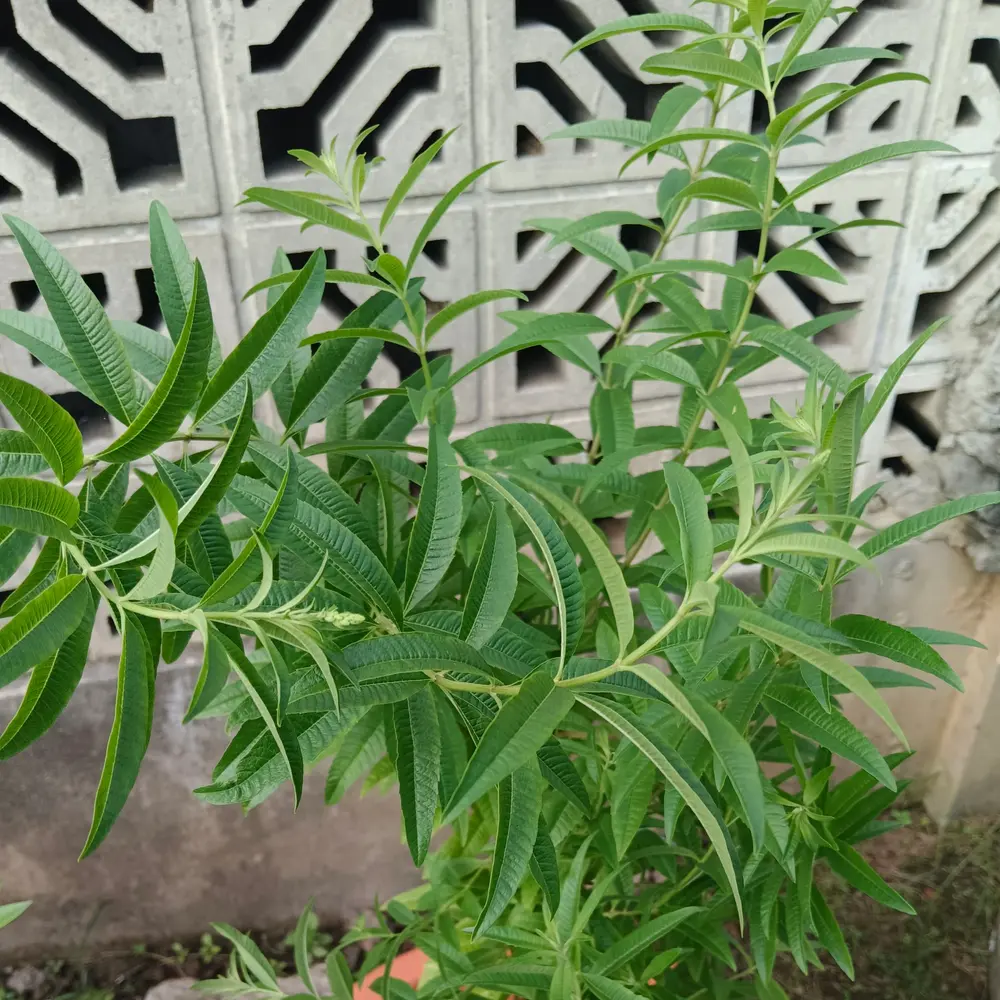
🌸 Everything You Need to Know About Aloysia brasiliensis
Aloysia brasiliensis
By the Greg Editorial Team
Feb 27, 2025•11 min read
This article was created with the help of AI so we can cover more plants for you. May contain errors. See one? Report it here.
- 🌞 Aloysia brasiliensis needs 6-8 hours of sunlight daily for optimal growth.
- 🌱 Plant in well-draining loam with a pH of 6.0 to 7.5 for best results.
- 🐝 Attracts pollinators and repels pests, enhancing your garden's biodiversity naturally.
How to Grow
Choosing a Location 🌞
To thrive, Aloysia brasiliensis needs full sun exposure, ideally 6-8 hours daily. When deciding between outdoor or container growing, consider your available space and local climate conditions.
Soil Preparation 🌱
For optimal growth, use well-draining, fertile loam. Aim for a soil pH between 6.0 and 7.5, and enhance fertility with compost or organic matter before planting.
Planting Techniques 🌼
Plant your Aloysia brasiliensis 1-2 inches deep and space them 12-18 inches apart if planting outdoors. The best time to plant is in spring, after the last frost has passed.
Watering Requirements 💧
After planting, give your new plants a deep watering to help them establish. Moving forward, water when the top inch of soil feels dry to the touch.
Fertilizing Schedule 🌿
During the growing season, fertilize your plants monthly. A balanced NPK fertilizer works best to support healthy growth.
Pruning Methods ✂️
Prune your Aloysia brasiliensis in early spring, just before new growth begins. Pinching back the tips encourages a bushier and more robust plant.
Ongoing Care 🛡️
If growing in containers, ensure that your pots have adequate drainage holes. For outdoor plants, keep an eye out for pests and diseases to maintain their health and vitality.
With these growing tips, you're well on your way to cultivating a thriving Aloysia brasiliensis. Next, let’s explore how to propagate this delightful plant!
Propagation
🌱 Methods of Propagation
Aloysia brasiliensis can be propagated through two main methods: cuttings and seeds. Each method has its own charm and can yield successful results with a bit of care.
- Cuttings: This method involves taking 4-6 inch stem cuttings, which is moderately challenging but rewarding.
- Seeds: Collecting seeds from mature plants is the easier option and can be quite satisfying.
📋 Step-by-Step Instructions for Each Method
Cuttings
- Select Healthy Stems: Choose robust stems and remove the lower leaves to encourage root growth.
- Rooting Medium: Place the cuttings in a well-draining rooting medium, such as a peat and perlite mix.
- Moisture Maintenance: Keep the medium moist and watch for roots to develop within 2-3 weeks.
Seeds
- Sowing Seeds: Sow seeds on the surface of moist soil, ensuring they have good contact with the substrate.
- Covering: Lightly cover the seeds with soil and maintain warmth around 70°F (21°C) for optimal germination.
- Germination Time: Expect germination to occur within 10-14 days, bringing new life to your garden.
With these propagation techniques, you can expand your Aloysia brasiliensis collection or share the joy of gardening with friends. Next, let’s explore the lifecycle of this fascinating plant and what to expect as it grows.
Lifecycle
Germination 🌱
Seeds of Aloysia brasiliensis typically sprout within 10-14 days. This quick turnaround sets the stage for a vibrant growth journey.
Seedling Stage 🌿
Once germinated, the seedlings begin their initial growth phase. True leaves will start to appear, indicating that the plant is on the right track.
Vegetative Growth 🌳
The vegetative growth phase is where the magic happens. This rapid growth period lasts about 6-8 weeks, allowing the plant to establish a strong foundation.
Flowering 🌸
Flowering kicks off in late summer and continues until fall. During this time, the plant showcases its beautiful blooms, attracting pollinators and enhancing garden aesthetics.
Seed Production 🌾
After flowering, seeds develop, ensuring the cycle continues. This natural process allows for propagation and the potential for new plants.
Full Maturity 🌼
Aloysia brasiliensis reaches full maturity approximately 3-4 months after planting. At this stage, the plant is robust, ready to thrive in your garden or container.
This lifecycle highlights the resilience and beauty of Aloysia brasiliensis, making it a rewarding addition to any garden. Next, we’ll explore how to maximize its growth potential through proper care and maintenance.
Size
Mature Height and Spread 🌱
Aloysia brasiliensis typically reaches a mature height of 2 to 3 feet tall. Its spread is similar, ranging from 2 to 3 feet wide, making it a compact yet impactful addition to your garden.
Growth Rate and Size Variability 📏
The growth rate of this plant is moderate, which means it won't take over your garden overnight. However, its size can vary significantly based on environmental factors, such as soil quality and sunlight exposure, so keep that in mind when planning your planting strategy.
Understanding these characteristics will help you create the ideal environment for Aloysia brasiliensis to thrive. As you move forward, consider how these size factors will influence your garden layout and companion planting choices.
Roots
Characteristics of the Root System 🌱
Aloysia brasiliensis features a fibrous root system that is typically shallow. This means the roots spread horizontally, allowing the plant to efficiently absorb nutrients and water from the top layers of soil.
Common Root-Related Issues and Solutions ⚠️
Root rot is a common issue caused by overwatering. To prevent this, ensure your plant has proper drainage to keep the roots healthy.
Squishy roots are another sign of poor health. If you notice this, adjust your watering practices to avoid further damage.
Identifying Healthy vs. Unhealthy Roots 🔍
Healthy roots are firm, white, and spread throughout the soil, indicating a thriving plant. In contrast, unhealthy roots appear dark, mushy, or may even emit a foul smell.
Recognizing Rootbound Plants and Management Strategies 🪴
If you see roots growing out of the drainage holes, your plant may be rootbound. The best solution is to repot it into a larger container or divide the plant to give it more room to grow.
Understanding the root system of Aloysia brasiliensis is crucial for its overall health. With proper care, you can ensure your plant thrives and flourishes.
Next, we will explore the numerous benefits of growing this aromatic herb in your garden.
Benefits
🌟 Top 5 Benefits of Aloysia brasiliensis
Aloysia brasiliensis, commonly known for its aromatic leaves, brings a wealth of benefits to your garden and kitchen. Here are the top five reasons to consider adding this plant to your collection.
1. Culinary Enhancement
The fragrant leaves of Aloysia brasiliensis are a delightful addition to various culinary dishes. Their unique flavor can elevate everything from salads to marinades, making your meals more aromatic and delicious.
2. Pollinator Attraction
This plant is a magnet for beneficial pollinators like bees and butterflies. By planting Aloysia brasiliensis, you not only enhance your garden's beauty but also support local ecosystems.
3. Natural Pest Repellent
Aloysia brasiliensis acts as a natural deterrent against common garden pests. Its aromatic oils can help keep unwanted insects at bay, reducing the need for chemical pesticides.
4. Aesthetic Appeal
With its delicate flowers and lush foliage, Aloysia brasiliensis enhances the visual appeal of any garden. Its presence can create a vibrant and inviting atmosphere, making your outdoor space more enjoyable.
5. Cultural Significance
This plant holds cultural importance in various traditional herbal practices. Its uses in folk medicine and culinary traditions highlight its versatility and value beyond just aesthetics.
Incorporating Aloysia brasiliensis into your garden not only enriches your culinary experiences but also contributes positively to the environment. Next, let’s explore how to effectively propagate this remarkable plant.
Companion Plants
🌱 Concept of Companion Planting
Companion planting is all about creating a harmonious garden environment. It enhances diversity, improves pest management, and fosters beneficial relationships between plants.
🌼 Best Companion Plants
When it comes to Aloysia brasiliensis, certain companions shine.
- Marigolds: These vibrant flowers not only add color but also repel pests, making them a perfect partner.
- Basil: Sharing similar care needs, basil complements Aloysia brasiliensis while enhancing the flavor of nearby culinary plants.
🚫 Plants to Avoid
Be cautious with heavy feeders. These plants can compete for nutrients, potentially stunting the growth of Aloysia brasiliensis and its companions.
By carefully selecting companion plants, you can create a thriving garden that benefits all its inhabitants. This thoughtful approach not only boosts plant health but also enhances your gardening experience.
Toxicity to Humans
Aloysia brasiliensis is not listed as toxic by major poison control centers, making it a safe choice for gardens and kitchens alike. You can handle and consume the leaves in small amounts without worry.
However, it's wise to be aware of potential minor issues. Some individuals may experience mild skin irritation or digestive discomfort if they consume excessive quantities.
Always exercise caution when trying new plants. If you notice any unusual symptoms after handling or consuming Aloysia brasiliensis, seek medical advice promptly.
This aromatic herb can enhance your culinary creations while being generally safe for human interaction. Enjoy its benefits, but remember to respect your body's responses!
Toxicity to Dogs
🐶 Safety First
Aloysia brasiliensis is not listed as toxic by major pet poison control centers, making it a safe choice for dog owners. However, if your furry friend indulges a bit too much, they might experience mild gastrointestinal upset.
To keep your pets safe, it's wise to keep this plant out of their reach. Always monitor your dog's behavior around new plants to ensure they don’t munch on anything they shouldn’t.
With a little precaution, you can enjoy the beauty and benefits of Aloysia brasiliensis without worrying about your canine companions.
Toxicity to Cats
Aloysia brasiliensis is not listed as toxic by major pet poison control centers. This means your feline friends can safely be around this plant without the worry of severe health risks.
However, it's important to note that excessive consumption may lead to mild gastrointestinal upset. To keep your cats safe, ensure that the plants are out of their reach and monitor their behavior around new additions to your home.
By taking these simple precautions, you can enjoy the beauty and benefits of Aloysia brasiliensis while keeping your curious cats safe. If you notice any unusual symptoms in your pets, don't hesitate to consult your veterinarian for advice.
This way, you can maintain a harmonious environment for both your plants and your pets.
Problems
Common Problems 🌱
Incorrect Watering
Watering issues are the most common problems faced by Aloysia brasiliensis growers. Overwatering leads to wilting, while underwatering results in dry, crispy leaves.
To solve this, adjust your watering frequency based on the moisture level of the soil. Check the top inch of soil; if it's dry, it's time to water.
Incorrect Light Conditions
Light conditions can significantly impact plant health. If your plant exhibits leggy growth or scorched leaves, it’s likely not receiving enough sunlight.
Ensure your Aloysia brasiliensis gets full sun exposure for at least 6-8 hours daily to thrive.
Incorrect Temperature
Temperature fluctuations can stunt growth or cause leaf drop. Ideally, maintain temperatures between 60°F and 80°F for optimal growth.
If temperatures stray too far from this range, consider relocating your plant to a more suitable environment.
Diseases
Diseases like powdery mildew and rust can plague your Aloysia brasiliensis. These issues often arise from poor air circulation or overhead watering.
To combat this, improve air circulation around the plant and avoid watering the leaves directly.
Leaf Issues
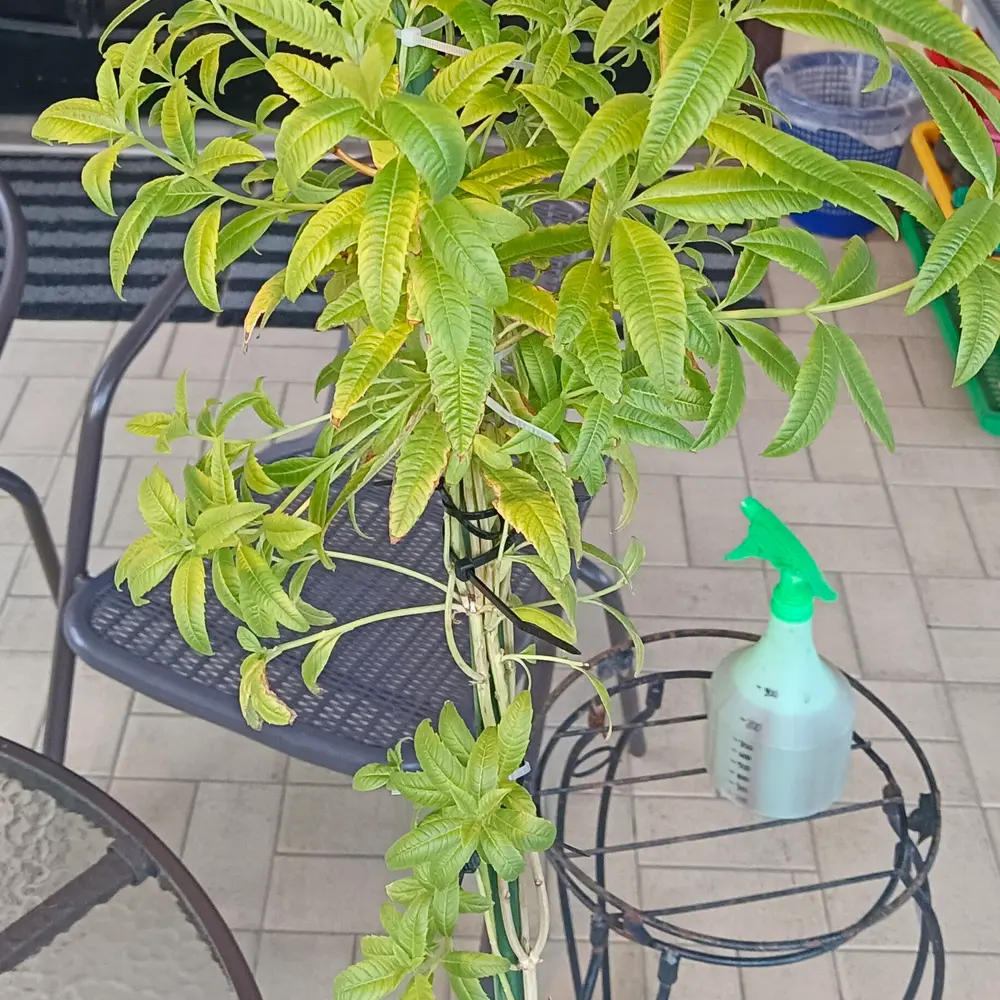
Yellowing or fuzzy growth on leaves can indicate underlying problems. These symptoms often stem from incorrect watering or light conditions.
Assess your watering habits and ensure your plant is receiving adequate light to resolve these leaf issues.
Conclusion 🌟
By addressing these common problems, you can help your Aloysia brasiliensis flourish. With the right care, your plant will reward you with lush growth and aromatic leaves. Next, let’s explore the fascinating world of pests and how to manage them effectively.
Bugs
🐜 Potential Pest Issues
Aloysia brasiliensis is generally pest-resistant, making it a robust choice for your garden. However, it can still fall prey to a few pesky invaders.
🔍 Identification and Damage
Spider Mites
- Signs: Look for fine webbing on the leaves.
- Damage: These tiny pests can cause leaf discoloration and eventual drop.
- Treatment: Increase humidity around the plant and apply insecticidal soap to combat them.
Mealybugs
- Signs: White, cottony masses often appear on stems.
- Damage: They weaken the plant, making it more susceptible to other issues.
- Treatment: Remove them by hand or use neem oil for effective control.
Aphids
- Signs: Sticky residue on leaves and curled foliage are telltale signs.
- Damage: Aphids stunt growth and can lead to further complications.
- Treatment: Introduce ladybugs to your garden or use insecticidal soap to keep them at bay.
By staying vigilant and addressing these common pests promptly, you can ensure your Aloysia brasiliensis thrives beautifully. Next, let’s explore what animals might be interested in snacking on your plants.
What Eats
🦌 Common Animals
Aloysia brasiliensis can attract a variety of hungry visitors. Deer, rabbits, and squirrels are known to nibble on its foliage, which can lead to noticeable damage.
👀 Signs of Animal Presence
Keep an eye out for signs of these critters. Chewed leaves, tracks, or droppings nearby can indicate that your plants are being feasted upon.
🚫 Deterrent Methods
To protect your plants, consider using various deterrent methods.
Chemical Solutions
Commercial repellents can be effective in keeping these animals at bay.
Organic Solutions
Alternatively, planting deterrent species or using physical barriers can provide a more natural approach.
By employing these strategies, you can help ensure your Aloysia brasiliensis thrives without unwanted visitors.
⚠️ Safety First
This content is for general information and may contain errors, omissions, or outdated details. It is not medical, veterinary advice, or an endorsement of therapeutic claims.
Always consult a qualified healthcare professional before using any plant as food, medicine, or supplement.
Never eat any plant (or feed one to pets) without confirming its identity with at least two trusted sources.
If you suspect poisoning, call Poison Control (800) 222-1222, the Pet Poison Helpline (800) 213-6680, or your local emergency service immediately.
Spotted an error? Please report it here.
Unlock the secret to thriving Aloysia brasiliensis 🌿 with Greg's tailored care tips and reminders, ensuring your plants bask in sunlight and flourish in your garden!