Aloysia barbata var. barbata: A Comprehensive Overview
Aloysia barbata var. barbata
By the Greg Editorial Team
Feb 27, 2025•11 min read
This article was created with the help of AI so we can cover more plants for you. May contain errors. See one? Report it here.
- 🌞 Aloysia barbata thrives in full sun, growing 3-4 feet tall and 2-3 feet wide.
- 🌱 Use well-draining soil with pH 6.0-7.5 for optimal growth and health.
- 🐞 Attracts pollinators and repels pests, making it a valuable garden addition.
How to Grow
Choosing a Location 🌍
Aloysia barbata var. barbata thrives in full sun to partial shade, making it versatile for various garden settings. Ensure you allow enough space for the plant to reach its mature dimensions of 3-4 feet in height and spread.
Soil Preparation 🏞️
For optimal growth, use well-draining, fertile soil. The ideal pH level ranges from 6.0 to 7.5, and good drainage is crucial to prevent root rot.
Planting Techniques 🌱
When planting, space your plants 2-3 feet apart to promote healthy growth. Seeds or cuttings should be planted at a depth of 1-2 inches for best results.
Watering Requirements 💧
Watering should be based on soil moisture; aim to keep the soil consistently moist but not waterlogged. Utilizing drip irrigation or deep watering techniques can significantly encourage robust root growth.
Fertilizing Schedule 🌿
A balanced NPK fertilizer (10-10-10) is recommended for Aloysia barbata. Fertilize every 4-6 weeks during the growing season to ensure your plants receive the nutrients they need.
Pruning Practices ✂️
Prune in early spring before new growth begins to maintain plant health. Focus on removing dead or damaged stems and shaping the plant to improve air circulation.
Ongoing Care 🔍
Regularly monitor your plants for signs of stress or disease. Be prepared to adjust your care routine seasonally, such as reducing watering during the winter months.
This comprehensive approach to growing Aloysia barbata will set you up for success. Next, let’s explore how to propagate this resilient plant effectively.
Propagation
🌱 Seed Propagation
To start with seed propagation, soak your seeds for 24 hours before planting. This simple step helps kickstart the germination process.
For optimal growth, maintain warm temperatures between 70°F to 75°F and ensure consistent moisture. These conditions create a nurturing environment for your seeds to thrive.
✂️ Cutting Propagation
When propagating through cuttings, select healthy stems that are 4-6 inches long. This ensures that your cuttings have the best chance of rooting successfully.
For rooting, use a mix of peat and perlite. This combination provides excellent drainage and aeration, crucial for healthy root development.
🌿 Division Propagation
Division propagation is best done every 2-3 years in early spring. This timing allows the plant to recover quickly and promotes vigorous growth.
To divide, carefully separate the root clumps and replant them. This method not only rejuvenates the plant but also gives you new specimens to enjoy or share.
With these propagation techniques, you can expand your Aloysia barbata var. barbata collection and enjoy its many benefits. Now, let’s explore the lifecycle of this fascinating plant.
Lifecycle
Stages of Growth 🌱
Aloysia barbata var. barbata progresses through several distinct stages: seed or cutting, germination, seedling, vegetative growth, flowering, and seed production. This plant typically thrives as a perennial, boasting a lifespan of 3 to 5 years.
Germination Process and Timeline ⏳
The germination process is crucial for successful growth. Under optimal conditions, expect germination to take about 7 to 14 days.
Growth Rate 📈
Once germinated, Aloysia barbata var. barbata takes approximately 1 to 2 years to reach full maturity. Its growth rate is moderate, but with the right conditions, you can enjoy faster development.
This lifecycle overview highlights the importance of nurturing your plant through each stage. Understanding these phases can help you provide the best care and ensure a thriving garden.
Size
Mature Dimensions 🌱
Aloysia barbata var. barbata typically reaches a mature height of 3-4 feet and spreads about 2-3 feet wide. This makes it a manageable size for various garden settings, whether in a border or as a standalone feature.
Growth Rate and Factors ⚡️
The growth rate of this plant is influenced by several key factors, including light, water, and soil quality. Providing optimal conditions can lead to a more vigorous growth, allowing the plant to thrive and reach its full potential.
Size Variability 📏
It's important to note that size can vary significantly depending on the growing environment. Plants in containers may not achieve the same dimensions as those planted directly in the garden, so consider your planting choice carefully.
This understanding of size and growth will help you create the ideal conditions for Aloysia barbata var. barbata, setting the stage for its successful cultivation. Next, let’s explore the root system characteristics that support this plant's growth.
Roots
🌱 Root System Characteristics
Aloysia barbata var. barbata features a fibrous root system that plays a crucial role in its growth. Typically, the roots extend 12-18 inches deep, allowing the plant to access nutrients and water efficiently.
⚠️ Common Root-Related Issues
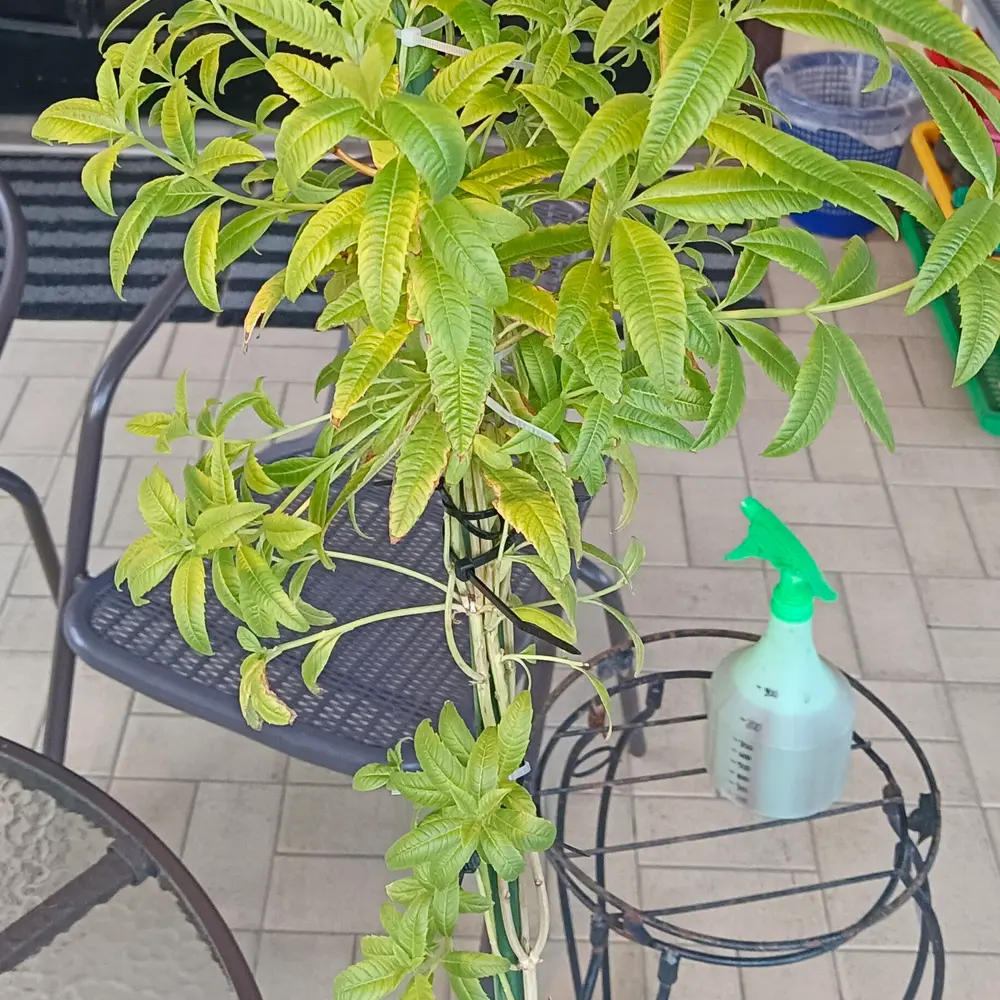
Root health is vital for the overall well-being of the plant. Overwatering can lead to root rot, which manifests as wilting and yellowing leaves. Conversely, a rootbound condition occurs when the roots become cramped, leading to stunted growth and circling roots.
👀 Visual Cues for Healthy vs. Unhealthy Roots
Identifying root health is essential for effective plant care. Healthy roots are firm and white, showing no signs of decay. In contrast, unhealthy roots appear dark and mushy, indicating potential rot.
🛠️ Tips for Managing Root Problems
Preventing root rot starts with ensuring proper drainage and avoiding overwatering. Additionally, to recognize rootbound plants, check for roots growing out of drainage holes, which signals it's time to repot or divide the plant.
As you nurture your Aloysia barbata var. barbata, keeping an eye on the roots will help you maintain a thriving plant. Next, let’s explore the various benefits this aromatic herb brings to your garden.
Benefits
Top 5 Benefits 🌟
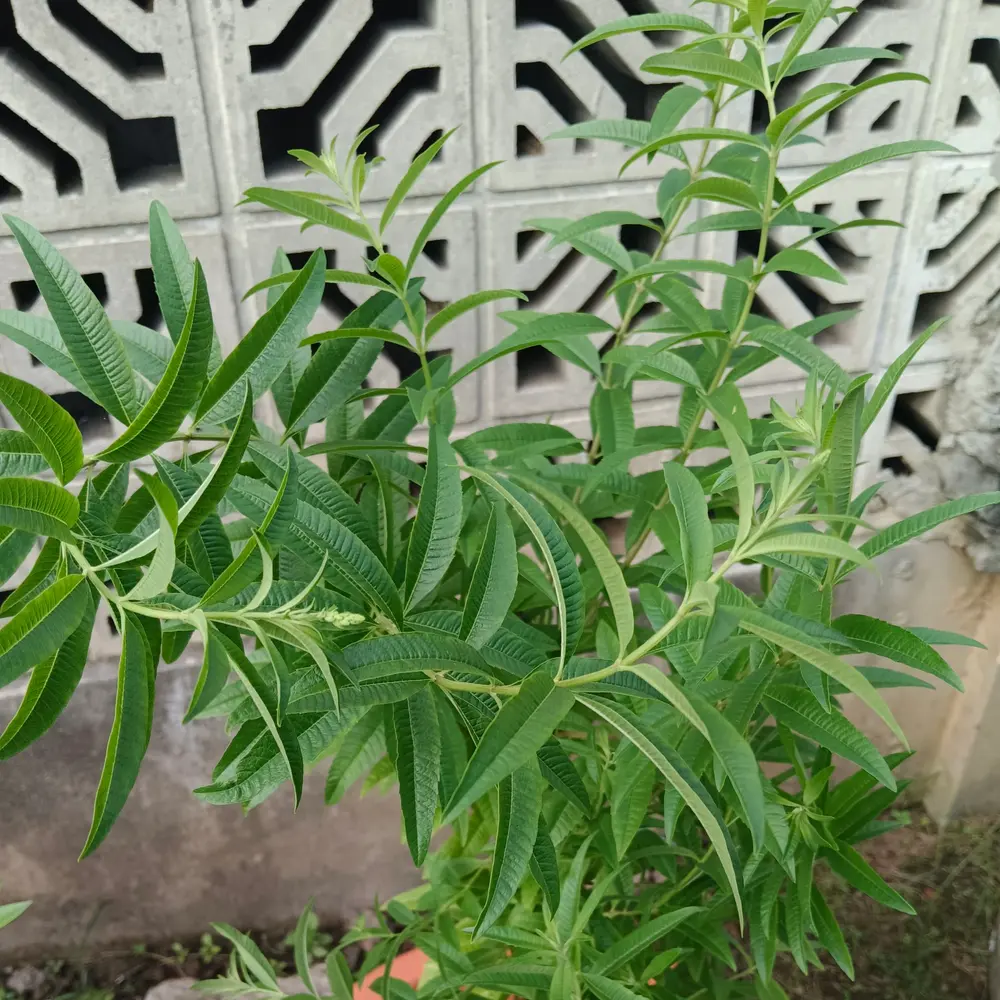
Aloysia barbata var. barbata, commonly known for its aromatic leaves, offers a range of benefits that make it a valuable addition to any garden.
Aromatic Leaves for Culinary Uses
The fragrant leaves of this plant are not just pleasing to the senses; they can enhance a variety of dishes. Whether used fresh or dried, they add a unique flavor to culinary creations.Attracts Beneficial Pollinators to the Garden
This plant is a magnet for pollinators like bees and butterflies. By planting Aloysia barbata, you can help support local ecosystems and promote biodiversity in your garden.Natural Pest Repellent Properties
One of the standout features of Aloysia barbata is its ability to repel pests. Its strong scent can deter unwanted insects, reducing the need for chemical pesticides.Ornamental Value with Lush Foliage
With its vibrant green leaves, this plant adds visual interest to any landscape. Its lush foliage can serve as a beautiful backdrop for other plants, enhancing the overall aesthetic.Cultural Significance in Traditional Herbal Medicine
Historically, Aloysia barbata has been used in various herbal remedies. Its cultural significance adds depth to its appeal, making it not just a plant, but a part of herbal traditions.
Incorporating Aloysia barbata into your garden not only beautifies your space but also enriches your culinary experiences and supports the environment. As we move forward, let’s explore how to propagate this versatile plant effectively.
Companion Plants
🌱 Companion Planting Benefits
Companion planting is a fantastic way to enhance your garden's diversity and improve pest management. By strategically placing plants together, you can create a more resilient ecosystem that naturally deters pests and promotes healthy growth.
🌼 Compatible Companion Plants
When it comes to Aloysia barbata var. barbata, several companions thrive alongside it. Consider planting basil, marigolds, and other aromatic herbs. These plants not only share similar care needs but also possess pest-repelling properties that benefit the entire garden.
🚫 Plants to Avoid
While many plants can coexist harmoniously, it's wise to avoid heavy feeders. These plants compete for nutrients, potentially stunting the growth of Aloysia barbata. Keeping your garden balanced ensures that all plants can flourish without unnecessary competition.
By choosing the right companions, you can create a thriving garden that supports both your Aloysia barbata and its neighbors. This thoughtful approach to planting will lead to a healthier, more vibrant garden space.
Toxicity to Humans
Safety Profile 🌱
Aloysia barbata var. barbata is generally considered safe for humans. Major poison control centers do not list it as toxic, which is a relief for those who enjoy gardening and culinary experimentation.
Potential Minor Issues ⚠️
While the plant is safe, consuming it in large quantities may lead to mild skin irritation or digestive discomfort. It's always wise to exercise caution and consult a medical professional if you experience any unusual symptoms.
Cautionary Advice 👀
Even though serious reactions are rare, being mindful of how much you handle or consume is a good practice. Keeping an eye on your body’s responses can help ensure a safe and enjoyable experience with this aromatic herb.
Toxicity to Dogs
Safety for Dogs 🐶
Aloysia barbata var. barbata is not considered toxic by major pet poison control centers. This means your furry friends can roam around it without major concerns.
However, if dogs consume large quantities, they might experience mild gastrointestinal upset. It's always wise to monitor their behavior around new plants, just to be safe.
Tips for Dog Owners 🐾
To keep your dog safe, consider placing the plant in an area that's less accessible to them. Regularly check for any signs of unusual behavior or discomfort after they’ve been near the plant.
By taking these simple precautions, you can enjoy the beauty of Aloysia barbata while ensuring your dog's well-being. Now, let’s explore how this plant interacts with our feline friends.
Toxicity to Cats
Safety for Cats 🐱
Aloysia barbata var. barbata is not considered toxic by major pet poison control centers. This means your feline friends can safely roam around this plant without the risk of severe health issues.
Potential Minor Issues ⚠️
While generally safe, consuming large quantities might lead to mild gastrointestinal upset in cats. It's always a good idea to monitor your pet's behavior if they show interest in nibbling on the leaves.
Tips for Care 🛡️
To ensure a safe environment, place the plant in areas that are less accessible to your cats. Regularly check their behavior around new plants to catch any unusual reactions early on.
With these precautions, you can enjoy the beauty of Aloysia barbata var. barbata while keeping your furry companions safe.
Problems
Common Problems 🌱
Growing Aloysia barbata var. barbata can come with its share of challenges.
Incorrect Watering
One of the most common issues is improper watering. Overwatering can lead to root rot, while underwatering may cause wilting and stress.
Incorrect Light Conditions
Light conditions also play a crucial role. Insufficient light can result in leggy growth, while too much sun can scorch the leaves.
Diseases
Fungal diseases like powdery mildew and rust can affect the plant's health. These issues often arise in humid conditions or when air circulation is poor.
Root Problems
Root-related issues are another concern. Signs of root rot include mushy roots and yellowing leaves, indicating that the plant is struggling.
Solutions 💡
Addressing these problems requires a proactive approach.
Adjusting Watering Practices
Start by fine-tuning your watering schedule. Ensure the soil is consistently moist but not soggy, and always check the moisture level before watering.
Improving Air Circulation
Enhancing air circulation around the plant can help prevent fungal diseases. Pruning and spacing plants appropriately can make a significant difference.
By staying vigilant and responsive to these common problems, you can keep your Aloysia barbata thriving. Next, let’s explore the various pests that might pose a threat to your plant.
Bugs
🐛 Potential Pest Issues
Aloysia barbata var. barbata is generally known for its moderate pest resistance. However, it can still fall prey to a few common pests that gardeners should be aware of.
🦠 Common Pests
The most frequent offenders include spider mites, aphids, and whiteflies. These pests can cause noticeable damage, leading to wilting, yellowing leaves, and stunted growth if not addressed promptly.
🧪 Treatment Options
For effective pest management, consider using organic treatments like neem oil and insecticidal soap. These options are not only effective but also environmentally friendly, helping you maintain a healthy garden ecosystem.
By staying vigilant and employing these treatments, you can keep your Aloysia barbata thriving and pest-free. Next, let’s explore what animals might be interested in munching on your plants.
What Eats
🦌 Common Animals
Aloysia barbata var. barbata can attract a variety of wildlife. Common visitors include deer, rabbits, and squirrels, all of which may find the plant's lush foliage appealing.
🚨 Signs of Damage
Keep an eye out for signs of animal activity. Chewed leaves, droppings, and tracks around your plants can indicate that these critters are munching on your Aloysia.
🛡️ Deterrent Methods
To protect your plants, consider implementing a few deterrent strategies.
- Fencing: A physical barrier can effectively keep larger animals like deer out.
- Repellents: Use chemical or organic repellents to discourage nibbling.
- Companion Planting: Pairing Aloysia with plants that animals dislike can also help deter them.
By being proactive, you can enjoy the beauty of Aloysia barbata var. barbata without the worry of unwanted munchers.
⚠️ Safety First
This content is for general information and may contain errors, omissions, or outdated details. It is not medical, veterinary advice, or an endorsement of therapeutic claims.
Always consult a qualified healthcare professional before using any plant as food, medicine, or supplement.
Never eat any plant (or feed one to pets) without confirming its identity with at least two trusted sources.
If you suspect poisoning, call Poison Control (800) 222-1222, the Pet Poison Helpline (800) 213-6680, or your local emergency service immediately.
Spotted an error? Please report it here.
Grow your Aloysia barbata like a pro 🌱 with Greg's custom watering alerts and fertilization tips, ensuring a thriving plant that enhances both your garden and your culinary creations!