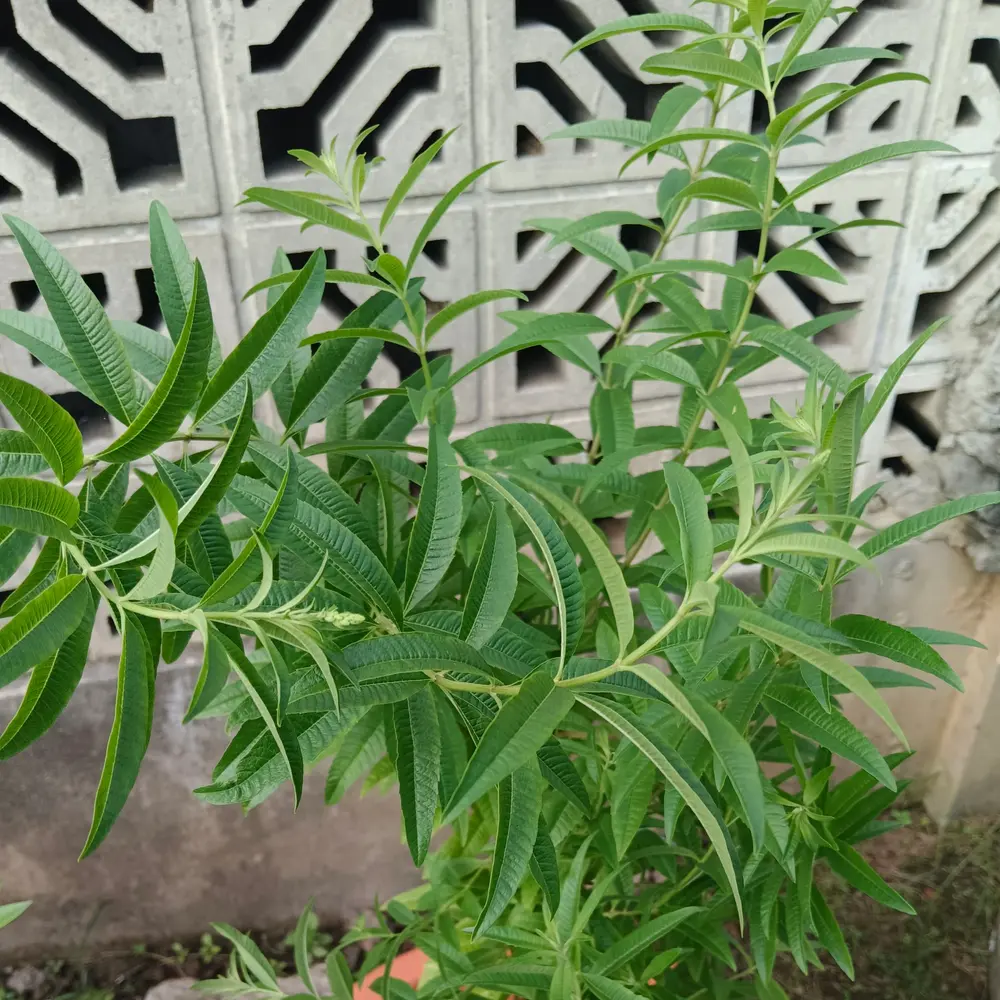
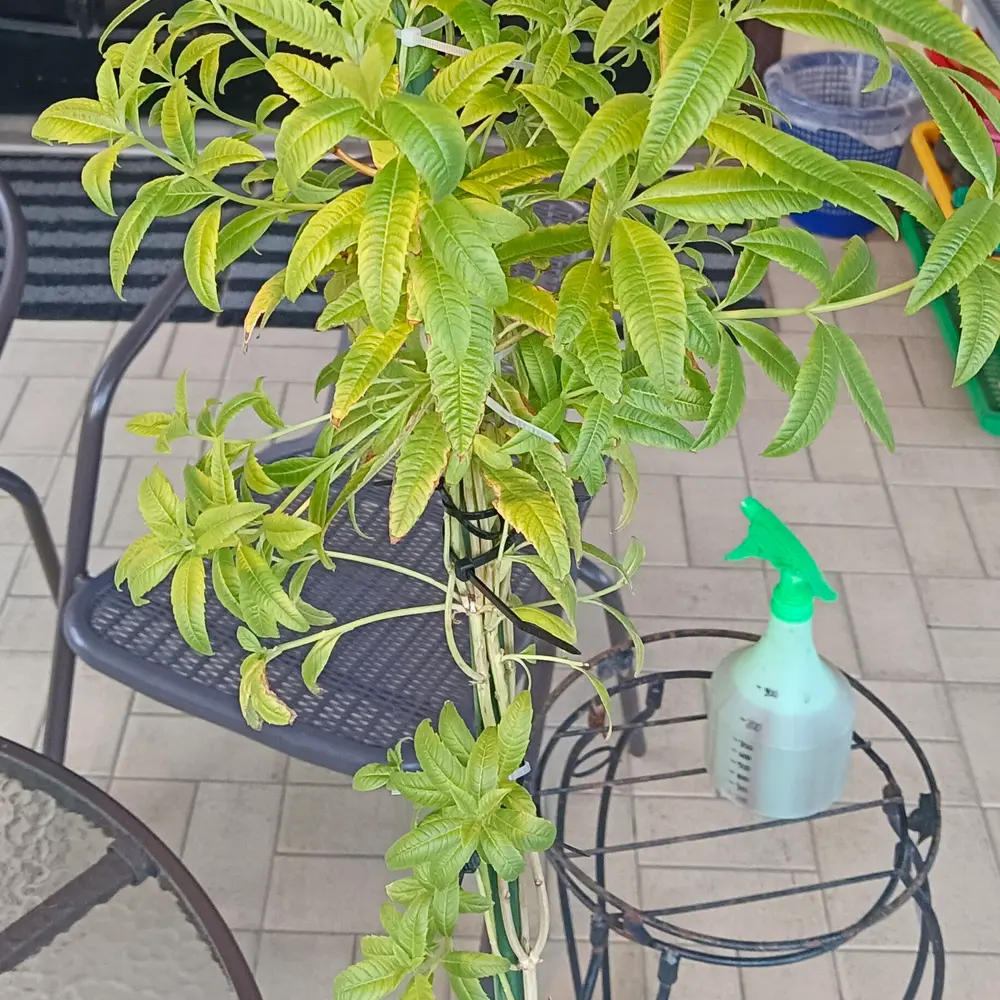
🌿 Aloysia barbata Explained: Key Information
Aloysia barbata
By the Greg Editorial Team
Feb 27, 2025•10 min read
This article was created with the help of AI so we can cover more plants for you. May contain errors. See one? Report it here.
Elevate your garden with Aloysia barbata, a fragrant plant that attracts pollinators and enhances your culinary creations! 🌿
- 🌞 Aloysia barbata thrives in full sun, needing 6-8 hours of sunlight daily.
- 🌱 Plant in well-draining soil with pH 6.0-7.5 for optimal growth.
- 🌿 Prune in spring to encourage new growth and maintain plant health.
How to Grow
🌞 Choosing a Location
Aloysia barbata thrives in full sun, requiring 6 to 8 hours of sunlight daily. Ensure you provide enough space for its mature dimensions, which can reach 3 to 5 feet tall and wide.
🌱 Soil Preparation
For optimal growth, plant in well-draining, fertile soil. Aim for a soil pH between 6.0 and 7.5 to create the best environment and prevent root rot.
🌿 Planting Techniques
When planting, space your plants 2 to 3 feet apart to allow for adequate air circulation. Ensure that the planting depth is level with the soil surface to promote healthy growth.
💧 Watering Requirements
Water your Aloysia barbata when the top inch of soil feels dry. Use deep watering techniques to encourage robust root development.
🌼 Fertilizing Schedule
Utilize a balanced NPK fertilizer, such as 10-10-10, to nourish your plants. Apply this monthly during the growing season for best results.
✂️ Pruning Practices
Prune your plants in early spring, just before new growth begins. Focus on removing any dead or damaged stems to promote a healthy appearance.
🔍 Ongoing Care
Regularly monitor your plants for pests and diseases to catch any issues early. Adjust your care routine based on seasonal changes to keep your Aloysia barbata thriving.
With these guidelines, you'll set the stage for a flourishing Aloysia barbata garden. Next, let's explore how to propagate this delightful plant effectively.
Propagation
🌱 Seed Propagation
To start propagating Aloysia barbata from seeds, soak them in water for 24 hours before planting. This simple step helps kickstart the germination process, which thrives in a warm, moist environment for about 2-3 weeks.
✂️ Cutting Propagation
Another effective method is taking cuttings. Snip 4-6 inch cuttings from healthy stems, ideally in spring or early summer, to encourage robust growth and establish new plants.
Propagation can be a rewarding experience, allowing you to expand your garden with minimal effort. Whether you choose seeds or cuttings, both methods offer a chance to connect with this aromatic plant.
Lifecycle
Stages of Growth 🌱
Aloysia barbata goes through several distinct stages in its lifecycle. It starts from seed or cutting, progresses to germination, then to seedling, followed by vegetative growth, flowering, and finally seed production.
Lifespan ⏳
This plant typically lives for about 3 to 5 years. With proper care, you can enjoy its beauty and benefits throughout its lifespan.
Growth Rate 📈
Expect a moderate growth rate, with Aloysia barbata reaching its full size in just 1 to 2 years. This means you won't have to wait long to see it flourish in your garden.
As you nurture this plant, keep an eye on its growth stages to ensure it thrives. Understanding its lifecycle will help you provide the right care at each phase, leading to a vibrant and healthy plant.
Size
Mature Dimensions 🌳
Aloysia barbata typically reaches a mature height and spread of 3 to 5 feet. This size makes it a substantial addition to any garden or landscape.
Growth Rate 📈
The growth rate of Aloysia barbata is moderate, largely influenced by the amount of sunlight and water it receives. With optimal conditions, you can expect it to flourish within 1 to 2 years.
Size Variability 📏
It's important to note that size can vary depending on the growing environment. Plants in containers may not reach the same dimensions as those planted directly in garden beds, so plan accordingly based on your space.
As you consider adding Aloysia barbata to your garden, keep in mind its size and growth characteristics. This knowledge will help you create a thriving environment for this beautiful plant.
Roots
Root System Characteristics 🌱
Aloysia barbata features a fibrous root system that is essential for its stability and nutrient uptake. Typically, the roots extend to a depth of 12-18 inches and spread beyond the plant's canopy, allowing for effective absorption of water and nutrients.
Common Root-Related Issues ⚠️
One of the most common problems is root rot, which occurs due to overwatering. Additionally, plants in containers may become rootbound when their roots fill the pot, restricting growth and health.
Visual Cues for Healthy vs. Unhealthy Roots 👀
Healthy roots are firm, white, and spread out, indicating a robust plant. In contrast, unhealthy roots appear dark, mushy, or may emit a foul smell, signaling potential issues that need addressing.
Tips for Managing Root Problems 🛠️
To recognize rootbound plants, look for roots growing out of the drainage holes. The best solution is to repot the plant into a larger container, giving it the space it needs to thrive.
With a solid understanding of root health, you can ensure your Aloysia barbata flourishes. Next, let’s explore the benefits this plant brings to your garden.
Benefits
Top 5 Benefits 🌟
Aloysia barbata, commonly known as lemon verbena, offers a variety of benefits that make it a fantastic addition to any garden.
Aromatic Leaves for Culinary Uses: The fragrant leaves are perfect for enhancing dishes, teas, and desserts. Their citrusy aroma adds a refreshing twist to culinary creations.
Attracts Pollinators to the Garden: This plant is a magnet for bees and butterflies, promoting biodiversity and a healthy ecosystem in your garden.
Ornamental Value with Attractive Flowers: With its delicate flowers, Aloysia barbata not only serves practical purposes but also adds visual appeal to your landscape.
Drought-Tolerant Once Established: After becoming established, this plant requires minimal watering, making it an excellent choice for low-maintenance gardening.
Potential Medicinal Properties in Traditional Practices: Historically, lemon verbena has been used in herbal remedies, showcasing its versatility beyond just culinary uses.
Cultural Significance 🌍
In South America, Aloysia barbata holds a special place in herbal teas and traditional medicine. Its leaves are often brewed for their soothing properties, reflecting the plant's deep-rooted cultural significance.
This connection to traditional practices not only highlights its benefits but also enriches your gardening experience by linking you to a broader history.
Companion Plants
Companion Planting Benefits 🌱
Companion planting is a fantastic way to enhance your garden's diversity while managing pests naturally. By strategically placing plants together, you can create a thriving ecosystem that supports growth and deters unwanted visitors.
Beneficial Companion Plants 🌼
When it comes to Aloysia barbata, consider pairing it with basil, marigolds, and other herbs. These companions not only complement the aromatic qualities of Aloysia but also attract beneficial insects that help keep pests at bay.
Plants to Avoid 🚫
While companion planting can be beneficial, it's essential to avoid plants that require excessive moisture. These can compete for water and nutrients, potentially harming your Aloysia's growth and overall health.
Transitioning to the next section, understanding the potential problems that can arise in your garden will help you maintain a vibrant and healthy environment for your plants.
Toxicity to Humans
Safety Overview 🛡️
Aloysia barbata is generally considered safe and is not listed as toxic by major poison control centers. However, consuming large quantities may lead to mild skin irritation or digestive discomfort.
Cautionary Notes ⚠️
It's always wise to exercise caution. If you experience any unusual symptoms after contact or consumption, seeking medical advice is recommended.
This plant can be a delightful addition to your garden, but being informed about its safety ensures a worry-free experience. Now, let's explore how Aloysia barbata interacts with our furry friends!
Toxicity to Dogs
Safety Overview 🐶
Aloysia barbata is not considered toxic to dogs according to major pet poison control centers. This means you can enjoy this aromatic plant in your garden without worrying about your furry friends getting sick.
Potential Minor Issues ⚠️
While it's generally safe, consuming large quantities may lead to mild gastrointestinal upset in dogs. It's always a good idea to monitor your pet's behavior around plants, just to be safe.
Tips for Safety 🛡️
To keep your dog safe, place Aloysia barbata out of reach. Regularly check your pet's interactions with the plant to ensure they aren't nibbling on it excessively.
This way, you can enjoy the beauty and benefits of Aloysia barbata while keeping your canine companion happy and healthy.
Toxicity to Cats
Safety Overview 🐱
Aloysia barbata is not considered toxic to cats according to major pet poison control centers. This means you can enjoy this aromatic plant without worrying about your feline friends getting sick.
Potential Minor Issues ⚠️
While it's generally safe, consuming large quantities might lead to mild gastrointestinal upset. It's always a good idea to monitor your cat's behavior around plants.
Tips for Safety 🛡️
To keep your cat safe, place Aloysia barbata out of reach. Regularly check for any signs of nibbling and ensure they have plenty of safe alternatives to munch on.
With these precautions, you can enjoy the beauty and benefits of Aloysia barbata while keeping your furry companions safe. Next, let’s explore the common problems that can arise when growing this plant.
Problems
Common Problems 🌱
Growing Aloysia barbata can be rewarding, but it's not without its challenges. Here are some common issues you might encounter:
- Incorrect Watering: Overwatering can lead to root rot, while underwatering may cause wilting.
- Incorrect Light Conditions: Insufficient sunlight can result in leggy growth, while too much can scorch the leaves.
- Diseases: Fungal problems like powdery mildew can affect plant health.
- Root Problems: Watch for signs of root rot or squishy roots, which indicate poor drainage.
Identification and Solutions 🔍
Identifying problems early is key to maintaining a healthy plant. Here are some symptoms to look for:
- Symptoms: Yellowing leaves often signal overwatering, while wilting indicates underwatering. Stunted growth can be a sign of inadequate light or nutrient issues.
To address these problems, consider the following solutions:
- Adjust Watering Practices: Ensure you’re watering appropriately based on the soil's moisture level.
- Improve Drainage: Use well-draining soil and pots with drainage holes to prevent water accumulation.
- Provide Adequate Light: Position your plant where it can receive 6-8 hours of sunlight daily.
By staying vigilant and responsive to these issues, you can keep your Aloysia barbata thriving. Next, let’s explore the potential pest problems that can arise in your garden.
Bugs
Potential Pest Issues 🐜
Aloysia barbata is generally known for its moderate pest resistance. However, it can still attract a few unwelcome guests that may cause trouble.
Identification and Damage 🔍
Keep an eye out for spider mites, which leave fine webbing and cause leaf stippling. Aphids are another culprit, leaving a sticky residue and curling the leaves as they feed.
Treatment Options 💊
To manage these pests, consider using organic methods. Neem oil and insecticidal soap are effective treatments, and introducing beneficial insects can help keep pest populations in check.
With these strategies, you can maintain a healthy Aloysia barbata and enjoy its many benefits. Next, let’s explore what animals might be interested in munching on your plants.
What Eats
Common Animals 🦌
Aloysia barbata can attract a variety of hungry critters. Common visitors include deer, rabbits, squirrels, and rodents, all of which may find your plant a tasty treat.
Signs of Damage 🕵️♂️
Keep an eye out for signs of these munching animals. Look for browsing on leaves, tracks around the plant, and droppings nearby, which can indicate that your Aloysia is being targeted.
Deterrent Methods 🚫
To protect your plant, consider several effective deterrent methods.
- Chemical Repellents: Use sprays designed to deter animals without harming your plants.
- Physical Barriers: Fencing or netting can keep larger animals at bay.
- Companion Planting Strategies: Pairing Aloysia with plants that animals dislike can help ward them off.
By employing these strategies, you can enjoy the beauty and benefits of Aloysia barbata without the worry of it becoming a snack for local wildlife.
Next, let’s explore the potential pest issues that can affect your plant.
⚠️ Safety First
This content is for general information and may contain errors, omissions, or outdated details. It is not medical, veterinary advice, or an endorsement of therapeutic claims.
Always consult a qualified healthcare professional before using any plant as food, medicine, or supplement.
Never eat any plant (or feed one to pets) without confirming its identity with at least two trusted sources.
If you suspect poisoning, call Poison Control (800) 222-1222, the Pet Poison Helpline (800) 213-6680, or your local emergency service immediately.
Spotted an error? Please report it here.
Grow thriving lemon verbena 🌿 with Greg's personalized care tips and watering reminders, ensuring your Aloysia barbata flourishes beautifully in your garden!