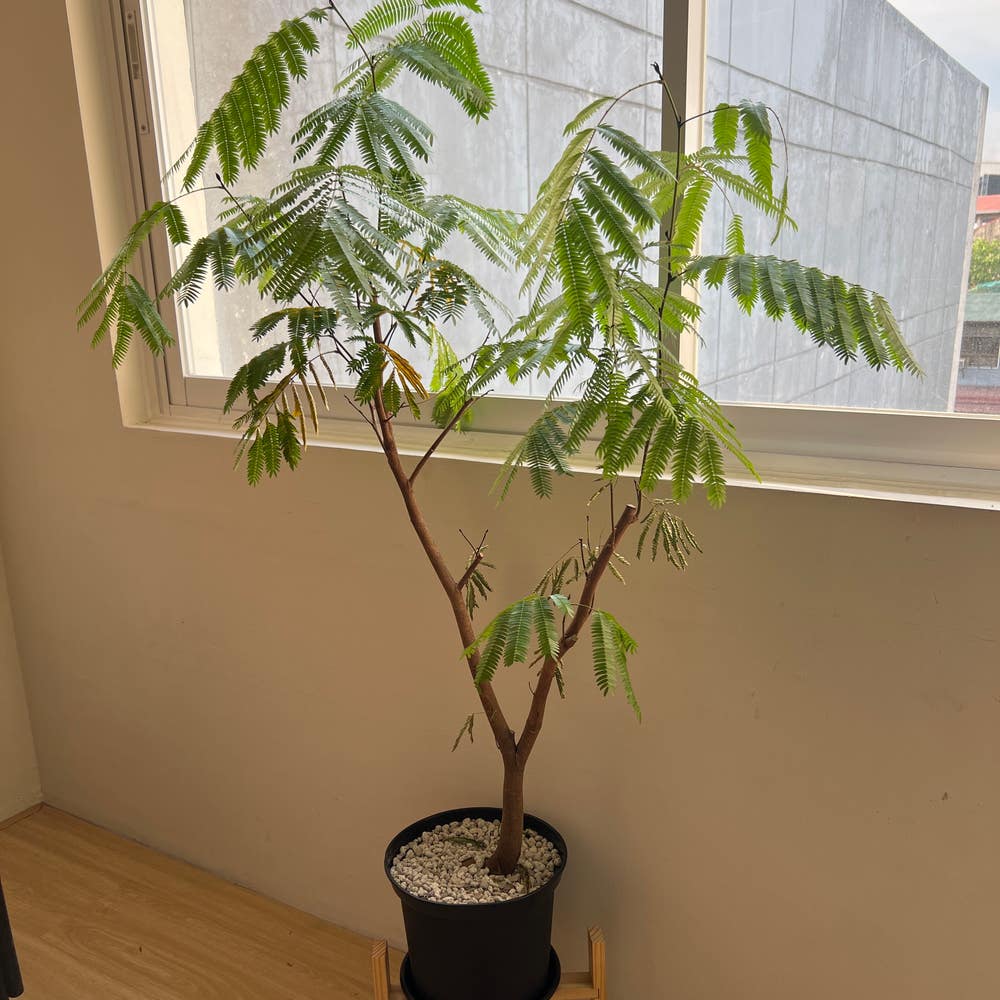
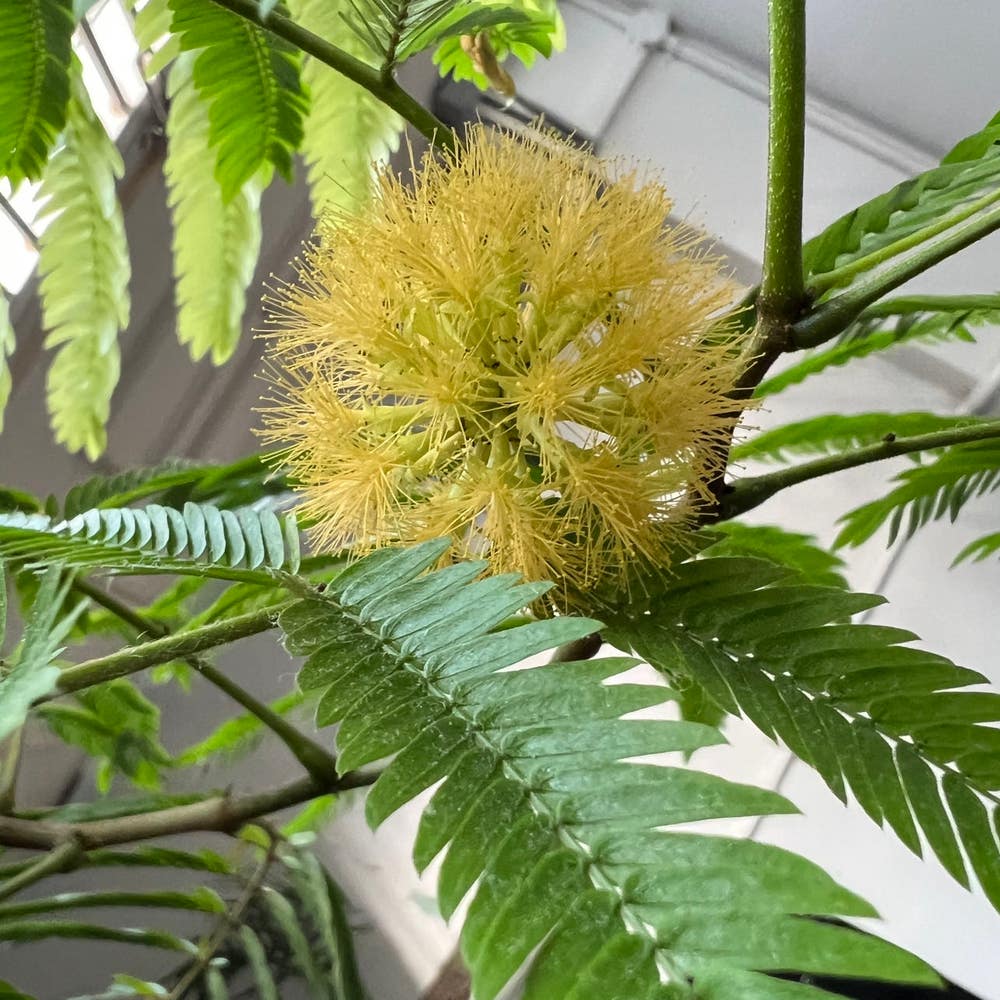
🌳 Introduction to Albizia gummifera var. gummifera
Albizia gummifera var. gummifera
By the Greg Editorial Team
Feb 28, 2025•10 min read
This article was created with the help of AI so we can cover more plants for you. May contain errors. See one? Report it here.
Elevate your garden's beauty and ecology with the stunning Albizia gummifera tree! 🌳🌼
- 🌞 Albizia gummifera thrives in full sun, needing 6-8 hours of sunlight daily.
- 🌱 Optimal growth requires well-drained, fertile soil with a pH of 6.0-7.5.
- 🌳 Regular care, including watering and pruning, ensures a healthy, beautiful tree.
How to Grow
Choosing a Location 🌞
To thrive, Albizia gummifera var. gummifera needs full sun, ideally receiving 6 to 8 hours of sunlight daily. Ensure there's adequate space for its spreading crown, allowing it to flourish without crowding.
Soil Preparation 🌱
This tree prefers well-drained, fertile soil to support its growth. Aim for a soil pH between 6.0 and 7.5, which is slightly acidic to neutral, to create the best environment for your plant.
Planting Techniques 🌳
When planting, dig a hole that is 2 to 3 times the diameter of the root ball. Space your trees 15 to 20 feet apart to promote optimal growth and air circulation.
Watering Requirements 💧
Water your Albizia weekly during dry spells, but reduce frequency during rainy seasons. Deep watering is crucial as it encourages strong root development.
Fertilizing 🌾
Use a balanced NPK fertilizer, such as 10-10-10, to nourish your tree. Fertilize twice a year during the growing season for the best results.
Pruning ✂️
Prune your tree in late winter or early spring before new growth begins. Focus on removing dead or crossing branches to maintain a healthy shape.
Ongoing Care 🛡️
Regularly check your tree for pests and diseases to ensure it remains healthy. Adjust your watering and fertilization based on the growth stage and seasonal changes to keep it thriving.
With these steps, you’ll be well on your way to cultivating a beautiful Albizia gummifera var. gummifera that enhances your landscape. Next, let’s explore how to propagate this stunning tree effectively.
Propagation
Seed Propagation 🌱
To propagate Albizia gummifera var. gummifera from seeds, start by soaking the seeds for 24 hours before planting. This simple step helps kickstart the germination process, which thrives in a warm, moist environment for about 2-4 weeks.
Cutting Propagation ✂️
Another effective method is cutting propagation. For this, take 6-8 inch cuttings from healthy branches during late spring to early summer for the best results.
Both methods are straightforward and can lead to successful growth, allowing you to expand your garden with these beautiful trees. As you explore propagation, consider the unique characteristics of your growing environment to enhance your success.
Lifecycle
Lifecycle Stages 🌱
The lifecycle of Albizia gummifera var. gummifera unfolds in distinct stages.
- Seed Stage: Seeds germinate within 2-4 weeks, marking the beginning of their journey.
- Seedling Stage: True leaves develop within 4-6 weeks, showcasing the plant's potential.
- Vegetative Growth: This rapid growth phase lasts 1-2 years, where the tree establishes its structure.
- Flowering: Expect blooms to appear in the second or third year, adding beauty to your landscape.
- Seed Production: After flowering, seed production typically occurs in late summer, completing the cycle.
Growth Timeline ⏳
Understanding the growth timeline helps set realistic expectations for your Albizia gummifera.
- Time to Maturity: It takes approximately 5-10 years for the tree to reach its full size.
- Growth Rate: Under optimal conditions, expect a moderate to fast growth rate, making it a rewarding addition to your garden.
This lifecycle insight not only enhances your gardening knowledge but also prepares you for the joys and challenges of nurturing this beautiful tree. Next, we’ll explore the impressive size characteristics of Albizia gummifera.
Size
Mature Height and Spread 🌳
Albizia gummifera var. gummifera can reach impressive heights, typically growing between 30 to 50 feet. Its mature spread ranges from 20 to 40 feet, making it a striking addition to any landscape.
Growth Rate and Factors Affecting Size 📈
Under optimal conditions, expect a growth rate of about 2 to 3 feet per year. Several factors influence this growth, including light availability, soil quality, and water supply, all of which play crucial roles in the tree's development.
Understanding these elements can help you create the best environment for your Albizia gummifera, ensuring it thrives and reaches its full potential.
As you plan for its growth, consider how these factors can be adjusted to support your tree's health and size.
Roots
Root System Characteristics 🌳
Albizia gummifera var. gummifera boasts a robust root system. It features a deep taproot complemented by fibrous lateral roots, which help anchor the tree securely.
These roots can reach depths of 3-4 feet, allowing the tree to access moisture and nutrients from deeper soil layers. Additionally, the roots can extend 2-3 times the width of the canopy, providing stability and support.
Common Root-Related Issues ⚠️
Despite its resilience, this tree can face root-related challenges. One common issue is root rot, typically caused by overwatering; ensuring proper drainage is crucial to prevent this problem.
Another concern is becoming rootbound, which occurs when roots circle around the pot. This can be remedied by repotting or transplanting the tree to a larger space.
Visual Cues for Healthy vs. Unhealthy Roots 👀
Recognizing the health of the root system is essential for the overall well-being of the tree. Healthy roots are firm, white, and spread out, indicating a thriving plant.
In contrast, unhealthy roots may appear dark, mushy, or emit a foul smell. Monitoring these cues can help you take timely action to maintain your Albizia gummifera's health.
With a solid understanding of root characteristics and potential issues, you can ensure your tree thrives. Next, let’s explore the numerous benefits this remarkable plant offers.
Benefits
Aesthetic Appeal 🌸
Albizia gummifera var. gummifera is a stunning addition to any landscape. Its beautiful flowers and lush foliage create a vibrant atmosphere, making gardens more inviting.
Ecological Benefits 🌍
This tree is not just a pretty face; it plays a vital role in improving soil fertility. Its nitrogen-fixing properties enrich the soil, benefiting surrounding plants.
Shade Provider ☂️
With its broad canopy, Albizia gummifera offers cooling shade during hot summer days. This makes it an excellent choice for creating comfortable outdoor spaces.
Pollinator Attraction 🐝
The flowers of Albizia gummifera are a magnet for pollinators. Bees and butterflies flock to its blooms, supporting local ecosystems and enhancing biodiversity.
Cultural Significance 🎭
Beyond its environmental benefits, this tree holds cultural importance in various traditional practices. It is often utilized in agroforestry, showcasing its versatility and value.
Incorporating Albizia gummifera into your garden not only beautifies your space but also contributes positively to the environment and community. Next, let's explore how to effectively propagate this remarkable tree.
Companion Plants
🌱 Explanation of Companion Planting Benefits
Companion planting is a fantastic way to enhance garden diversity. It promotes healthy ecosystems by creating a balanced environment where plants can thrive together.
🌼 List of Compatible Plants
When considering companion plants for Albizia gummifera var. gummifera, think about:
- Legumes: These plants enhance nitrogen levels in the soil, benefiting nearby flora.
- Marigolds: Known for repelling pests, marigolds also attract beneficial insects, making them a great companion.
🚫 Plants to Avoid
Be cautious with heavy feeders. These plants may compete for nutrients and water, potentially stunting the growth of your Albizia.
By choosing the right companions, you can create a thriving garden that supports both your Albizia and the surrounding ecosystem. This thoughtful approach not only enhances beauty but also promotes plant health.
Toxicity to Humans
Safety Overview 🛡️
Albizia gummifera var. gummifera is not considered toxic to humans, according to major poison control centers.
However, it's wise to be cautious; consuming large quantities may lead to mild skin irritation or digestive discomfort.
Toxicity to Dogs
Safety Overview 🐶
Albizia gummifera var. gummifera is not considered toxic to dogs, according to veterinary organizations. However, if consumed in large quantities, it may cause mild gastrointestinal upset.
Tips for Introducing to Homes with Dogs 🏡
When bringing this plant into your home, ensure proper placement to keep it out of your dog's reach. It's also wise to monitor your dog's interactions with the plant to prevent any potential issues.
By taking these simple precautions, you can enjoy the beauty of Albizia gummifera while keeping your furry friends safe.
Toxicity to Cats
Safety Overview 🐱
Albizia gummifera var. gummifera is not considered toxic to cats by veterinary organizations. However, if consumed in large quantities, it may cause mild gastrointestinal upset.
Tips for Introducing to Homes with Cats 🏡
When bringing this plant into your home, proper placement is key. Monitor your cat's behavior around the plant to ensure they don't nibble on it excessively.
By keeping an eye on your feline friend, you can enjoy the beauty of Albizia gummifera without worry. Transitioning to a new plant can be exciting, and with a little caution, you can create a safe environment for both your plants and pets.
Problems
Common Problems 🌱
Growing Albizia gummifera var. gummifera can come with its share of challenges. Here are some common issues to watch for:
- Incorrect watering: Look for signs like wilting or yellowing leaves, which indicate your plant may be thirsty or overwatered.
- Incorrect light conditions: If you notice leaf scorch or leggy growth, your tree might not be getting the right amount of sunlight.
- Diseases: Fungal problems such as powdery mildew or rust can affect your plant's health, leading to unsightly foliage.
- Root problems: Root rot is a serious concern, often indicated by mushy roots that can signal overwatering.
- Leaf issues: Yellowing or fuzzy growth can stem from pests or diseases, which need immediate attention.
Identification and Solutions 🔍
Identifying these symptoms early is crucial for effective management. Adjust your care practices accordingly to remedy the situation.
- For watering issues, assess your schedule and ensure you're providing the right amount of moisture.
- If light conditions are off, consider relocating your plant to a more suitable spot.
- Address diseases promptly with appropriate fungicides or by improving air circulation around the plant.
- For root problems, check drainage and adjust your watering habits to prevent further damage.
- Lastly, inspect leaves regularly for pests and treat them with natural or chemical solutions as needed.
By staying vigilant and responsive, you can keep your Albizia gummifera thriving and beautiful. Next, let’s explore the potential pest issues that might affect your plant.
Bugs
🐛 Potential Pest Issues
While Albizia gummifera var. gummifera is generally pest-resistant, it can still attract a few unwelcome visitors. Keeping an eye on your plant will help you catch any issues early.
📋 List of Specific Pests
Here are some specific pests you might encounter:
Spider Mites
These tiny pests can create fine webbing on leaves. To treat them, use insecticidal soap, which effectively eliminates these nuisances.
Mealybugs
Look for cotton-like masses on stems, indicating a mealybug infestation. You can remove them easily with alcohol-soaked cotton balls.
Aphids
These pests leave a sticky residue and can cause leaves to curl. Control aphids by applying neem oil, a natural solution that disrupts their life cycle.
By staying vigilant and addressing these pest issues promptly, you can keep your Albizia gummifera thriving. Next, let’s explore what animals might pose a threat to your plant.
What Eats
Common Animals That May Damage the Plant 🐾
When growing Albizia gummifera var. gummifera, be aware of the common culprits that might munch on your plant.
- Deer: These graceful creatures can strip leaves and break branches, leaving your tree looking a bit ragged.
- Rabbits: Known for their nibbling habits, rabbits may chew on stems and leaves, which can stunt growth.
- Squirrels: These agile animals can cause bark damage and may even consume seeds, impacting your plant's health.
Deterrent Methods 🚫
To protect your Albizia from these hungry visitors, consider implementing some effective deterrent methods.
- Fencing: Installing barriers around your garden can keep larger animals like deer at bay.
- Repellents: Utilize commercial or homemade solutions to deter animals. Sprays with strong scents can be particularly effective.
By taking these precautions, you can help ensure your Albizia thrives without unwanted visitors. Next, let’s explore the common problems that may arise while caring for this beautiful tree.
⚠️ Safety First
This content is for general information and may contain errors, omissions, or outdated details. It is not medical, veterinary advice, or an endorsement of therapeutic claims.
Always consult a qualified healthcare professional before using any plant as food, medicine, or supplement.
Never eat any plant (or feed one to pets) without confirming its identity with at least two trusted sources.
If you suspect poisoning, call Poison Control (800) 222-1222, the Pet Poison Helpline (800) 213-6680, or your local emergency service immediately.
Spotted an error? Please report it here.
Grow a thriving Albizia gummifera 🌳 with Greg's tailored care reminders and expert tips to ensure your tree flourishes beautifully in your landscape!