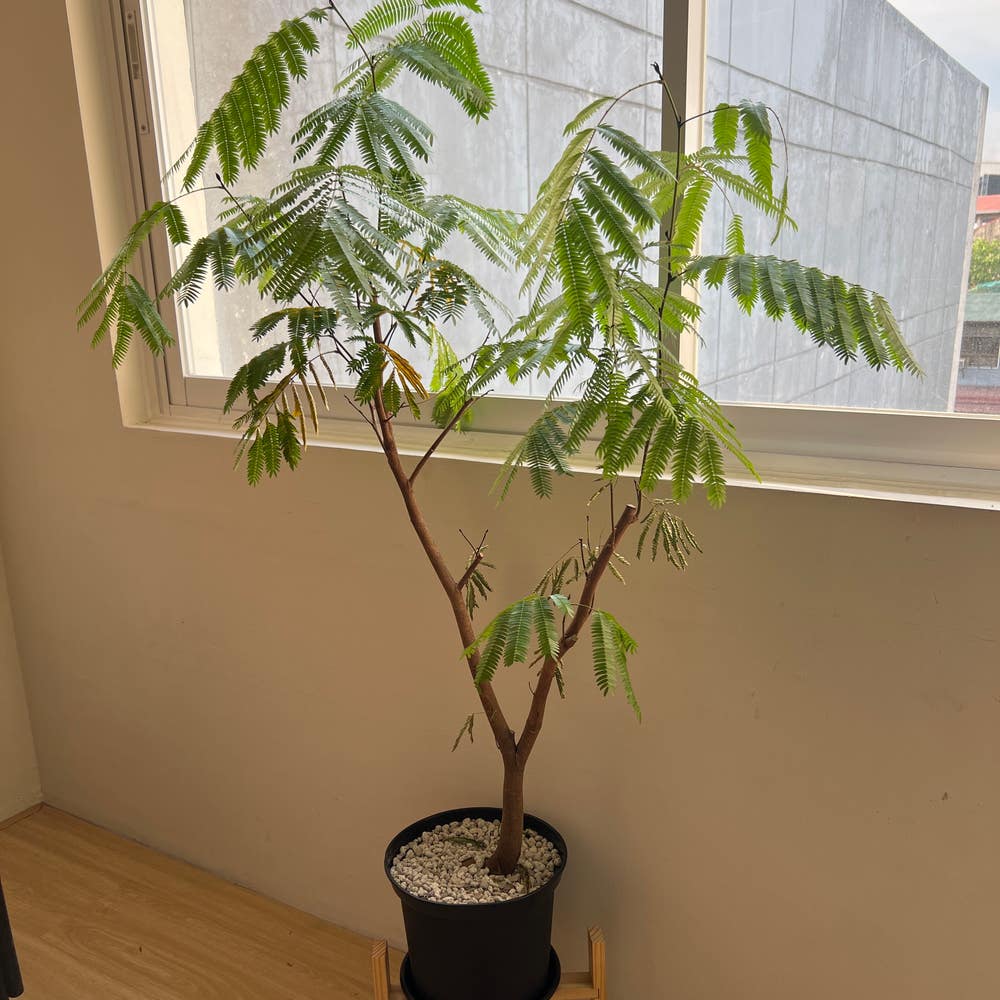
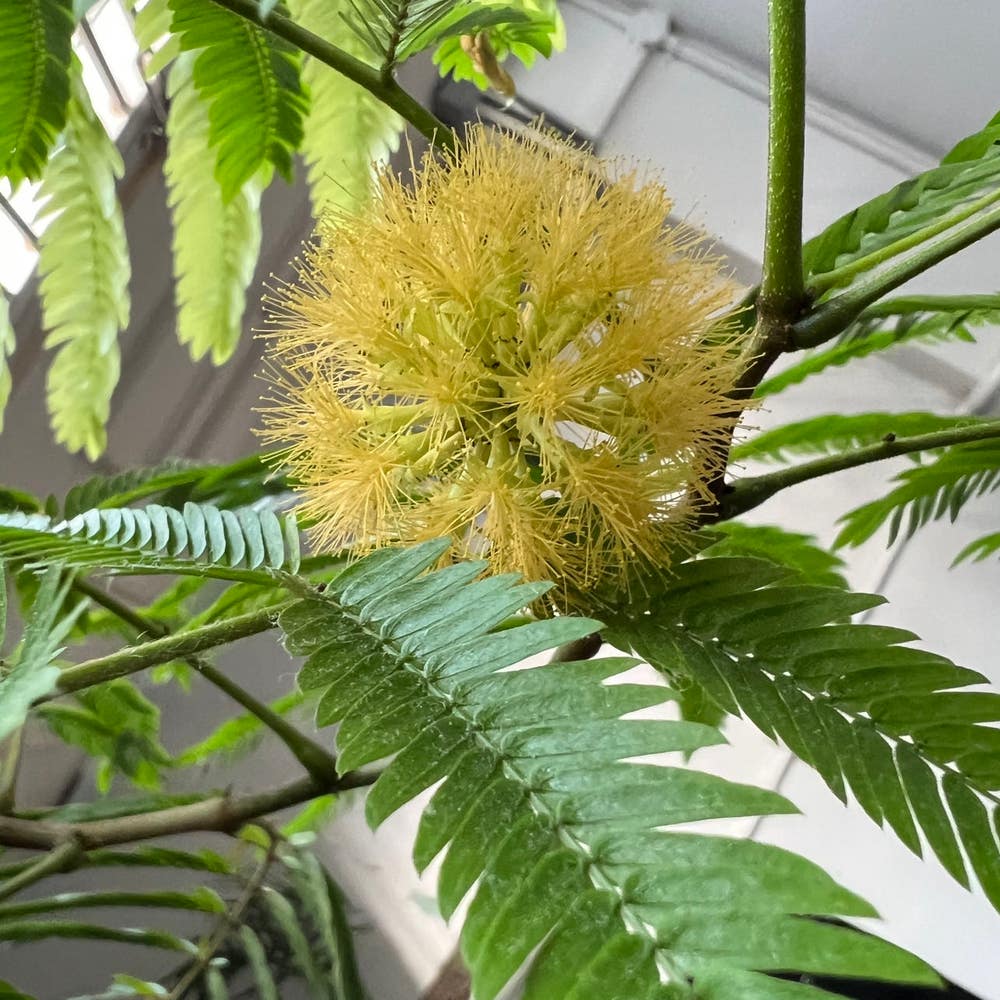
🌳 What is a Albizia bequaertii? Complete Guide
Albizia bequaertii
By the Greg Editorial Team
Feb 28, 2025•11 min read
This article was created with the help of AI so we can cover more plants for you. May contain errors. See one? Report it here.
- 🌞 Albizia bequaertii needs 6-8 hours of sunlight daily for optimal growth.
- 🌱 Well-drained, fertile soil with pH 6.0-7.0 is essential for thriving.
- 🌳 Space trees 15-20 feet apart for air circulation and healthy growth.
How to Grow
Choosing a Location 🌞
When selecting a location for your Albizia bequaertii, aim for full sun exposure, which means at least 6-8 hours of sunlight daily. Additionally, ensure there’s adequate space for its spreading crown; ideally, plant it at least 10-15 feet away from any structures.
Soil Preparation 🌱
Albizia bequaertii thrives in well-drained, fertile soil. The ideal soil pH is slightly acidic to neutral, ranging from 6.0 to 7.0, so test your soil before planting.
Planting Techniques 🌳
For planting, ensure you place the tree at the same depth it was in the nursery container. Space your plants 15-20 feet apart to allow for optimal growth and air circulation.
Watering Needs 💧
During the first year, water your Albizia regularly to establish a strong root system. Once established, you can reduce the frequency, focusing on deep watering to encourage deeper root growth.
Fertilizing 🌾
Use a balanced NPK fertilizer, such as 10-10-10, to nourish your tree. Fertilize in early spring and again in mid-summer for best results.
Pruning ✂️
Prune your Albizia in late winter or early spring, just before new growth begins. Focus on removing any dead or crossing branches to maintain a healthy shape.
Ongoing Care 🔍
Regularly monitor your tree for signs of stress or disease. Adjust your care routine seasonally, such as modifying watering frequency based on rainfall and temperature changes.
This comprehensive approach to growing Albizia bequaertii will set you up for success. Next, let’s explore how to propagate this beautiful tree effectively.
Propagation
🌱 Seed Propagation
To propagate Albizia bequaertii from seeds, start by soaking them in water for 24 hours. This simple step kickstarts the germination process, setting the stage for healthy growth.
For optimal results, maintain warm temperatures between 70°F to 85°F and ensure consistent moisture. These conditions create a nurturing environment for your seeds to thrive.
✂️ Cutting Propagation
Another effective method is cutting propagation. Take 6-8 inch cuttings from healthy plants, ensuring you select vigorous stems for the best chance of success.
Timing is crucial; aim to perform this technique in late spring to early summer. This period offers the ideal conditions for rooting and establishing new plants.
Lifecycle
🌱 Lifecycle Stages
The lifecycle of Albizia bequaertii is a fascinating journey that begins with germination. It progresses through several stages: seedling, vegetative growth, flowering, and ultimately seed production.
⏳ Lifespan
This resilient tree can live for an impressive 20 to 30 years, making it a long-term addition to your landscape. Its longevity allows it to contribute significantly to the ecosystem over its lifetime.
📏 Growth Timeline
Expect Albizia bequaertii to take about 5 to 10 years to reach its full size. During this period, you'll witness its transformation from a small seedling into a majestic tree, providing beauty and benefits to your garden.
Understanding the lifecycle of this tree not only enhances your gardening experience but also deepens your appreciation for its role in the environment. As you nurture it, you'll see firsthand how it grows and thrives, creating a vibrant space for both you and local wildlife.
Next, let's explore the size of Albizia bequaertii and what you can expect in terms of its mature dimensions.
Size
Mature Dimensions 🌳
Albizia bequaertii can reach impressive heights of 30 to 50 feet. Its mature spread typically ranges from 20 to 40 feet, making it a striking addition to any landscape.
Growth Rate 🚀
This tree boasts a moderate to fast growth rate, depending on the conditions it’s planted in. However, keep in mind that size variability can occur, especially in poor soil or areas with limited sunlight.
Understanding these dimensions and growth patterns can help you plan your garden effectively. With the right care, Albizia bequaertii can thrive and become a stunning focal point in your outdoor space.
Roots
Root System Characteristics 🌱
Albizia bequaertii features a robust root system characterized by a deep taproot complemented by fibrous lateral roots. This structure allows the tree to anchor itself securely while reaching depths of 3-4 feet in search of nutrients and moisture.
Common Root-Related Issues ⚠️
Root health is crucial for the overall vitality of the tree. Overwatering can lead to root rot, a serious condition that can be avoided by ensuring proper drainage. Additionally, plants in containers may become rootbound, which is indicated by roots circling the pot.
Visual Cues for Healthy vs. Unhealthy Roots 👀
Identifying root health is essential for maintaining your Albizia. Healthy roots are firm, white, and spread out, indicating a thriving plant. In contrast, unhealthy roots appear dark, mushy, or emit a foul smell, signaling potential problems.
Tips for Managing Root Problems 🛠️
To manage root issues effectively, keep an eye out for signs of rootbound plants, such as roots growing out of drainage holes. If you notice this, consider repotting into a larger container or planting directly in the ground to give your tree the space it needs to flourish.
Understanding the root system of Albizia bequaertii is vital for its care. With proper attention to root health, you can ensure a thriving tree that enhances your garden's beauty and ecosystem. Next, let’s explore the benefits this remarkable tree brings to your landscape.
Benefits
List of 5 Benefits 🌱
Albizia bequaertii offers a range of benefits that make it a valuable addition to any garden or landscape.
- Nitrogen-fixing ability: This tree enhances soil fertility by converting atmospheric nitrogen into a form that plants can use.
- Shade and aesthetics: Its broad canopy provides ample shade, making it a beautiful and functional choice for gardens.
- Pollinator attraction: The flowers of Albizia bequaertii draw in pollinators, supporting local ecosystems and biodiversity.
- Agroforestry potential: This species can be integrated into agroforestry systems, promoting sustainable land use practices.
- Medicinal properties: In various traditional practices, parts of the tree are believed to offer medicinal benefits, adding to its value.
Cultural Significance 🌍
Beyond its practical benefits, Albizia bequaertii holds cultural significance in many communities. It symbolizes resilience and adaptability, reflecting the ability to thrive in diverse environments.
Incorporating this tree into your landscape not only enhances its beauty but also connects you to a rich tapestry of cultural heritage and ecological importance.
Companion Plants
🌱 Companion Planting Benefits
Companion planting is a fantastic way to enhance garden diversity. It promotes healthy growth through beneficial relationships between plants, creating a thriving ecosystem.
🌼 Compatible Companion Plants
When selecting companions for Albizia bequaertii, consider these suitable options:
- Legumes: These plants fix nitrogen in the soil, enriching it for your Albizia.
- Flowering Plants: They attract pollinators, which can boost the overall health of your garden.
- Herbs: Certain herbs can help manage pests, keeping your Albizia safe from unwanted visitors.
🚫 Plants to Avoid
Not all plants are good companions. Steer clear of those that require high moisture or compete aggressively for nutrients. These plants can hinder the growth of your Albizia and lead to poor health.
By carefully selecting companion plants, you can create a vibrant and productive garden space. This thoughtful approach not only benefits your Albizia but also contributes to a balanced ecosystem. Next, let's explore the toxicity of Albizia bequaertii to humans and pets.
Toxicity to Humans
Safety Profile 🛡️
Albizia bequaertii is generally safe for humans. It is not listed as toxic by major poison control centers, which is reassuring for those curious about its presence in gardens or homes.
Minor Issues ⚠️
While serious toxicity is not a concern, minor issues can arise. Some individuals may experience mild skin irritation or digestive discomfort if they consume large quantities of the plant.
Caution 🚨
It's always wise to exercise caution. If you notice any unusual symptoms after contact or consumption, seeking medical advice is a prudent step.
This information helps ensure that you can enjoy the beauty of Albizia bequaertii without unnecessary worry. Now that you know about its safety profile, let’s explore its effects on our furry friends!
Toxicity to Dogs
Safety Profile 🐶
Albizia bequaertii is not listed as toxic by major pet poison control centers. This means your furry friends can enjoy the garden without significant risk.
Minor Issues 🤢
While generally safe, consuming large quantities may lead to mild gastrointestinal upset in dogs. It's always best to keep an eye on your pet's behavior after they've been around the plant.
Tips for Pet Owners 📝
To ensure your dog's safety, keep Albizia bequaertii out of reach. Regularly monitor your dog's behavior for any unusual signs, and consult a vet if you notice anything concerning.
With a little caution, you can enjoy the beauty of this tree while keeping your canine companion safe!
Toxicity to Cats
Safety Profile 🐱
Albizia bequaertii is not listed as toxic by major pet poison control centers. This means your feline friends can enjoy the garden without significant risk.
Minor Issues 🚨
While generally safe, consuming large quantities may lead to mild gastrointestinal upset. It's always wise to monitor your cat's behavior after they've been near the plant.
Tips for Care 🛡️
To keep your cat safe, consider placing Albizia bequaertii out of reach. Regularly check for any unusual symptoms, and consult a vet if you notice anything concerning.
This way, you can enjoy the beauty of this tree while ensuring your pets remain healthy and happy.
Problems
Common Problems 🌱
Growing Albizia bequaertii can be rewarding, but it’s not without its challenges. Here are some common issues you might encounter.
Incorrect Watering 🚰
Watering is crucial for your tree's health. Overwatering can lead to yellowing leaves, while underwatering results in drooping foliage.
Incorrect Light Conditions ☀️
Light plays a vital role in growth. Insufficient sunlight can cause leggy growth, making your tree look weak and unbalanced.
Diseases 🦠
Fungal diseases can be a real headache. Watch out for powdery mildew and root rot, which can compromise your tree's health if not addressed promptly.
Leaf Issues 🍃
Leaves can tell you a lot about your tree's condition. Scorching from too much sun or yellowing due to nutrient deficiencies are signs that something needs to change.
Conclusion 📝
By keeping an eye on these common problems, you can ensure your Albizia bequaertii thrives. Next, let’s explore the potential pests that might disrupt your tree's growth.
Bugs
Potential Pest Issues 🐜
While Albizia bequaertii is known for its moderate pest resistance, it can still fall victim to a few common pests. Keeping an eye out for these nuisances can help maintain the health of your tree.
Common Pests 🐞
Spider Mites: These tiny pests can create webbing on leaves and cause discoloration. Regularly inspect your tree, especially during dry spells, to catch them early.
Scale Insects: These pests attach themselves to the bark and can weaken your tree by sucking sap. Look for small, raised bumps on branches as a telltale sign.
Mealybugs: Often found in clusters, mealybugs can cause leaf drop and stunted growth. They appear as white, cottony masses on the plant.
Aphids: These small, soft-bodied insects can be green, black, or brown. They tend to cluster on new growth and can lead to curling leaves.
Management Strategies 🛠️
To keep your Albizia bequaertii thriving, consider these pest management strategies:
Regular Inspections: Check your tree frequently for any signs of pest activity. Early detection is key to effective management.
Natural Predators: Encourage beneficial insects like ladybugs and lacewings, which feed on aphids and other pests.
Neem Oil: This natural pesticide can help control various pests without harming beneficial insects. Apply it according to package instructions.
Hygiene Practices: Clean up fallen leaves and debris around the base of the tree to reduce hiding spots for pests.
By staying vigilant and proactive, you can protect your Albizia bequaertii from potential pest issues and ensure it remains a vibrant part of your landscape.
Transition to Next Section 🔄
With a solid understanding of pest management, let’s explore the various animals that may interact with your tree, both positively and negatively.
What Eats
Common Animals 🦌
Albizia bequaertii can attract a variety of wildlife, which may pose challenges for gardeners.
- Deer: Look for signs like chewed leaves and branches, indicating their presence.
- Rabbits: These critters often nibble on lower branches, leaving behind telltale signs of their feasting.
- Squirrels: They may strip the bark or consume seeds, causing noticeable damage.
- Birds: Watch for pecks on flowers and seeds, as they enjoy snacking on these parts.
- Rodents: These small animals can damage roots and lower stems, leading to potential health issues for the tree.
Deterrent Methods 🚫
To protect your Albizia bequaertii from these hungry visitors, consider implementing some deterrent methods.
- Chemical deterrents: Use commercial repellents or create homemade solutions to keep animals at bay.
- Organic control methods: Fencing can be effective, along with planting deterrent plants nearby. Motion-activated devices can also help scare off unwanted guests.
By taking these precautions, you can help ensure your Albizia thrives without the interference of local wildlife.
⚠️ Safety First
This content is for general information and may contain errors, omissions, or outdated details. It is not medical, veterinary advice, or an endorsement of therapeutic claims.
Always consult a qualified healthcare professional before using any plant as food, medicine, or supplement.
Never eat any plant (or feed one to pets) without confirming its identity with at least two trusted sources.
If you suspect poisoning, call Poison Control (800) 222-1222, the Pet Poison Helpline (800) 213-6680, or your local emergency service immediately.
Spotted an error? Please report it here.
Nurture your Albizia bequaertii for thriving beauty 🌱 with Greg's tailored care tips and reminders, ensuring it gets the sunlight, water, and nutrients it needs to flourish!