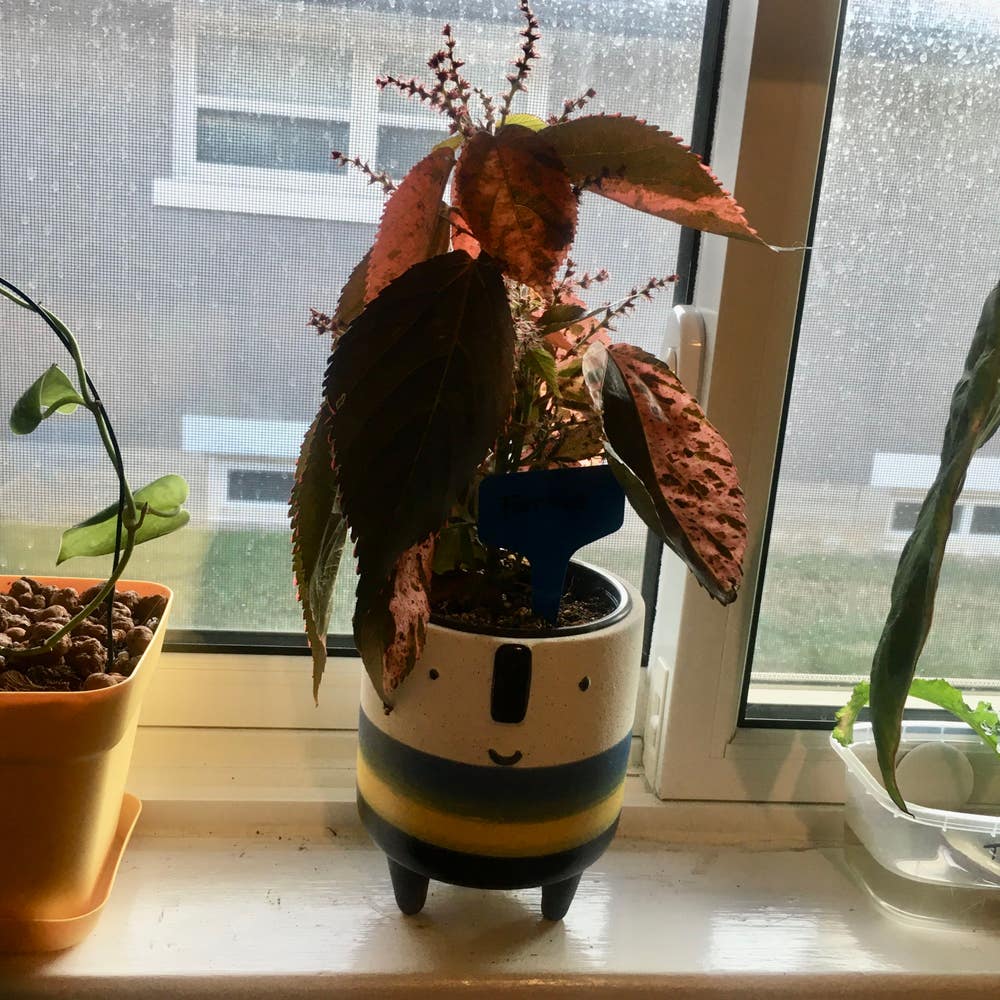
Overview of Acalypha paupercula
Acalypha paupercula
By the Greg Editorial Team
Feb 27, 2025•11 min read
This article was created with the help of AI so we can cover more plants for you. May contain errors. See one? Report it here.
Elevate your garden's beauty effortlessly with Acalypha paupercula—your guide to thriving plants starts here! 🌿
- 🌱 Acalypha paupercula thrives in warm, humid, shaded environments for optimal growth.
- 💧 Maintain moist, well-draining soil to prevent root damage and promote healthy development.
- 🐾 Handle with care; Acalypha paupercula can irritate pets and cause gastrointestinal upset.
How to Grow
Choosing a location 🌳
Acalypha paupercula thrives in warm, humid environments, making it essential to choose a spot that offers partial to full shade. Whether you’re planting indoors or outdoors, ensure the location provides the right balance of warmth and moisture.
Soil preparation 🌱
For optimal growth, use well-draining, fertile soil enriched with organic matter. Aim for a soil pH between 6.0 and 7.0 to create the perfect foundation for your plant.
Planting techniques 🌼
When planting, ensure that the roots are covered adequately but not buried too deep. Space your plants 12-18 inches apart to promote good air circulation and healthy growth.
Watering requirements 💧
Keep the soil consistently moist, but avoid waterlogging, which can harm the roots. Watch for signs of overwatering, like yellowing leaves, or underwatering, which may cause wilting.
Fertilizing schedule 🌿
Use a balanced NPK fertilizer to nourish your Acalypha paupercula. Fertilize monthly during the growing season to support vigorous growth and flowering.
Pruning methods ✂️
Prune your plant in early spring to encourage bushier growth and remove any dead or damaged leaves. This simple technique helps maintain the plant's health and appearance.
Ongoing care tips 🔍
Regularly inspect your Acalypha paupercula for pests and diseases, adjusting care as needed with the changing seasons. Staying proactive will ensure your plant remains vibrant and healthy throughout its lifecycle.
Transitioning from growing to propagation, let’s explore how to multiply your Acalypha paupercula effectively.
Propagation
🌱 Seed Propagation
To start your Acalypha paupercula from seeds, begin by soaking them for 24 hours. This simple step helps to kickstart the germination process, which typically takes 2-4 weeks under optimal conditions.
✂️ Cutting Propagation
If you prefer propagation through cuttings, select healthy, non-flowering stems for the best results. For rooting, use a mix of peat and perlite, which provides excellent drainage and aeration, ensuring your cuttings thrive.
With these propagation methods, you can easily expand your Acalypha collection. Whether you choose seeds or cuttings, both techniques are straightforward and rewarding, allowing you to enjoy the beauty of this unique plant in various settings.
Next, let’s explore the lifecycle of Acalypha paupercula and understand its growth stages.
Lifecycle
🌱 Lifecycle stages
Acalypha paupercula is typically grown as an annual in temperate climates. Understanding its lifecycle is crucial for successful cultivation.
🌡️ Germination process
For optimal seed germination, maintain a temperature of around 70°F (21°C). This warmth encourages seeds to sprout effectively.
🌿 Seedling stage
Once germinated, seedlings take about 4-6 weeks to develop before they are ready for transplanting. This stage is vital for establishing a strong foundation.
🌳 Vegetative growth
Following transplanting, the plant enters a vigorous growth phase lasting 6-8 weeks. During this time, Acalypha paupercula experiences rapid growth, setting the stage for flowering.
🌼 Flowering and seed production
Flowering typically occurs in late summer, marking the transition to seed production. This is when the plant showcases its beauty and contributes to its lifecycle.
⏳ Growth timeline
From seed to maturity, Acalypha paupercula can reach its full height in approximately 3-4 months. This relatively quick growth makes it an appealing choice for gardeners looking for fast results.
Understanding these lifecycle stages helps you provide the right care at each phase, ensuring a thriving plant. Next, we’ll explore the size of Acalypha paupercula and what you can expect in terms of growth and spread.
Size
🌱 Mature height and spread
Acalypha paupercula typically reaches a height of 2 to 3 feet, making it a manageable addition to any garden. At maturity, it spreads about 1 to 2 feet wide, allowing for a compact yet lush appearance.
📈 Growth rate and size variability
The growth rate of Acalypha paupercula can vary significantly based on several factors. Light exposure, water availability, and soil quality all play crucial roles in determining how large and robust your plant will become.
In optimal conditions, you can expect a healthy growth pattern, while less favorable environments may stunt its development. Understanding these influences helps you create the best conditions for your plant to thrive.
As you cultivate Acalypha paupercula, keep an eye on its growth and adjust care practices accordingly. This adaptability ensures you maximize its potential, leading to a vibrant and healthy plant that enhances your space.
With the right attention, you can enjoy the beauty of Acalypha paupercula as it flourishes in your garden or home. Next, let's explore the fascinating root system that supports this lovely plant.
Roots
Root system characteristics 🌱
Acalypha paupercula features a fibrous root system that plays a crucial role in providing stability and efficient nutrient uptake. This type of root structure allows the plant to thrive in various soil conditions.
Depth and spread of roots 📏
Typically, the roots of Acalypha paupercula reach a depth of 12 to 18 inches. They can also spread beyond the plant's canopy, ensuring that the plant has access to a wider range of nutrients and moisture.
Common root-related issues ⚠️
One of the most common problems faced by Acalypha paupercula is root rot, often caused by overwatering. Signs of this issue include wilting and yellowing leaves, indicating that the roots are struggling to function properly.
Solutions for root rot 💧
To combat root rot, it's essential to improve drainage and adjust your watering practices. Ensuring that the soil is well-draining can help prevent this issue from arising.
Identifying healthy vs. unhealthy roots 🔍
Healthy roots are typically firm, white, and spread evenly throughout the soil. In contrast, unhealthy roots may appear dark, mushy, or emit a foul smell, signaling that something is wrong.
Recognizing rootbound plants 🪴
If you notice roots growing out of drainage holes or circling the pot, your Acalypha paupercula may be rootbound. This condition can hinder growth and nutrient absorption.
Solutions for rootbound plants 🔄
The best solution for a rootbound plant is to repot it into a larger container. This gives the roots more space to grow and thrive, ultimately benefiting the overall health of the plant.
Understanding the root system of Acalypha paupercula is essential for its care. With proper attention to root health, you can ensure that your plant remains vibrant and flourishing.
Next, we’ll explore the numerous benefits this plant brings to your garden.
Benefits
Top 5 benefits 🌟
Acalypha paupercula offers a range of benefits that make it a fantastic addition to any garden or indoor space.
Aesthetic appeal: Its unique foliage brings a splash of color and texture, enhancing the visual interest of your garden or home.
Biodiversity enhancement: This plant attracts pollinators and beneficial insects, promoting a healthier ecosystem in your garden.
Air purification: Acalypha paupercula contributes to improved air quality, making your living environment fresher and more pleasant.
Versatility: Whether you choose to grow it indoors or outdoors, this plant adapts well to various settings, fitting seamlessly into your lifestyle.
Cultural significance: In some cultures, Acalypha paupercula is valued for its traditional medicinal uses, adding a layer of historical importance to its cultivation.
Incorporating Acalypha paupercula into your space not only beautifies it but also supports ecological health and cultural practices. As you consider your gardening options, remember the multifaceted benefits this plant can bring to your life.
Next, let’s explore the concept of companion planting and how Acalypha paupercula can thrive alongside other plants.
Companion Plants
Concept of Companion Planting 🌱
Companion planting is a gardening strategy that enhances biodiversity and improves pest management. By pairing certain plants together, you can create a more resilient garden ecosystem.
Best Companion Plants 🌼
When growing Acalypha paupercula, consider adding marigolds to your garden. These vibrant flowers not only repel pests but also complement the tropical aesthetic of Acalypha. Other tropical plants with similar care needs can also thrive alongside it, creating a harmonious garden environment.
Plants to Avoid 🚫
Be cautious about planting Acalypha paupercula with species that prefer dry conditions. Additionally, avoid plants that compete for nutrients, as this can hinder the growth and health of your Acalypha.
Incorporating the right companion plants can elevate your gardening experience. Next, let’s explore the potential toxicity of Acalypha paupercula to humans and pets.
Toxicity to Humans
⚠️ Potential irritants
Acalypha paupercula can be a bit of a troublemaker when it comes to skin contact. Its leaves and sap may cause irritation, leading to skin rashes, itching, or even mild gastrointestinal upset if ingested.
🧤 Handling precautions
To keep your gardening experience safe and enjoyable, it's wise to wear gloves while handling this plant. Always remember to wash your hands afterward to avoid any unwanted irritation.
By taking these simple precautions, you can appreciate the beauty of Acalypha paupercula without any discomfort. Next, let’s explore how this plant can affect our furry friends, particularly dogs.
Toxicity to Dogs
Potential irritants 🌿
Acalypha paupercula can be a source of discomfort for dogs. The leaves and sap may cause irritation, leading to symptoms such as drooling, pawing at the mouth, and mild vomiting.
When to seek veterinary care 🩺
If your dog shows persistent or worsening symptoms, it's essential to consult a veterinarian. Quick action can ensure your furry friend receives the appropriate care and relief.
Understanding the potential risks associated with Acalypha paupercula helps keep our pets safe. Always monitor your pets around new plants and be proactive in seeking help if needed.
Toxicity to Cats
Potential irritants 🐾
Acalypha paupercula can be a source of discomfort for our feline friends. The leaves and sap may cause irritation, leading to symptoms like drooling, pawing at the mouth, and mild vomiting.
When to seek veterinary care 🚑
If your cat shows persistent or worsening symptoms, it's essential to consult a veterinarian. Quick action can help ensure your pet's well-being and peace of mind for you.
This awareness of toxicity is crucial for cat owners, especially if you have Acalypha paupercula in your home or garden. Keeping your furry companions safe is always a top priority!
Problems
🌱 Common Problems with Acalypha paupercula
Growing Acalypha paupercula can be rewarding, but it’s not without its challenges. Here are some common issues you might encounter and how to tackle them effectively.
1. Incorrect Watering
Wilting or yellowing leaves are often signs of incorrect watering. Adjust your watering frequency based on the soil moisture to keep your plant healthy.
2. Incorrect Light Conditions
If you notice leggy growth or scorched leaves, your plant may not be receiving the right amount of light. Simply move it to a location that provides the appropriate light conditions.
3. Diseases
Powdery mildew and root rot are common diseases that can affect Acalypha paupercula. To combat these issues, improve air circulation and avoid overwatering.
4. Leaf Issues
Yellowing or fuzzy growth on leaves can indicate underlying problems. Inspect for pests and adjust your care routine accordingly to restore your plant's health.
5. Growth Problems
Stunted growth or leaning plants are signs that something is off. Ensure your Acalypha has proper support and care to encourage robust growth.
By staying vigilant and addressing these common problems, you can enjoy a thriving Acalypha paupercula in your garden. Next, let’s explore the potential pest issues that could affect your plant.
Bugs
🐜 Potential Pest Issues
Acalypha paupercula is moderately resistant to pests, making it a relatively low-maintenance plant. However, it can still fall victim to certain species that may cause concern.
🔍 Identification of Pests
Common pests that might target your Acalypha include spider mites, aphids, and mealybugs. Keeping an eye out for these pests is crucial for maintaining plant health.
⚠️ Damage Caused by Pests
Signs of pest infestations often manifest as wilting, yellowing leaves, or stunted growth. If you notice these symptoms, it’s time to investigate further.
🧴 Treatment Options
To combat pests, consider using insecticidal soap or neem oil, both of which are effective and environmentally friendly. Additionally, introducing beneficial insects can help keep pest populations in check, promoting a healthier garden ecosystem.
By staying vigilant and addressing pest issues promptly, you can ensure your Acalypha thrives beautifully. Next, let’s explore what animals might be lurking around, looking to munch on your plants.
What Eats
🦌 Common Animals
Acalypha paupercula can attract a variety of hungry critters. The most common threats include deer, rabbits, and squirrels, all of which may find your plant irresistible.
🕵️♂️ Signs of Animal Presence
Identifying animal visitors is crucial for protecting your plants. Look for chewed leaves, droppings, and tracks around the base of your Acalypha to confirm their presence.
⚠️ Types of Damage Caused
These animals can cause significant damage. They often browse on foliage, leading to unsightly nibbled edges, and may even uproot plants in their search for tasty treats.
🚫 Deterrent Methods
Preventing these pests from feasting on your Acalypha is essential. Consider using fencing to create a barrier, applying repellents to deter them, or employing companion planting strategies to confuse and distract these hungry visitors.
By taking these steps, you can help ensure your Acalypha thrives without the interference of local wildlife. Next, let’s explore the potential pest issues that can affect your plant.
⚠️ Safety First
This content is for general information and may contain errors, omissions, or outdated details. It is not medical, veterinary advice, or an endorsement of therapeutic claims.
Always consult a qualified healthcare professional before using any plant as food, medicine, or supplement.
Never eat any plant (or feed one to pets) without confirming its identity with at least two trusted sources.
If you suspect poisoning, call Poison Control (800) 222-1222, the Pet Poison Helpline (800) 213-6680, or your local emergency service immediately.
Spotted an error? Please report it here.
Nurture your Acalypha paupercula to thrive beautifully 🌿 with Greg's tailored watering alerts and pest control tips that make plant care a breeze!