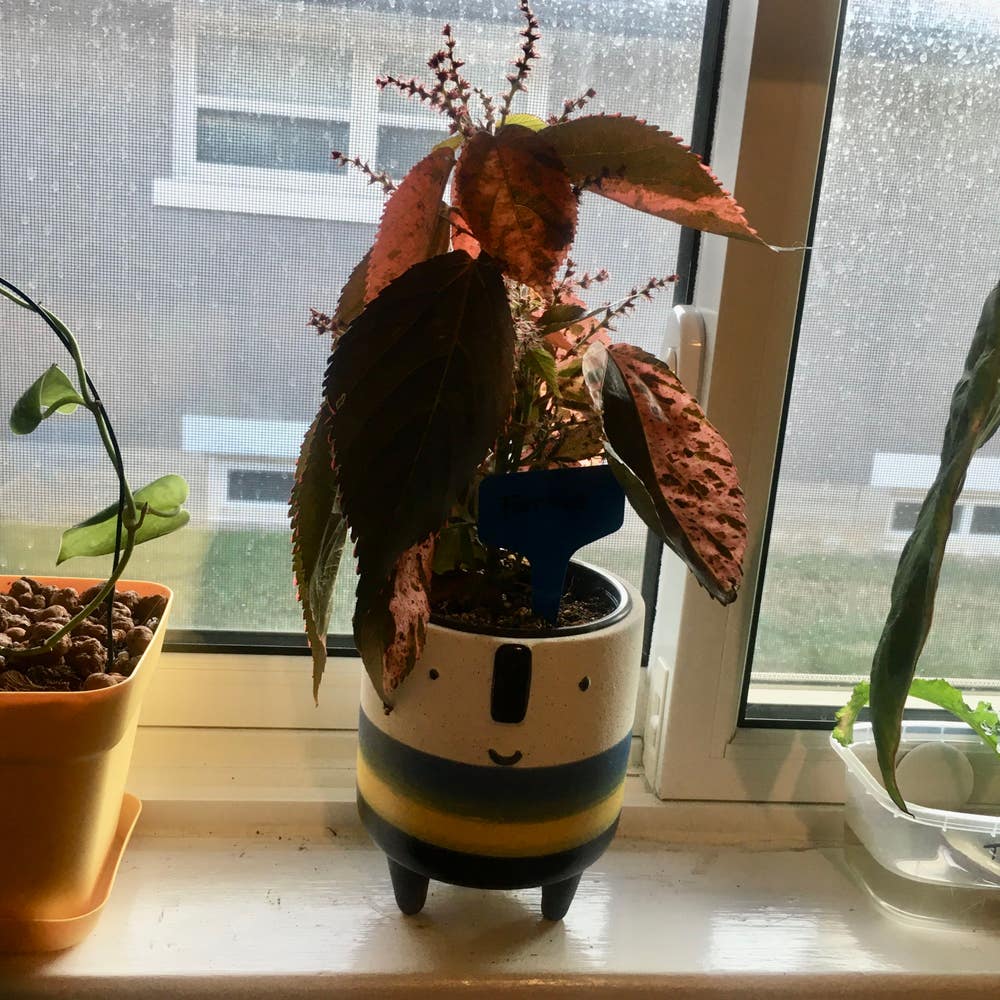
Acalypha parvula var. parvula Explained: Key Information 🍃
Acalypha parvula var. parvula
By the Greg Editorial Team
Feb 27, 2025•13 min read
This article was created with the help of AI so we can cover more plants for you. May contain errors. See one? Report it here.
Cultivate a vibrant garden oasis 🌿 with Acalypha parvula var. parvula using these essential care tips for thriving growth!
- 🌱 Acalypha parvula thrives in warm, humid, and partially shaded environments.
- 💧 Water every 2-3 days to prevent root rot and maintain soil moisture.
- 🌿 Monitor for pests regularly to ensure healthy growth and prevent damage.
How to Grow
🌳 Choosing a Location
Acalypha parvula var. parvula thrives in warm, humid environments, making partial to full shade its ideal setting. When deciding between outdoor and container growth, consider the plant's need for protection from harsh sunlight and extreme temperatures.
🌱 Soil Preparation
For optimal growth, use well-draining, fertile soil enriched with organic matter. Aim for a pH level between 6.0 and 7.0, as slightly acidic to neutral conditions promote healthy root development.
🌼 Planting Techniques
When planting, ensure the root ball is level with the soil surface to avoid water pooling. Space your plants 12-18 inches apart for outdoor planting, allowing them room to grow and flourish.
💧 Watering Requirements
Keep the soil consistently moist, but avoid waterlogging, which can lead to root rot. During dry spells, water every 2-3 days to maintain the right moisture balance.
🥦 Fertilizing Schedule
To support vigorous growth, apply a balanced fertilizer every 4-6 weeks throughout the growing season. This regular feeding helps the plant thrive and produce lush foliage.
✂️ Pruning Methods
Prune your Acalypha to maintain its shape by trimming back any leggy growth and removing dead leaves. The best time to do this is in early spring, just before new growth begins.
🔍 Ongoing Care
Regularly monitor your plants for pests and diseases to catch any issues early. Adjust your watering and fertilizing practices based on the plant's growth conditions to ensure it remains healthy and vibrant.
With these guidelines, you'll be well on your way to cultivating a thriving Acalypha parvula var. parvula. Next, let's explore how to propagate this beautiful plant for even more greenery in your garden.
Propagation
🌱 Seed Propagation
To propagate Acalypha parvula var. parvula from seeds, start by collecting seeds from mature plants. Sow these seeds in a well-draining medium and keep the soil moist until germination occurs.
✂️ Cutting Propagation
Another effective method is cutting propagation. Select healthy stems that are 4-6 inches long, removing the lower leaves to encourage root development. Place the cuttings in a moist rooting medium and watch as roots begin to form.
🔪 Division Method
The division method is perfect for established plants. Carefully divide the root ball during the growing season and replant the divisions in well-prepared soil to ensure they thrive.
This propagation knowledge empowers you to expand your Acalypha collection or share with fellow plant enthusiasts. Next, let’s explore the lifecycle of this fascinating plant.
Lifecycle
Lifecycle Stages 🌱
Acalypha parvula var. parvula is a perennial plant that undergoes a fascinating multi-stage lifecycle. Understanding these stages can help you nurture this plant effectively.
Germination Process 🌱
The germination process typically takes 7-14 days under optimal conditions. This is the crucial first step in bringing your Acalypha to life.
Seedling Stage 🌱
Once germination occurs, the seedling stage lasts approximately 4-6 weeks. During this time, the plant develops its true leaves, marking its transition to a more established phase.
Vegetative Growth 🌱
As temperatures warm, the plant enters a rapid vegetative growth phase. This is when you'll see the most significant increase in size and vigor.
Flowering and Seed Production 🌱
Flowering usually occurs in late summer to early fall. After flowering, the plant produces seeds, ensuring the continuation of its lifecycle.
Lifespan and Growth Timeline 🌱
With proper care, Acalypha parvula var. parvula can live for several years. It typically reaches full maturity in about 1-2 years, with a moderate growth rate that can accelerate under optimal conditions.
This lifecycle understanding not only enhances your gardening skills but also deepens your appreciation for this resilient plant. Next, we’ll explore the size of Acalypha parvula var. parvula and how it can fit into your garden space.
Size
Mature Height and Spread 🌱
Acalypha parvula var. parvula typically reaches a mature height of 2 to 3 feet. Its spread can expand from 1 to 2 feet wide, making it a lovely addition to any garden space.
Growth Rate and Size Variability 📈
This plant exhibits a moderate growth rate, which can be influenced by various environmental conditions. Size variability is common, as factors like soil quality and care practices play significant roles in its development.
Impact of Growing Conditions on Size 🌞
Several factors affect the size of Acalypha parvula var. parvula. Light availability, water supply, and nutrient levels are crucial for optimal growth, so pay attention to these elements to ensure your plant thrives.
Understanding the size characteristics of this plant can help you plan your garden layout effectively. With the right conditions, you can enjoy a vibrant and lush display of Acalypha parvula var. parvula in your outdoor space.
Roots
🌱 Root System Characteristics
Acalypha parvula var. parvula features a fibrous root system that is both shallow and spreading. This structure allows the plant to efficiently absorb moisture and nutrients from the upper layers of the soil.
📏 Root Depth and Spread
Typically, the roots extend to a depth of 12-18 inches. They can also spread beyond the plant's canopy, which helps stabilize the plant and enhances its ability to gather resources.
⚠️ Common Root-Related Issues
One of the most common problems is root rot, often caused by overwatering and poor drainage. Signs of unhealthy roots include dark, mushy textures that indicate decay.
🔍 Identifying Healthy vs. Unhealthy Roots
Healthy roots are firm and exhibit a white or light tan color. In contrast, unhealthy roots will appear soft, dark, or may even emit a foul smell, signaling that something is wrong.
🪴 Recognizing and Addressing Rootbound Conditions
If you notice roots growing out of the drainage holes, your plant may be rootbound. The solution is simple: repot the plant into a larger container or divide it to promote healthier growth.
Understanding the root system of Acalypha parvula var. parvula is crucial for its overall health. By keeping an eye on root conditions, you can ensure your plant thrives and flourishes.
Next, let’s explore the benefits this plant brings to your garden.
Benefits
Aesthetic Appeal 🌿
Acalypha parvula var. parvula boasts stunning foliage that can elevate the beauty of any garden. Its vibrant leaves create a lush, tropical feel, making it a favorite among garden enthusiasts.
Air Purification 🌬️
This plant isn't just pretty; it also contributes to improved indoor air quality. By filtering out toxins, it helps create a healthier living environment.
Erosion Control 🌍
Acalypha parvula var. parvula plays a vital role in stabilizing soil in garden beds. Its root system helps prevent erosion, making it a practical choice for landscaping.
Cultural Significance 🎭
In various cultures, this plant is cherished for its ornamental qualities. It often symbolizes beauty and resilience, adding cultural depth to your garden.
Companion Planting Advantages 🌱
When paired with other plants, Acalypha parvula var. parvula enhances biodiversity. It supports beneficial insects, creating a balanced ecosystem that benefits your entire garden.
These benefits make Acalypha parvula var. parvula a valuable addition to any gardening endeavor. As we explore propagation methods next, you'll see how easy it is to grow this remarkable plant.
Companion Plants
🌱 Concept of Companion Planting
Companion planting is a gardening strategy that enhances plant growth and health. By pairing compatible plants, you can improve growth rates, manage pests naturally, and increase overall garden diversity.
🌼 Best Companion Plants
When growing Acalypha parvula var. parvula, consider companions like marigolds, ferns, and other tropical plants. These plants share similar care requirements and can deter pests, creating a thriving garden environment.
🚫 Plants to Avoid
It's wise to steer clear of heavy feeders that may compete for nutrients. Plants that demand high levels of fertilizer can hinder the growth of Acalypha parvula, leading to nutrient deficiencies.
🤝 Benefits of Symbiotic Relationships
Creating symbiotic relationships among plants promotes a balanced ecosystem. This not only leads to healthier plants but also supports beneficial insects, enhancing the resilience of your garden.
By thoughtfully selecting companion plants, you can cultivate a vibrant and productive garden space. This approach not only benefits Acalypha parvula but also enriches your gardening experience.
Toxicity to Humans
Parts of the Plant That May Cause Irritation 🌿
Acalypha parvula var. parvula can cause skin irritation, primarily from its leaves and sap. It's essential to be cautious when handling this plant to avoid any adverse reactions.
Symptoms of Irritation 🤕
If irritation occurs, you might experience skin rashes, itching, or even mild gastrointestinal upset. These symptoms can vary in severity depending on individual sensitivity.
How Irritation Occurs ⚠️
Irritation can happen through direct skin contact with the plant or ingestion of its parts. Awareness of these risks is crucial for safe handling.
When to Seek Medical Care 🚑
If symptoms persist or worsen, it's wise to seek medical attention. Better safe than sorry when it comes to your health!
Safe Handling Tips 🧤
To minimize the risk of irritation, wear gloves while handling the plant. Always wash your hands thoroughly afterward to ensure any residual sap or plant material is removed.
This knowledge empowers you to enjoy your gardening experience while keeping safety in mind. Next, let’s explore how Acalypha parvula var. parvula can affect our furry friends.
Toxicity to Dogs
Parts of the Plant That May Cause Irritation 🌿
Acalypha parvula var. parvula can be mildly irritating to dogs, primarily due to its leaves and sap. While not highly toxic, it's essential to be aware of these parts if you have curious pets.
Symptoms of Discomfort 🐶
If a dog comes into contact with or ingests parts of this plant, symptoms may include drooling, pawing at the mouth, and mild vomiting. These signs indicate that your furry friend may be experiencing some discomfort.
How Irritation Can Occur ⚠️
Irritation can happen through ingestion of the leaves or direct contact with the sap. Dogs are naturally inquisitive, so they might nibble on the plant or brush against it while exploring.
When to Seek Veterinary Care 🏥
If your dog shows persistent symptoms or if their condition worsens, it's wise to consult a veterinarian. Quick action can help ensure your pet's well-being.
Clarification on Toxicity Levels 📊
It's important to note that Acalypha parvula var. parvula is not considered severely toxic. However, it can cause mild to moderate irritation, so keeping an eye on your pet's behavior around this plant is a good practice.
As you enjoy your gardening, remember to create a safe environment for your pets. Understanding the potential irritants in your garden can help you maintain a harmonious space for both plants and pets.
Toxicity to Cats
Parts of the Plant That May Cause Irritation 🌿
Acalypha parvula var. parvula can pose mild risks to cats. The leaves and sap are the primary culprits that may cause irritation.
Symptoms of Discomfort 😿
If your feline friend comes into contact with this plant, you might notice symptoms like drooling, pawing at the mouth, or mild vomiting. These signs indicate that your cat is experiencing some discomfort.
How Irritation Can Occur ⚠️
Irritation can happen through ingestion of the leaves or contact with the sap. It's essential to keep an eye on your pet if they show interest in the plant.
When to Seek Veterinary Care 🏥
If symptoms persist or worsen, it's wise to seek veterinary care. Better safe than sorry when it comes to your pet's health!
Clarification on Toxicity Levels ✅
Fortunately, Acalypha parvula var. parvula is not considered severely toxic. However, it can cause mild to moderate irritation, so it's best to monitor your cat's behavior around this plant.
As you consider adding this plant to your home, keep your furry companions in mind. Ensuring a safe environment for your pets is key to enjoying your gardening endeavors.
Problems
Common Issues Faced 🌱
Growing Acalypha parvula var. parvula can be rewarding, but it's not without its challenges. Understanding these common issues will help you maintain a healthy plant.
Incorrect Watering 🚰
Watering is crucial for plant health. Overwatering can lead to root rot, while underwatering may cause wilting and stress.
Incorrect Light Conditions 💡
Light plays a significant role in growth. Insufficient light can result in leggy growth, while too much direct sunlight may cause leaf scorch.
Incorrect Temperature 🌡️
Temperature fluctuations can stress your plant. Extreme heat or cold can lead to wilting or stunted growth, signaling that your plant is unhappy.
Diseases 🦠
Fungal diseases can pose a threat. Regularly inspect your plant for signs of infection, such as discolored leaves or unusual spots, and manage them promptly.
Growth Problems 📉
Watch for stunted growth or etiolation, which indicates your plant may not be thriving. These issues often stem from inadequate light, water, or nutrients.
By staying vigilant and addressing these common problems, you can ensure your Acalypha parvula var. parvula flourishes beautifully. Next, let’s explore the potential pests that could threaten your plant's health.
Bugs
🐞 Potential Pest Issues
Acalypha parvula var. parvula can face various pest challenges, impacting its health and growth. Understanding its resistance and susceptibility to pests is crucial for effective management.
🔍 Identification of Common Pests
Common pests that may invade include:
- Spider Mites: Tiny, often invisible to the naked eye, they create fine webbing on leaves.
- Aphids: Small, soft-bodied insects that cluster on new growth, sucking sap.
- Mealybugs: White, cottony masses found in leaf axils, they also feed on plant sap.
- Whiteflies: Small, white flying insects that can cause yellowing leaves.
⚠️ Damage Caused by Pests
Pest infestations can lead to several visible symptoms:
- Yellowing Leaves: Often a sign of sap-sucking pests like aphids.
- Wilting: Affected plants may droop due to nutrient loss.
- Webbing: Spider mites leave fine webs, indicating a severe infestation.
- Stunted Growth: Overall growth may slow down as pests compete for resources.
🛠️ Effective Treatment Options
Managing pests effectively involves both organic and chemical strategies:
- Organic Methods: Introduce beneficial insects like ladybugs or use insecticidal soap to target pests without harming the plant.
- Chemical Controls: If infestations are severe, consider using neem oil or other targeted pesticides, following label instructions carefully.
Regular monitoring and prompt action can keep your Acalypha parvula thriving and pest-free. By staying vigilant, you can enjoy a healthy, vibrant plant that enhances your garden.
What Eats Acalypha parvula var. parvula
🦌 Common Animals That May Damage the Plant
Acalypha parvula var. parvula can attract a variety of hungry critters. Common culprits include deer, rabbits, squirrels, and rodents, all of which may find this plant a tasty treat.
🕵️♂️ Signs of Animal Presence
To identify if animals are munching on your plants, look for specific signs. Tracks, droppings, and chewed foliage are clear indicators that your garden is being visited by these foragers.
⚠️ Types of Damage Caused
The damage caused by these animals can be significant. Browsing on leaves and stems can lead to stunted growth, affecting the overall health and appearance of your Acalypha.
🚫 Deterrent Methods
Preventing these animals from feasting on your plants is crucial. Consider using fencing, applying repellents, or employing companion planting strategies to create a less inviting environment for these pests.
By taking these steps, you can help protect your Acalypha parvula var. parvula and ensure it thrives in your garden.
⚠️ Safety First
This content is for general information and may contain errors, omissions, or outdated details. It is not medical, veterinary advice, or an endorsement of therapeutic claims.
Always consult a qualified healthcare professional before using any plant as food, medicine, or supplement.
Never eat any plant (or feed one to pets) without confirming its identity with at least two trusted sources.
If you suspect poisoning, call Poison Control (800) 222-1222, the Pet Poison Helpline (800) 213-6680, or your local emergency service immediately.
Spotted an error? Please report it here.
Create a thriving paradise 🌿 for your Acalypha parvula var. parvula with Greg's tailored care reminders and expert tips that keep your plant flourishing!