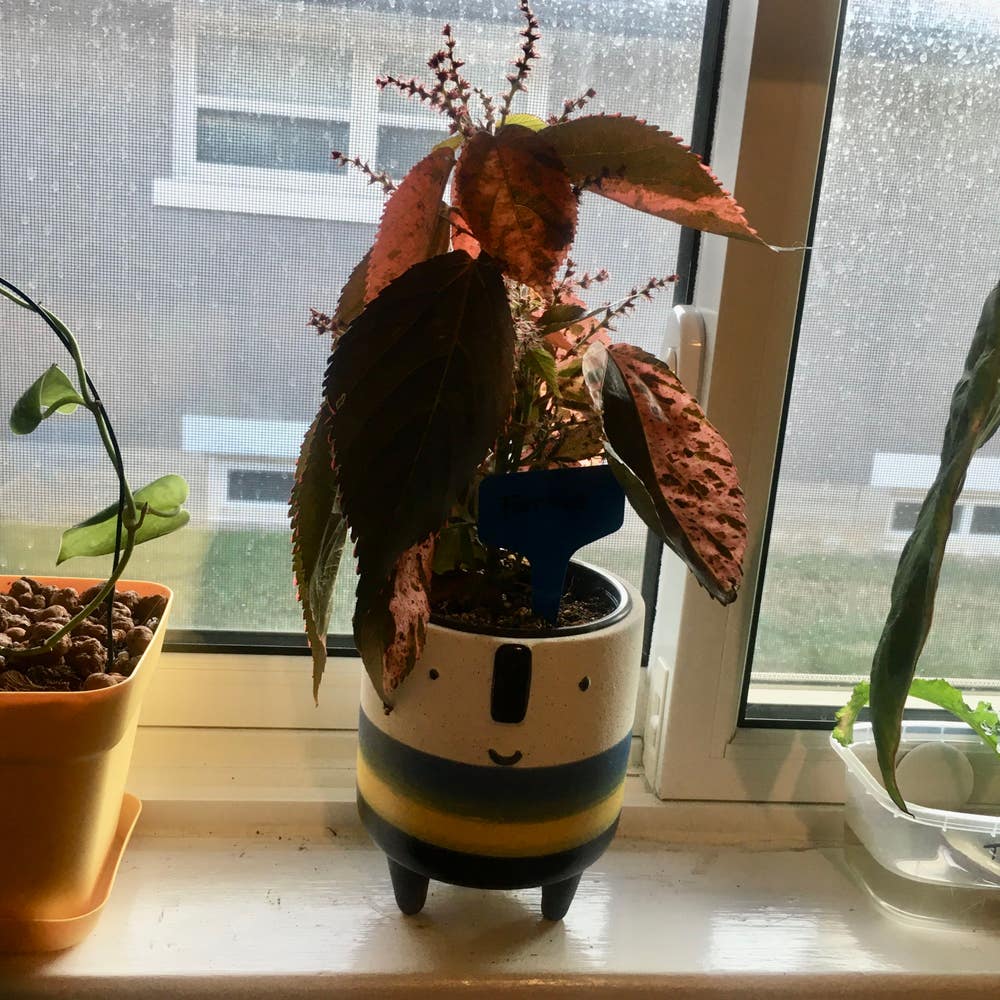
Introduction to Acalypha papillosa
Acalypha papillosa
By the Greg Editorial Team
Feb 27, 2025•12 min read
This article was created with the help of AI so we can cover more plants for you. May contain errors. See one? Report it here.
Elevate your garden with Acalypha papillosa's vibrant foliage and easy care tips! 🌱
- 🌞 Acalypha papillosa thrives in bright, indirect sunlight and prefers warm temperatures (20-30°C).
- 💧 High humidity (60%+) is crucial for healthy growth; monitor regularly.
- ⚠️ All parts are toxic to humans and pets; handle with care.
How to Grow
🌞 Choosing a Location
Acalypha papillosa thrives in bright, indirect sunlight. Direct harsh sunlight can scorch its leaves, so find a spot that offers filtered light.
Temperature plays a crucial role in its growth. Aim for a cozy range of 20°C to 30°C (68°F to 86°F) to keep your plant happy.
Humidity is another key factor. This plant loves high humidity levels, ideally 60% or higher, to flourish.
🌱 Soil Preparation
For soil, opt for a well-draining mix rich in organic matter. This ensures that your plant gets the nutrients it needs without sitting in water.
The ideal soil pH is slightly acidic to neutral, ranging from 6.0 to 7.0. This balance helps promote healthy growth.
Don't forget about drainage! Good drainage is essential to prevent root rot, which can be detrimental to your plant's health.
🌿 Planting Techniques
When planting, space your Acalypha papillosa plants 12-18 inches apart. This spacing allows for adequate airflow, reducing the risk of disease.
Make sure to plant at the same depth as in the nursery pot. This helps the plant acclimate and thrive in its new environment.
💧 Watering Requirements
Water your plant when the top inch of soil feels dry. Typically, this means watering every 1-2 weeks, depending on environmental conditions.
When watering, do so thoroughly until it drains from the bottom. Avoid waterlogging, as this can lead to root rot.
🌼 Fertilizing Schedule
Use a balanced, water-soluble fertilizer with an NPK ratio of 10-10-10. This will provide the essential nutrients your plant needs.
Fertilize every 4-6 weeks during the growing season, which is spring and summer. This regular feeding supports robust growth.
✂️ Pruning and Maintenance
Prune your Acalypha papillosa in early spring to encourage bushier growth. This timing helps the plant bounce back stronger.
When pruning, focus on removing dead or damaged leaves and stems. This not only improves appearance but also promotes overall health.
🔍 Ongoing Care
Regularly monitor your plant for signs of pests or diseases. Early detection is key to maintaining a healthy plant.
Adjust your watering and fertilization based on seasonal changes. This flexibility ensures your plant receives the care it needs throughout the year.
With these tips, you’re well on your way to cultivating a thriving Acalypha papillosa. Next, let’s explore how to propagate this beautiful plant!
Propagation
🌱 Methods of Propagation
Acalypha papillosa can be propagated through two primary methods: seeds and cuttings. Both methods are straightforward and can yield healthy new plants.
📋 Step-by-Step Instructions for Each Method
Seeds:
- Start by sowing seeds in a seed-starting mix. Lightly cover them and keep the soil moist.
- Expect germination within 2-3 weeks, provided conditions are right.
Cuttings:
- Take 4-6 inch cuttings from healthy stems and dip the cut ends in rooting hormone.
- Place the cuttings in a moist potting mix and cover them with a plastic bag to maintain humidity.
- Roots should develop in about 3-4 weeks.
🌡️ Ideal Conditions for Successful Propagation
For both seeds and cuttings, warm temperatures around 25°C (77°F) and high humidity are essential. These conditions help ensure successful growth and development, setting your plants up for a thriving future.
By following these methods, you can easily expand your collection of Acalypha papillosa and enjoy its vibrant foliage in your home or garden.
Lifecycle
Lifecycle Stages 🌱
Acalypha papillosa undergoes several distinct stages throughout its lifecycle. These include germination, seedling, vegetative growth, flowering, and seed production.
The entire process from seed to maturity typically takes about 6-12 months. During this time, the plant develops its unique characteristics and prepares for reproduction.
Growth Rate and Lifespan 📈
This plant exhibits a moderate growth rate, capable of reaching heights of 1-2 feet per year under optimal conditions. With proper care, Acalypha papillosa can thrive for about 2-3 years.
Understanding its lifecycle and growth patterns can help you provide the best care possible. This knowledge ensures your plant remains healthy and vibrant throughout its lifespan.
As we explore the next section, we'll delve into the size of Acalypha papillosa and what you can expect in terms of its mature dimensions.
Size
Mature Height and Spread 🌳
Acalypha papillosa can reach a mature height of 2 to 4 feet, making it a striking addition to any garden. Its spread typically ranges from 2 to 3 feet wide, allowing for a lush, bushy appearance.
Growth Rate and Factors Affecting Size 📈
The growth rate of Acalypha papillosa is moderate, influenced by several key factors. Light, water, and nutrient availability play crucial roles in determining how quickly this plant flourishes.
Indoor and outdoor growing conditions can lead to size variability. For instance, plants grown outdoors often benefit from natural sunlight and space, potentially growing larger than those kept indoors.
Understanding these factors can help you optimize your plant's growth, ensuring it reaches its full potential.
As you nurture your Acalypha papillosa, keep in mind that a little extra care can lead to impressive results.
Roots
Characteristics of the Root System 🌱
Acalypha papillosa features a fibrous root system that is essential for its growth. These roots are typically shallow, extending only 12-18 inches deep, allowing them to absorb moisture efficiently.
Common Root-Related Issues ⚠️
Root rot is a significant concern, often caused by overwatering. Symptoms include wilting and yellowing leaves, indicating that the roots are struggling.
Another issue is becoming rootbound, which occurs when the roots fill the pot. This can lead to stunted growth, as the plant lacks space to expand.
Visual Cues for Healthy vs. Unhealthy Roots 👀
Healthy roots are characterized by their white, firm appearance and a spread that fills the pot. In contrast, unhealthy roots may appear brown, mushy, or even emit a foul smell, signaling that something is wrong.
Tips for Managing Root Problems 🛠️
To manage rootbound conditions, repot the plant into a pot that is 1-2 inches larger in diameter. Additionally, ensure proper drainage to prevent root rot, which is crucial for maintaining a healthy root system.
By keeping an eye on these root characteristics and issues, you can help your Acalypha papillosa thrive. Next, let’s explore the benefits this stunning plant brings to your home or garden.
Benefits
Top 5 Benefits of Acalypha papillosa 🌿
1. Aesthetic Appeal
Acalypha papillosa boasts striking foliage that can elevate the beauty of any garden. Its vibrant leaves add a splash of color and texture, making it a favorite among plant enthusiasts.
2. Air Purification
This plant is not just a pretty face; it also helps improve indoor air quality. By filtering out toxins, it contributes to a healthier living environment.
3. Versatility
Whether you’re looking to spruce up your indoor space or enhance your outdoor garden, Acalypha papillosa fits the bill. Its adaptability makes it suitable for various settings.
4. Cultural Significance
In Southeast Asia, Acalypha papillosa holds cultural importance, often featured in traditional practices. This connection adds a layer of meaning to its cultivation.
5. Attracts Beneficial Insects
Planting Acalypha papillosa can draw beneficial insects, such as pollinators, to your garden. This not only supports biodiversity but also enhances the overall health of your garden ecosystem.
These benefits make Acalypha papillosa a fantastic choice for both novice and experienced gardeners. Its combination of beauty, utility, and cultural significance truly sets it apart.
As you consider adding this plant to your collection, think about how it can enrich your gardening experience and contribute to a vibrant ecosystem. Next, let’s explore the best companion plants that thrive alongside Acalypha papillosa.
Companion Plants
🌱 Companion Planting
Companion planting is a fantastic way to boost your garden's health and diversity. By strategically pairing plants, you can enhance pest management and create a more vibrant ecosystem.
🌼 Compatible Companion Plants
When growing Acalypha papillosa, consider these compatible companions:
- Marigolds: Known for their pest-repelling properties, they can help keep harmful insects at bay.
- Coleus: With similar care needs, they thrive alongside Acalypha, adding a splash of color.
- Ferns: These humidity-loving plants create a lush environment that benefits both species.
However, be cautious with heavy feeders like tomatoes. They can compete for nutrients, potentially stunting the growth of your Acalypha.
🌟 Benefits of Companion Planting
Companion planting not only promotes healthier plants but also attracts beneficial insects. This natural pest control can reduce the need for chemical interventions, making your gardening experience more sustainable.
By choosing the right companions, you can create a thriving garden that showcases the beauty of Acalypha papillosa while supporting its growth.
⚠️ Transition to Toxicity Considerations
As you cultivate your garden, it's essential to be aware of the toxicity of Acalypha papillosa. Understanding its effects on humans and pets will help you maintain a safe environment while enjoying the beauty of your plants.
Toxicity to Humans
Toxic Parts 🌿
All parts of Acalypha papillosa are considered toxic, with the leaves and stems being particularly hazardous. Handling the plant with care is essential to avoid any adverse effects.
Symptoms of Poisoning 🤢
If ingested, symptoms can include nausea, vomiting, diarrhea, abdominal pain, dizziness, confusion, and even severe neurological symptoms. Recognizing these signs early can be crucial for effective treatment.
Guidance on Seeking Medical Care 🚑
If you suspect ingestion or exposure, seek immediate medical attention. Quick action is vital to mitigate any potential health risks associated with this plant.
Being informed about the toxicity of Acalypha papillosa can help ensure a safe and enjoyable gardening experience. Always prioritize safety when handling any plant known for its toxic properties.
Toxicity to Dogs
Toxic Parts 🐶
All parts of Acalypha papillosa are toxic to dogs, with the leaves being particularly harmful. It's crucial to be aware of this if you have pets that roam freely in your garden.
Symptoms of Poisoning 🤢
If a dog ingests any part of this plant, symptoms may include drooling, vomiting, diarrhea, weakness, and tremors. These signs can escalate quickly, so monitoring your pet's behavior is essential.
Prevention Measures 🛡️
To keep your furry friends safe, supervise their outdoor time and ensure that Acalypha papillosa is removed from accessible areas. Creating a pet-friendly garden space can help prevent accidental ingestion and keep your pets healthy.
By being proactive, you can enjoy the beauty of this plant while ensuring your dog's safety.
Toxicity to Cats
Toxic Parts 🐱
All parts of Acalypha papillosa are toxic to cats, with the leaves being particularly harmful. It's crucial to be aware of this if you have feline friends roaming around your home or garden.
Symptoms of Poisoning 🤢
If a cat ingests any part of this plant, symptoms may include drooling, vomiting, diarrhea, weakness, and tremors. These signs can escalate quickly, so it's important to monitor your pet closely.
Prevention Measures 🚫
To keep your cat safe, it's best to keep them indoors and supervise their outdoor time. Additionally, consider removing Acalypha papillosa from areas where your cat has access to prevent any accidental ingestion.
By taking these precautions, you can enjoy the beauty of this plant while ensuring your furry companions stay healthy and safe.
Problems
Common Problems 🌱
Acalypha papillosa can face several challenges that affect its health and growth.
- Incorrect watering: Overwatering can lead to root rot, while underwatering causes wilting.
- Incorrect light conditions: Insufficient light results in leggy growth, making the plant look sparse.
- Incorrect temperature: Exposure to cold drafts can stunt growth and weaken the plant.
- Diseases: Fungal issues like powdery mildew and rust can develop if conditions are too humid or damp.
- Leaf issues: Yellowing leaves often indicate nutrient deficiency or overwatering.
Identification and Solutions 🔍
Recognizing symptoms early is key to maintaining a healthy plant.
- For watering issues, check the soil moisture regularly; adjust your watering schedule accordingly.
- If your plant is leggy, consider relocating it to a brighter spot.
- Protect your Acalypha from cold drafts by placing it away from windows during chilly months.
- Monitor for fungal diseases and treat them promptly with appropriate fungicides.
- If leaves turn yellow, assess your fertilization routine and adjust as needed.
By staying vigilant and responsive to these common problems, you can ensure your Acalypha papillosa thrives beautifully. Next, let's explore the potential pest issues that may arise with this plant.
Bugs
🐜 Potential Pest Issues
Acalypha papillosa, while generally resilient, can still attract a few pesky pests. Keeping an eye out for these invaders is key to maintaining your plant's health.
🕷️ Common Pests
- Spider mites: Look for fine webbing and stippled leaves, which indicate their presence.
- Mealybugs: These pests appear as cotton-like masses on stems and leaves, making them easy to spot.
- Aphids: If you notice sticky residue and curled leaves, aphids might be the culprits.
🧪 Treatment Options
Combat these pests effectively with a few simple strategies.
- Insecticidal soap: This is a great option for knocking out soft-bodied insects like aphids and mealybugs.
- Neem oil: A natural remedy that disrupts the life cycle of pests while being gentle on your plant.
- Beneficial insects: Introducing ladybugs can help keep pest populations in check.
By staying vigilant and employing these treatment options, you can ensure your Acalypha papillosa thrives without the interference of unwanted bugs. Now that you’re equipped to handle pests, let’s explore how to keep your plant healthy and vibrant!
What Eats
🦌 Common Animals
Acalypha papillosa can attract a variety of hungry critters.
- Deer: Look for chewed leaves and tracks in the soil.
- Rabbits: Signs include clipped stems and droppings scattered around.
- Squirrels: You might notice gnawed leaves and debris left behind.
⚠️ Signs of Damage
Keep an eye out for physical damage to the leaves and stems.
These indicators can help you identify if animals are munching on your plants.
🚫 Deterrent Methods
To protect your Acalypha papillosa from these hungry visitors, consider a few effective strategies.
- Fencing: A sturdy barrier can keep larger animals like deer and rabbits at bay.
- Repellents: Use natural or commercial repellents to deter pests.
- Companion Plants: Planting alongside species that animals dislike can help shield your Acalypha.
By implementing these methods, you can enjoy your plant without the worry of it becoming a snack for local wildlife.
⚠️ Safety First
This content is for general information and may contain errors, omissions, or outdated details. It is not medical, veterinary advice, or an endorsement of therapeutic claims.
Always consult a qualified healthcare professional before using any plant as food, medicine, or supplement.
Never eat any plant (or feed one to pets) without confirming its identity with at least two trusted sources.
If you suspect poisoning, call Poison Control (800) 222-1222, the Pet Poison Helpline (800) 213-6680, or your local emergency service immediately.
Spotted an error? Please report it here.
Ensure your Acalypha papillosa thrives in lush humidity 🌿 with Greg's custom care reminders and watering plans that keep your plant healthy and vibrant!