Acalypha omissa Explained: Key Information 🍃
Acalypha omissa
By the Greg Editorial Team
Feb 27, 2025•11 min read
This article was created with the help of AI so we can cover more plants for you. May contain errors. See one? Report it here.
Unlock the beauty of Acalypha omissa 🌿 with easy care tips that will elevate your garden and home! 🌱
- 🌞 Acalypha omissa thrives in full sun and warm temperatures (20°C to 30°C).
- 💧 High humidity (60%+) is crucial for optimal growth of Acalypha omissa.
- 🌱 Well-draining, organic-rich soil with pH 6.0 to 7.0 is essential for planting.
How to Grow
Choosing a Location 🌞
Acalypha omissa thrives in full sun to partial shade, making it versatile for various garden settings. Aim for warm temperatures, ideally between 20°C to 30°C (68°F to 86°F), and ensure high humidity levels of 60% or higher for optimal growth.
Soil Preparation 🌱
For soil preparation, choose a well-draining mix rich in organic matter. The ideal soil pH is slightly acidic to neutral, ranging from 6.0 to 7.0, which supports healthy root development.
Planting Techniques 🌿
When planting Acalypha omissa outdoors, space the plants 18-24 inches apart to allow for proper growth. Ensure that seeds or cuttings are planted at the appropriate depth to encourage robust root systems.
Watering Requirements 🚰
Watering should be based on soil moisture; keep the soil consistently moist but avoid sogginess. Consider using drip irrigation for efficient watering, as it delivers moisture directly to the roots without wetting the foliage excessively.
Fertilizing Schedule 🍽️
Use a balanced NPK fertilizer, such as 10-10-10, to nourish your plants. Fertilize every 4-6 weeks during the growing season to promote healthy growth and vibrant foliage.
Pruning and Ongoing Care ✂️
Regular pruning is essential to encourage bushiness and maintain the plant's shape. Adjust your care practices with the seasons, ensuring that Acalypha omissa receives the attention it needs throughout the year.
With these guidelines, you're well on your way to cultivating a thriving Acalypha omissa. Next, let’s explore the various propagation methods to expand your collection!
Propagation
🌱 Methods
Propagation of Acalypha omissa can be achieved through two primary methods: seeds and cuttings.
Seeds
Sowing seeds is the easiest method. Start by planting them at a depth of 1/4 inch in well-draining soil.
Cuttings
Cuttings offer a moderate challenge. Select healthy stems and prepare cuttings that are 4-6 inches long for rooting.
📋 Step-by-Step Instructions
Seed Propagation
- Sowing Depth: Plant seeds at a depth of 1/4 inch.
- Germination Time: Expect germination within 7-14 days under optimal conditions.
Cutting Propagation
- Cutting Length: Use cuttings that are 4-6 inches long.
- Rooting Medium: Opt for perlite or vermiculite to encourage healthy root development.
With these methods, you can successfully propagate Acalypha omissa and enjoy its vibrant foliage in your garden or home. Next, let’s explore the lifecycle of this fascinating plant.
Lifecycle
🌱 Overview
Understanding the lifecycle of Acalypha omissa is essential for successful cultivation. It begins with germination, where seeds sprout under optimal conditions, typically within 7 to 14 days.
🌿 Seedling Stage
Once germinated, seedlings emerge with delicate leaves. During this phase, they require consistent moisture and indirect light to thrive.
🌳 Vegetative Growth
As the plant matures, it enters the vegetative growth stage. Here, it develops a robust structure, needing ample sunlight and nutrients to support its expanding foliage.
🌸 Flowering
Flowering occurs when the plant reaches maturity, usually in late spring to summer. Conditions such as warmth and humidity play a crucial role in encouraging blooms.
🌾 Seed Production
After flowering, Acalypha omissa produces seeds, completing its lifecycle. This process allows for propagation, ensuring the continuation of the species.
⏳ Duration Until Maturity
Acalypha omissa typically matures within 6 to 12 months. Its growth rate averages about 2 to 4 inches per month, depending on care and environmental conditions.
This lifecycle overview provides a roadmap for nurturing Acalypha omissa successfully. Understanding each stage helps you anticipate the plant's needs and ensure it flourishes in your care.
Next, we will explore the plant's size and growth characteristics.
Size
Mature Dimensions 🌱
Acalypha omissa can reach impressive heights of 3 to 5 feet, with a spread of 2 to 3 feet. This makes it a striking addition to any garden or indoor space.
Growth Rate 📈
On average, Acalypha omissa exhibits a moderate growth rate during the growing season. Expect to see noticeable growth as it thrives in optimal conditions.
Size Variability 🌍
The size of Acalypha omissa can vary significantly depending on its growing environment. When grown indoors, it may remain smaller due to limited space, while outdoor specimens can flourish to their full potential.
As you consider adding Acalypha omissa to your collection, keep in mind its growth characteristics. Understanding these dimensions will help you create the perfect space for this beautiful plant.
Roots
Characteristics 🌱
Acalypha omissa features a fibrous root system that is essential for its stability and nutrient absorption. These roots typically spread out rather than grow deep, allowing the plant to efficiently gather moisture and nutrients from the top layers of soil.
Common Issues ⚠️
Root rot is a significant concern for Acalypha omissa, often caused by overwatering or poorly draining soil. Signs include wilting leaves and a foul odor emanating from the soil.
Identifying a rootbound plant is crucial for its health. If you notice roots growing out of the drainage holes or circling tightly within the pot, it’s time to repot.
Visual Cues 👀
Healthy roots are firm and white, indicating a thriving plant. In contrast, unhealthy roots appear brown and mushy, signaling potential problems that need immediate attention.
Management Tips 🛠️
To combat root rot, ensure proper drainage and adjust your watering schedule to keep the soil consistently moist but not soggy. For rootbound plants, carefully repot them into a larger container, providing fresh soil to promote healthy growth.
Understanding these root characteristics and issues will help you maintain a vibrant Acalypha omissa. Next, let’s explore the benefits this plant brings to your home and garden.
Benefits
🌟 Top 5 Benefits of Acalypha omissa
Ornamental Appeal
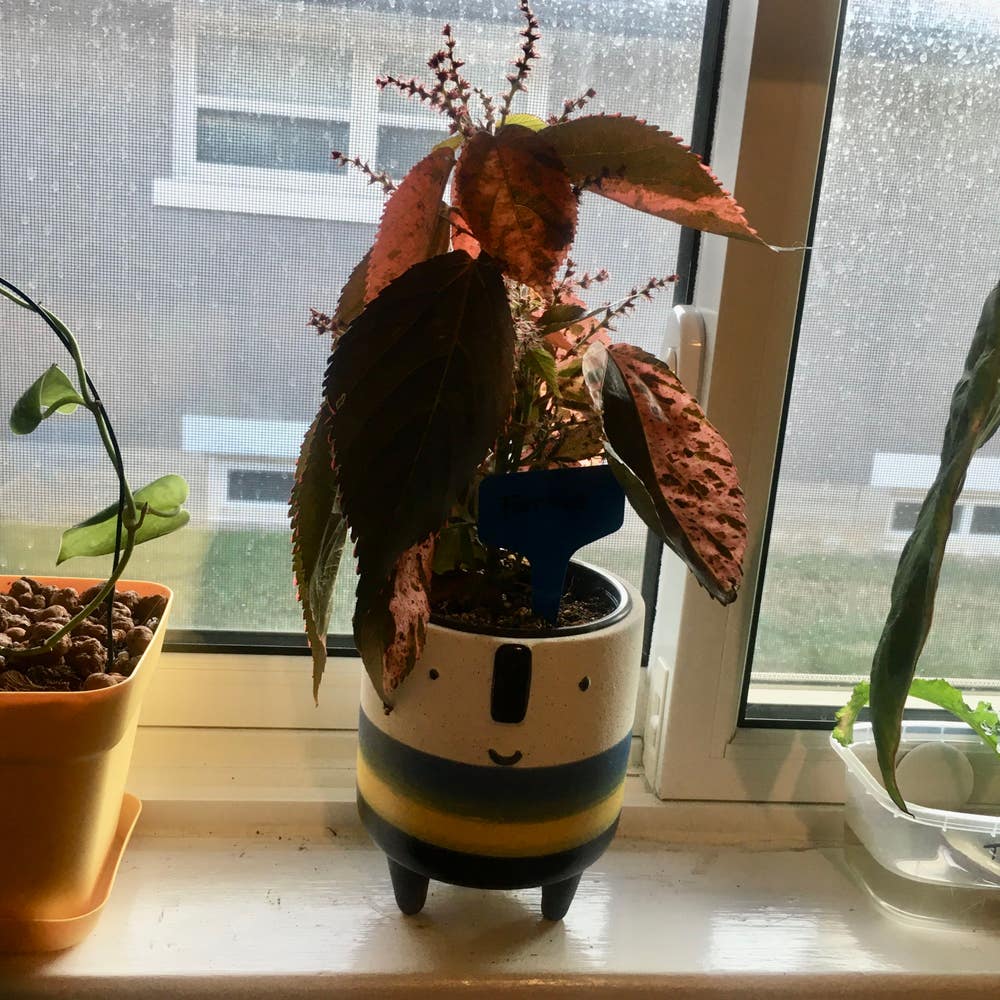
Acalypha omissa boasts unique foliage and striking variegation that can elevate any space. Its vibrant leaves add a splash of color, making it a favorite among plant enthusiasts.
Air Purification
This plant contributes to indoor air quality by filtering out toxins. Having Acalypha omissa in your home can help create a healthier living environment.
Cultural Significance
In various cultures, Acalypha omissa symbolizes resilience and beauty. Its presence can add a layer of meaning to your plant collection.
Versatility
Acalypha omissa thrives in both indoor and outdoor settings. Whether you want to brighten up your living room or garden, this plant fits seamlessly into any environment.
Attracts Pollinators
This plant plays a role in supporting local ecosystems by attracting pollinators. Its flowers can draw in bees and butterflies, enhancing biodiversity in your garden.
These benefits make Acalypha omissa not just a beautiful addition to your space but also a valuable one. Next, let’s explore the best companion plants that can enhance your gardening experience with Acalypha omissa.
Companion Plants
🌱 Companion Planting
Companion planting is a fantastic way to enhance your garden's health and productivity. By strategically placing plants together, you can improve pest management and promote garden diversity.
🌼 Compatible Plants
When it comes to Acalypha omissa, several plants thrive alongside it. Consider pairing it with:
- Marigolds: These flowers repel pests and attract beneficial insects.
- Basil: Known for its aromatic properties, basil can deter harmful bugs.
- Nasturtiums: These vibrant flowers attract pollinators while keeping aphids at bay.
These companions share similar care needs and can create a harmonious garden environment.
🚫 Incompatible Plants
Not all plants play well together. Avoid planting Acalypha omissa near:
- Tomatoes: They can compete for nutrients and may attract pests.
- Potatoes: Similar issues arise with nutrient competition and pest attraction.
Keeping these incompatible plants apart will help maintain a healthy garden ecosystem.
Incorporating companion planting strategies can lead to a thriving garden, setting the stage for the next section on toxicity to humans.
Toxicity to Humans
Potential for Irritation 🌿
Acalypha omissa can cause irritation primarily through its leaves and sap. Symptoms may include skin rashes or mild gastrointestinal upset if ingested.
Guidance on Seeking Medical Care 🚑
If you experience persistent or worsening symptoms after contact with the plant, it's important to seek medical care. Don't hesitate to consult a healthcare professional for advice.
Tips for Safe Handling 🧤
To minimize irritation risk, wear gloves when handling Acalypha omissa. Additionally, wash your hands thoroughly after touching the plant to avoid any potential reactions.
Understanding these precautions can help you enjoy the beauty of Acalypha omissa while keeping yourself safe. Now, let’s explore its toxicity to our furry friends!
Toxicity to Dogs
🐶 Potential for Irritation
Acalypha omissa can cause irritation in dogs, primarily due to its leaves and sap. Symptoms may include drooling and mild vomiting, which can be concerning for pet owners.
🩺 Guidance on Seeking Veterinary Care
If your dog exhibits persistent or worsening symptoms after exposure, it's essential to seek veterinary care. Prompt attention can help ensure your furry friend stays healthy and comfortable.
⚠️ Toxicity Level Statement
While Acalypha omissa is not considered severely toxic to dogs, it can cause mild to moderate irritation. Being aware of these potential effects allows you to enjoy your plant while keeping your pet safe.
Toxicity to Cats
Potential for Irritation 🐾
Acalypha omissa can cause mild irritation in cats, primarily due to its leaves and sap. Symptoms to watch for include pawing at the mouth and mild vomiting.
Guidance on Seeking Veterinary Care 🩺
If your cat shows persistent or worsening symptoms, it's wise to consult a veterinarian. Early intervention can help ensure your pet's well-being.
Toxicity Level Statement ⚠️
While Acalypha omissa is not considered severely toxic to cats, it may lead to mild to moderate irritation. Keeping an eye on your feline friend is always a good practice when introducing new plants into your home.
As you explore the fascinating world of Acalypha omissa, remember to consider its interactions with pets. Next, let’s delve into the potential toxicity this plant poses to dogs.
Problems
Common Problems 🌱
1. Incorrect Watering
Watering issues are among the most common problems with Acalypha omissa. Overwatering can lead to root rot, while underwatering may cause wilting and leaf drop.
2. Incorrect Light Conditions
Insufficient light can result in leggy growth and pale leaves, whereas excessive light may scorch the foliage. Finding the right balance is crucial for healthy growth.
3. Incorrect Temperature
Temperature extremes can stress the plant. If temperatures drop below 20°C (68°F) or rise above 30°C (86°F), you may notice stunted growth or leaf drop.
4. Diseases
Acalypha omissa can be susceptible to diseases like powdery mildew and blight. These often manifest as white powdery spots or dark patches on leaves.
5. Leaf Issues
Yellowing leaves can indicate nutrient deficiencies or overwatering, while scorching may result from too much direct sunlight. Fuzzy growth can signal fungal infections.
Identification and Causes 🔍
Identifying the symptoms of these problems is the first step toward resolution.
- Overwatering: Leaves turn yellow and feel mushy.
- Underwatering: Leaves become crispy and dry.
- Insufficient Light: Stretched stems and pale foliage.
- Excessive Light: Brown, crispy leaf edges.
- Diseases: White spots or dark patches on leaves.
- Leaf Issues: Yellowing, scorching, or fuzzy growth.
Solutions 🛠️
Addressing these problems can often be straightforward.
- Watering: Adjust your watering schedule based on soil moisture; aim for consistently moist soil without sogginess.
- Light Conditions: Move the plant to a location with filtered light if it’s too bright or too dim.
- Temperature: Ensure the plant is in a stable environment, avoiding drafts and extreme heat.
- Diseases: Remove affected leaves and improve air circulation around the plant.
- Leaf Issues: Regularly check for pests and adjust care practices to prevent nutrient deficiencies.
By staying vigilant and responsive to your Acalypha omissa's needs, you can keep it thriving and vibrant. Next, let’s explore the fascinating world of pests that may affect your plant.
Bugs
Potential Pest Issues 🐜
Acalypha omissa is generally resilient against pests, but it can still fall victim to a few common nuisances. Understanding its susceptibility can help you take proactive measures to protect your plant.
Identification of Pests 🔍
Common pests that may target Acalypha omissa include spider mites, mealybugs, and aphids. Look for signs like webbing, sticky residue, or distorted leaves to identify these pests early.
Treatment Options 💊
To manage pest issues, consider both organic and chemical control methods. Neem oil and insecticidal soap are effective organic options, while chemical pesticides can be used as a last resort.
By staying vigilant and addressing pest problems promptly, you can keep your Acalypha omissa thriving. Next, let’s explore what animals might be interested in snacking on your plant.
What Eats
🦌 Common Animals
Acalypha omissa can attract a variety of hungry critters. Common visitors include deer, rabbits, and squirrels, all of which may find your plant a tasty treat.
🚨 Signs of Damage
Keep an eye out for signs of damage. Look for leaf nibbling or uprooting, which can indicate that these animals are feasting on your beloved plant.
🛡️ Deterrent Methods
To protect your Acalypha omissa, consider using both chemical and organic deterrents. Options like repellents or physical barriers can help keep these pests at bay, ensuring your plant thrives without unwanted visitors.
By implementing these strategies, you can enjoy the beauty of your plant while minimizing damage from local wildlife. Now that you know how to safeguard your Acalypha omissa, let’s explore the common problems that can arise in its care.
⚠️ Safety First
This content is for general information and may contain errors, omissions, or outdated details. It is not medical, veterinary advice, or an endorsement of therapeutic claims.
Always consult a qualified healthcare professional before using any plant as food, medicine, or supplement.
Never eat any plant (or feed one to pets) without confirming its identity with at least two trusted sources.
If you suspect poisoning, call Poison Control (800) 222-1222, the Pet Poison Helpline (800) 213-6680, or your local emergency service immediately.
Spotted an error? Please report it here.
Grow your Acalypha omissa flourishingly 🌱 with Greg's tailored watering reminders and expert community tips to keep it thriving in the perfect conditions!